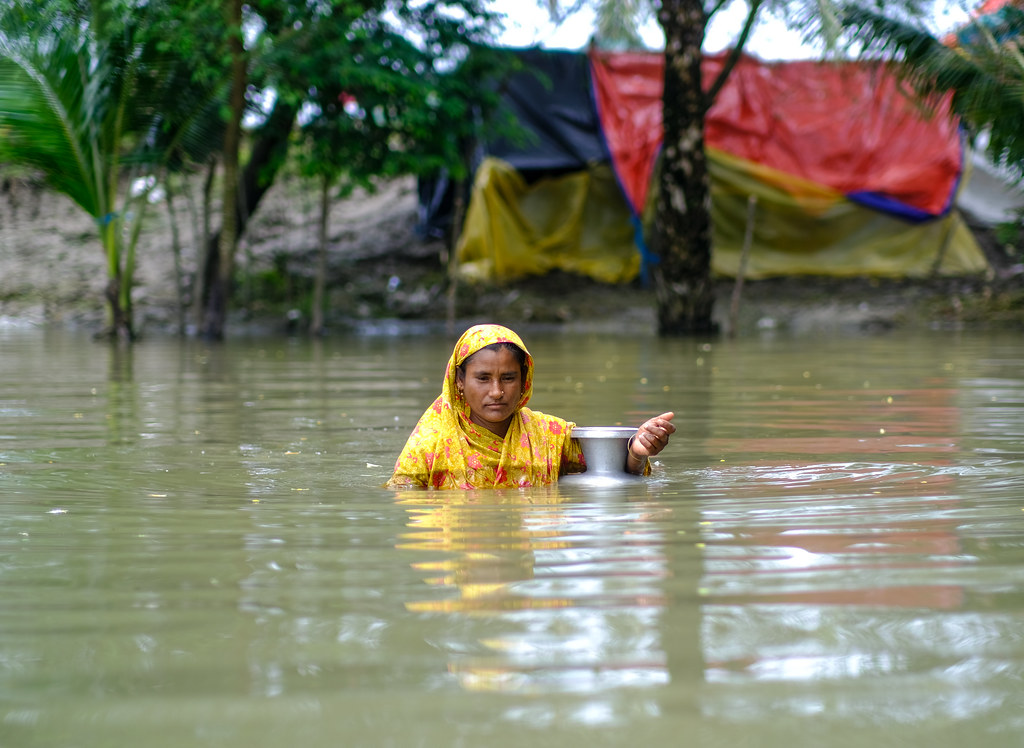
The rivers arrived before the warnings did. In early July, Chattogram, Bangladesh, was struck by severe flash floods and landslides that engulfed entire districts, killing dozens and displacing well over a million people across the country. Fed by a heavy southwest monsoon, the Sangu, Dolu, and Khowai rivers broke their banks within days of each other. In the low-lying neighborhoods of Bandarban, Chattogram, and Cox’s Bazar, floodwaters washed away homes and severed communication lines.
By July 12, the toll was staggering. The floods killed at least 51 people, destroyed 29,741 homes, and affected an estimated 1.1 million people. Of the 10 districts hit, Chattogram was the worst one, with the floods impacting 759,530 residents, including 188,648 families left stranded without food, clean water, and medical care.
The toll wasn’t only counted in deaths. The Lancet reported a sharp decline in hygiene and sanitation facilities as floodwaters mixed drinking-water sources with human waste, pesticides, and animal remains. In refugee camps, disruptions in waste disposal created a perfect breeding ground for waterborne diseases. An increase in waterborne diseases such as leptospirosis, cholera, and bacillary dysentery, as well as vector-borne diseases like malaria and dengue, is commonly associated with flooding.
According to a 2026 systematic review of 71 studies published in BMC Infectious Diseases, the lag between a flood and a cholera outbreak typically runs one to two weeks. This is an extremely short window for the disease most likely to follow flooding in Bangladesh, specifically. The World Health Organization estimates that up to 69% of the global diarrheal disease burden is attributable to unsafe drinking water, sanitation, and hygiene conditions — a disease burden driven not simply by flooding, but by repeated failures in public health and prevention systems.
Bangladesh is inside that window now.
Bangladesh’s weakened defenses
The infrastructure meant to operate inside that window has itself been dismantled. The United States Agency for International Development (USAID) has been the world’s largest single donor of foreign aid since 1961, built on a mandate to eradicate poverty and strengthen health systems. In 2024, on a budget of $44.2 billion, it accounted for over 40% of all global humanitarian aid tracked by the United Nations.
That same year, Bangladesh received $371 million in USAID funding, including $47 million for humanitarian assistance, $16 million for emergency food assistance, and $11 million for TB health projects. In 2025, USAID funding declined by 31%, falling to $164 million, with deeper reductions expected through 2026.
As funding halted nationwide, the country’s healthcare systems suffered. During the monsoon months, disease-tracking and emergency response projects were paused, while coastal water and sanitation projects stopped working altogether. This has led to the suspension of 100 development projects, worth $550 million, with 20,000 NGO and local aid workers losing their jobs.
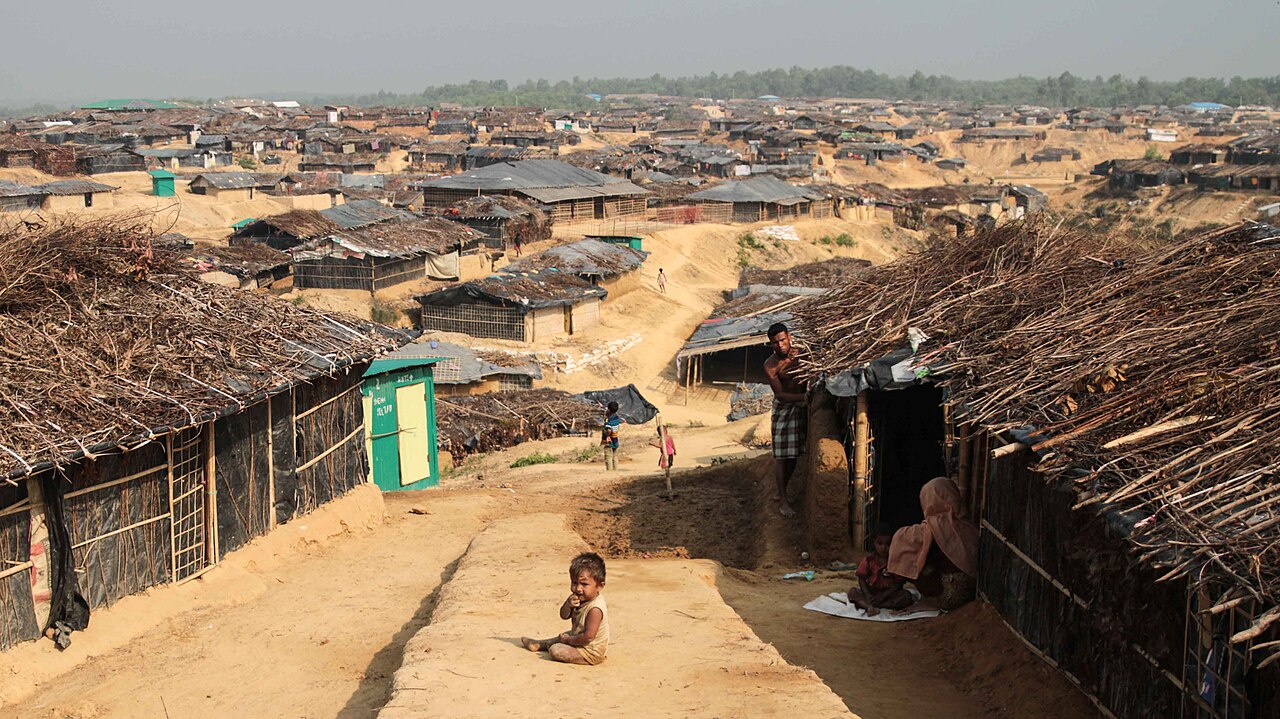
The risk has not gone unnoticed by those responsible for preventing it. In May 2025, WHO official Salma Sultana warned that funding cuts had already “ramped up risks of uncontrolled outbreaks” of diseases including cholera in Bangladesh’s refugee camps. This poses a direct threat to refugees and displaced communities across the country, including the Rohingya, who fled their homes during ethnic cleansing in Myanmar in 2017, only to be struck by another calamity in one of the least-resourced refugee settlements in the world.
The same failure, thousands of miles apart
Bangladesh isn’t the only nation that will suffer. According to official OECD data, global development aid declined by 23% in 2025, with a further 6.9% decline in 2026, marking the steepest fall on record. In an assessment of 108 countries, the World Health Organization reported that 70% reported major disruptions in emergency preparedness and response programs.
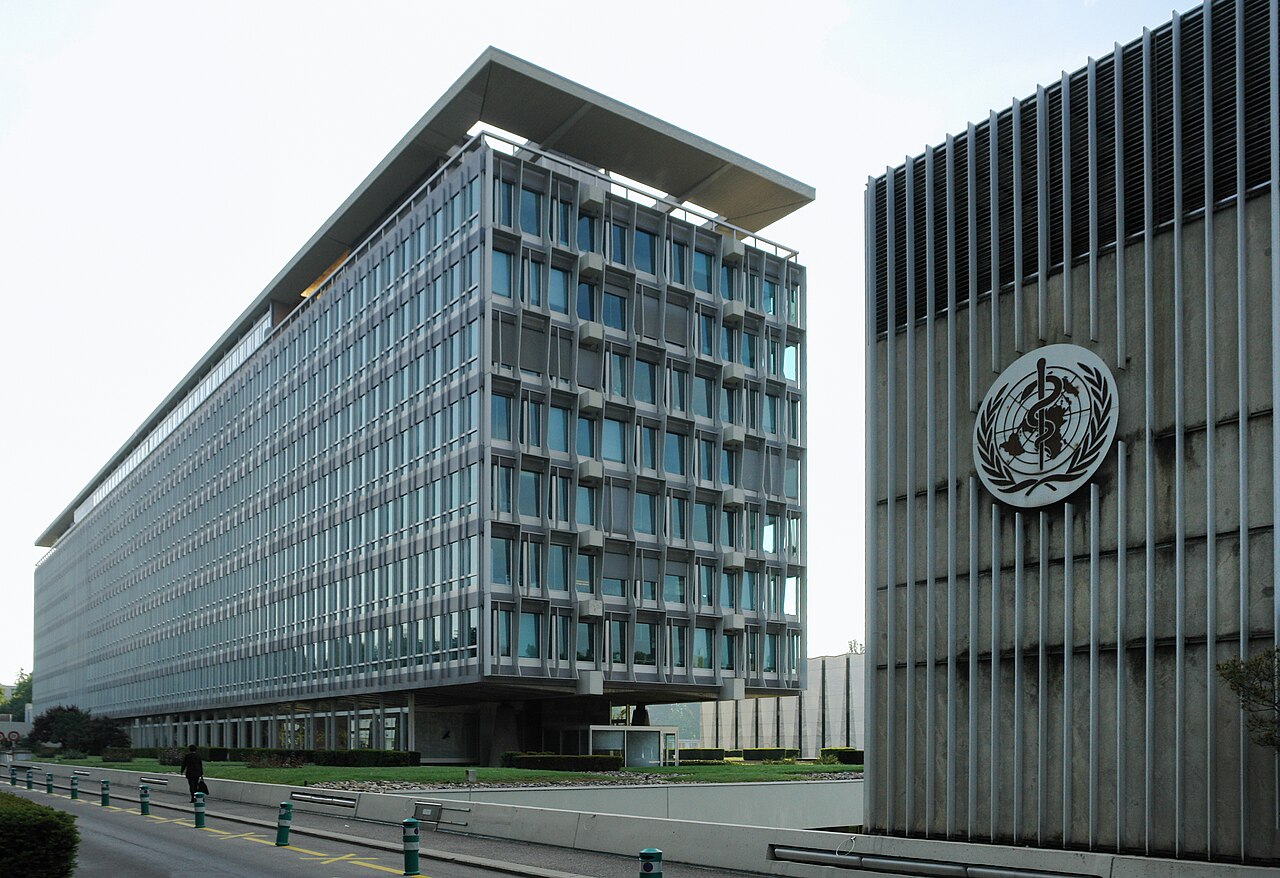
As the international aid scenario worsened, the United States withdrew from the WHO in January 2026. This changed the relationship between the organization and its largest financial backer, with the WHO warning that the withdrawal makes “both the United States and the world less safe.”
According to a Barcelona Institute for Global Health study on the estimated human costs of continued aid cuts, published in February 2026 in The Lancet Global Health, continuing current downward trends in global aid would result in 9.4 million additional deaths by 2030, including 2.5 million deaths of children under 5.
The president of the Rockefeller Foundation, Rajiv Shah, asked a serious question — whether “we will allow a global retreat to define the future or whether we will reimagine and strengthen our collective humanitarian commitment to those in need.”
Thousands of miles from Chattogram, the same infrastructure failure has led to a second emergency. In the Democratic Republic of the Congo and Uganda, aid workers said that the same funding collapse has directly hampered the response to an Ebola outbreak. On May 17, the WHO declared this a Public Health Emergency of International Concern.
Related Articles
Here is a list of articles selected by our Editorial Board that have gained significant interest from the public:
Not Europe’s disease. Still Europe’s problem.
Why does the story of an outbreak in a distant country matter?
The European Union’s health authorities have predicted the general risk to the public as very low, and that cholera in Bangladesh is not going to arrive at Europe’s doorstep anytime soon. The story does not focus on the spread of the disease, which is contained due to sheer geographical boundaries. Instead, it reveals the kind of heavily dependent institutional response that has started to fail communities at large. It seems as if only a matter of time until it begins to dismantle and wreak havoc where it once promised security.
Who owns the infrastructure meant to stop it? It is not owned by Bangladesh or the Democratic Republic of the Congo alone. It is a shared system, funded collectively and relied upon by every country when a disease crosses a border that matters to them.
The flood in Chattogram has already happened. However, the lag window is closing with each passing day, and it determines whether cholera takes hold. And unlike the flood, this outcome will not be decided by the weather.
Editor’s Note: The opinions expressed here by the authors are their own, not those of impakter.com