Today’s ESG Updates
- Britain Must “Electrify Now”: UK Energy Secretary Miatta Fahnbulleh calls for faster electrification while maintaining a pragmatic approach to North Sea oil and gas as Britain manages its industrial transition.
- Starbucks Scales Back Sustainability Goals: Starbucks has dropped or weakened several environmental targets amid a $2 billion cost-cutting drive, while its goal to halve emissions remains under reassessment.
- Governments Race to Subsidise Fuel: Governments worldwide are expanding fuel subsidies and cutting energy taxes as the Middle East conflict drives up oil prices, creating growing pressure on public finances.
- Iran War and AI Reshape Clean Energy: Rising fossil-fuel prices are strengthening the economic and energy-security case for renewables, while surging AI data-centre demand creates new challenges for electricity grids and emissions.
Fahnbulleh: Britain must “electrify now,” but pragmatically
UK Energy Secretary Miatta Fahnbulleh has called for the UK to “electrify now” while taking a “pragmatic” approach to oil and gas licensing, warning the world is on track to miss key climate targets. Fahnbulleh, appointed by Prime Minister Andy Burnham in July, blamed the previous Conservative government for failing to plan an industrial transition for Aberdeen, where over 70,000 oil and gas jobs were lost over a decade, calling the lack of foresight something that “makes me genuinely angry.”
She said she is still weighing whether to reapprove the controversial Rosebank and Jackdaw North Sea projects, acknowledging oil and gas will remain part of the energy mix until nuclear baseload capacity expands. Fahnbulleh also pushed back on being framed as a protégé of predecessor Ed Miliband, calling the characterisation “a bit patronising, even misogynistic,” and stressed her own two decades of experience in economics and policymaking.
Klimado – Navigating climate complexity just got easier. Klimado offers a user-friendly platform for tracking local and global environmental shifts, making it an essential tool for climate-aware individuals and organizations.
Starbucks scales back sustainability goals amid cost-cutting drive

Starbucks has scaled back or scrapped several sustainability targets, including pledges to halve water use and waste, while its 50% emissions reduction goal remains “under active reassessment.” The company is pursuing $2 billion in cost cuts under CEO Brian Niccol’s “Back to Starbucks” turnaround. The retreat is notable given how central sustainability once was to Starbucks’ brand identity, with commitments set in 2020 now quietly absent or narrowed in its latest impact report, including a shift from cutting virgin plastics by 50% to just 5%.
Starbucks’ total emissions were 7% higher in 2025 than in 2019, and the company has laid off dozens of sustainability staff, including its former chief sustainability officer. As You Sow’s Kelly Poole said the changes suggest Starbucks “is considering dropping” its emissions target entirely. The company says a new “science-aligned goal” will arrive in early 2027, and has retained some commitments, including fully reusable or recyclable packaging by 2030.
Related Articles
Here is a list of articles selected by our Editorial Board that have gained significant interest from the public:
Governments race to shield consumers as fuel subsidy costs mount
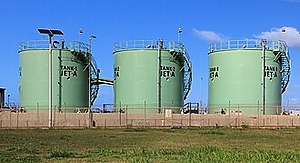
Governments worldwide are ramping up fuel subsidies as Brent crude approaches $110 a barrel amid the spreading Middle East conflict, with the number of countries introducing subsidies more than doubling from 16 to 38 since May, according to FT analysis of IEA data. Fifty-seven governments have now cut energy taxes, and 94 offer some form of consumer support, even as the IMF urges narrow, time-limited interventions and global bond markets buckle under the fiscal strain, pushing U.S. borrowing costs to their highest since 2007.
France has extended driver support, Germany has promised new proposals, and the UK faces pressure to help lower-income households. Europe enters winter with record-low gas reserves, while Southeast Asian economies like Indonesia and Thailand face mounting subsidy costs, and Philippine transport workers have staged protests demanding relief. Even the U.S., usually insulated as the world’s top oil producer, has seen diesel prices surge 70% since the conflict began. UC Santa Barbara’s Paasha Mahdavi warned that once subsidies are introduced, “it’s very hard to put back.”

Iran war and AI boom reshape the clean energy debate
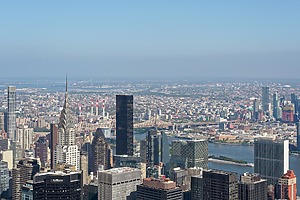
The Iran war and resulting energy crisis have shifted the global conversation around clean energy. At New York Climate Week, political and business leaders increasingly presented renewables not only as a way to tackle climate change, but as a means of achieving cheaper and more secure energy.
Iran’s blockade of the Strait of Hormuz has driven up global oil and gas prices, encouraging countries dependent on imported fossil fuels to accelerate their transition. Demand for Chinese solar panels, batteries and electric vehicles has risen, while Europe has experienced significant growth in electric car registrations. Governments including Germany and South Korea are also expanding renewable energy commitments.
Meanwhile, the rapid growth of artificial intelligence has created another challenge. Data centres require enormous amounts of electricity, raising concerns about energy infrastructure and emissions. Industry leaders are therefore exploring ways to make data centres more flexible, allowing them to use more electricity when renewable power is readily available.
Editor’s Note: The opinions expressed here by the authors are their own, not those of impakter.com — Cover Photo Credit: Wikimedia Commons