Today’s ESG Updates
- Anthropic Could Command More Than $2 Trillion Valuation: The AI developer’s IPO prospectus shows revenue surging 12-fold in 2025 as spending reaches unprecedented levels.
- UK Government Targets Water Industry Overhaul: Prime Minister Andy Burnham plans to repeal the ban on public ownership and give mayors new powers to hold water companies accountable.
- EU Considers Delaying Methane Rules: The one-year delay would give importers more time to prepare as governments fear compliance penalties could discourage fuel imports during a period of tight energy supplies.
- India Targets 600 Million Tonnes of Steel Capacity by 2047: The proposed policy aims to nearly triple current capacity while cutting emissions intensity from 2.54 to 1.54 tonnes of CO₂ per tonne of crude steel.
Anthropic IPO could value AI firm at more than $2 trillion
Investors could value Anthropic at more than $2 trillion, compared with an estimated $965 billion valuation in May, according to its IPO prospectus.
Anthropic is scaling rapidly amid surging demand for AI and taking on huge costs to support its expansion. Revenue rose 12-fold to nearly $4.6 billion in 2025, but the company reported a $42 billion net loss. Its operating loss widened to $8.06 billion from $2.98 billion in 2024.
The company shows no signs of slowing its expenditure. It spent $7.33 billion on compute and infrastructure last year, three times the 2024 figure, and plans $518 billion in future cloud, computing and infrastructure commitments. The figures highlight the capital required to expand its AI systems and compete with other developers.
Anthropic’s IPO would follow SpaceX’s recent listing, which valued Elon Musk’s company at $1.77 trillion. The debut will provide an important benchmark for how Wall Street values AI’s leading companies, including rival OpenAI, which is also currently preparing for an IPO.
Klimado – Navigating climate complexity just got easier. Klimado offers a user-friendly platform for tracking local and global environmental shifts, making it an essential tool for climate-aware individuals and organizations.
Burnham moves to open England’s water industry to public ownership

UK Prime Minister Andy Burnham will introduce legislation to repeal the ban on public ownership of water companies, opening the way for greater state control of England and Wales’ privatised water sector.
The strengthened Water Bill would give mayors new powers to hold water companies accountable. Speaking at the Labour Party’s annual conference in Liverpool, Burnham promised a ten-year transition to “a very different water system”.
The announcement comes amid mounting criticism of the industry over sewage pollution, rising bills and financial instability. Thames Water, which serves 16 million customers, faces billions in debt and a proposed creditor-led rescue.
Shares in Severn Trent, Pennon and United Utilities fell between 0.9% and 1.6% following the announcement.
Related Articles
Here is a list of articles selected by our Editorial Board that have gained significant interest from the public:
EU considers delay to methane rules amid energy supply concerns
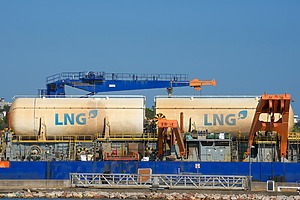
The EU is considering delaying methane rules for oil and gas imports as governments face tighter supplies and higher energy prices ahead of winter. The rules, due to take effect on January 1, 2027, would require foreign oil and gas producers who supply the EU to monitor and report methane emissions.
EU Energy Commissioner Dan Jorgensen said penalties for non-compliance could deter suppliers from delivering fuel to Europe while energy markets remain tight. He said a delay could last a year but would not reduce the rules’ ambition, noting that any delay would depend on all member states using the extra time to prepare to implement the law.
The move follows calls from more than a dozen EU countries, alongside the U.S., for a postponement.
Meanwhile, the International Energy Agency (IEA) chief Fatih Birol said members could discuss further releases of strategic oil reserves if needed, but stressed this was “not the number one agenda”. The IEA has already coordinated the release of a record 400 million barrels of oil, 20% of member countries’ total stocks.

India targets 600 million tonnes of steel capacity by 2047
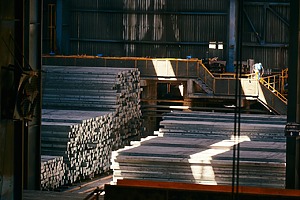
India plans to expand steelmaking capacity to 600 million metric tonnes by 2047, nearly tripling current capacity of 220 million tonnes, under a new steel policy expected to be published soon.
The draft policy targets cutting average emissions intensity from 2.54 to 1.54 tonnes of CO₂ per tonne of crude steel by 2047, supporting India’s 2070 net-zero goal.
To meet rising demand, the government forecasts iron ore requirements of 772 million tonnes and coking coal demand of 214 million tonnes. It plans to secure overseas reserves and diversify sourcing through foreign investments and joint ventures.
India imported 3.5 million tonnes of finished steel in April–August, up 29.5% from 2025.
Editor’s Note: The opinions expressed here by the authors are their own, not those of impakter.com — Cover Photo Credit: Planet Volumes