
Social stratification, a system by which a society classifies its members into different groups based on socioeconomic factors (such as income, race, education, ethnicity, gender, etc.), is a phenomenon that has been part of almost every human society since the start of human settlement around 14,000 years ago.
Settlements enabled humans to go through extremely rapid development, but at the same time, they started to classify themselves into different groups: agricultural labor allowed settled humans to have access to more food than ever before, and as these settled societies (also called horticultural or pastoral) kept growing, the necessity for each member to be involved in food production decreased, meaning that more people had time to pick up other activities. However, while job specialization allowed societies to grow and become more complex, humans inevitably started valuing some jobs more than others – to the point that the further away you were from manual labor, the “higher” your rank was. This was the start of social stratification – and therefore inequality.

Fast forward to the twenty-first century, and inequality is more prevalent than ever. Global crises such as climate change, and the more recent Covid-19 pandemic, have thrown a harsher light on the issues that are linked to social inequality: the further down you are on the ladder of the “social hierarchy”, the more vulnerable you are to extreme weather conditions and diseases.
Countries with a large percentage of the population depending on the informal (street) economy, and that have not created a social system that can protect these people in times of emergencies, have suffered extremely under the Covid-19 pandemic because people were reluctant to stay at home since there was a lack of financial support coming from the state.
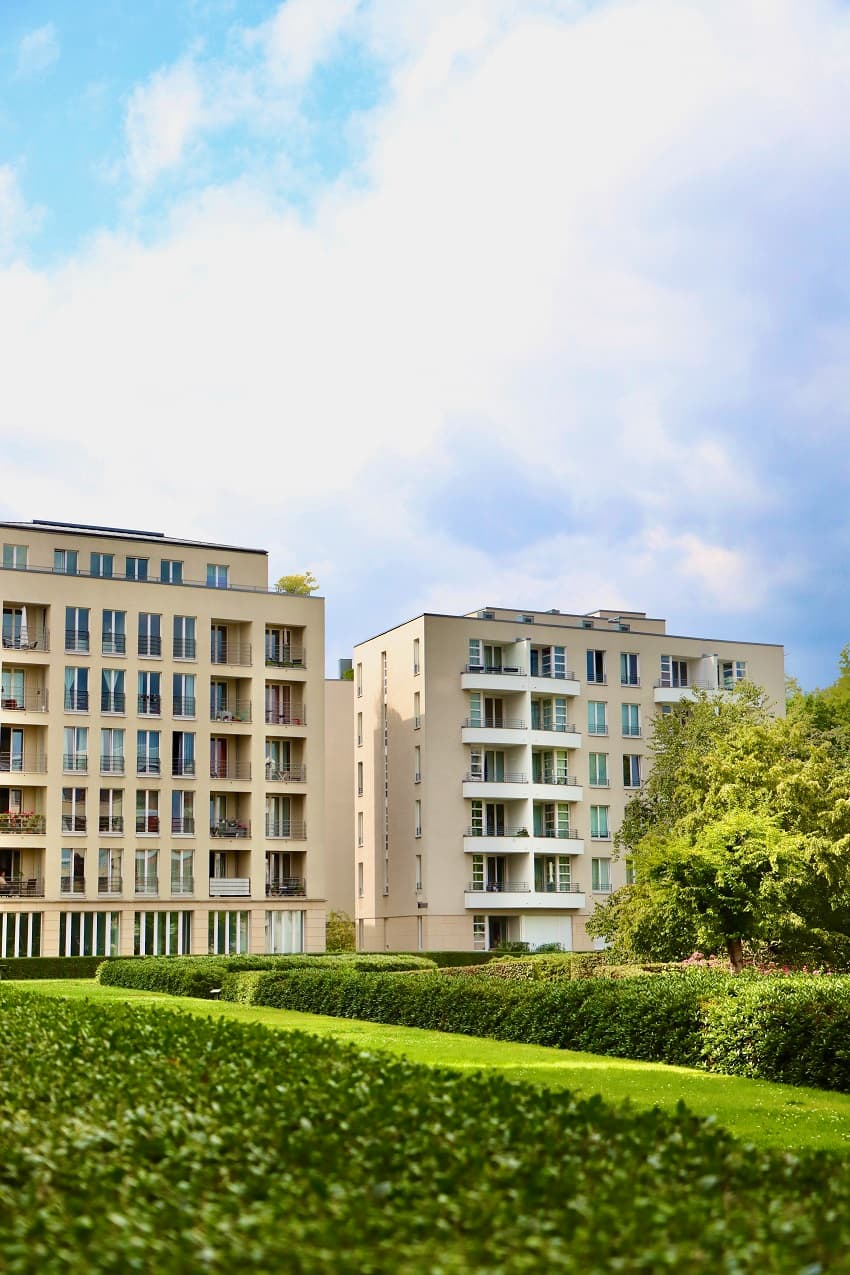
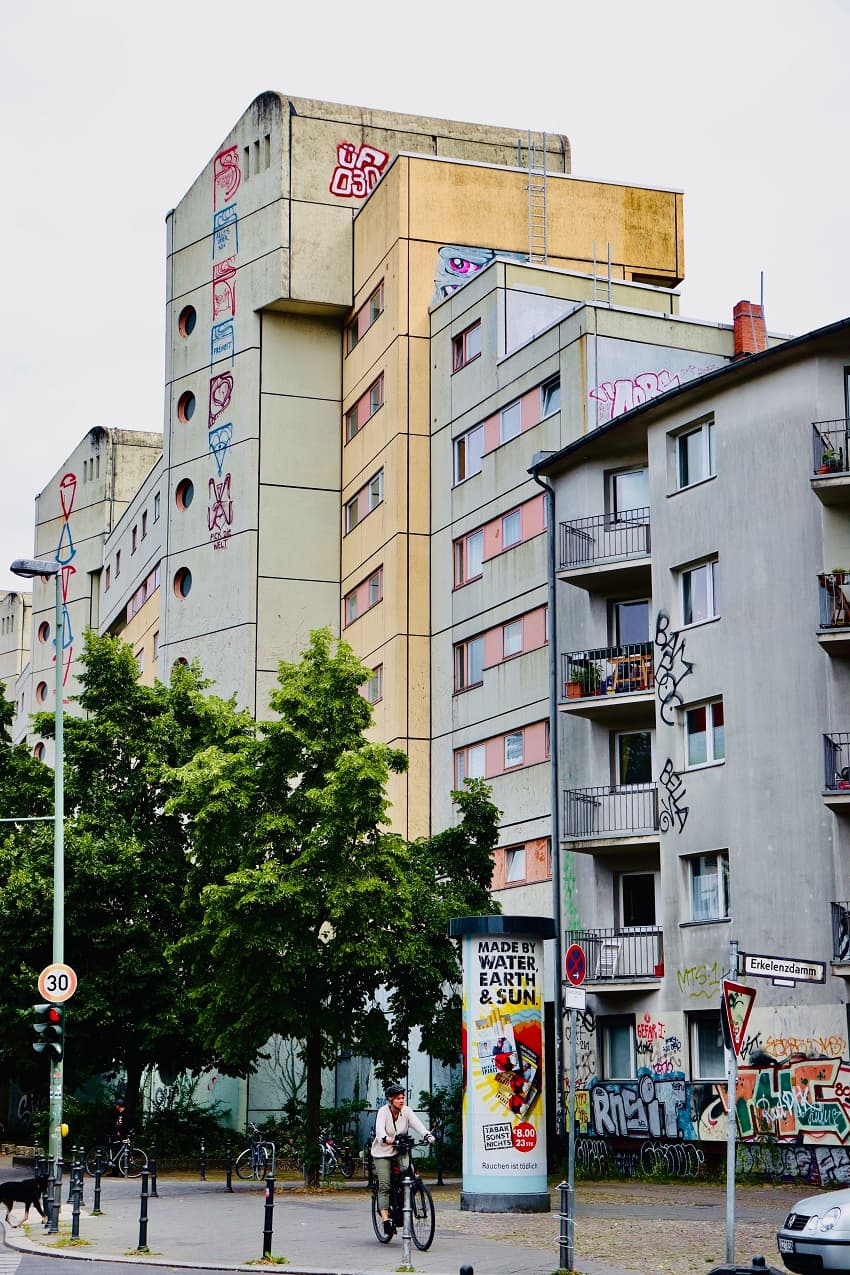
In many places, a large number of families live in very cramped spaces, and in these situations, staying at home was practically impossible – and yet, they were expected to do so. The spread of the virus was also much more rapid because of the conditions they live in. This shows, once more, that the ability to protect oneself and one’s family during a pandemic is less a matter of willingness and obedience, and more a matter of politics and class.
The pandemic made sure to remind us that inequality is not only a global issue but very much a national one. Oxfam International reports that millions of people have died or been pushed into hunger and poverty because governments have not invested in public healthcare, protected workers’ rights, or provided safety nets for people who can’t work.
RELATED ARTICLES: Trailblazing Leaders Launch Ground-Breaking Commitments at The Generation Equality Forum | I am Generation Equality: Selin Gören, Climate Activist | World Health Day: Gender Equality Still Absent From Health Sector Policies | How Education Sustains Racial Inequality and White Supremacy
In the United States, the pandemic highlighted racial and economic inequalities more than ever before. Opportunity Insights, a research group that collected data on the recovery of wealth by American households after the pandemic stated that their data highlights the inequalities in the recovery in the sense that high-income workers not only have jobs that for the most part have come back; they also have savings that have continued to grow.
Moreover, VOA news reported on Federal Reserve Chair Jerome Powell expressing his concern about widespread inequality in the U.S. economy as he pointed to huge gaps in wealth along racial lines. White households owned nearly 85% of total wealth at the end of March. Black households owned just 4.4%, Hispanics 3.2%.

While some countries are doing more than others to close the gap between rich and poor, we still have an incredibly long way to go in order to achieve this. Oxfam International and Development Finance International are two large organizations that are already one step closer to fighting inequality: with their Commitment to Reducing Inequality Index (CRII), they rank 158 countries based on what they’re doing to tackle the gap between rich and poor, such as their commitments to free public healthcare, guaranteeing decent wages or to ensuring that the rich pay their fair share of tax. The results of the index show that no country was doing enough prior to the pandemic, and even the countries at the top of the index, which are mostly OECD countries, could do much more, especially when it comes to progressive taxation.
Oxfam International and Development Finance International point out that to fight inequality, it is crucial to monitor what each government is doing and hold them to account – the CRI Index aims to do just that, showing very clearly how governments are performing in relation to each other, and how each country is improving (or not) in fighting inequality.

Launched in March 2021, a new UN-Habitat Report became another important contribution to the assessment of inequality as it specifically focuses on the impact the Covid-19 pandemic had on urban areas. The report found that patterns of inequality, due to a lack of access to basic services, poverty, and overcrowded living conditions, have been key destabilizing factors in increasing the scale and impact of COVID-19, and it concludes that urban leaders and planners must rethink how people move through and in cities, using lessons learned from the last year of COVID-19, advocating for the implementation of a “Social Contract” that allows for a new normal to emerge in cities where health, housing, and security are prioritized for the most vulnerable, not only out of social necessity but also from a profound commitment to human rights for all.

Knowing that inequality has been part of human societies already for a very long time, it can be difficult to imagine that one day, it could be possible to live in a 100% equal society, especially when seeing how attempts to achieving equal societies through political ideologies like socialism and communism have ended up in the past and the present.
However, it is encouraging to see that large organizations like the UN and Oxfam are actively assessing countries and advocating for governments to change something about this. But it also depends on us, the citizens who are part of these hierarchical systems, to fight for equal access to opportunities for everyone, and actively practice inclusion whenever we can (especially when we are in any kind of position of power) – and stop any kind of classification, labeling, and stereotypization that leads to the belief that some humans hold more value than others.
Editor’s Note: The opinions expressed here by Impakter.com columnists are their own, not those of Impakter.com