This Week’s Regulatory Updates:
- Singapore Defers Cargo Green Jet Fuel Levy Until 2028: Singapore is proceeding with a passenger green jet-fuel levy from 2027 to fund SAF, but deferring the cargo levy to 2028 to avoid implementation friction and protect Changi’s freight competitiveness.
- Brussels Backs €30m Portuguese Fuel Relief and €35bn German Capacity Deal: The Commission has green-lit a €30 million Portuguese aid package to shield agri-fish firms from soaring fuel and fertiliser bills alongside a €35 billion German capacity mechanism from 2031 to secure electricity supply.
- Indonesia Loosens Export-Proceeds Rules for Foreign-Backed Mining Firms: Indonesia has eased foreign-exchange rules for eligible foreign-backed mining exporters, reducing the required placement period from 12 months down to 3 months.
Singapore defers cargo green jet fuel levy until 2028
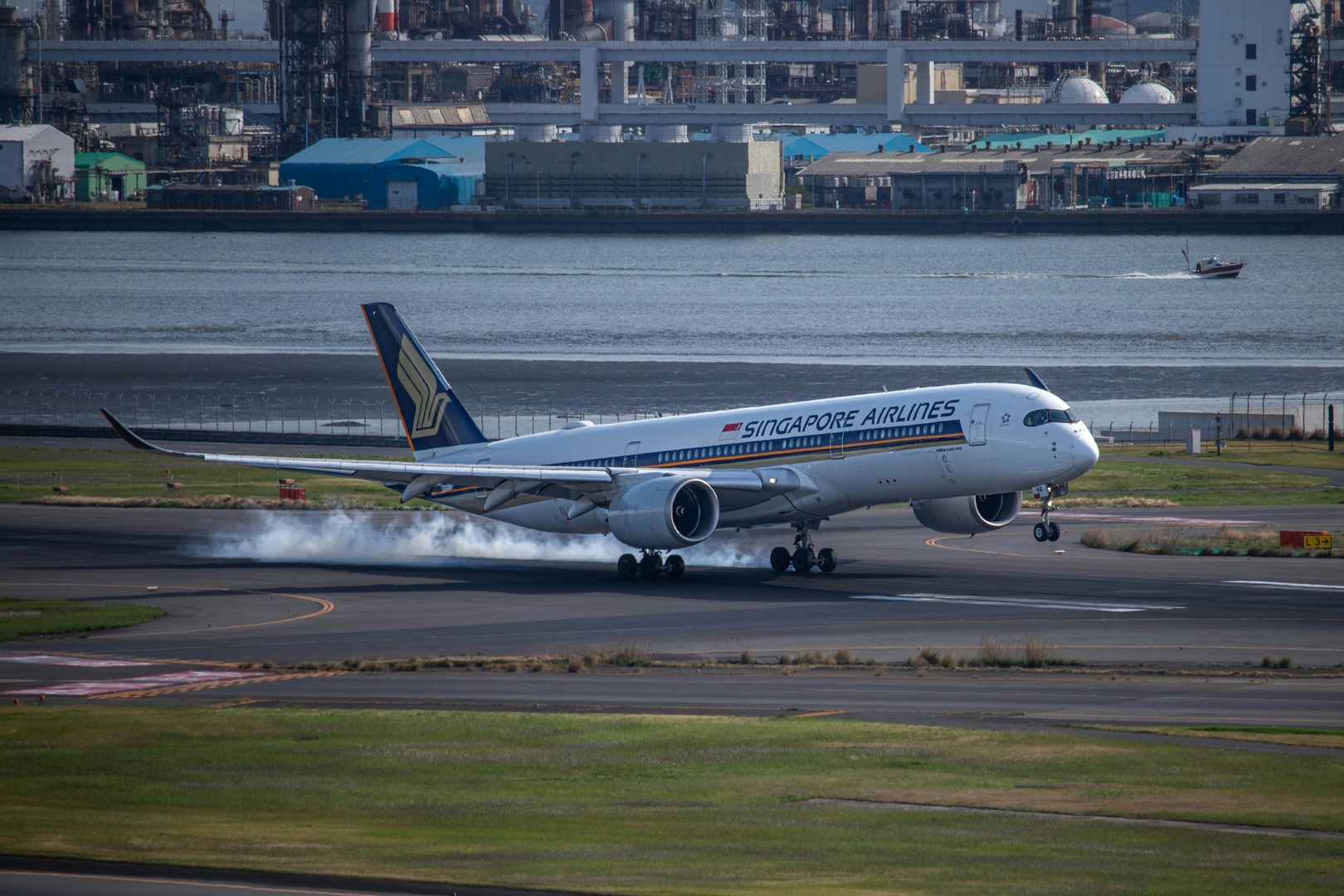
Singapore will introduce a green jet-fuel levy for departing passengers from January 1, 2027, and will postpone the air-cargo levy until January 1, 2028. This preserves the country’s sustainable aviation fuel (SAF) strategy but acknowledges that cargo charging is more complex and commercially sensitive than passenger ticketing.
From October 1, 2026, passengers will pay S$1–S$10.40 in economy/premium economy and S$4–S$41.60 in business/first class, depending on distance and cabin. Revenue will fund SAF purchases, socializing part of aviation’s decarbonization costs rather than leaving airlines to bear the full fuel premium. Passenger levies fit within existing booking systems and are modest enough not to deter demand at Singapore’s Changi Airport. Higher charges for longer routes reflect greater fuel consumption, while premium-cabin fees align with the greater space and emissions per passenger.
Cargo is harder, as costs flow through airlines, forwarders and shippers under bespoke contracts, creating uncertainty over collection and incidence. The deferral gives the Civil Aviation Authority of Singapore (CAAS) time to build an operationally credible mechanism rather than a symbolic one.
Delaying cargo charges protects Changi’s short-term freight competitiveness but leaves a major, business-funded SAF demand channel unpriced for another year, potentially slowing early procurement certainty. The levy embeds SAF costs in fares, but the small fee won’t materially change flying behavior; its value is fiscal rather than in direct emissions reductions.
Singapore is testing whether it can become a regional SAF-demand hub without diverting traffic. If the model works, it could set a template for other global aviation hubs. However, if charges rise before SAF supply scales, competitiveness and carbon-leakage risks will intensify.
***
Further reading: Green jet fuel levy for air cargo deferred for a year
Klimado – Navigating climate complexity just got easier. Klimado offers a user-friendly platform for tracking local and global environmental shifts, making it an essential tool for climate-aware individuals and organizations.
Brussels backs food and power: €30m Portuguese fuel relief and €35bn German capacity deal

Brussels has cleared two separate State aid decisions: a €30 million Portuguese scheme to cushion agriculture, fisheries and aquaculture firms against elevated fuel and fertilizer costs, and a German capacity mechanism from 2031 worth up to €35 billion to guarantee electricity supply.
For Portugal, the measure offers near-term relief to food-system producers but risks entrenching fossil-fuel exposure unless tied to efficiency or fuel-switching, while likely easing short-term price pass-through to consumers.
In Germany, the approval signals sustained reliance on capacity payments to preserve generator margins, shaping investor expectations around gas peakers versus storage and demand-side response and potentially crowding out some pure energy-only market revenues.
At the EU level, this wave of ad hoc, sector-specific aid could complicate the Green Deal and REPowerEU narrative unless explicitly framed as transitional and conditioned on decarbonization.
Over time, capital may tilt toward flexible thermal and capacity-backed assets in Germany, while Portuguese agri and fish operators gain breathing room but face weaker incentives to electrify or adopt low-carbon inputs without additional policy strings.
***
Further reading: Commission approves €30 million Portuguese State aid for agricultural, fishery and aquaculture companies facing increased fuel and fertiliser prices; Commission approves German capacity mechanism of up to €35 billion to secure electricity supply
Related Articles Widget
Related Articles
Here is a list of articles selected by our Editorial Board that have gained significant interest from the public:
Indonesia loosens export-proceeds rules for foreign-backed mining firms
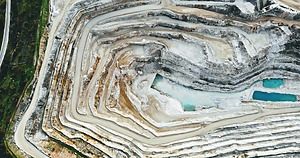
Indonesia has selectively relaxed export-proceeds retention rules for eligible foreign-invested mining firms, lowering the requirement from 100% of natural-resource export receipts held domestically for 12 months to at least 30% for 3 months.
The rule takes effect on September 1, 2026 and targets Indonesian mining limited-liability companies with at least one shareholder holding a minimum 10% stake from the U.S., China, Hong Kong, Australia, or Canada.
For eligible firms, the change improves liquidity and treasury flexibility, as less cash is tied up domestically for shorter periods, hence lowering implicit export-financing costs and easing funding for exploration, processing, and downstream projects.
Over time, this may reshape ownership structures, joint-venture design, and investment routing as firms optimize for eligibility and cheaper capital, while supporting Indonesia’s downstreaming agenda by making nickel, copper, and bauxite processing more financeable. However, it reduces the volume and duration of foreign-exchange exports locked in Indonesia’s banking system, slightly diluting direct support for domestic foreign-exchange (FX) liquidity and rupiah stability.
Embedding a named-country list in financial regulation turns access to capital into a geopolitical signal, potentially rewarding investors from key partners while pushing excluded capital toward alternative structures or jurisdictions. Faster access to liquidity may also intensify ESG and governance scrutiny of mine expansion and processing. If the scheme is seen as successful, other sectors may lobby for similar exemptions, raising concerns about precedent and fairness.
***
Further reading: Indonesia eases foreign exchange rules for mining exporters
Editor’s Note: The opinions expressed here by the authors are their own, not those of impakter.com — In the Cover Photo: Photo by Ryuno on Unsplash