Today’s ESG Updates
- Falklands Oil Outstrips North Sea Oil: Growing oil profits cause an international politics shakeup as Trump begins to support Argentina’s claim to the Falkland Islands, reversing previous policy. Surveys count a growing amount of oil near the islands, causing UK policy to sharpen over a potential challenge to ownership.
- Diesel Fuel Prices Hit All-Time High Over Reigniting Iran War: Difference between crude and refined oil prices increases as diesel prices reach highest since Russia invaded Ukraine. Sparked by a decrease in refinery output, US companies capitalise on increased prices for refined products.
- Oil Executives Express Skepticism Over Venezuela Oil Deal: Investors and oil executives have expressed concern over Trump’s strategy in the Venezuelan Oil Deal. Uncertainty over the partnership with previously Chavista-aligned NABEP and oil field infrastructure & capacity causes worries for the future of Venezuelan oil.
- New Tactics By BP And Exxon Mobil Put Union Jobs At Risk: Major oil giants have initiated lockouts, replacing union workers with temporary replacements, providing more leverage against labour unions and putting in jeopardy a future of secure employment.
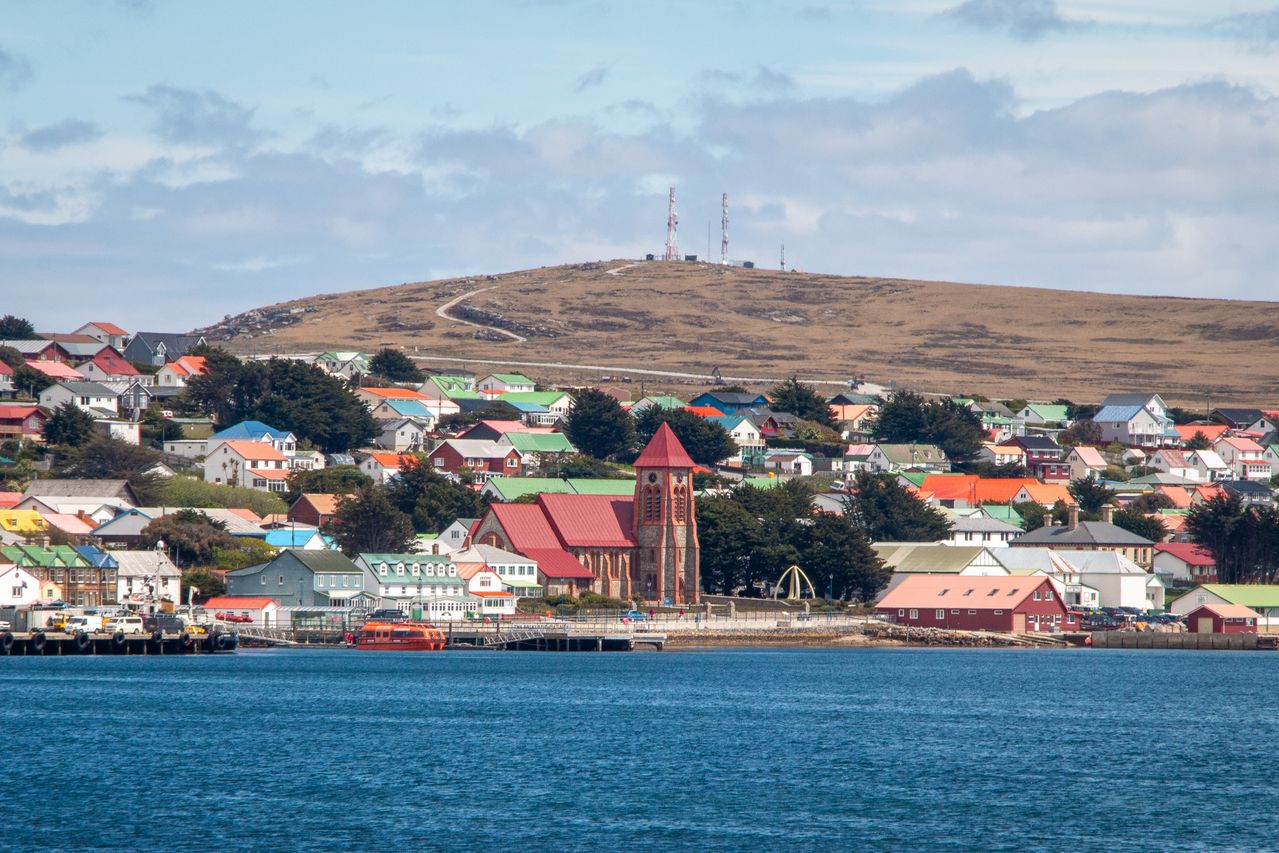
Falklands oil at the centre of international row
Tensions have risen as profits from drilling near the Falkland Islands increase, causing dissatisfaction from Argentinian President Javier Milei. Israeli oil company Navitas and British firm Rockhopper Exploration control the most surveyed oil field, Sea Lion. Lying 136 miles North of the Falklands, it is relatively easily accessible and contains 1.7 billion barrels of oil; larger than anything in British waters. Ironically, developments in the North Sea have been blocked while Falklands projects have gone forward.
This spells billions for whoever controls the oil field. But it’s not the only one; other fields lie to the South-East of the islands. Rockhopper secured control over the oil many years ago, controlling more than a third of the licences over the Sea Lion field.
Some of the money will go to residents of the Falklands, a potential £1 million per islander. The Government of the Falklands will take a 9% royalty on revenues plus a 26% corporation tax on profits. The rest is taken by oil companies, none of which will go to Argentina. For Milei, this is unacceptable.
With Trump now backing Argentina’s claim over the islands, reversing a previously neutral position, suspicions have arisen that this indicates an agenda to hand control over part of the oil to the United States.
Nevertheless, the UK government is not backing down over control of the islands, with Ed Miliband affirming the ‘right to self-determination’ of the islanders. Andrew Bowie, the shadow energy secretary, rejects Argentina’s claims.
Klimado – Navigating climate complexity just got easier. Klimado offers a user-friendly platform for tracking local and global environmental shifts, making it an essential tool for climate-aware individuals and organizations.
Diesel fuel prices jump as war in Iran returns
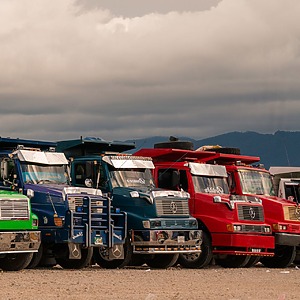
On Friday, diesel fuel prices reached a record high in the United States as the war in Iran strangles the supply of oil worldwide. Previously, the last high was reached four years ago during Russia’s invasion of Ukraine.
The national average price per gallon of diesel is now at $5.85 per gallon, up more than 55% since the war began. Over the past six months, prices of refined products have risen more than crude prices. Refined products, such as gasoline and jet fuel, have risen sharply due to the reduction in refinery capacity triggered by Iranian attacks in the Middle East.
Ukraine has also attacked and damaged many Russian refineries, causing Russia to ban the export of refined fuels until the end of September. U.S. refineries have begun producing more fuels to take advantage of the differential between crude and refined oil prices, allowing companies like Marathon and Valero to earn record profits. Prices will stay high as long as there is no recovery in Russian and Gulf oil flows.
Related Articles
Here is a list of articles selected by our Editorial Board that have gained significant interest from the public:
Uncertainty over Trump’s Venezuela oil deal mounts
Oil company executives are uncertain about Trump’s $100 billion plan for Venezuela. The White House has struck a deal to take a 35% stake in North American Blue Energy Partners to drill in Venezuela, yet another instance of Trump securing equity in private businesses. The U.S. will have “preferential access” to 20% of the oil the company produces.
NABEP is one of the largest oil companies based in and from Venezuela; they have a small track record. CEO Alejandro Betancourt has been plagued by money-laundering investigations. He’s seen as someone who profited from government connections during the Chavez succession regimes.
But investors are worried that investing in one company isn’t enough. And concerns about the quality of pre-existing oil fields owned by NABEP are mounting. Some fields are located far from the coast, previously considered undevelopable; others are nearly depleted and lack infrastructure.
Criticism from those opposed to the legitimacy of the oil deal, and from investors worried about its quality, could spell ‘doom’ for a nascent oil deal the Trump administration is hoping could solve America’s energy crisis.

Big Oil changing playbook over labour rights disputes
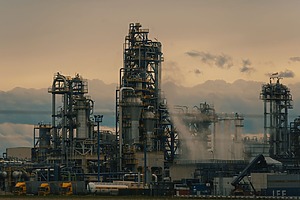
Oil jobs are well paid. But for workers at BP’s plant in Whiting, Indiana, a new strategy for handling labour disputes has collapsed union workers’ security. In March, BP locked its workers out of the refinery in Whiting, replacing union workers with temporary workers.
BP is currently stuck in a dispute with 800 workers and the biggest oil workers’ union. But they’re not the only ones changing tactics. Exxon and Marathon have begun to use hardline tactics to manage their disputes with oil worker unions. Exxon also initiated a 10-month lockout in 2021, while Marathon has been involved in two strikes since 2024. While oil companies are reporting record earnings since the Iran war, they have been adamant that these policies are necessary to keep refineries profitable.
Editor’s Note: The opinions expressed here by the authors are their own, not those of impakter.com — Cover Photo Credit: ArcticDesire.com Polarreisen on Pexels