Impakter
  • Environment
    • Biodiversity
    • Climate Change
    • Circular Economy
    • Energy
  • FINANCE
    • ESG News
    • Sustainable Finance
    • Business
  • TECH
    • Start-up
    • AI & Machine Learning
    • Green Tech
  • Industry News
    • Entertainment
    • Food and Agriculture
    • Health
    • Politics & Foreign Affairs
    • Philanthropy
    • Science
    • Sport
  • Editorial Series
    • SDGs Series
    • Shape Your Future
    • Sustainable Cities
      • Copenhagen
      • San Francisco
      • Seattle
      • Sydney
  • About us
    • Our Story
    • Team
    • Partners
    • Write for Impakter
    • Contact Us
    • Privacy Policy
No Result
View All Result
  • Environment
    • Biodiversity
    • Climate Change
    • Circular Economy
    • Energy
  • FINANCE
    • ESG News
    • Sustainable Finance
    • Business
  • TECH
    • Start-up
    • AI & Machine Learning
    • Green Tech
  • Industry News
    • Entertainment
    • Food and Agriculture
    • Health
    • Politics & Foreign Affairs
    • Philanthropy
    • Science
    • Sport
  • Editorial Series
    • SDGs Series
    • Shape Your Future
    • Sustainable Cities
      • Copenhagen
      • San Francisco
      • Seattle
      • Sydney
  • About us
    • Our Story
    • Team
    • Partners
    • Write for Impakter
    • Contact Us
    • Privacy Policy
No Result
View All Result
Impakter
No Result
View All Result
Sustainable Chocolate

Scientists Invent a Healthier and More Sustainable Chocolate

byJacob Lee
September 6, 2024
in Science

The chocolate-making process has long been criticized for being wasteful, with only the cocoa beans used while the rest of the fruit is discarded. The cocoa industry produces around 700,000 tons of waste annually, with a majority of it littered, damaging fertile soil. The discarded parts of the fruit contain valuable nutrients and flavors that could enhance the quality of chocolate while also contributing to a more sustainable production process.

In a remarkable breakthrough for the chocolate industry, Swiss food scientists and researchers at ETH Zurich have developed an innovative method to produce chocolate using the entire cocoa fruit. This eco-friendly approach has the potential to revolutionize the industry by reducing waste, enhancing the nutritional profile of chocolate, and providing new economic opportunities for cocoa farmers. 

The New Method for More Sustainable Chocolate

Using extensive research, Zurich created a “cocoa-fruit chocolate recipe,” in which they process the flesh and parts of the fruit shell into a powder. The pulp is then added to this powder, resulting in a cocoa gel. This gel serves as a sweetener, replacing the added sugar typically found in chocolate. 

Environmental and Health Benefits

By using this gel as a sweetener, cocoa-fruit chocolate contained a higher fiber content than the average European dark chocolate (around 20% more). This increased fiber level allows for better regulation of intestinal activity and prevents rapid increases in blood sugar levels. 

Further, compared to standard chocolate, cocoa-fruit chocolate has 30% less saturated fats, which is linked with cardiovascular disease.


Related Articles: The Cocoa Supply Chain: Looking Beyond the Chocolate Bar | Sustainable Chocolate Is Impossible Without Higher Prices, Report Says | What ‘Upcycled Food’ Is and Why You Should Try It

Industry Impact

The development comes at a time when consumers are increasingly looking for products that are both sustainable and healthy. The chocolate industry, which has traditionally been criticized for its environmental impact and high sugar content, stands to benefit significantly from this innovation. 

By embracing this new method, chocolate manufacturers can appeal to a broader market of health-conscious and environmentally-aware consumers.

However, this new chocolate is far from being widely released. In terms of costs, using cocoa pulp and juice costs more than sugar. While the new chocolate presents unique opportunities for small-scale farmers to diversify revenue streams, it requires investments in drying facilities and labor costs. 

“Although we’ve shown that our chocolate is attractive and has a comparable sensory experience to normal chocolate, the entire value creation chain will need to be adapted,” says Kim Mishra, the main author of the Nature Food study. “Cocoa-fruit chocolate can only be produced and sold on a large scale by chocolate producers once enough powder is produced by food processing companies.”

Although the product is not yet available, it still has a tangible impact on the rest of the industry. As the industry moves towards more sustainable practices, this innovation could serve as a model for other sectors, paving the way for a more sustainable future in food production.


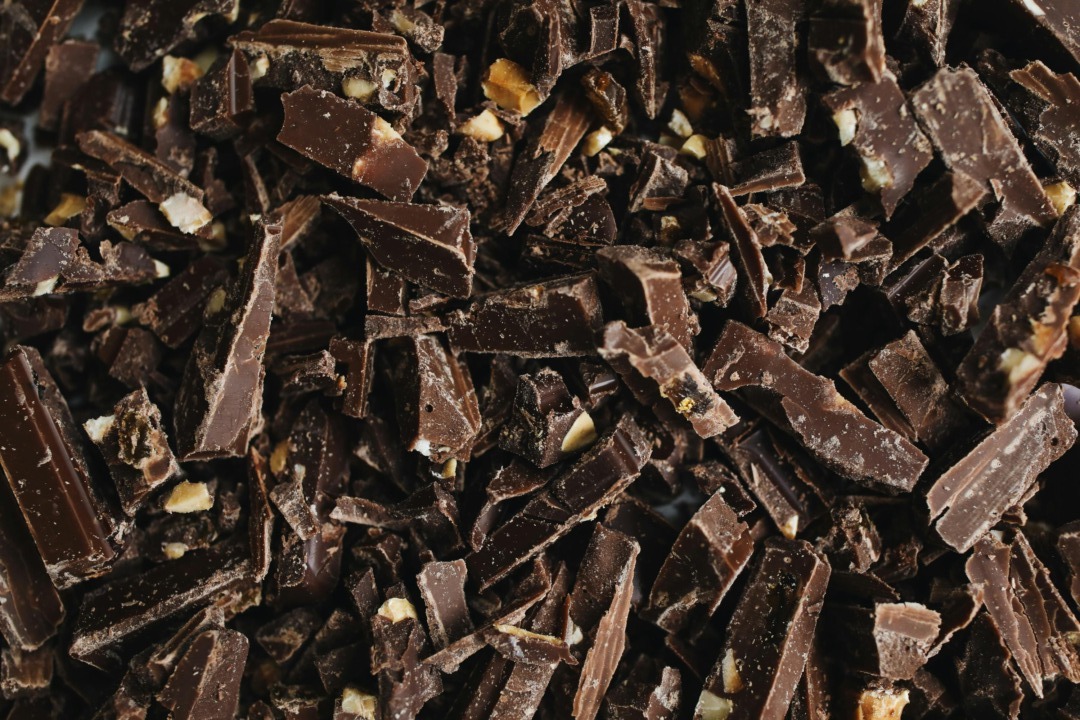
Editor’s Note: The opinions expressed here by the authors are their own, not those of Impakter.com — Cover Photo Credit: Polina Tankilevitch.
Share: Facebook X LinkedIn
Tags: chocolatecocoacocoa beansScienceSustainable ChocolateWaste
Previous Post

How Human Rights Are Disappearing Before Our Eyes

Next Post

Crime Rate and Availability of Abortion: Are the Two Related?

Related Posts

Foam swirl seen from above
Biodiversity

The Promise and Peril of Ocean Carbon Removal

April 23, 2026
overshishing
Climate Change

How Math Can Shape Climate Strategy and Diplomacy

April 23, 2026
To Keep Climate Science Alive, Researchers Are Speaking in Code
Politics & Foreign Affairs

To Keep Climate Science Alive, Researchers Are Speaking in Code

April 15, 2026
Next Post
abortion crime

Crime Rate and Availability of Abortion: Are the Two Related?

Related News

ESG news regarding Saudi Arabia setting to cut Asia crude prices as war-driven premiums fade, luxury leather supply chain facing scrutiny over Paraguay deforestation links, first LNG tanker clearing Hormuz since war, and mass legal claim being filed over river Wye pollution blamed on poultry waste.

Saudi Arabia Expected to Cut June Crude Prices for Asia

April 28, 2026
How Georgia Made One Health a Priority

How Georgia Made One Health a Priority

April 28, 2026

Impakter informs you through the ESG news site and empowers your business CSRD compliance and ESG compliance with its Klimado SaaS ESG assessment tool marketplace that can be found on: www.klimado.com

Registered Office Address

Klimado GmbH
Niddastrasse 63,

60329, Frankfurt am Main, Germany


IMPAKTER is a Klimado GmbH website

Impakter is a publication that is identified by the following International Standard Serial Number (ISSN) is the following 2515-9569 (Printed) and 2515-9577 (online – Website).


Office Hours - Monday to Friday

9.30am - 5.00pm CEST


Email

stories [at] impakter.com

By Audience

  • TECH
    • Start-up
    • AI & MACHINE LEARNING
    • Green Tech
  • ENVIRONMENT
    • Biodiversity
    • Energy
    • Circular Economy
    • Climate Change
  • INDUSTRY NEWS
    • Entertainment
    • Food and Agriculture
    • Health
    • Politics & Foreign Affairs
    • Philanthropy
    • Science
    • Sport
    • Editorial Series

ESG/Finance Daily

  • ESG News
  • Sustainable Finance
  • Business

About Us

  • Team
  • Partners
  • Write for Impakter
  • Contact Us
  • Privacy Policy

© 2026 IMPAKTER. All rights reserved.

No Result
View All Result
  • Environment
    • Biodiversity
    • Climate Change
    • Circular Economy
    • Energy
  • FINANCE
    • ESG News
    • Sustainable Finance
    • Business
  • TECH
    • Start-up
    • AI & Machine Learning
    • Green Tech
  • Industry News
    • Entertainment
    • Food and Agriculture
    • Health
    • Politics & Foreign Affairs
    • Philanthropy
    • Science
    • Sport
  • Editorial Series
    • SDGs Series
    • Shape Your Future
    • Sustainable Cities
      • Copenhagen
      • San Francisco
      • Seattle
      • Sydney
  • About us
    • Our Story
    • Team
    • Partners
    • Write for Impakter
    • Contact Us
    • Privacy Policy

© 2026 IMPAKTER. All rights reserved.