Impakter
  • Environment
    • Biodiversity
    • Climate Change
    • Circular Economy
    • Energy
  • FINANCE
    • ESG News
    • Sustainable Finance
    • Business
  • TECH
    • Start-up
    • AI & Machine Learning
    • Green Tech
  • Industry News
    • Entertainment
    • Food and Agriculture
    • Health
    • Politics & Foreign Affairs
    • Philanthropy
    • Science
    • Sport
  • Editorial Series
    • SDGs Series
    • Shape Your Future
    • Sustainable Cities
      • Copenhagen
      • San Francisco
      • Seattle
      • Sydney
  • About us
    • Company
    • Team
    • Global Leaders
    • Partners
    • Write for Impakter
    • Contact Us
    • Privacy Policy
No Result
View All Result
Impakter logo
No Result
View All Result
Peat Swamps: The Forgotten Fix for Climate Change

Peat Swamps: The Forgotten Fix for Climate Change

Fred Pearce - Freelance Author and JournalistbyFred Pearce - Freelance Author and Journalist
December 25, 2020
in Environment, NGO & Charities, Philanthropy, SDG Series
0

“Drain the swamp!” It was Donald Trump’s campaign metaphor for purging everything bad in Washington DC. But he got his metaphor all wrong. Swamps are good. And, while Trump may not believe much in climate change, the UN climate conference in Bonn last month heard that the preservation and restoration of peat swamps in particular could be one of the world’s easiest and cheapest ways to fight global warming.

Peat swamps are waterlogged places made of dead plants that cannot decompose because the fetid swamp waters contain no oxygen. Over thousands of years, the organic remnants accumulate in dense layers of peat that will eventually turn into coal.

These waterlogged peatlands cover an area of the planet roughly the size of India, from the frozen tundra of Siberia to the floor of rainforests in the Amazon, Congo and Borneo. They are the planet’s biggest natural stores of carbon. A hectare of intact peatland can contain 1300 tonnes of carbon, more than ten times as much as the same area of forest.
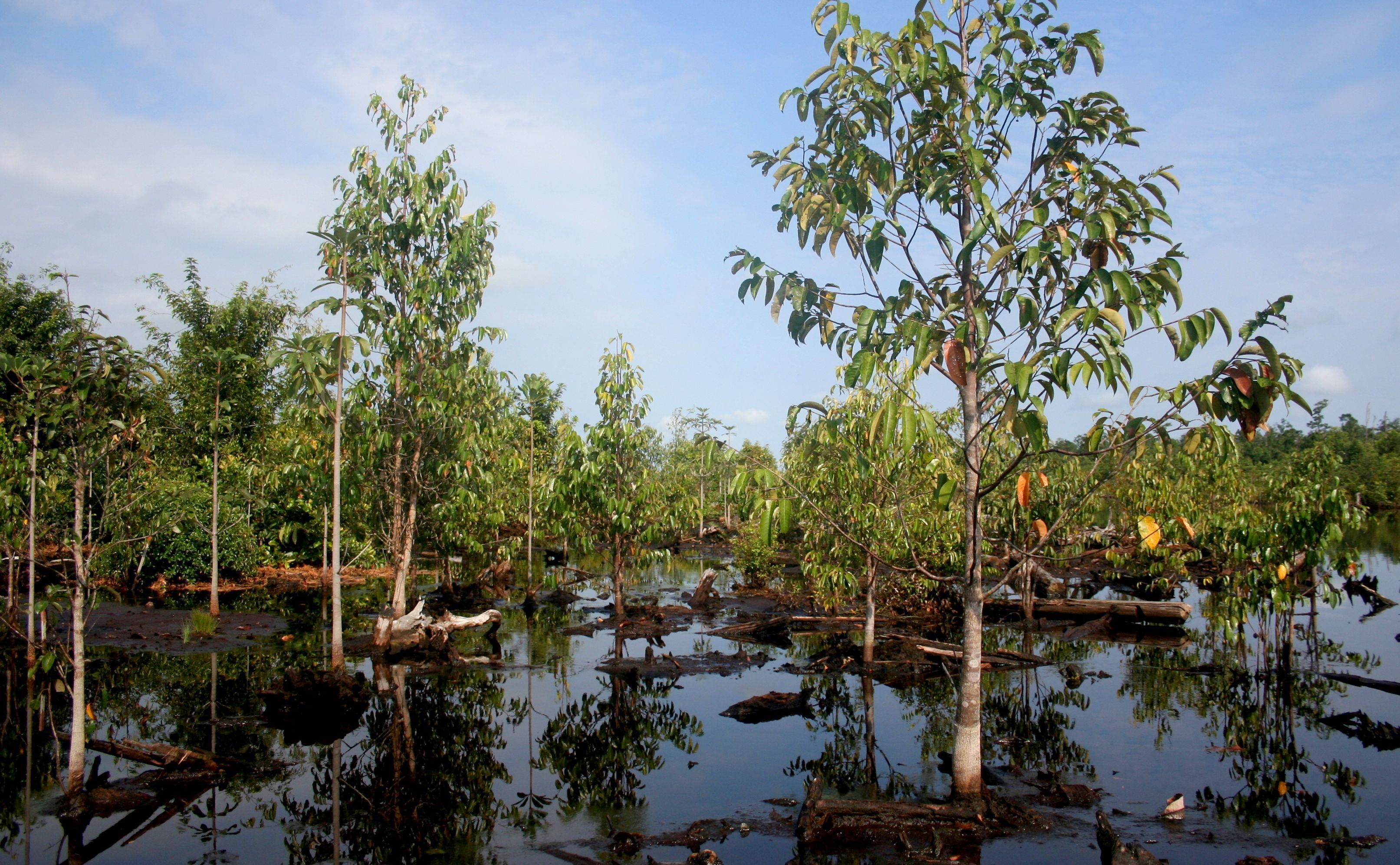
kalimantan mavas peatland
Photo Credit: Wetlands International

But the world’s peatlands are under growing threat, either deliberately drained to provide land for profitable industrial crops such as palm oil, or accidentally consumed by forest fires. So far an estimated 500,000 square kilometres have been lost.

Once drained, the dried-out plant matter oxidizes. Carbon in the ground turns to carbon dioxide in the air. Drained peatlands now make up an estimated 5 percent of global greenhouse gas emissions from human activity.

Adding the carbon from the world’s peat swamps could add to the atmosphere the equivalent of 200 years of US greenhouse gas emissions, and raise global temperatures by more than one degree Celsius.

But that could be halted, say ecologists. In Bonn, a plethora of side-events made the case for rehabilitating peatlands by blocking up drains and reflooding them. That way they could turn from carbon sources to carbon sinks, and help the world reach its target of halting warming at 1.5 degrees Celsius.
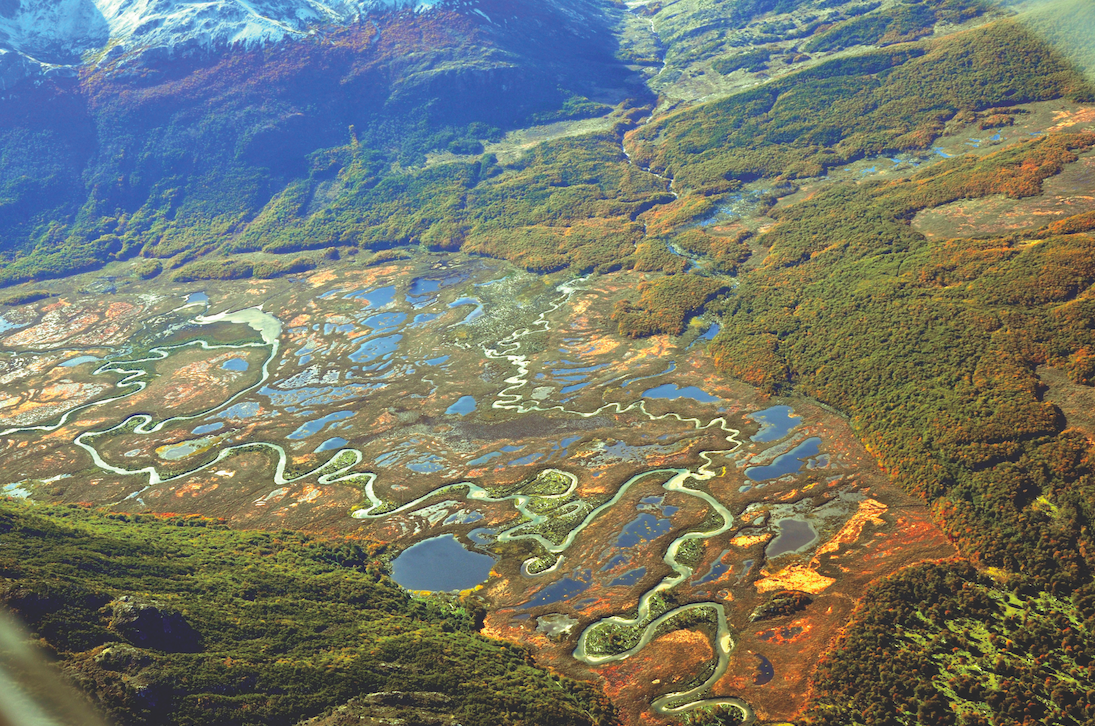
Screen Shot 2017-12-15 at 12.51.38 PM
In the photo: Tierra del Fuego Peatlands. Photo Credit: Wetlands International

The outstanding recent peatland rehabilitation project presented in Bonn is from Russia. The UN Climate Change Momentum for Change Initiative showcased the rehabilitation of peat swamps around Moscow that caught fire during a heatwave in 2010.

The fires unleashed smoke that killed thousands of Russians and filled the atmosphere with millions of tonnes of carbon dioxide. But since 2010 the global network organization Wetlands International, working with the Russian Academy of Sciences and others, has brought back some 35,000 hectares of wetland by blocking drains, and has replanted their vegetation. In the process, it has cut CO2 emissions from the peat by around 200,000 tonnes a year.

Like jungles, peat bogs have long suffered from a bad reputation – as places of disease and danger.  In recent times, jungles have got a makeover as rainforests. But bogs are still often seen as wildernesses in need of reclaiming. Hence: “drain the swamp”.
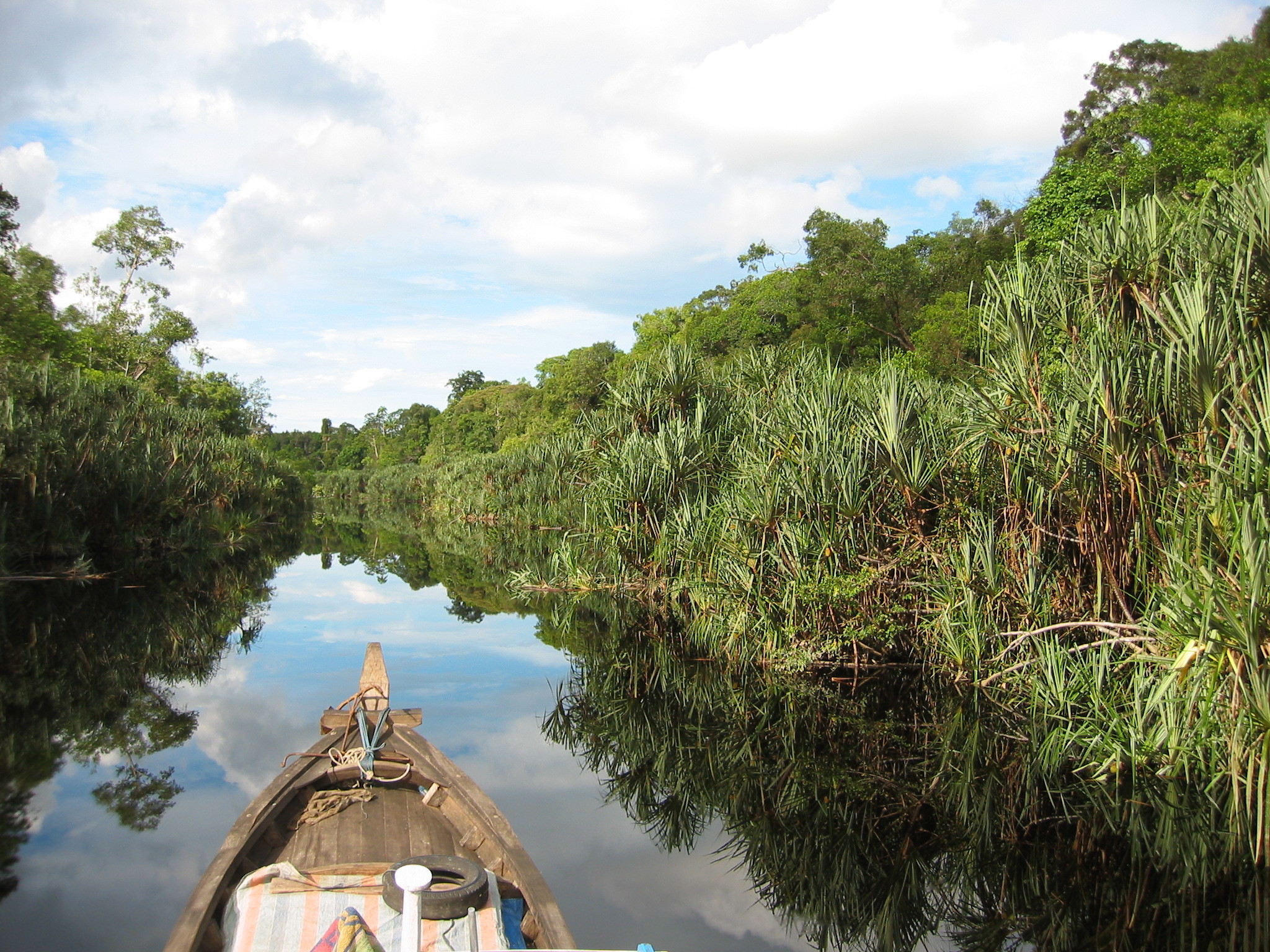
3-WG- Pristine peatswamp forest in Berbak National Park (Sumatra)
In the Photo: Pristine peat swamp forest in Berbak National Park in Sumatra. Photo Credit: Wetlands International

And while the world’s forests are mapped in great detail, the locations of the planet’s peat is only dimly known. In 2015, geographers mapped a previously unknown area of peatland the size of Belgium beneath rainforests in the Peruvian Amazon.

Early this year, they went one better – discovering the world’s largest tropical peat swamp in the Republic of the Congo. It covers an area larger than England, and may contain as much carbon as from 20 years of US emissions.  

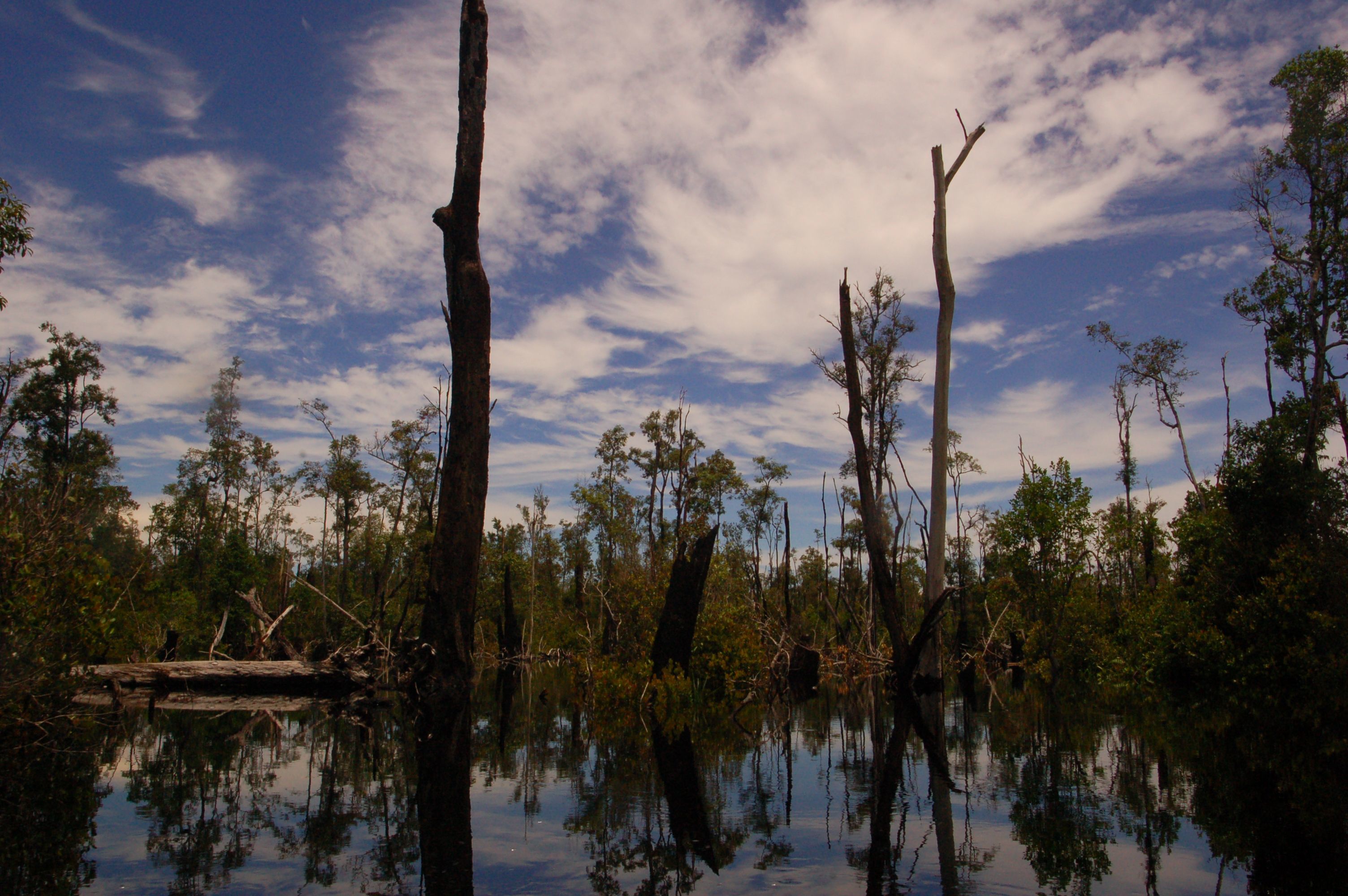
Despite these recoveries, the world’s most important – and threatened – peatland hotspot remains Indonesia. The islands of Borneo and Sumatra contain peat layers up to 15 metres deep. As the islands’ forests are being cut down, large areas of peatlands beneath them are being drained for palm oil and forestry. As a result, annual emissions from Indonesian peat oxidation are currently roughly the same as those from fossil-fuel burning in Canada.
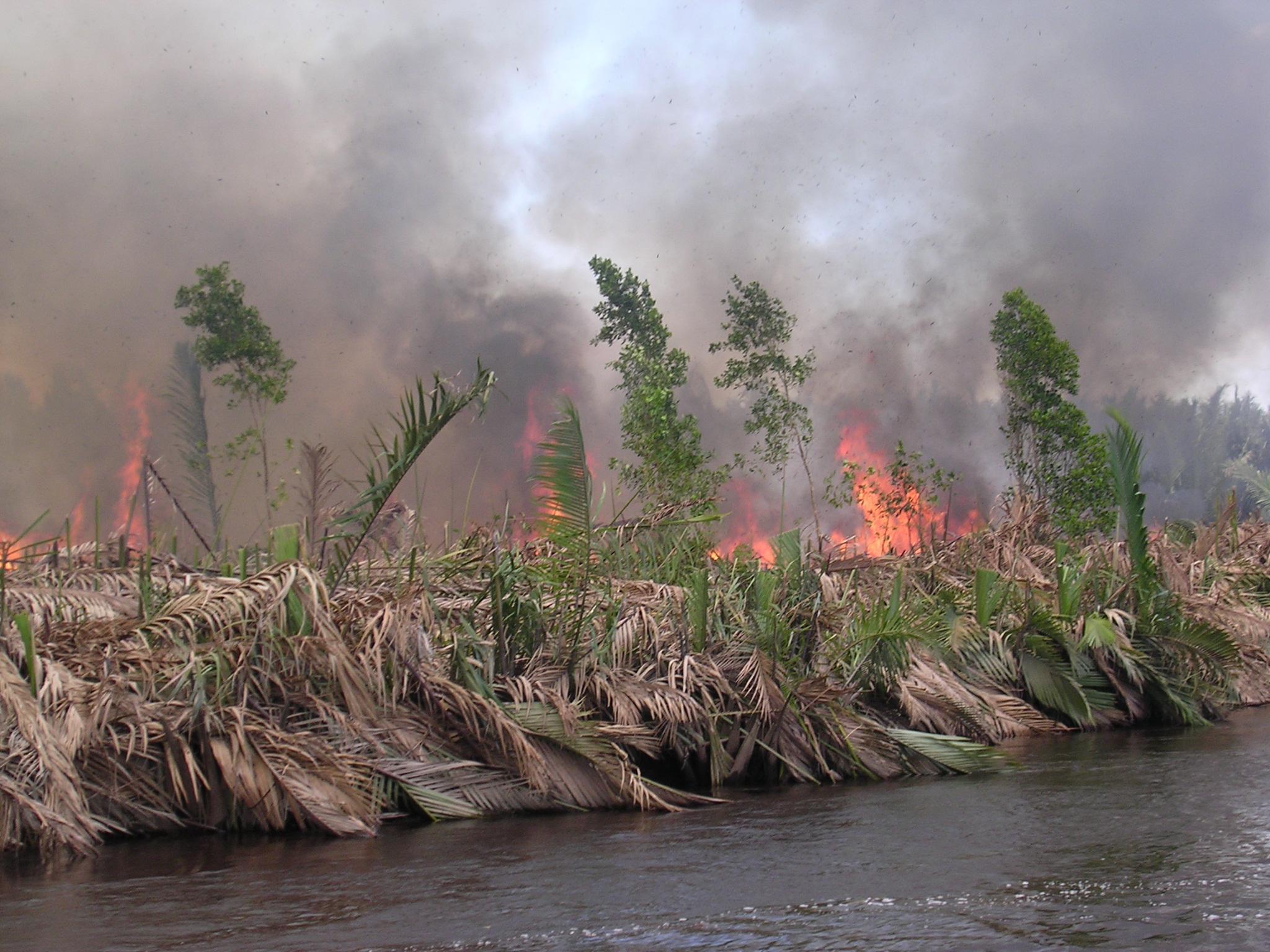
burning peatland in kalimantan, indonesia (pieter van eijk)
In the Photo: Burning Peatland in Kalimantan, Indonesia. Photo Credit: Wetlands International/ Pieter van Eijk

When peat burns, emissions are even greater. During forest fires in Indonesia in September and October 2015, the flames spread into the peat. The resulting emissions were for several weeks on a par with those of the entire US economy.


Related Article: THE KEY TO THE SDGS: CONSERVING AND RESTORING WETLANDS

The 2017 Global Land Outlook, published by UN Convention to Combat Desertification, estimated that globally some 2 billion tonnes of CO2 is entering the atmosphere annually from degraded peatlands, most of it in the tropics. That is twice as much as the emissions from global aviation. But this hemorrhaging of the world’s largest natural carbon store could be ended swiftly and cheaply.  “Climate mitigation policies for cropland should prioritize elimination of peatland drainage” the report said.

But efforts are currently being stymied by failings in the Paris agreement. Rules for counting national greenhouse-gas emissions do not currently require the inclusion of emissions from peatlands. This despite an Indonesian inventory in 2012 finding peatlands produced up to half its total emissions of greenhouse gases.
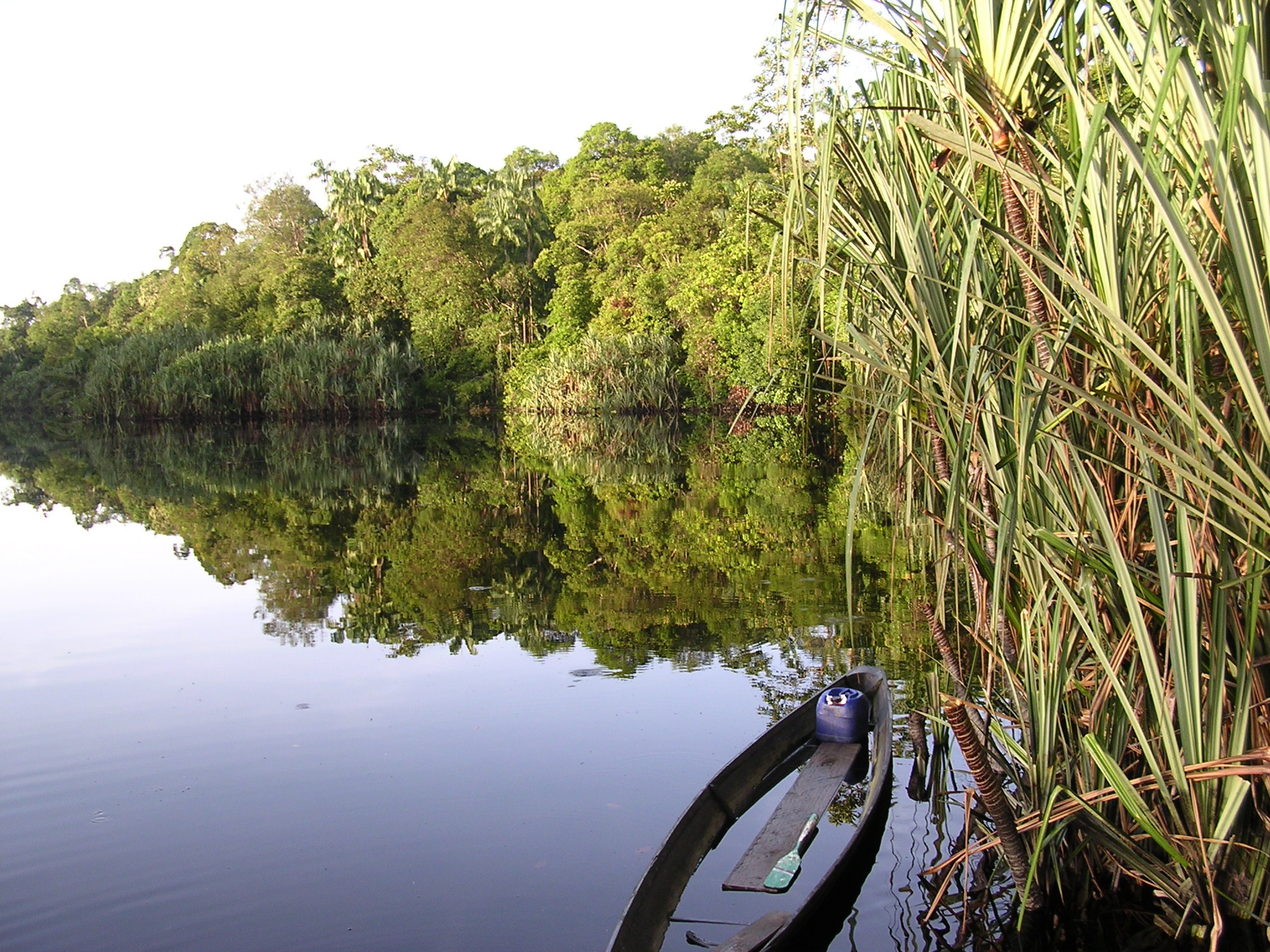
16-LVE- Pristine peatswamp forests are home to a wealth of wildlife species such as Tigers, Rhinoceroses and Orang-utans.
In the Photo: Pristine peat swamp forests are home to a wealth of wildlife species such as tigers rhinoceroses and orangutans. Photo Credit: Wetlands International

Wetlands conservationists are working to change this situation. After its work rehabilitating Russian peatlands, Wetlands International is partnering with the UN Environment Programme and other organisations in the Global Peatlands Initiative to bring forward projects in Indonesia, the Congo basin and the Peruvian Amazon.

A report by conservation scientists, including Wetlands International, concluded earlier this year that protecting peatlands could secure almost 700 million tonnes of carbon emissions annually by 2030, forming a major plank of its proposal for natural ecosystems to deliver a third of emissions cuts required under the Paris climate agreement.

Time for a new slogan: “Fill the swamp!”


Editor’s Note: The opinions expressed here by Impakter.com columnists are their own, not those of Impakter.com. — Featured Photo Credit: Marcel Silvius/Wetlands International. 

First published in December 15th, 2017. Updated 25.12.2020

Tags: AmazonBurningcarbonClimate ChangeEcosystemEnvironmentGlobal warmingIndonesiaPeatlandsRainforestSDGsSumatrasustainable development goalsSwampwaterWetlands International
Previous Post

Anti-Vac Protesters: The Roots of a Crazyness

Next Post

Christmas in Bethlehem: The COVID-19 Experience of the Holy Family Hospital

Related Posts

ESG News regarding grid tech stocks surging, Indonesia fining palm oil mining companies, Europe to delay carbon border tariff and auto industry laws, and China invests $80 billion in green tech
Business

Grid Tech Stocks Rise 30% This Year

Today’s ESG Updates Grid Tech Stocks Climb: Grid technology shares are up 30% this year, as grids are updated and...

bySarah Perras
December 9, 2025
ESG news regarding Deforestation Mandate Being Pushed; EUs Acceleration on Hydrogen and Net Zero Revolution; AT&T Will End All DEI; UK Watchdog Blocks Nike and Lacoste Ads Over Green Claims.
Business

U-Turn in Europe: Deforestation Mandate Pushed Back Again

Today’s ESG Updates EU Lawmakers Agree to Delay Deforestation Rules: The EU has delayed and simplified its Deforestation Regulation until...

byEge Can Alparslan
December 5, 2025
ESG News regarding Flooding in Indonesia; Glencore promises copper production boost; Trump proposes slashing fuel efficiency standards, and Vulcan Energy receives $2.57bn of funding for lithium project
Business

Indonesians Blame Deforestation for Recent Floodings

Today’s ESG Updates: More than 700 Lives Lost in Recent Indonesian Floods: A combination of mass deforestation and heavy rainfall...

byAriq Haidar
December 4, 2025
How a Framework Convention Could Address Climate and Socio-Economic Displacement
Politics & Foreign Affairs

How a Framework Convention Could Address Climate and Socio-Economic Displacement

The unprecedented shift in human (im)mobility has seen over 120 million forced to flee their homes due to war, violence,...

byDr. Shepherd Mutsvara - Research Fellow at the University of Münster, Germany
December 3, 2025
ESG News regarding the UK’s Updated Environmental Improvement Plan, modernizing Mauritania’s railway system, the EU carbon border tax, and the EU’s cross-border energy projects
Business

UK Unveils Updated Environmental Improvement Plan

Today’s ESG Updates UK Accelerates Nature Recovery: The government commits £500m to Landscape Recovery and targets 250,000 hectares of restored...

bySarah Perras
December 1, 2025
fossil fuel subsidies
Business

How G20 Nations Can Make Progress After the Group Stalls on Fossil Fuel Subsidy Reform

The 2025 G20 Leaders’ Summit in South Africa sent mixed signals on climate action. In this year’s Leaders’ Declaration, climate change...

byInternational Institute for Sustainable Development (IISD)
November 28, 2025
Animal Health
Biodiversity

Better Animal Health Is the Low-Risk, High-Reward Climate Investment We Need

Imagine if there was a way to reduce emissions from the meat, egg and dairy sector by nearly a quarter,...

byCarel du Marchie Sarvaas
November 26, 2025
ESG news covering the EU’s delay of deforestation rules, rising U.S. housing risks from climate impacts, IFC’s $100M clean-energy investment in emerging markets, and ABN AMRO’s appointment of a new Chief Sustainability Officer.
Business

EU Delays Deforestation Regulation Again

Today’s ESG Updates EU Delays Deforestation Law: Europe postpones the EUDR by one year and loosens compliance rules, raising concerns...

byEge Can Alparslan
November 21, 2025
Next Post
Christmas in Bethlehem: The COVID-19 Experience of the Holy Family Hospital

Christmas in Bethlehem: The COVID-19 Experience of the Holy Family Hospital

Recent News

ESG News regarding grid tech stocks surging, Indonesia fining palm oil mining companies, Europe to delay carbon border tariff and auto industry laws, and China invests $80 billion in green tech

Grid Tech Stocks Rise 30% This Year

December 9, 2025
SaaS customer acquisition platform

Why Customer Acquisition Matters for SaaS

December 8, 2025
plastic diseases

Plastic Can Now Help Spread Diseases

December 8, 2025
  • ESG News
  • Sustainable Finance
  • Business

© 2025 Impakter.com owned by Klimado GmbH

No Result
View All Result
  • Environment
    • Biodiversity
    • Climate Change
    • Circular Economy
    • Energy
  • FINANCE
    • ESG News
    • Sustainable Finance
    • Business
  • TECH
    • Start-up
    • AI & Machine Learning
    • Green Tech
  • Industry News
    • Entertainment
    • Food and Agriculture
    • Health
    • Politics & Foreign Affairs
    • Philanthropy
    • Science
    • Sport
  • Editorial Series
    • SDGs Series
    • Shape Your Future
    • Sustainable Cities
      • Copenhagen
      • San Francisco
      • Seattle
      • Sydney
  • About us
    • Company
    • Team
    • Global Leaders
    • Partners
    • Write for Impakter
    • Contact Us
    • Privacy Policy

© 2025 Impakter.com owned by Klimado GmbH