Impakter
  • Environment
    • Biodiversity
    • Climate Change
    • Circular Economy
    • Energy
  • FINANCE
    • ESG News
    • Sustainable Finance
    • Business
  • TECH
    • Start-up
    • AI & Machine Learning
    • Green Tech
  • Industry News
    • Entertainment
    • Food and Agriculture
    • Health
    • Politics & Foreign Affairs
    • Philanthropy
    • Science
    • Sport
  • Editorial Series
    • SDGs Series
    • Shape Your Future
    • Sustainable Cities
      • Copenhagen
      • San Francisco
      • Seattle
      • Sydney
  • About us
    • Company
    • Team
    • Global Leaders
    • Partners
    • Write for Impakter
    • Contact Us
    • Privacy Policy
No Result
View All Result
Impakter logo
No Result
View All Result
Peacebuilding: Is It Cost Effective?

Peacebuilding: Is It Cost Effective?

Camilla Schippa - Director of Global Strategy at the Pure FoundationbyCamilla Schippa - Director of Global Strategy at the Pure Foundation
September 28, 2017
in NGO & Charities, Philanthropy, Politics & Foreign Affairs, SDG Series, United Nations
0

April 2017 marked one year since the UN Security Council passed Resolution 2282 (2016) and General Assembly resolution 70/262. These parallel resolutions holistically recognize that development, peace and security, and human rights are interlinked and mutually reinforcing. They demonstrate an international commitment to comprehensively approach and consolidate peace, reduce poverty, and prevent countries from relapsing into conflict.

An important element to these resolutions was the introduction of the ‘Sustaining Peace’ concept, indicating a fundamental shift in the way the United Nations approaches peace and conflict. This new agenda is characterized by a focus on the prevention of the outbreak, escalation, continuation, and recurrence of conflict. Basically a paradigm shift from being reactive to proactive.

MINUSTAH Delivers Election Materials and Security Personnel

In the photo: The United Nations Stabilization Mission in Haiti (MINUSTAH) works to deliver election materials and to deploy security personnel ahead of elections scheduled for 29 January 2017.  Photo Credit: UN Photo/Logan Abassi

It is a crucial time for peacebuilding around the world. The past decade has seen an increase of global inequality in peace; while some regions have enjoyed sustained and stable levels of peace and security, many others have spiraled into a seemingly endless cycle of conflict and violence. This concerning trend is paralleled by rapidly growing numbers of displaced people coupled with very high numbers of terrorism-related deaths. As the world becomes increasingly aware of these trends, there is a widespread need for engaging policies that will maintain durable, long-term peace.


Related Article: “GLOBAL CONFLICTS: A 13.6 TRILLION DOLLAR TAB“


As the Institute for Economics & Peace (IEP) has repeatedly said, in response to these worrying trends, and as national budgets tighten — resources allocated to international development and aid are under strain — the need to understand and invest in the most cost-effective ways to build peace is more crucial than ever. With the global cost of violence reaching a staggering $13.6 trillion in 2015 while a mere $15 billion is spent on peacebuilding and peacekeeping, the world has come to a critical point where it is imperative to engage in efficient and sustainable peacebuilding initiatives.

The United Nations defines peacebuilding as broadly involving a range of measures targeted at “preventing the outbreak, escalation, recurrence or continuation of conflict”, and further recognizes that peacebuilding encompasses a range of political, developmental, and human rights programs and mechanisms. IEP researchers have built a global model of peacebuilding cost-effectiveness to understand how increased funding for peacebuilding could impact the global economy.
jametlene-reskp-255095

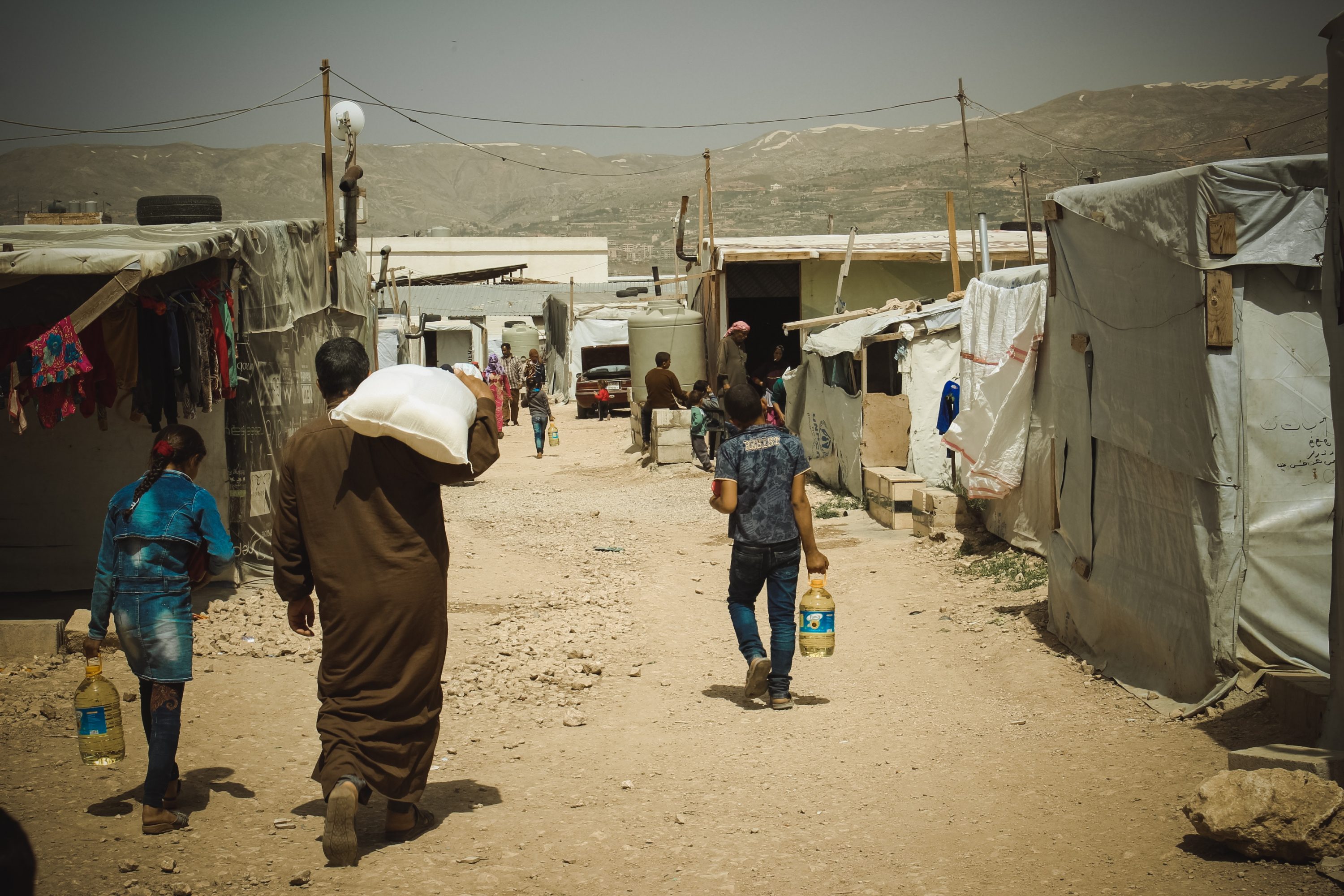
In the Photo: Beqqa Valley, Lebanon. Photo Credit: Jametlene Reskp

The analysis performed shows that increased funding for peacebuilding would be hugely beneficial — not only to peacebuilding outcomes — but in terms of the potential economic returns to the global economy.

Using 20 years of peacebuilding expenditure in Rwanda as a guide for establishing a unit cost, the IEP estimates the cost-effectiveness ratio of peacebuilding to be 1:16. This means that if countries currently in conflict increased or received higher levels of peacebuilding funding to appropriate levels estimated by this model, then for every $1 invested now, the cost of conflict would be reduced by $16 over the long run.

…the world has come to a critical point where it is imperative to engage in efficient and sustainable peacebuilding initiatives.

With sound capabilities to identify the countries most at risk of conflict such that timely programs can be put in place, and assuming only half the implemented peacebuilding interventions were successful and the predictive models were only 50 percent accurate, the return on investment would still be 4:1.

The stakes are high when it comes to the field of peacebuilding. Few other industries face similar challenges. However, when successful, the rewards are significant. As governments continue to pour substantial amounts of money into security, policymakers cannot ignore the need for preventative and cost-saving investments into peacebuilding initiatives that really work.

If $1 can be spent on prevention, how can anyone reasonably justify spending $16 on post-conflict?
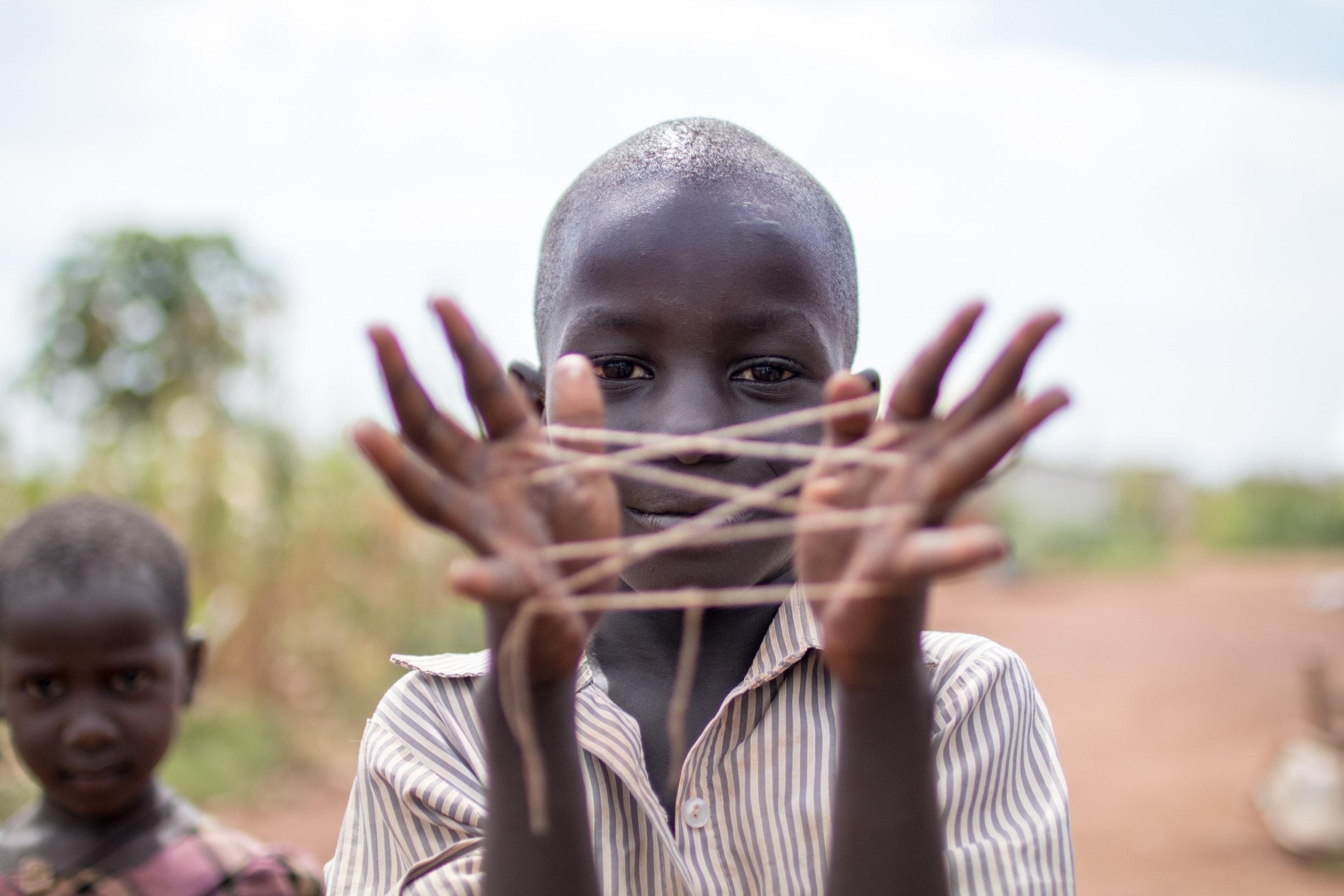
alexander-radelich-318771

Photo Credit: Alexander Radelich
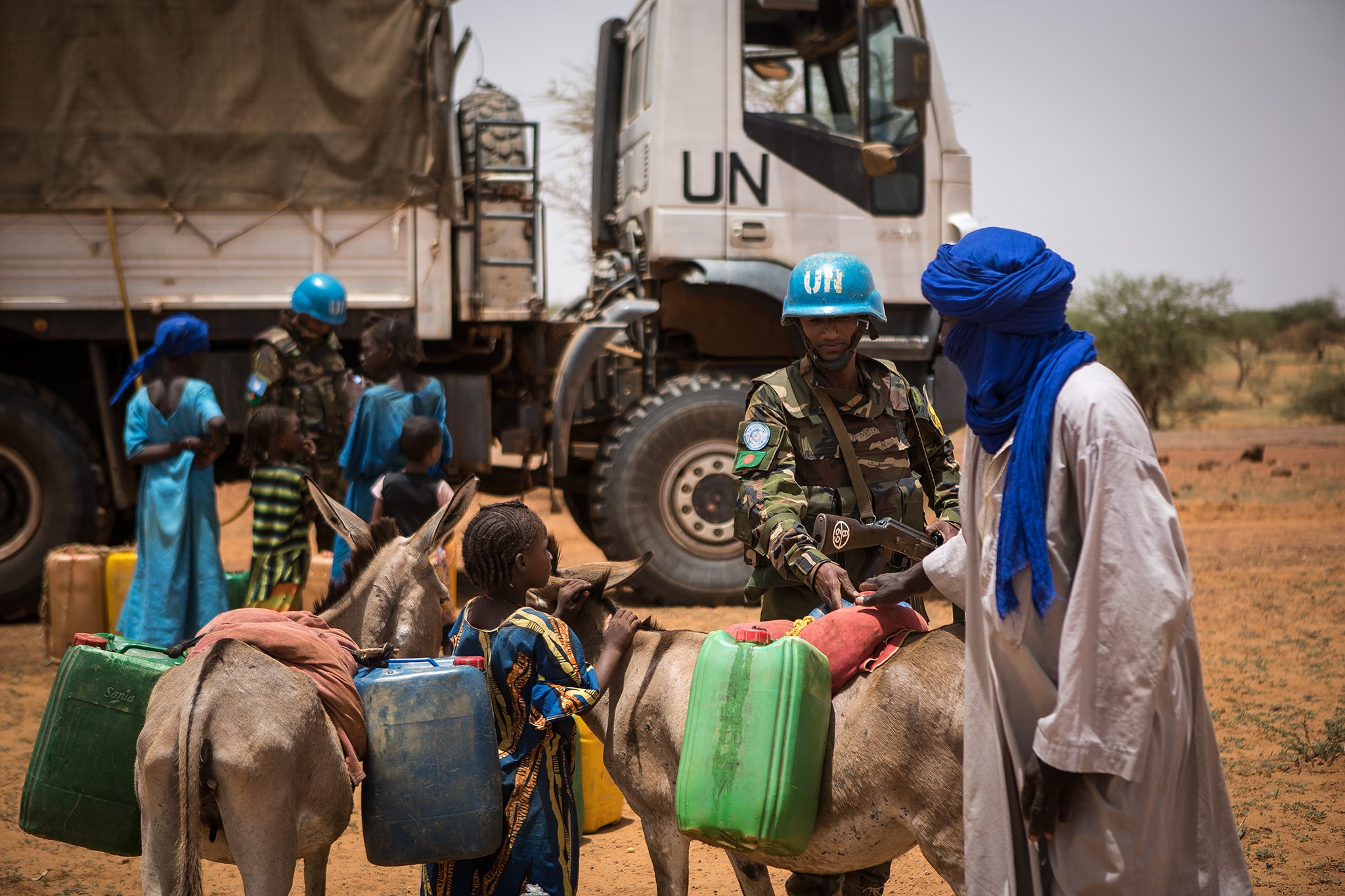
Featured Photo: Civilian-military activities carried out by the MINUSMA Force for the benefit of the population during Operation Frelena, including free medical consultations, awareness-raising and mine-risk education and unexploded ordnance Distribution of drinking water to populations. Photo Credit: UN Photo/Harandane Dicko
EDITOR’S NOTE: THE OPINIONS EXPRESSED HERE BY IMPAKTER.COM COLUMNISTS ARE THEIR OWN, NOT THOSE OF IMPAKTER.COM
Tags: Conflict ResolutionCost of ConflictEqual RightsMilitary SpendingPeacepeacebuildingSDG 16SDGssustainable development goalsUnited NationsViolence
Previous Post

Lebanon: Stories of ‘invisible’ refugees tell us why building sustainable solutions is challenging

Next Post

Indigenous Peoples: Key Trends that Affect their Development

Related Posts

How a Framework Convention Could Address Climate and Socio-Economic Displacement
Politics & Foreign Affairs

How a Framework Convention Could Address Climate and Socio-Economic Displacement

The unprecedented shift in human (im)mobility has seen over 120 million forced to flee their homes due to war, violence,...

byDr. Shepherd Mutsvara - Research Fellow at the University of Münster, Germany
December 3, 2025
COP30
Climate Change

What to Expect at COP30

Climate change negotiators will soon head to the 30th UN Climate Change Conference (COP30) in Belém, Brazil, after a year...

byInternational Institute for Sustainable Development (IISD)
October 22, 2025
No Kings protest
Society

No Kings: A Warning From the Edge of Democracy

This is not the first time in history that mankind has stepped to the edge of destruction, but it is...

byRichard Seifman - Former World Bank Senior Health Advisor and U.S. Senior Foreign Service Officer
October 21, 2025
Leading U.S. Banking Regulators Withdraw Proposed Climate Risk Rules for Banks
Business

Leading U.S. Banking Regulators Withdraw Proposed Climate Risk Rules for Banks

Today’s ESG Updates Regulators Drop Climate Risk Management Plans for Banks: U.S. regulators withdraw 2023 climate risk framework guiding major...

byEge Can Alparslan
October 17, 2025
World Restoration Flagships
Food and Agriculture

Healthy Nature for Better Food Systems: UN Awards New World Restoration Flagships

The United Nations (UN) has named four new World Restoration Flagships under the UN Decade on Ecosystem Restoration. Recognizing global efforts...

byThe Food and Agriculture Organization of the United Nations (FAO)
October 16, 2025
ESG news regarding EU delays anti-deforestation law, Nvidia invests billions in openai, EU and Indonesia finalize trade agreement, UK’s energy secretary positive about climate action
Business

EU Postpones Anti-Deforestation Law

Today’s ESG Updates EU Will Delay Anti-Deforestation Regulation: The European Union has postponed its anti-deforestation law by one year, citing...

bySarah Perras
September 23, 2025
UN General Assembly and Climate Week Kick Off in New York
Business

UN General Assembly and Climate Week Kick Off in New York

Today’s ESG Updates NYC Climate Week Hits Record Scale: Over 1,000 events and big investments expected despite policy headwinds from...

byLena McDonough
September 22, 2025
ESG news regarding EU to miss UN deadline, European Commission’s proposed Israel trade suspension, India’s declining CO2 emissions, and Suma Capital’s €210 million investment in European decarbonization
Business

EU to Miss UN Climate Deadline

Today’s ESG Updates EU Misses Key UN Climate Deadline Ahead of COP30: The European Union is likely to fail to...

bySarah Perras
September 18, 2025
Next Post
Indigenous Peoples: Key Trends that Affect their Development

Indigenous Peoples: Key Trends that Affect their Development

Recent News

ESG MIcrosoft funds Pantheon for projects aimed at providing climate solutions; Number of Nurses and Health Care workers in a decline in U.K. amid rising racism and regulation changes; Scientists capture human cells being invaded by Influenza; Red Squirrels thriving after re-introduction.

Microsoft Makes an Investment in Startup Pantheon

December 5, 2025
ESG News covering Great British Energy’s 2030 clean-power strategy, UK government investment, nationwide renewable expansion, community energy projects, offshore wind development, and job creation in the energy transition.

Great British Energy Unveils 2030 Clean Power Strategy

December 4, 2025
Crypto Portfolio Margin Access defined

What Is Crypto Portfolio Margin Access?

December 4, 2025
  • ESG News
  • Sustainable Finance
  • Business

© 2025 Impakter.com owned by Klimado GmbH

No Result
View All Result
  • Environment
    • Biodiversity
    • Climate Change
    • Circular Economy
    • Energy
  • FINANCE
    • ESG News
    • Sustainable Finance
    • Business
  • TECH
    • Start-up
    • AI & Machine Learning
    • Green Tech
  • Industry News
    • Entertainment
    • Food and Agriculture
    • Health
    • Politics & Foreign Affairs
    • Philanthropy
    • Science
    • Sport
  • Editorial Series
    • SDGs Series
    • Shape Your Future
    • Sustainable Cities
      • Copenhagen
      • San Francisco
      • Seattle
      • Sydney
  • About us
    • Company
    • Team
    • Global Leaders
    • Partners
    • Write for Impakter
    • Contact Us
    • Privacy Policy

© 2025 Impakter.com owned by Klimado GmbH