Impakter
  • Environment
    • Biodiversity
    • Climate Change
    • Circular Economy
    • Energy
  • FINANCE
    • ESG News
    • Sustainable Finance
    • Business
  • TECH
    • Start-up
    • AI & Machine Learning
    • Green Tech
  • Industry News
    • Entertainment
    • Food and Agriculture
    • Health
    • Politics & Foreign Affairs
    • Philanthropy
    • Science
    • Sport
  • Editorial Series
    • SDGs Series
    • Shape Your Future
    • Sustainable Cities
      • Copenhagen
      • San Francisco
      • Seattle
      • Sydney
  • About us
    • Company
    • Team
    • Partners
    • Write for Impakter
    • Contact Us
    • Privacy Policy
No Result
View All Result
Impakter logo
No Result
View All Result
Peacebuilding: Is It Cost Effective?

Peacebuilding: Is It Cost Effective?

Camilla Schippa - Director of Global Strategy at the Pure FoundationbyCamilla Schippa - Director of Global Strategy at the Pure Foundation
September 28, 2017
in NGO & Charities, Philanthropy, Politics & Foreign Affairs, SDG Series, United Nations
0

April 2017 marked one year since the UN Security Council passed Resolution 2282 (2016) and General Assembly resolution 70/262. These parallel resolutions holistically recognize that development, peace and security, and human rights are interlinked and mutually reinforcing. They demonstrate an international commitment to comprehensively approach and consolidate peace, reduce poverty, and prevent countries from relapsing into conflict.

An important element to these resolutions was the introduction of the ‘Sustaining Peace’ concept, indicating a fundamental shift in the way the United Nations approaches peace and conflict. This new agenda is characterized by a focus on the prevention of the outbreak, escalation, continuation, and recurrence of conflict. Basically a paradigm shift from being reactive to proactive.
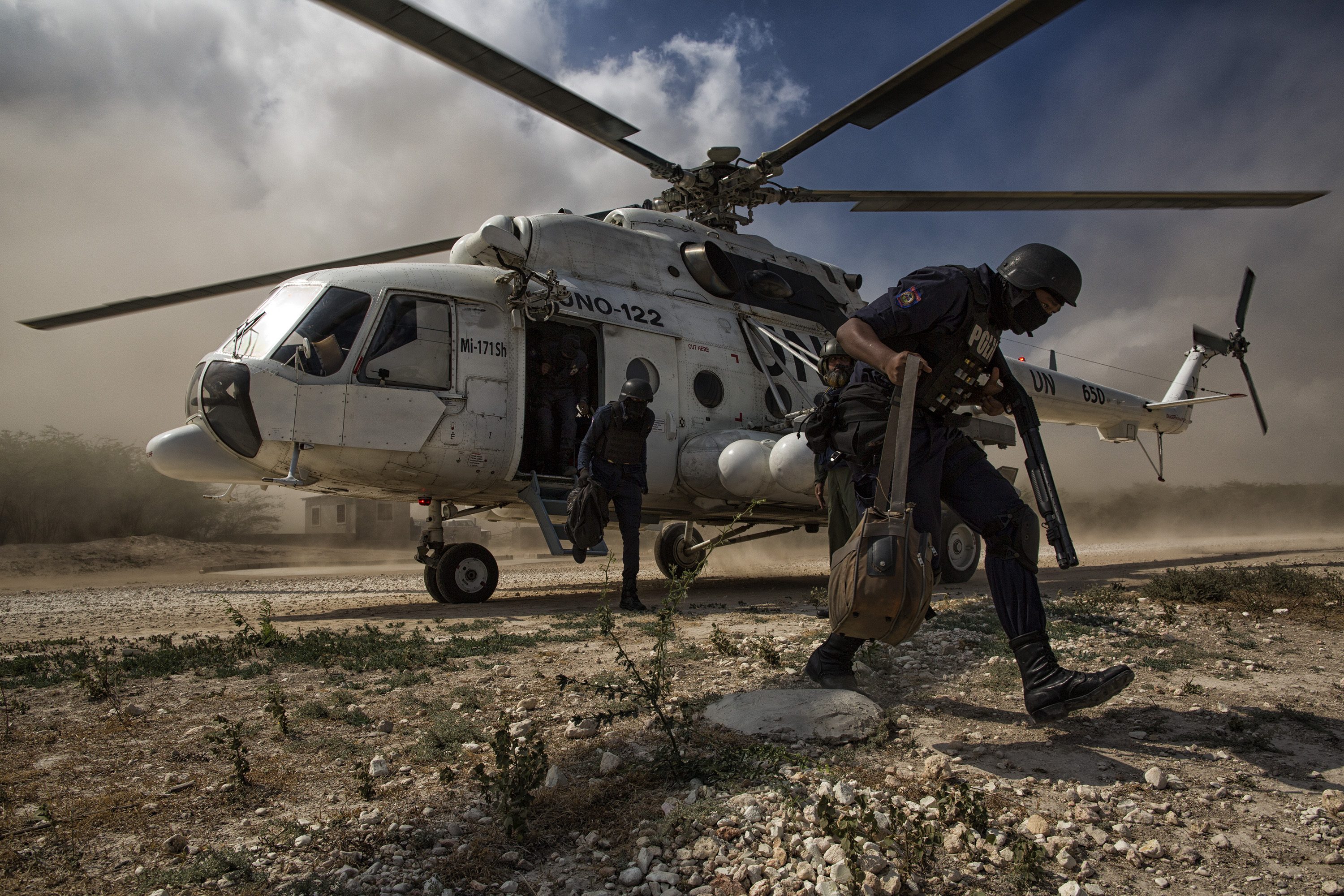
MINUSTAH Delivers Election Materials and Security Personnel

In the photo: The United Nations Stabilization Mission in Haiti (MINUSTAH) works to deliver election materials and to deploy security personnel ahead of elections scheduled for 29 January 2017.  Photo Credit: UN Photo/Logan Abassi

It is a crucial time for peacebuilding around the world. The past decade has seen an increase of global inequality in peace; while some regions have enjoyed sustained and stable levels of peace and security, many others have spiraled into a seemingly endless cycle of conflict and violence. This concerning trend is paralleled by rapidly growing numbers of displaced people coupled with very high numbers of terrorism-related deaths. As the world becomes increasingly aware of these trends, there is a widespread need for engaging policies that will maintain durable, long-term peace.


Related Article: “GLOBAL CONFLICTS: A 13.6 TRILLION DOLLAR TAB“


As the Institute for Economics & Peace (IEP) has repeatedly said, in response to these worrying trends, and as national budgets tighten — resources allocated to international development and aid are under strain — the need to understand and invest in the most cost-effective ways to build peace is more crucial than ever. With the global cost of violence reaching a staggering $13.6 trillion in 2015 while a mere $15 billion is spent on peacebuilding and peacekeeping, the world has come to a critical point where it is imperative to engage in efficient and sustainable peacebuilding initiatives.

The United Nations defines peacebuilding as broadly involving a range of measures targeted at “preventing the outbreak, escalation, recurrence or continuation of conflict”, and further recognizes that peacebuilding encompasses a range of political, developmental, and human rights programs and mechanisms. IEP researchers have built a global model of peacebuilding cost-effectiveness to understand how increased funding for peacebuilding could impact the global economy.
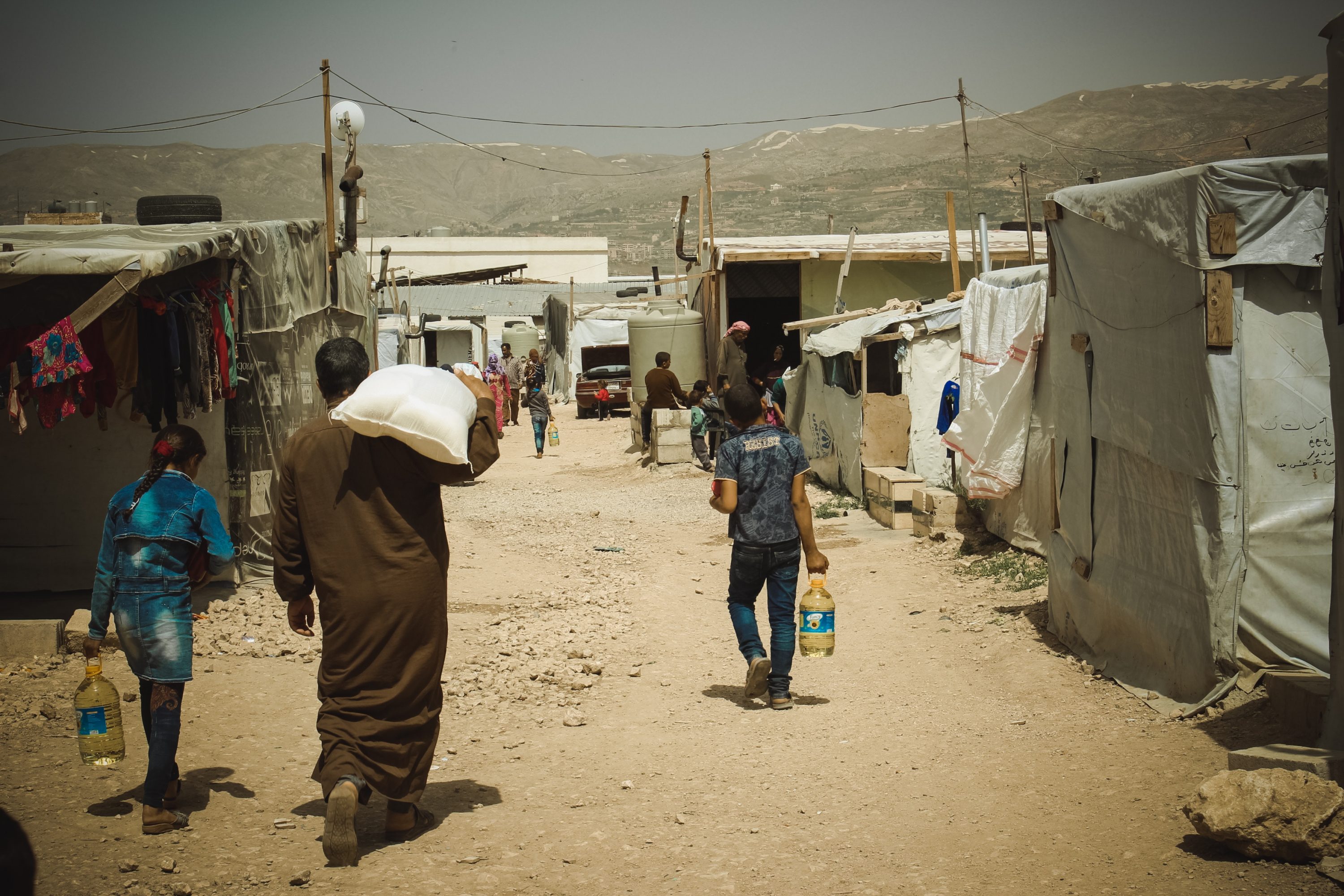
jametlene-reskp-255095

In the Photo: Beqqa Valley, Lebanon. Photo Credit: Jametlene Reskp

The analysis performed shows that increased funding for peacebuilding would be hugely beneficial — not only to peacebuilding outcomes — but in terms of the potential economic returns to the global economy.

Using 20 years of peacebuilding expenditure in Rwanda as a guide for establishing a unit cost, the IEP estimates the cost-effectiveness ratio of peacebuilding to be 1:16. This means that if countries currently in conflict increased or received higher levels of peacebuilding funding to appropriate levels estimated by this model, then for every $1 invested now, the cost of conflict would be reduced by $16 over the long run.

…the world has come to a critical point where it is imperative to engage in efficient and sustainable peacebuilding initiatives.

With sound capabilities to identify the countries most at risk of conflict such that timely programs can be put in place, and assuming only half the implemented peacebuilding interventions were successful and the predictive models were only 50 percent accurate, the return on investment would still be 4:1.

The stakes are high when it comes to the field of peacebuilding. Few other industries face similar challenges. However, when successful, the rewards are significant. As governments continue to pour substantial amounts of money into security, policymakers cannot ignore the need for preventative and cost-saving investments into peacebuilding initiatives that really work.

If $1 can be spent on prevention, how can anyone reasonably justify spending $16 on post-conflict?
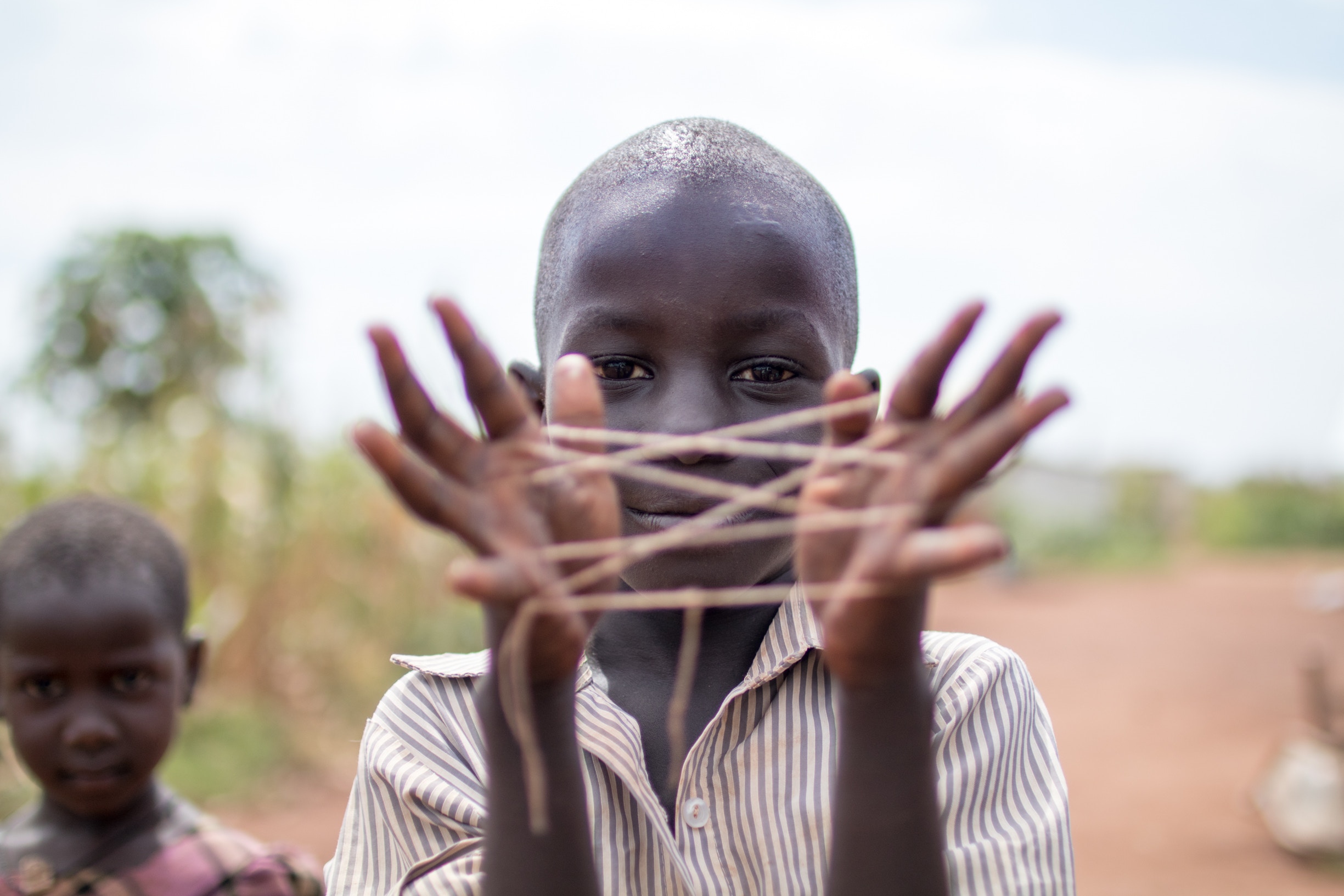
alexander-radelich-318771

Photo Credit: Alexander Radelich
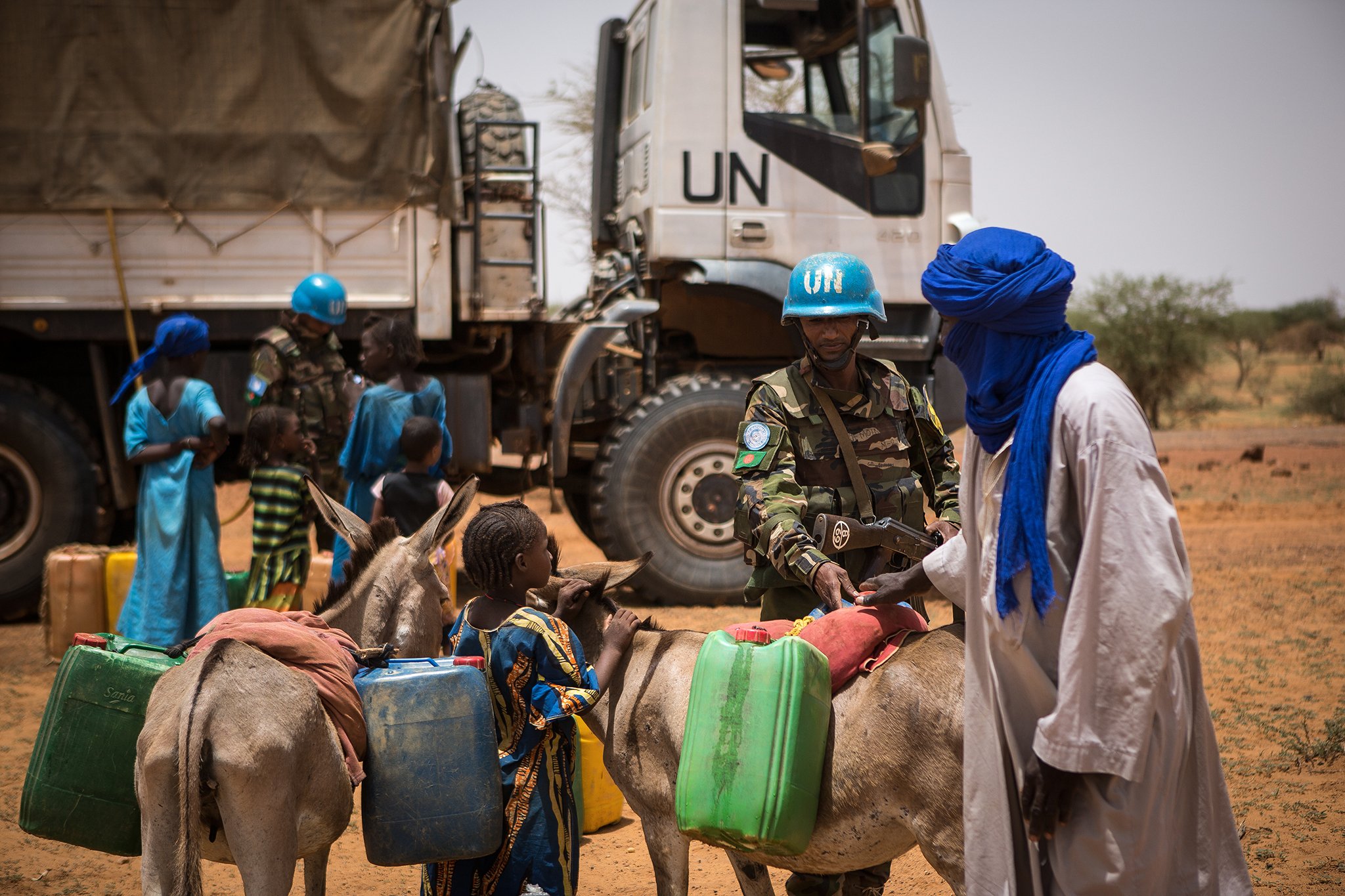
Featured Photo: Civilian-military activities carried out by the MINUSMA Force for the benefit of the population during Operation Frelena, including free medical consultations, awareness-raising and mine-risk education and unexploded ordnance Distribution of drinking water to populations. Photo Credit: UN Photo/Harandane Dicko
EDITOR’S NOTE: THE OPINIONS EXPRESSED HERE BY IMPAKTER.COM COLUMNISTS ARE THEIR OWN, NOT THOSE OF IMPAKTER.COM
Tags: Conflict ResolutionCost of ConflictEqual RightsMilitary SpendingPeacepeacebuildingSDG 16SDGssustainable development goalsUnited NationsViolence
Previous Post

Lebanon: Stories of ‘invisible’ refugees tell us why building sustainable solutions is challenging

Next Post

Indigenous Peoples: Key Trends that Affect their Development

Related Posts

The Era of ‘Global Water Bankruptcy’ Has Begun
Climate Change

The Era of ‘Global Water Bankruptcy’ Has Begun

Humanity’s long-term water usage and damage have exceeded nature's renewal and safe limits, a situation scientists and the media have...

byNmesoma Ezetu
February 4, 2026
ESG news regarding Fossil Fuel Firms to Pay for Climate Damage; India Bets on Carbon Capture & Storage; Strikes Occur in Milan Days Before the Olympics; Thousands of Transport Workers Walk off Jobs in Germany
Business

Fuel Companies May Have to Pay for Emissions Damages

Today’s ESG Updates: UN Might Make Fuel Companies Compensate for The Damages: The supporters of the treaty argue that fossil...

byFedor Sukhoi
February 3, 2026
A New ‘Golden Age’ for Global Chaos
Politics & Foreign Affairs

A New ‘Golden Age’ for Global Chaos

One year since the inauguration of his second administration on 20 January 2025, when he promised to usher in a...

byCarlos Frederico Pereira da Silva Gama - Author & Assistant Professor at the Shiv Nadar Institution of Eminence
January 28, 2026
ESG News regarding China restricting industrial renewable exports, UN warning that US climate treaty exit harms economy, UK firms lowering wage forecasts despite inflation, Meta partnering with TerraPower for new nuclear reactors.
Business

To Save the Grid, China Forces Industries to Go Off-Network

Today’s ESG Updates China Limits Grid Exports for New Industrial Solar & Wind: China is encouraging companies to store green...

byEge Can Alparslan
January 9, 2026
Impakter’s Most-Read Stories of 2025
Society

Impakter’s Most-Read Stories of 2025

In 2025, as in previous years, Impakter readers turned in large numbers to stories examining climate change and pollution, environmental...

byImpakter Editorial Board
December 31, 2025
How a Framework Convention Could Address Climate and Socio-Economic Displacement
Editors' Picks

How a Framework Convention Could Address Climate and Socio-Economic Displacement

The unprecedented shift in human (im)mobility has seen over 120 million forced to flee their homes due to war, violence,...

byDr. Shepherd Mutsvara - Research Fellow at the University of Münster, Germany
December 18, 2025
How Climate Change Could Help Foster Peace in Yemen
Climate Change

How Climate Change Could Help Foster Peace in Yemen

Yemen's tragedy is traditionally depicted through the limited perspective of humanitarian need and political divisiveness, but there is a greater...

byTareq Hassan - Executive Director of the Sustainable Development Network Canada (SDNC)
December 17, 2025
COP30
Climate Change

What to Expect at COP30

Climate change negotiators will soon head to the 30th UN Climate Change Conference (COP30) in Belém, Brazil, after a year...

byInternational Institute for Sustainable Development (IISD)
October 22, 2025
Next Post
Indigenous Peoples: Key Trends that Affect their Development

Indigenous Peoples: Key Trends that Affect their Development

Recent News

ESG News regarding Nuclear Waste Storage; Canada Replaces EV Mandate; EU and Turkey Resume Trade Modernization Talks; Startup Raises $29M for Desk-Sized Fusion Reactor

Volunteers Needed for Nuclear Waste Storage

February 6, 2026
Rare Earth Metals 101

Rare Earth Metals 101

February 6, 2026
How to Spot Greenwashing in the Publishing Industry

How to Spot Greenwashing in the Publishing Industry

February 6, 2026
  • ESG News
  • Sustainable Finance
  • Business

© 2025 Impakter.com owned by Klimado GmbH

No Result
View All Result
  • Environment
    • Biodiversity
    • Climate Change
    • Circular Economy
    • Energy
  • FINANCE
    • ESG News
    • Sustainable Finance
    • Business
  • TECH
    • Start-up
    • AI & Machine Learning
    • Green Tech
  • Industry News
    • Entertainment
    • Food and Agriculture
    • Health
    • Politics & Foreign Affairs
    • Philanthropy
    • Science
    • Sport
  • Editorial Series
    • SDGs Series
    • Shape Your Future
    • Sustainable Cities
      • Copenhagen
      • San Francisco
      • Seattle
      • Sydney
  • About us
    • Company
    • Team
    • Partners
    • Write for Impakter
    • Contact Us
    • Privacy Policy

© 2025 Impakter.com owned by Klimado GmbH