Today’s ESG Updates
- Australia’s Highest Court Rejects Coal Mine Extension Over Climate Impact: The judges backed a community group’s challenge to the Mount Pleasant extension, saying the state planning body should have weighed ways to curb the mine’s emissions, nearly all of which occur abroad when its coal is burned.
- Spanish Town Loses Safe Tap Water After Rain Sends Wildfire Ash Into Reservoir: Downpours have flushed ash left by a large summer blaze into rivers and the backup reservoir for Casavieja, in Ávila province, and residents are now getting water from trucks and handouts.
- Pacific Resilience Facility Gets $15 Million More, With $500 Million Target Still Distant: New donations from Fiji, Ireland, the Netherlands and Denmark have pushed the island-owned fund to a little below $200 million, while its goal is $500 million by the time COP31 wraps up.
- UK Watchdog Questions Whether Meta Tested Instagram Instants for Risks: Ofcom is examining whether Meta properly weighed the dangers of illegal content and child access before launching the disappearing-photo feature, under UK online safety law.
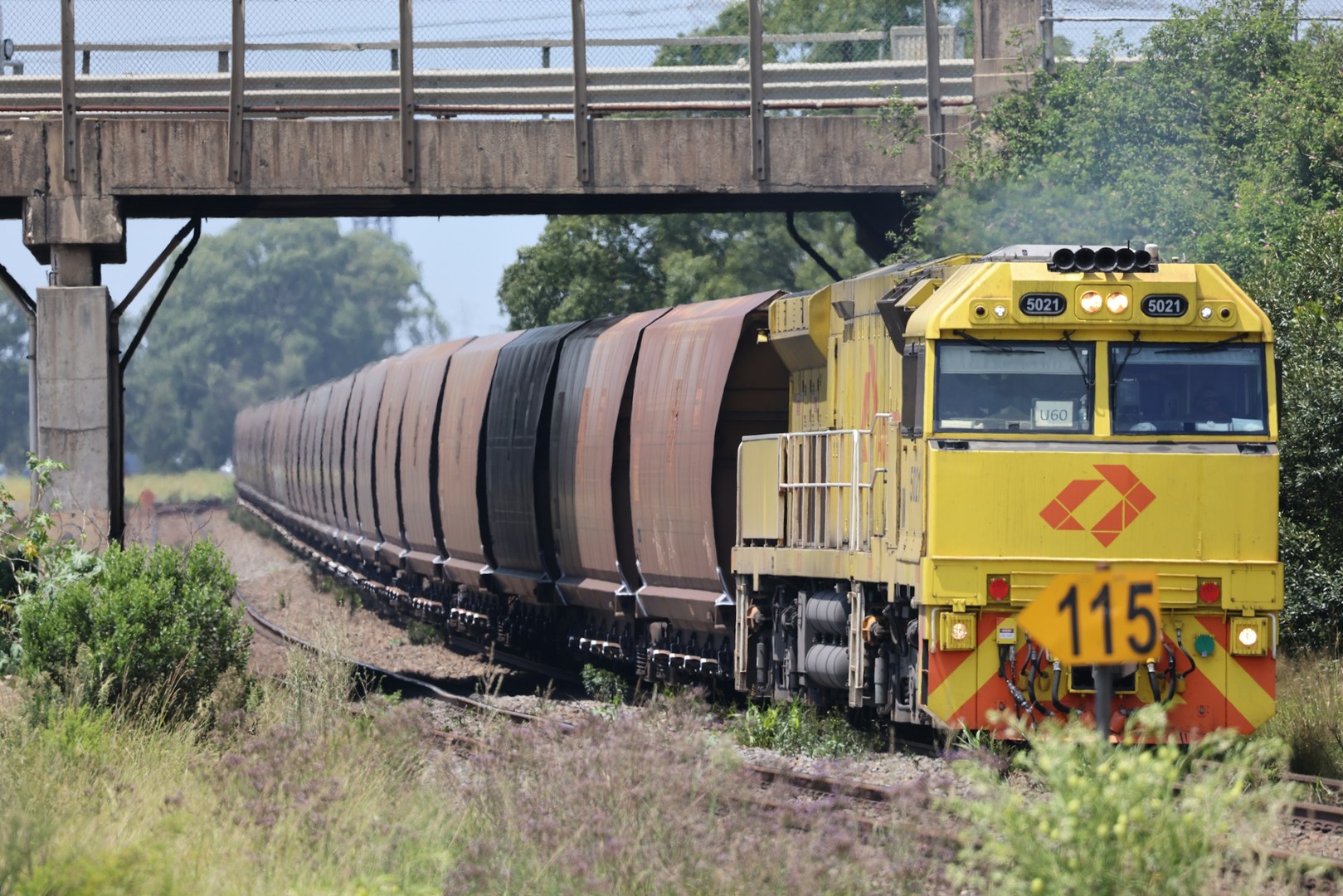
Australia’s highest court rejects coal mine extension over climate impact
Australia’s High Court has sided with a community group over the extension of a coal mine in New South Wales, in the first climate case to reach the country’s top court. MACH Energy wanted to keep its Mount Pleasant mine running until 2048 and double output, which would have meant extracting a further 406 million tons of coal. The mine is currently due to close in December.
The judges found that the state’s planning commission had not properly considered whether conditions should be set to limit the project’s climate footprint. About 98% of the mine’s emissions are scope 3, released overseas when the coal is burned, and the commission looked only at the remaining 2%. Australian rules requiring large projects to cut their direct emissions don’t cover fuel burned abroad.
Reactions were split. Wendy Wales, president of the community group, said Australia can’t export coal and then act as if the consequences are not its concern. Industry bodies warned of uncertainty for gas projects and a negative signal to investors, while MACH Energy said it was disappointed.
Klimado – Navigating climate complexity just got easier. Klimado offers a user-friendly platform for tracking local and global environmental shifts, making it an essential tool for climate-aware individuals and organizations.
Spanish town loses safe tap water after rain sends wildfire ash into reservoir

Residents of Casavieja, a town in Spain’s Ávila province, are relying on emergency water after heavy rain washed ash from a nearby wildfire into local streams. The Tiétar River now runs black through the area.
People have been queuing at fountains and tanker trucks to fill containers, while the authorities hand out bottled water. Mayor Vanessa Muñoz said the rain also swept away bridges and pushed runoff into a reservoir that was meant to be the town’s backup supply.
The ash comes from the Burgohondo fire, one of Spain’s largest this year. It burned 33,943 hectares, more than 15% of all land lost to wildfires in the country, according to the Environment Ministry.
The problem reaches beyond Casavieja. In nearby Piedralaves, officials have declared tap water unfit to drink while utility Aqualia works to restore supplies. The mayor of El Barraco warned that ash and sediment could eventually reach El Burguillo, a reservoir that supplies drinking water to several communities.
Santiago M. Barajas of Ecologistas en Acción said the damage from fires doesn’t end once they are put out. Without vegetation, he explained, soil absorbs little rain, so water runs off quickly and carries mud with it.
Related Articles
Here is a list of articles selected by our Editorial Board that have gained significant interest from the public:
Pacific Resilience Facility gets $15 million more, with $500 million target still distant

Fiji, Ireland, the Netherlands and Denmark have pledged around $15 million to the Pacific Resilience Facility (PRF), a fund that pays for climate adaptation projects across Pacific islands. The announcement came at the pre-COP meeting in Fiji. It lifts the fund to just under $200 million.
The PRF is owned by island governments and wants to reach $500 million once COP31 ends in November. Its longer-term goal is $1.5 billion. About half of the current total comes from Pacific governments, New Zealand and Australia.
Island nations say they face growing threats from rising seas and extreme weather but struggle to get money from global climate funds. Cook Islands Prime Minister Mark Brown urged delegates to invest, saying it buys the region time.
The fund invests its capital and spends the earnings on small grants. It has paid for 14 projects so far, including restoring a taro patch in Palau and an old aquifer in the Federated States of Micronesia. CEO Finau Soqo hopes to bring in private investors and eventually issue bonds. Fiji’s climate minister, Lynda Tabuya, said she is optimistic the target can still be met.

UK watchdog questions whether Meta tested Instagram Instants for risks

Ofcom is examining whether Meta did enough homework before rolling out Instants, a new Instagram tool for sharing photos that vanish once opened. The regulator wants to know if the company properly weighed the chance of illegal material appearing on it, and of children gaining access.
UK law obliges platforms to run such assessments ahead of major product changes. Where a company falls short, Ofcom can respond with anything from a warning to a penalty worth a tenth of annual global revenue.
George Lusty, Ofcom’s enforcement director, said the case shows the regulator will step in when companies skip this step. Meta says it analysed the risks and met Ofcom several times beforehand, and that Instants limits forwarding and carries its standard protections for teen users. It added that it will cooperate.
The Molly Rose Foundation called for Meta to be held accountable. Relations are strained elsewhere too: Ofcom is looking at whether Meta ignored a request for WhatsApp information, while Meta is taking the regulator to court over its fees and over the extra obligations attached to Instagram’s and WhatsApp’s classification.
Editor’s Note: The opinions expressed here by the authors are their own, not those of impakter.com — Cover Photo Credit: Michael SKOPAL