Today’s ESG Updates
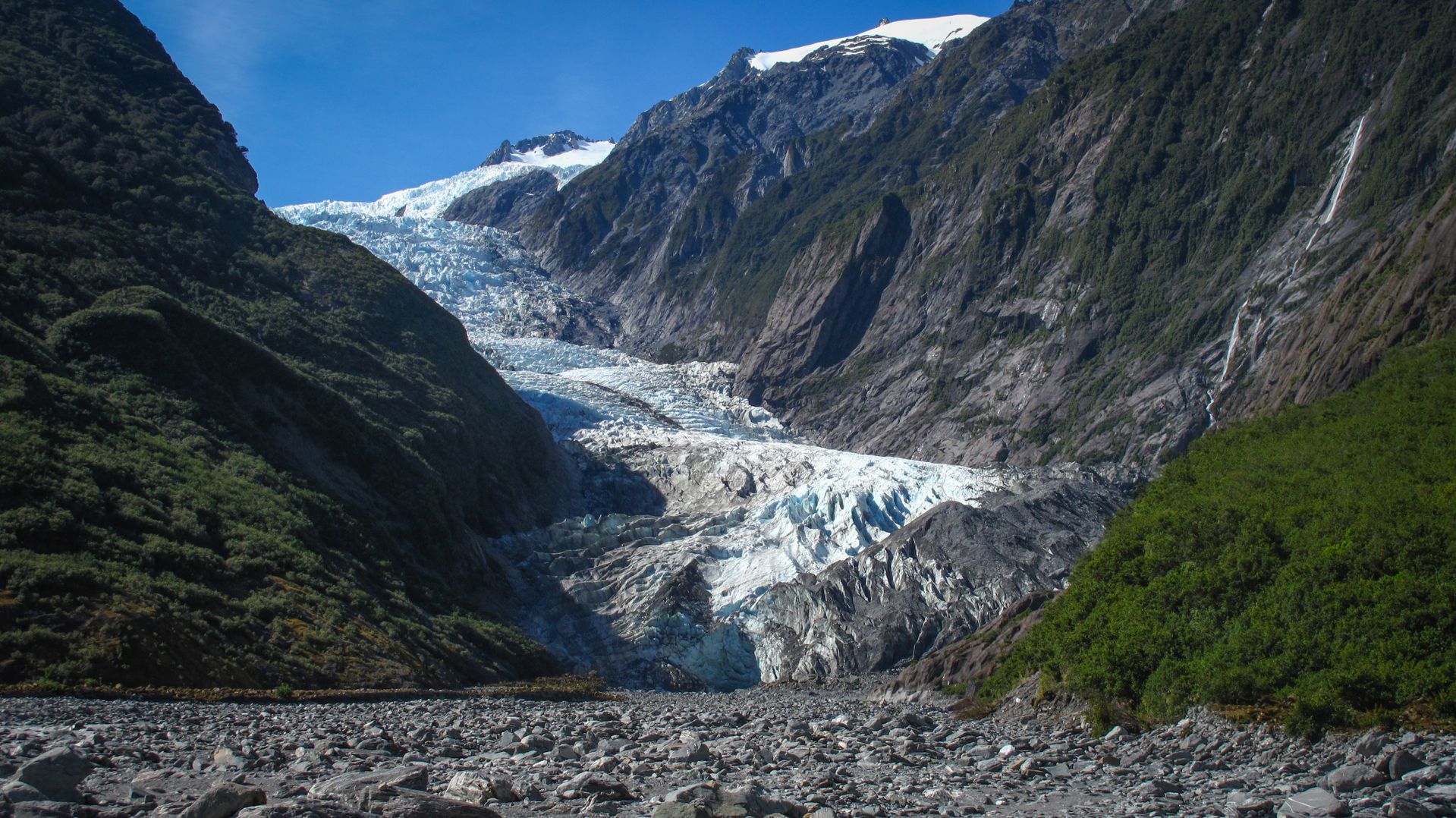
- New Zealand Report Finds Record Gas Levels and Glacier Decline: Glacier volume fell from 56 to 30 cubic kilometers between 1997 and 2023, and heatwaves are very likely to grow longer and more intense.
- Seoul Unveils $747 Billion K-GX Green Transformation Plan: The strategy sets a 100 GW renewables goal for 2030 and puts heavy industry on a faster path to lower emissions.
- Australia Prepares for Hazardous Summer as Super El Niño Builds: Albanese told a pre-Cop summit in Fiji that floods, cyclones and extreme heat are likely, while Tuvalu urged faster access to climate funding.
- Singapore Green Power Imports Lag Far Behind 2035 Target: Wood Mackenzie says none of the 9.25 GW of approved import projects has reached financial close, and Malaysia offers the only credible route this decade.
New Zealand climate report flags heatwave risks
According to the Our Atmosphere and Climate 2026 report, New Zealand faces harsher heatwaves and major glacier loss as greenhouse gas concentrations reach record levels.
The country has warmed by 1.36 C since 1909, and seven of its ten hottest years occurred in the past decade. Carbon dioxide has climbed 30% since 1972, while methane hit a record high in 2025. Glacier volume dropped from 56 to 30 cubic kilometers between 1997 and 2023.
Projections suggest losses of up to 100% by 2100 under high emissions. Oceans around the country warm 34% faster than the global average, a trend linked to kelp die-offs, bleached sponges and penguin deaths. Chief science adviser Dr. Alison Collins called climate change a human and economic story, not only an environmental one.
Klimado – Navigating climate complexity just got easier. Klimado offers a user-friendly platform for tracking local and global environmental shifts, making it an essential tool for climate-aware individuals and organizations.
South Korea energy transition plan targets $747 billion investment
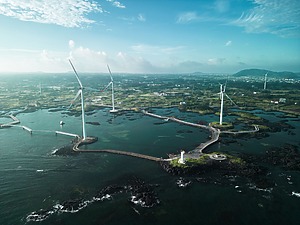
South Korea has launched a 1,000 trillion won ($747 billion) strategy to overhaul its energy system and cut emissions by 2035. The K-GX, or Korea-Green Transformation, plan includes 200 trillion won in fiscal spending and over 790 trillion won in climate finance, alongside a separate 220 trillion won in private investment, Finance Minister Lee Hyoung-il said.
The government wants 100 gigawatts of renewable capacity by 2030 and aims for electric and hydrogen vehicles to make up more than 70% of new sales by 2035. Steel, petrochemicals, refining, cement and semiconductors face faster decarbonisation.
Seoul also aims to be first to mass-produce hydrogen-reduced steel and to commercialise tandem solar cells by 2028. President Lee Jae Myung urged the nation to become an architect and leader of the green market. SK Group Chairman Chey Tae-won said the plan shows the government’s commitment to share investment risks with industry.
Related Articles
Here is a list of articles selected by our Editorial Board that have gained significant interest from the public:
Albanese warns of hazardous Australian summer at Pacific summit
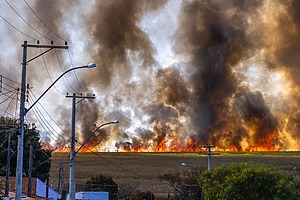
Prime Minister Anthony Albanese has warned that Australia likely faces a hazardous summer of floods, cyclones and extreme heat, as a forecast “super El Niño” brews in the Pacific.
He spoke at a preparatory climate summit in Fiji, held ahead of COP31 in Antalya, Turkey, next month. Albanese said sea levels in the western Pacific rise at more than twice the global average. Leaders had earlier visited Tuvalu, home to about 10,000 people, mostly living on land less than 2 meters above sea level.
Tuvalu’s prime minister, Feleti Teo, said island states should not have to borrow their way out of a crisis they did little to cause. Fiji’s prime minister, Sitiveni Rabuka, said the world is near a breach of the 1.5 C goal. Tuvalu’s climate director projected annual flood and storm damage costs of US$63 million by 2100.

Singapore set to miss 2035 green power import goal
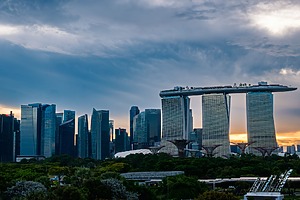
A consultancy firm, Wood Mackenzie, has reported that Singapore is set to fall short of its 2035 goal to import 6 gigawatts of low-carbon electricity. The city-state has approved 9.25 GW of import capacity across six corridors. Yet none of the projects has reached financial close or started construction.
Natural gas supplies up to 95% of its power, and green imports will likely make up only 2% of generation by 2035. Malaysia offers the only credible route this decade, through a current interconnector of up to 1 GW. Indonesia holds 37% of the approved pipeline, but export permit rules and local-content requirements have stalled progress.
Vietnam, Cambodia and Australia hold 43% of the pipeline, though all remain at conditional approval. Barriers include project bankability, transmission funding, and no way for buyers to claim the carbon value of imported power.
Editor’s Note: The opinions expressed here by the authors are their own, not those of impakter.com — Cover Photo Credit: Francesco Ungaro