Whenever I visit my grandparents, my Brazilian grandfather is constantly making me eat. He fills my plate (and my stomach) with yucca, homemade pizzas, freshly made salads, and my personal favorite, pão de queijo, or Brazilian cheese bread. I can’t walk out the door without a case of coconut water or a couple of puzzles they had recently finished. His constant desire to give reflects a culture of giving in Brazil.
“In general, our Latin American and Caribbean populations are very generous. We have a culture of solidarity within families, communities, churches, clubs, neighborhood associations, and samba schools,” said João Paulo Vergueiro, Director for Latin America and the Caribbean at Giving Tuesday.
This giving culture is reflected in Brazil’s growing philanthropy sector. According to research by the Institute for the Development of Social Investment (IDIS), philanthropic donations in Brazil reached R$24.3 billion ($4.5 billion) in 2024, with individual donations increasing from R$300 to R$480 over a two-year period. The World Giving Report 2025 ranked Brazil 48th out of 101 countries, finding that overall, poorer countries tend to donate more than wealthy ones. On average, Brazilians donate 0.93% of their total income to environmental and social causes.
Founded in 1999, the IDIS was built around the mission to “inspire, support and promote strategic philanthropy and its impact.” Through research, education, and project development, the IDIS has strengthened strategic philanthropy across Brazil.
Brazil’s government passed Law No. 13,800 in January 2019. The first of its kind, the law strengthened transparency around philanthropic endowments. The new regulations aimed to allocate funds for the environment, education, science, and health in a more stable manner, using them the right way.
Before Law 13,800, there were no rules around the allocation of funds. Endowments were mismanaged and spent on unrelated activities, in turn causing the public to lose faith in the philanthropic system. The law focused on regaining public trust through stricter regulations and also included tax breaks on donations.
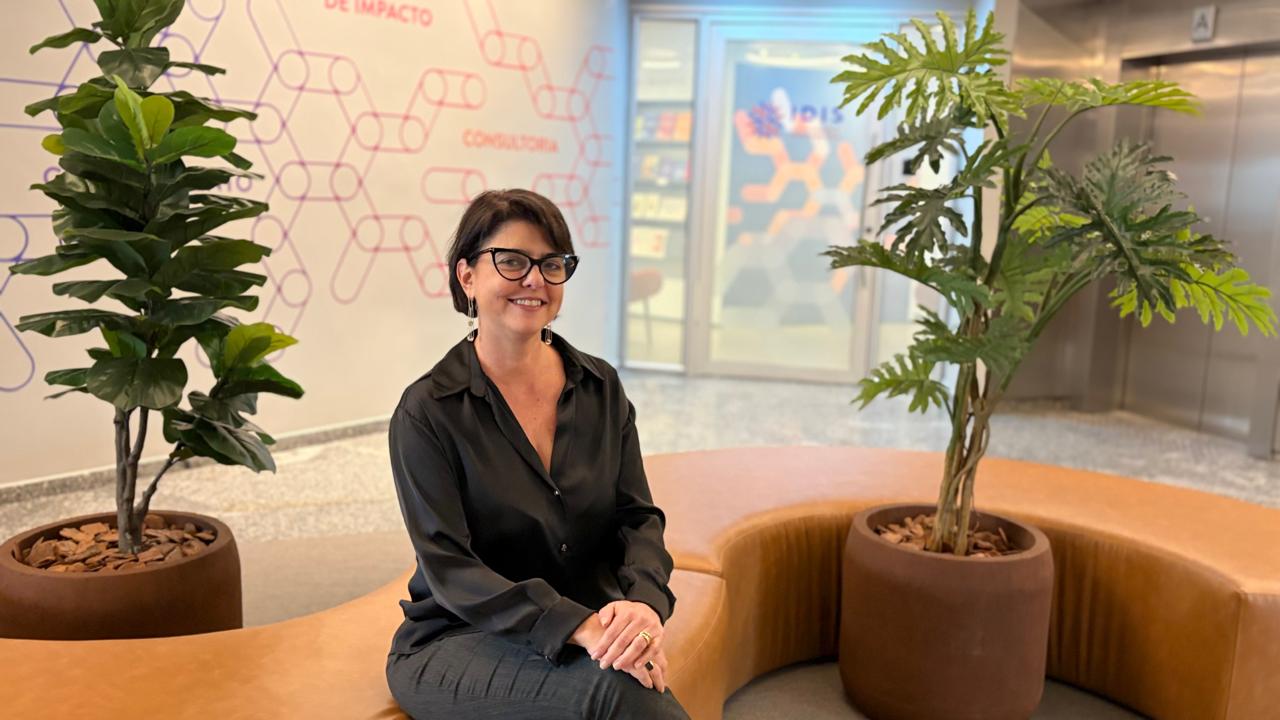
Paula Fabiani, CEO of IDIS and a leading voice in Brazil’s philanthropy sector, played a large role in the introduction of this law. Fabiani has centered her life around giving; recently, she was named in the TIME100 Philanthropy 2026 list for her work.
Impakter had the opportunity to interview Paula Fabiani. She spoke on her recent achievement and Brazil’s philanthropic future.
First, congratulations on being named in the TIME100 Philanthropy list. What drew you to play such an important role in philanthropy?
Paula Fabiani: I started my career in the financial sector, making capital from capital. However, over time I felt increasingly drawn to contribute more directly to social and environmental transformation, to use capital to create positive change in society.
When I moved into the non-profit sector, I realized the potential of philanthropy to support civil society, respond to complex challenges, strengthen communities, and create space for innovation and long-term transformation. Philanthropy became a focus. Using capital for social and environmental impact became a “mantra.”
My own trajectory has followed the development of Brazilian philanthropy, with stronger organizations, more data and new ways of mobilizing resources for the public good. My work was always focused on contributing to this ecosystem, and I see the TIME100 recognition also as a reflection of how much the sector itself has evolved and gained relevance in Brazil.
Do you think this achievement has impacted global perceptions of philanthropy in Brazil?
Paula Fabiani: I do feel that global perceptions are changing — not because of this recognition alone, but as part of a broader movement. Brazil is increasingly seen not only through its social and environmental challenges, but also as a source of knowledge, innovation and solutions in areas such as community philanthropy, technology, impact assessment, endowments and innovative finance. I hope this amplifies Brazilian and Latin American voices and contributions internationally.
The IDIS often mentions Brazil’s giving culture. Could you provide more insight into this culture and how it translates into your philanthropic work?
Paula Fabiani: Countries with strong giving cultures, where donation is a habit within the general population and where the role of the Civil Society Organizations is understood, are countries with stronger philanthropic practices where wealthy individuals and companies are also expected to act.
In 2015, IDIS rolled out the first edition of the Brazil Giving Research, a pioneer research in the country focused on individual giving. Over time, we’ve seen a positive shift in the behavior of donors, who are becoming more rational, demanding transparency and impact evidence. However, people do not talk about their giving, a barrier to the development of a stronger culture of giving.
There is room for doubling giving in Brazil and Latin America. While the research provides valuable data for organizations to develop their fundraising strategies, we also identify that philanthropists should contribute to a more prosperous environment for strengthening the giving culture.
Since the introduction of Law No. 13,800/2019, active endowments have grown from 60 to 128. Transparency aside, what other obstacles damage public trust and limit philanthropic giving in Brazil?
Paula Fabiani: The growth of endowments is an important sign of the maturation of philanthropy in Brazil. These structures can provide greater long-term stability while encouraging more robust governance and planning. Their wider adoption, however, is still constrained by regulatory complexity, limited incentives, and relatively low familiarity with the model.
Public confidence depends on more than transparency alone. Governance, accountability, institutional capacity, and communication are equally important. According to the Brazil Giving Research, only 30% of Brazilians say they believe most NGOs are trustworthy, while 49% of donors have already stopped contributing because of negative news. The country also has limited incentives for unrestricted individual donations, considerable bureaucracy, and a culture in which people remain reluctant to speak openly about their contributions.
Expanding philanthropy therefore requires more capable institutions, an enabling regulatory environment, responsible communication, and broader public understanding of the role played by civil society.
You once said, “The climate crisis is an unavoidable issue for philanthropy and requires integration across work in multiple causes.” How will the climate crisis impact philanthropic decision-making in the years ahead?
Paula Fabiani: I believe climate considerations will increasingly become a cross-cutting criterion for philanthropic decision-making rather than simply another area of funding. Extreme heat, floods and droughts already affect education, health, food security, livelihoods and the capacity of civil society organizations to operate. Every funder will need to understand how climate change influences the people, institutions and initiatives they seek to support.
Related Articles
Here is a list of articles selected by our Editorial Board that have gained significant interest from the public:
We also need to move from reaction to prevention, directing more resources toward adaptation, resilience, preparedness, and locally rooted organizations before disasters occur. Philanthropy cannot finance the climate transition alone, but it can play a catalytic role by assuming risks, testing solutions and generating evidence that can later mobilize larger pools of public and private capital.
What challenges do South and Central America as a whole face when it comes to philanthropy? What opportunities do you see for regional collaborations, and what’s currently holding that back?
Paula Fabiani: Across Latin America, we share high levels of inequality and significant concentrations of private wealth, yet the infrastructure needed to channel more of those resources toward strategic philanthropy remains uneven. Regulatory frameworks differ considerably, cross-border donations can be difficult, available information is fragmented, and the region still needs more capable intermediaries and collaborative funding mechanisms.
The opportunity lies in building a more connected regional philanthropic ecosystem, supported by better data, regional funds, more effective networks, greater peer exchange, and simpler mechanisms for joint action. Latin America is already generating valuable knowledge in areas such as community philanthropy, climate resilience, and innovative finance. Deeper connections across countries could make it easier to adapt, share, and expand these approaches.
You mentioned your desire for Brazil to “play an increasingly leading role in global discussions on social impact and sustainable development.” What’s your personal vision for the future of Brazilian philanthropy?
Paula Fabiani: My vision is of a sector that is larger, consistent, courageous and collaborative — capable of mobilizing additional capital, making long-term commitments, taking appropriate risks and supporting initiatives that bring civil society, business and government together.
I would also like to see stronger trust in communities and civil society organizations, greater use of evidence in decision-making, and broader adoption of long-term instruments such as endowments and blended finance.
Internationally, I hope Brazil becomes recognized not only for the scale of the challenges it faces, but also for the solutions it develops. We have a vibrant civil society and considerable capacity for innovation, and the country can contribute much more actively to global knowledge, practice and debate in the social impact field.
Editor’s Note: The opinions expressed here by Impakter.com columnists are their own, not those of Impakter.com — Cover Photo Credit: Alexandre Gonçalves Jr. via IDIS