A green certification badge can simplify a crowded coffee shelf, but it cannot describe every story behind a bag of beans. Organic coffee follows a verified production standard, and that is meaningful. Still, coffee moves through farms, mills, exporters, roasters, and homes. It can affect soil, water, emissions, biodiversity, and the people who grow it in different ways at every stage.
That distinction matters when choosing everyday coffee. Price, flavor, roast profile, and convenience may guide a first choice, but environmental claims deserve a closer look. Someone comparing organic coffee from Fabula with conventional options can treat certification as a useful starting point, then ask where the beans came from, whether the farm works with plants under the shade of trees, how purchasing relationships operate, and what happens to waste after harvest. Those questions put a label in context.
Organic and conventional are often presented as opposite categories, yet neither term predicts every result. A conventional farm may invest seriously in agroforestry and worker support. An organic farm may meet robust input rules while sharing little information about its supply chain. For a more useful comparison, look at the standards first, then at the evidence beyond them.
What Organic Certification Can Verify
In the United States, “organic” is a regulated claim rather than a loose description. For coffee, it points to rules for production and handling that an accredited certifier must check. This makes the label much more informative than phrases such as “natural” or “clean,” which do not carry the same defined requirements.
The USDA Organic standards require land to be free of prohibited substances for three years before an organic crop is harvested. They also prioritize preventive pest management and bar genetic engineering, sewage sludge, and synthetic substances unless a material appears on the approved list. Organic does not necessarily mean pesticide-free, but it does limit the tools a farm can use.
That baseline can produce real benefits, especially where farmers use compost, ground cover, shade, and biological pest control as part of a wider farm plan. Certification also gives buyers a way to verify that a product crossed an audited threshold rather than relying on an unexamined claim.
Within this framework, an organic coffee label can indicate:
- A completed transition period before certification.
- A documented system for soil fertility and pest control.
- Separation of organic and non-organic coffee during handling.
Where the Label Stops
The certification cannot measure all environmental outcomes in a single number. It does not tell a shopper how much forest cover a coffee farm keeps, whether it protects wildlife corridors, or how a business avoids contamination or land conversion in nearby production areas. Farm location, elevation, rainfall, tree canopy, and local decisions all shape those outcomes.
Climate claims need a separate check as well. Organic certification does not calculate a coffee’s full greenhouse-gas footprint, from fertilizer production and farming through milling, export, roasting, packaging, and brewing. A lower-input system may reduce some pressures, but its total footprint still depends on yields, energy sources, transport routes, and waste.
Social conditions sit outside the organic claim too. The certification does not by itself show how much a farmer receives, whether a household earns a living income, or whether workers have safe conditions and a voice at work. Those details require transparent purchasing policies, credible social certification, and long-term relationships with producers.
The Rest of the Coffee Chain
Post-harvest impacts deserve their own scrutiny. The idea of a circular coffee supply chain turns attention to coffee pulp, wastewater, roasting energy, and the packaging that remains after the cup is empty. Organic certification alone does not answer those questions.
Coffee processing requires careful water management, and poorly managed wastewater may harm waterways. A company can provide useful evidence by describing its mill practices, energy sources, packaging materials, and collection options in the markets where it sells. Broad claims of eco-friendly coffee do not make that information easier to assess.
A Fair Comparison
Conventional coffee is not one fixed model. Some non-organic farms use shade trees, compost, targeted pest monitoring, water-saving equipment, or direct purchasing arrangements that support better farmer income. Others depend more heavily on synthetic fertilizers and pesticides or operate with little traceability. The word “conventional” tells the shopper less than the actual farm system.
The same variation exists within organic coffee. Certification establishes a baseline; farming quality, source transparency, and business choices determine how far an individual product goes beyond it. For that reason, the best comparison asks for records and practices, not a winner based on one label.
A shopper who wants a fuller picture can look for:
- Named origin, farm, cooperative, or region rather than a broad sourcing claim.
- Details about shade cover, biodiversity, soil work, and water management.
- Public information about price commitments, farmer partnerships, and worker protections.
- Data on roasting, packaging, shipping, or local collection systems.
Questions Worth Asking Before You Buy
Use a label as the first piece of information. Start with the certification and origin, then look for specific details that a company could verify. A named cooperative, a harvesting region, or a description of processing practice tells a shopper more than a broad promise about responsible coffee.
Next, consider your own use. A bag that suits your brewing method and helps you avoid waste may make more sense than individually wrapped formats you cannot recycle locally. Brewing only what you will drink, storing beans well, and using grounds thoughtfully will not solve farm-level problems, but those habits still reduce household waste.
Organic Is a Useful Starting Point
Organic coffee certification gives consumers a credible, independently checked signal about production rules. It can reduce reliance on certain agricultural inputs and can support soil-focused farming methods. It cannot prove that every bag protects forests, cuts emissions, treats workers fairly, or avoids waste.
A careful purchase combines the certification with the rest of the story: origin, habitat, farm economics, processing, packaging, and transparency. It recognizes when a producer has taken additional steps and avoids asking one certification to answer questions it was never designed to settle.
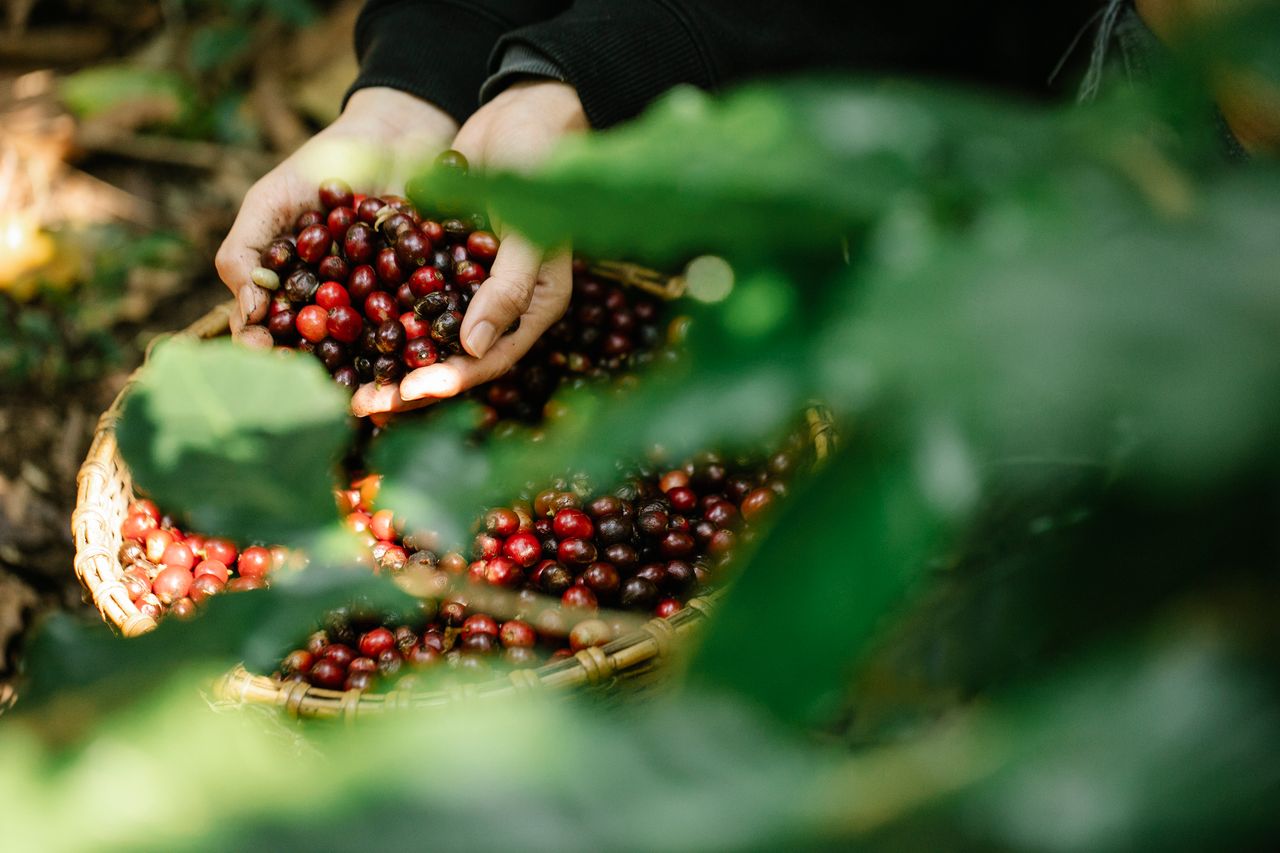
Editor’s Note: The opinions expressed here by the authors are their own, not those of impakter.com — In the picture: Organic coffee certification can verify important production standards, but sustainability also depends on biodiversity, soil health, water use, farmer livelihoods and supply-chain practices. — Photo credits: Michael Burrows