Today’s ESG Updates
- Governments Turn to Hydrogen as Fuel Prices Soar: Air Liquide’s chief executive says energy security concerns sparked by the Iran conflict are driving renewed government interest in clean hydrogen, even as China pulls ahead.
- Multilateral Banks Retreat From Climate Finance Targets Under US Pressure: The World Bank, IDB and ADB are dropping green financing targets amid Trump administration pressure, threatening progress toward the UN’s $1.3tn climate finance goal.
- Base Power Turns Home Batteries Into a Grid-Scale Power Plant: Zach Dell’s startup is installing thousands of household batteries to supply the grid, capitalizing on the AI-driven energy crunch his father’s company helped create.
- RHS Tells English Gardeners to Ditch Cauliflower as Heat Intensifies: The UK’s hottest summer on record has left brassicas struggling to thrive, prompting a shift toward heat tolerant crops like okra and loofah.
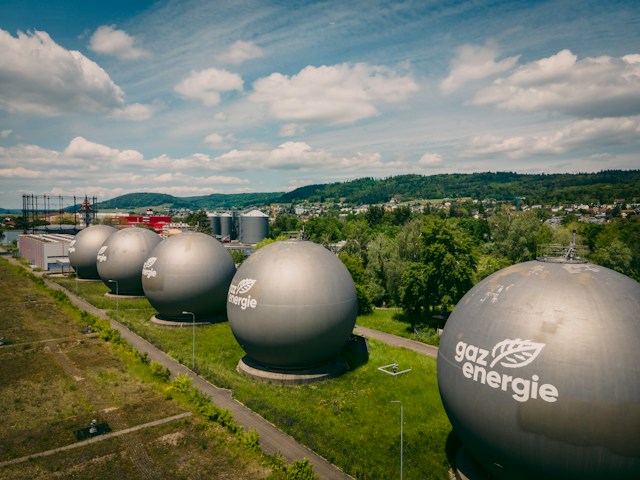
Governments Turn to Hydrogen as Fuel Prices Soar
This year’s oil market shock is pushing governments to take a fresh look at clean hydrogen, according to Air Liquide chief executive François Jackow, whose company has held talks with officials in Brussels, France, the Netherlands, Japan and South Korea since the U.S and Israeli war with Iran sent fuel prices soaring. Jackow said energy importers collectively overspent more than $100 billion on inflated fuel costs in the conflict’s first two months, calling hydrogen “not only a way to decarbonise, but also a key element to ensure energy security.”
The Hydrogen Council’s latest annual report found $130 billion has now been committed to clean hydrogen projects, with 90% either under construction or already operational, and two thirds of surveyed executives citing energy security as the biggest driver of renewed interest. Still, more than half of planned clean hydrogen capacity sits in China, and Jackow warned Europe risks ceding ground the way it did in electric vehicles unless it accelerates its own plans, calling for multiple supply chains and greater sovereignty and resilience.
Klimado – Navigating climate complexity just got easier. Klimado offers a user-friendly platform for tracking local and global environmental shifts, making it an essential tool for climate-aware individuals and organizations.
Multilateral banks retreat from climate finance targets under U.S pressure
The UN’s $1.3tn climate finance agreement is under threat as multilateral development banks follow the World Bank’s lead in dropping climate targets under intense U.S pressure. The Inter-American Development Bank and Asian Development Bank are both reportedly discussing scrapping their climate finance targets, after the World Bank retired its own 45% target in June. The Trump administration, which has called climate change a “con job,” has pushed banks and countries to wind down green financing and ease fossil fuel restrictions.
The UK and Germany are also expected to cut international climate finance amid budget pressures, with the UK already reducing spending to £6bn over three years, down from £11.6bn. One development finance official called the timing “horrendous,” given ongoing wildfires and floods worldwide. Critics warn the shift will make it harder for developed nations to meet commitments to mobilise $300bn annually for developing countries by 2035, and $1.3tn over the same period.
Related Articles
Here is a list of articles selected by our Editorial Board that have gained significant interest from the public:
Base Power turns home batteries into a grid-scale power plant
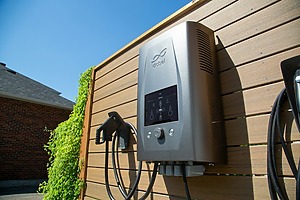
Zach Dell, son of PC billionaire Michael Dell, is building Base Power into a distributed power plant by installing thousands of home batteries that feed electricity back to the grid, as the U.S grapples with an AI-driven energy crunch. The company just closed a $1 billion funding round valuing it at $13 billion, installing 39.2kWh batteries in homes for up to $650 while charging a monthly retail electricity fee and profiting through arbitrage; buying power when cheap and selling it back when demand peaks.
Base has grown its fleet to about 25,000 units across Texas and Illinois, partnering with utilities like ComEd in Chicago. Dell, 30, said he aims to build “one of the largest and fastest-growing power developers on the planet,” calling the convergence of his father’s AI server business and his own energy venture unplanned but timely. Rystad Energy’s Geoffrey Hebertson said Base has effectively unlocked mass battery adoption by removing the upfront barrier for homeowners.

RHS tells English gardeners to ditch cauliflower as heat intensifies

The Royal Horticultural Society is urging English gardeners to stop growing cauliflower and other brassicas, after the UK’s hottest summer on record, including a June that broke national temperature records dating to 1884 and a peak of 38.1°C in August, left crops like broccoli, cabbage and cauliflower struggling to form proper heads in the heat. RHS chief horticulturist Guy Barter said brassicas have been “the hardest hit” of common garden vegetables, recommending gardeners swap them for more heat tolerant alternatives as extreme summers become the norm.
RHS horticulturists across its gardens report success with warmth loving crops instead, including tomatoes, peppers, aubergines, okra, loofah, and melons grown outdoors for the first time in some regions. Purple sprouting broccoli and perennial, deep rooted kale varieties are emerging as sturdier brassica substitutes. Barter added that with recent rain, winter staples like carrots, leeks and brussels sprouts may still recover this year.
___________________________________________________________________________________
Editor’s Note: The opinions expressed here by the authors are their own, not those of impakter.com — Cover Photo Credit: Patrick Frederi