Violence against women creates significant barriers for women aspiring for political office, says UN Women. It’s critical to reform and fully implement laws to prevent and stop violence against women in politics.
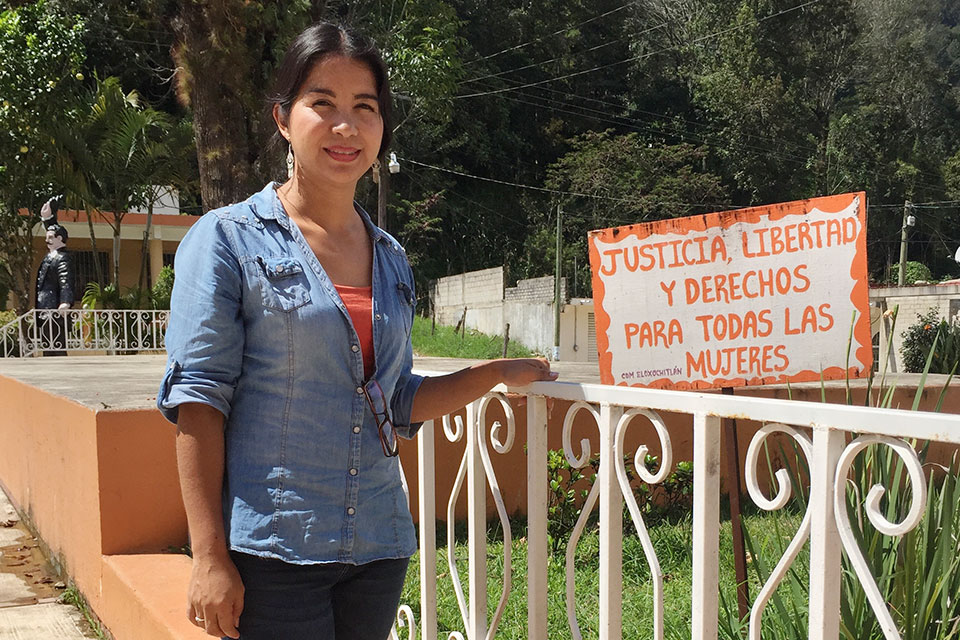
As an indigenous women’s rights activist in southern Mexico, Elisa Zepeda Lagunas has experienced the kind of violence that would stop most people in their tracks. She was dragged to the town square and nearly hacked to death with a machete, her house was burned down, and her brother was killed in 2014.
“They told me: ‘this is what happens when you get involved in matters that don’t concern you…’” Zepeda Lagunas recalls.
However, the violence couldn’t stop her activism. She ran for election and became the first woman mayor of the municipality of Eloxochitlán de Flores Magón, in the Teotitlán District of the Mexican State of Oaxaca, in 2016. In July 2018, she was elected to the Oaxaca State Congress.
“Despite all the risks, I ran because it is a great opportunity for me to raise my voice to another level, as a legislator, and we have so much work to do,” she says. “It is essential for me to occupy these spaces and to open them for others.”
Latin America has 32.4 percent women in parliament today – higher than the global average of 25 percent. Between 2019 and 2020, eight countries in the region (Argentina, Bolivia, Costa Rica, Ecuador, Mexico, Nicaragua, Panama, and Peru) enacted gender parity electoral laws.

However, barriers to women’s political participation and leadership at national and local levels persist in countries in the region, especially when it comes to young, indigenous, Afro-descendent, rural or sexually diverse women, and women with disabilities. Efforts to reach gender parity can put women at risk, as many aspiring leaders and candidates continue to face violence and intimidation.
The situation has worsened with COVID-19. “We have seen an increase of violence against women parliamentarians during the COVID-19 pandemic and lockdown restrictions,” says Zeina Hilal, Manager of the Inter-Parliamentary Union’s Gender Partnership Programme. “We need to continue and intensify efforts to generate a broad political will from policymakers to strengthen legal frameworks to address violence against women in politics.”
The IPU Committee on the Human Rights of Parliamentarians revealed in its 2020 report an uptick in acts of intimidation and violence, especially against women MPs. The report also shows that threats, acts of intimidation directly affecting the physical integrity of the MPs were most frequent in the Americas (32 percent), with the Middle East and North Africa region reporting the second-highest proportion of cases (25 percent).
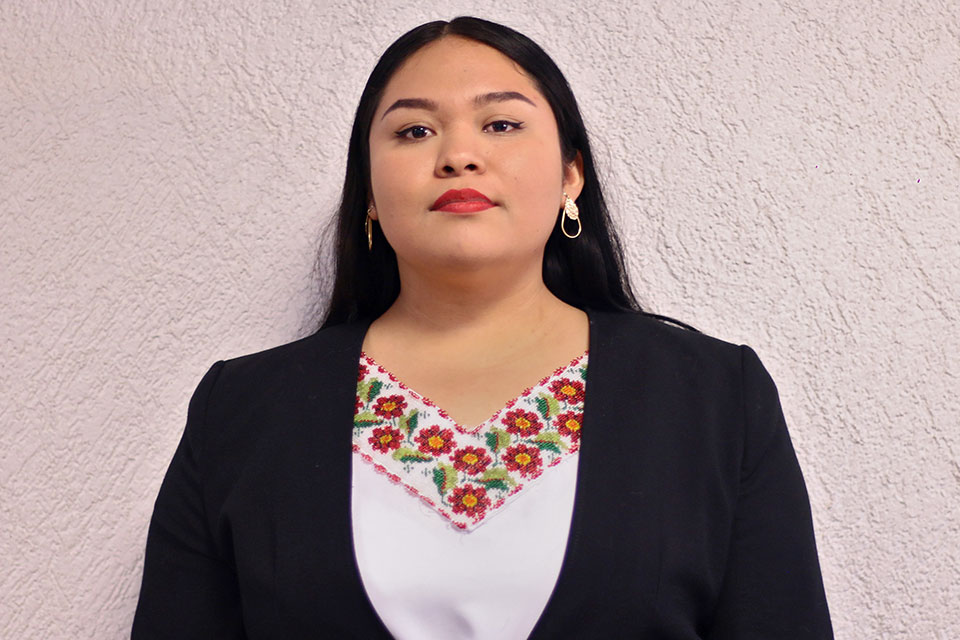
Socorro Serrano Sánchez works with a civil society organization in Oaxaca, Mexico that promotes the empowerment and political participation of youth. She recently participated in a UN Women-supported initiative in Mexico that aimed to strengthen the skills and capacity of civil society organizations, women’s movements, and community leaders to defend and promote women’s political and electoral rights.
Serrano Sánchez has witnessed many acts of intimidation, discrimination, and violence against women in politics. It’s important for women to be able to identify the violence as such, she says, since it has been normalized through generations. “They fear the objectification of bodies to achieve political power as women, and the social stigma that women cannot participate in politics effectively because they have gender roles to fulfill, [holds them back from] political life.”
Violence against women in public life is endemic, across Latin America and the Caribbean, and in other regions as well, but harmonized national data on prevalence does not exist yet. Bolivia is the only country in the world today, with a standalone law criminalizing violence against women in politics.
Law 243, passed in 2012, establishes prison sentences of two to eight years for different types of violence. However, to date, there has only been one successful sentencing for harassment and political violence. Efforts are underway, backed by national authorities, UN Women, and other partners, to enforce the law.
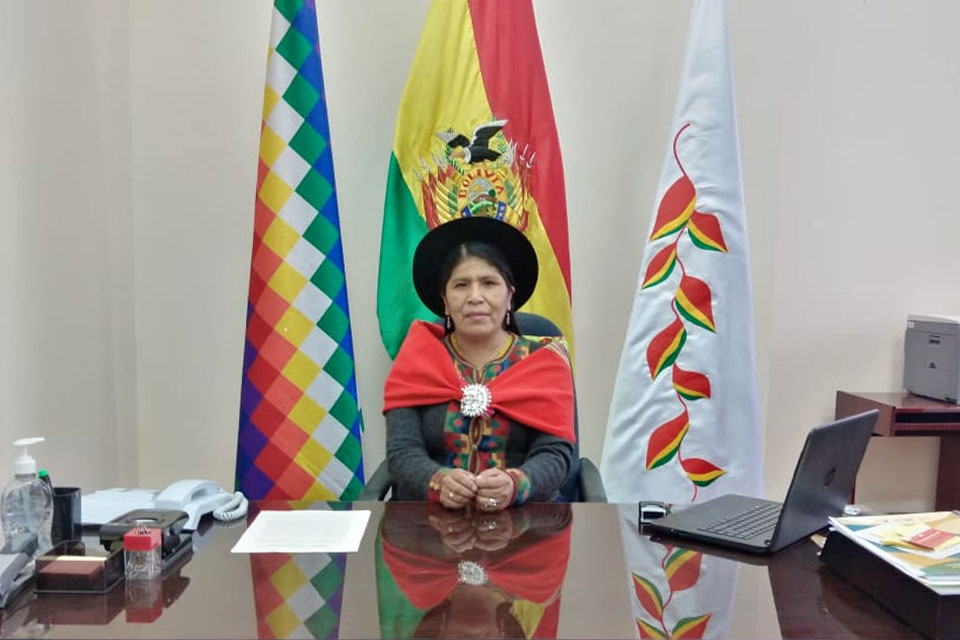
“Our challenge is to generate spaces for dialogue that allow us to reflect on and question acts of violence against women,” says indigenous woman leader Toribia Lero Quispe, who was elected as a representative of Bolivia’s Lower House in November 2020. She is a long-time activist for indigenous peoples who have faced violence and intimidation.
Mexico is joining Bolivia in strengthening legal sanctions against violence against women in politics. In April 2020, it amended eight national laws to include provisions to prevent and prosecute violence against women in politics.
Related Articles: Invest in Young Women for the Future of Africa’s Public Leadership | The Political Power of Co-Opting Women
Mexico has also created a National Registry of Sanctioned Persons for Violence against Women in Politics and in November 2020, adopted guidelines to cancel candidacies for any person found guilty of committing gender-based violence. The National Electoral Institute has since received 36 reports of violence against women in politics.
“Violence targeting women who hold public office and political decision-making positions has a chilling effect on the political ambition of young women, with intergenerational consequences,” says Belén Sanz Luque, UN Women Representative in Mexico.
The mobility constraints caused by the COVID-19 pandemic have created additional barriers. “In a context in which, even before the pandemic, women faced significant obstacles to safely access public and political space, and had limited access to internet and technologies, they need special support to campaign for political office,” adds Ms. Sanz Luque.
In addition to fully implementing the existing commitments and laws to prevent and address violence against women in politics, UN Women points to the need to transform gender stereotypes and enabling equal sharing of childcare and domestic work at home to facilitate women’s participation in political life.
Editor’s Note: The opinions expressed here by Impakter.com columnists are their own, not those of Impakter.com. In the Featured Photo: Elisa Zepeda Lagunas, an indigenous women’s rights activist from Southern Mexico. Featured Photo Credit: Elisa Zepeda Lagunas/UN Women.