Today’s ESG Updates
- Meta Moves Upstream on Energy Supply: A space-based solar deal signals a shift from buying power to securing generation as AI-driven demand outpaces grid capacity.
- Anti-Gas Protests in the Western Balkans: Activists push back on new pipeline projects, arguing capital should shift toward renewable infrastructure instead.
- Governments Push Fossil Fuel Phase-Out Talks: Around 60 countries plan a Colombia summit focused on execution, though alignment on timelines and enforcement remains unclear.
- X-Energy Raises $1.02B in IPO: Backed by Amazon, the nuclear firm is scaling alongside AI infrastructure demand, betting on small reactor deployment.
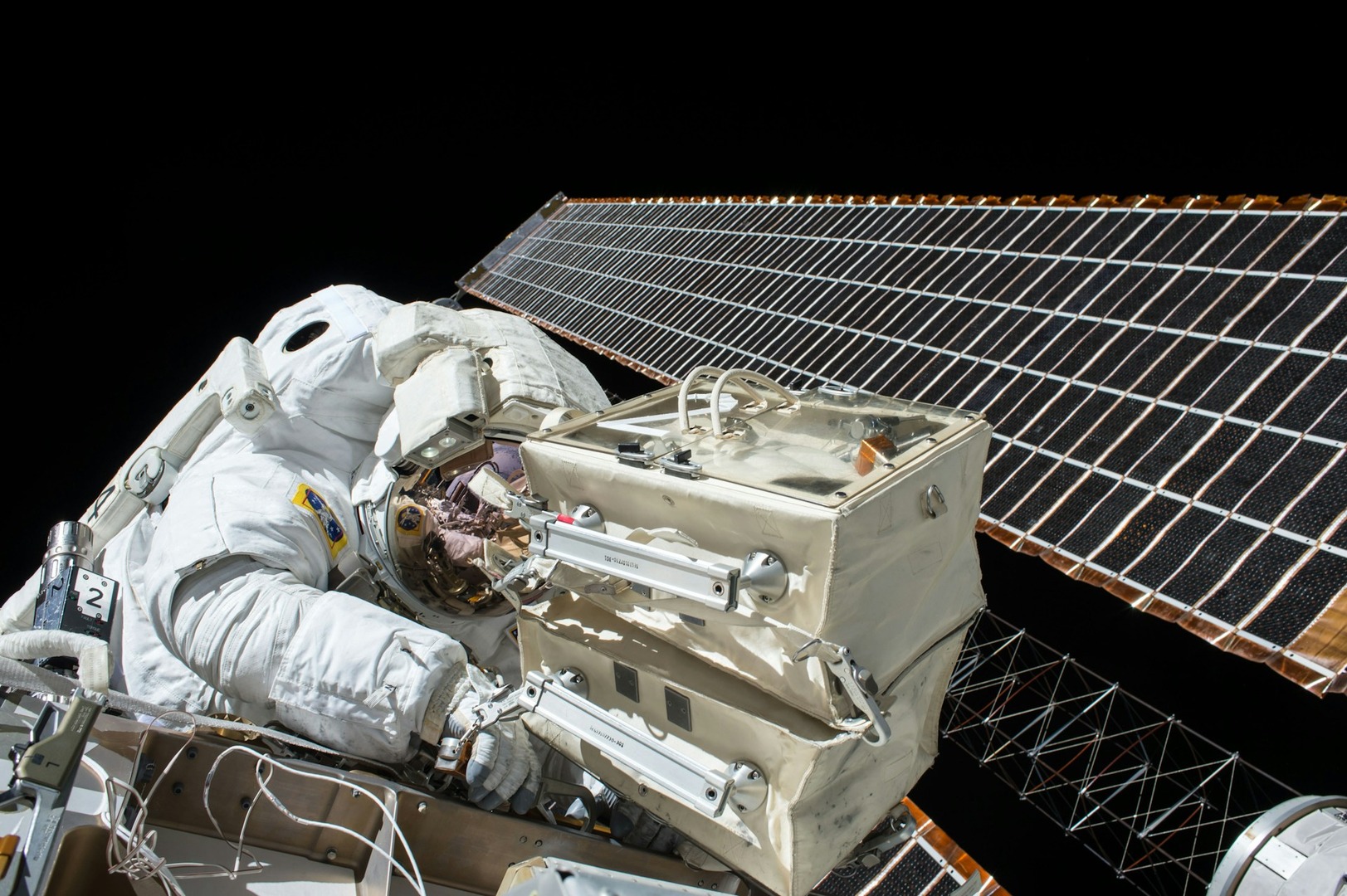
Meta bets on space-based solar power for its data centres
Meta has partnered with Overview Energy to secure up to 1 gigawatt of space-based solar power for its data centers by 2030. The concept is simple in theory: satellites collect solar energy in orbit, where sunlight is constant, and the distance to the source is smaller. That removes the biggest weakness of modern renewables—intermittency. Overview plans a demonstration mission in 2028, with commercial delivery targeted two years later. Meta is expanding future capacity, not addressing the shortages it currently faces.
AI infrastructure is driving a significant surge in electricity demand, and companies like Meta are hitting physical limits. Powering data centers now is as complicated as building them. Traditional renewables can’t guarantee round-the-clock supply, grids are slow to expand, and permitting delays are compounding the problem.
Power—not chips—may become the binding constraint on AI growth. Until alternatives like space-based solar power scale, there will be increasing reliance on whatever is available, including fossil fuels.
***
Further reading: Meta partners with space startup Overview Energy to secure solar power for data centers
Klimado – Navigating climate complexity just got easier. Klimado offers a user-friendly platform for tracking local and global environmental shifts, making it an essential tool for climate-aware individuals and organizations.
Environmentalists in the Balkans urge for renewables instead of gas

The Western Balkans are becoming a test case for how energy transitions become messy and political. Environmental groups across the region are pushing back against several U.S.-backed gas projects. They argue that new infrastructure locks countries like Serbia, Bosnia and Herzegovina, and North Macedonia into decades of reliance on fossil fuels rather than renewables. Gas infrastructure operates for 20 to 40 years, directly clashing with the European Union’s decarbonization timeline.
Gas is cleaner than coal, more reliable than intermittent renewables, and helps reduce dependence on Russian energy, which is more important than renewables at the moment. That argument has gained traction since the 2022 invasion of Ukraine, which exposed the fragile reality of regional energy systems.
Choosing gas is not just a fuel choice—it’s a capital allocation decision. Every euro directed into gas infrastructure is a euro not spent on renewables, grids, or storage. The region already struggles with outdated electricity networks that can’t integrate large-scale renewable capacity. Even aggressive solar or wind targets won’t translate into a reliable supply without parallel grid investment.
***
Further reading: Environmentalists in Western Balkans call for renewables over US gas projects
Related Articles
Here is a list of articles selected by our Editorial Board that have gained significant interest from the public:
Officials from over 60 countries meet to discuss fossil fuel phase-out

A group of around 60 countries is meeting in Colombia to figure out how to exit fossil fuels—but the timing exposes the core contradiction of the energy transition. The talks, held in Santa Marta and co-organized by the Netherlands and Colombia, are the first international effort focused not on setting climate targets, but on how to implement the previous ones and phase out oil and gas. Governments are discussing financing tools, regulatory frameworks, and transition planning — the mechanics that have been missing from years of climate goals and promises.
The ongoing Iran war has disrupted global oil and gas flows, pushing prices above $100 per barrel and tightening supply across key markets. The shock is already translating into fuel shortages in parts of Asia and rising energy costs in Europe. The situation would be less difficult if governments had imposed policies and worked towards the goals they had set.
There’s also a structural limitation. Major players—the United States, China, and leading oil producers—are not part of these talks. That turns the meeting into a coalition of those affected by a situation, not a global coordinated phase-out initiative.
***
Further reading: Nations meet to discuss fossil fuel exit as Iran war drives up prices

Nuclear energy company raises more than $1B in IPO
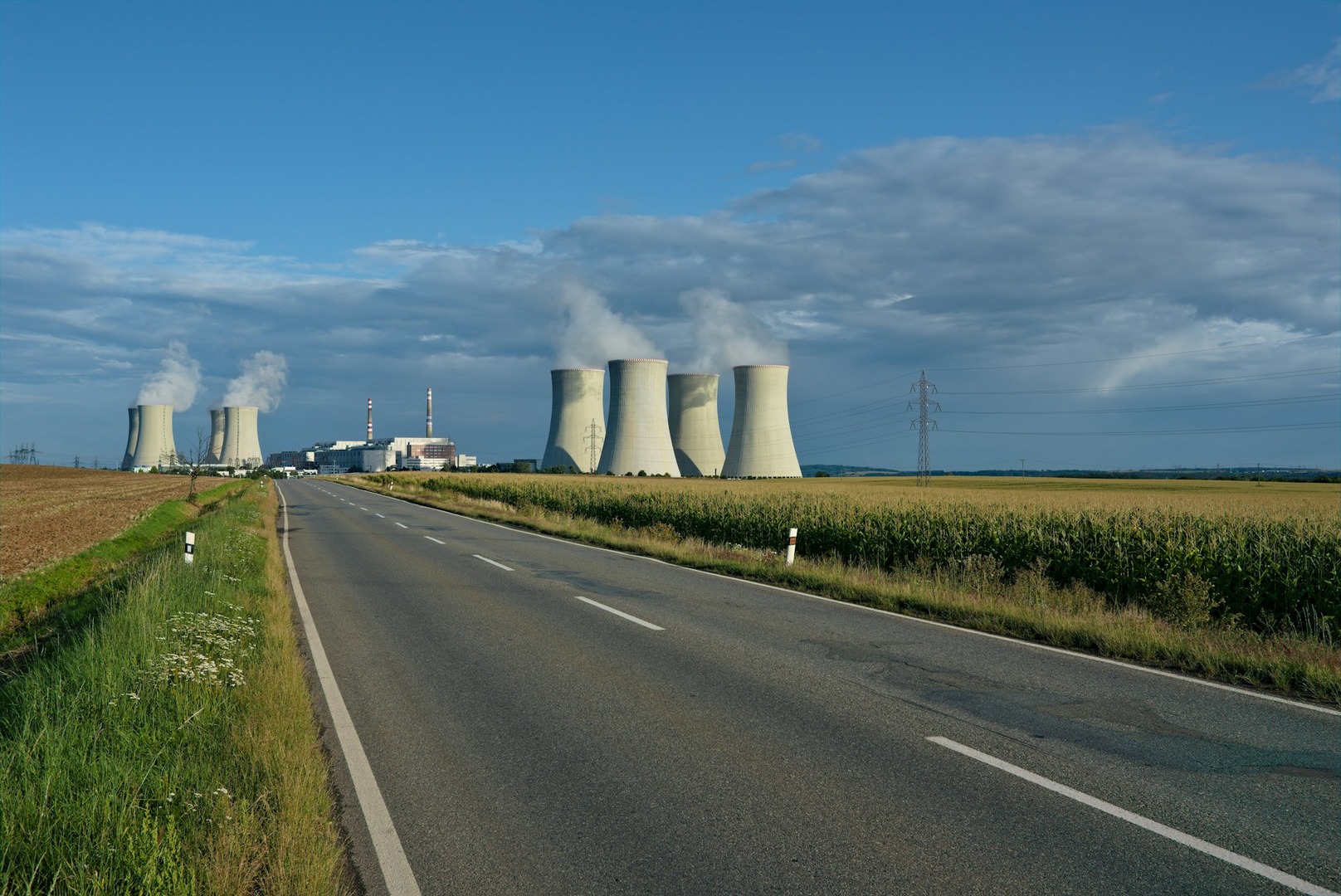
X-energy’s $1.02 billion IPO, backed by Amazon, signals a clear shift in how the energy transition is defined by power demand from AI. The company is developing small modular reactors (SMRs), a next-generation form of nuclear energy designed to be faster to build and more flexible than traditional large-scale plants. The goal is to deliver reliable, carbon-free electricity that can run 24/7. A potentially ideal solution for data centres if the technology is feasible and scalable.
AI infrastructure is pushing electricity demand into a territory that existing systems can’t handle. Renewables, while growing fast, can’t guarantee a continuous supply without massive storage and grid upgrades. That leaves a gap for firm power—and nuclear is one of the few scalable options that fit.
Amazon’s involvement is not incidental. Like other tech giants, it is moving beyond simply buying electricity to acquire an energy supply. The constraint is no longer only computing capacity—it’s whether there is enough reliable power to run it.
***
Further reading: Amazon-Backed X-Energy Raises $1.02B in IPO as AI Drives Nuclear Demand
Editor’s Note: The opinions expressed here by the authors are their own, not those of impakter.com — In the Cover Photo: An astronaut repairing a satellite Cover Photo Credit: NASA