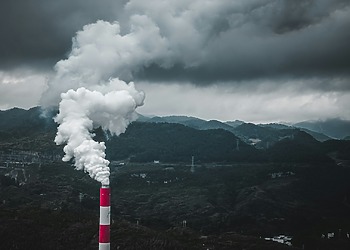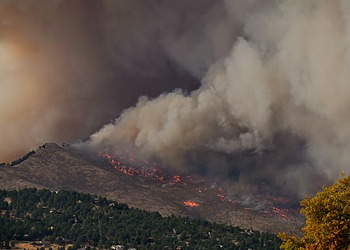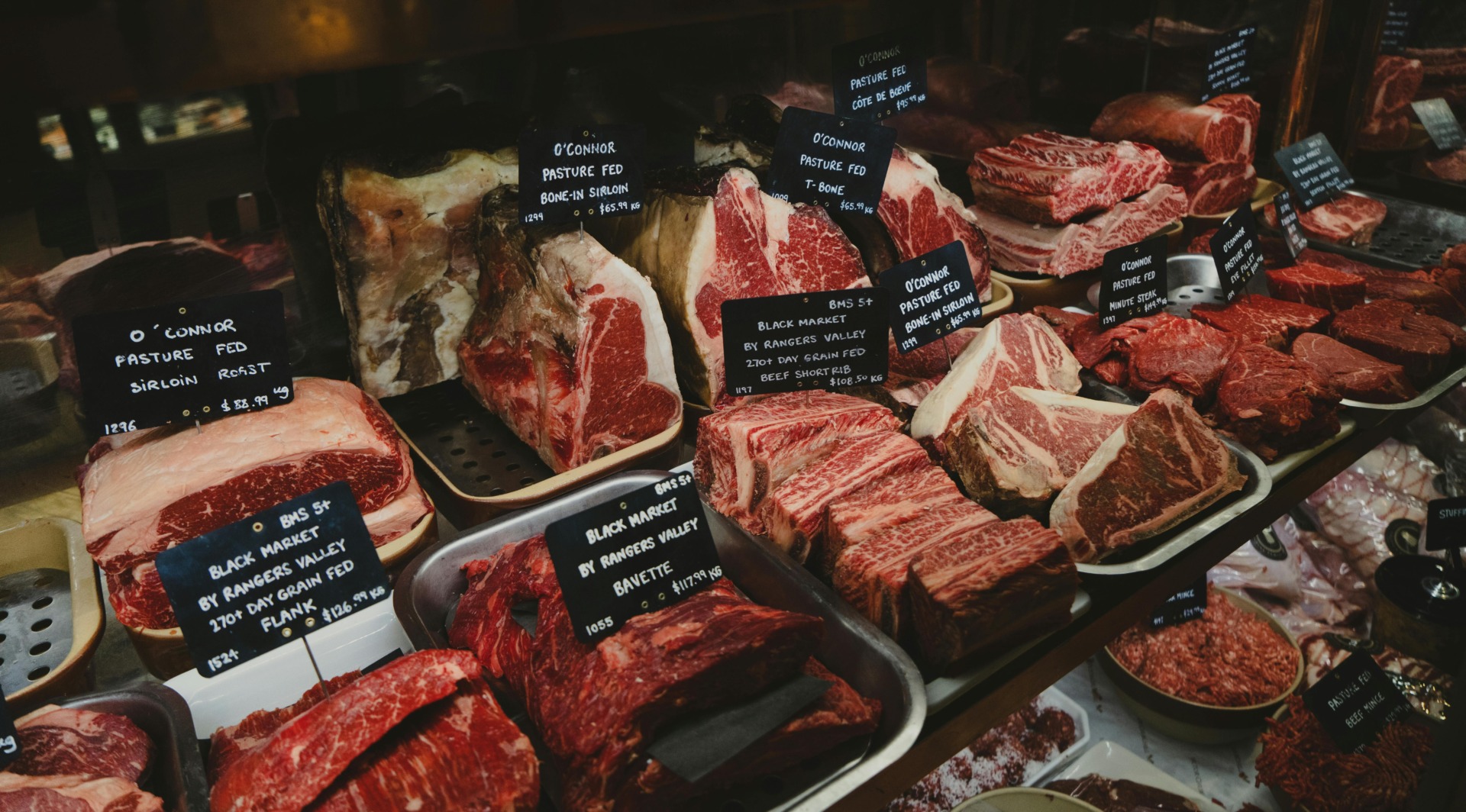
The global food system is one of the largest drivers of climate change, biodiversity loss and freshwater depletion. Yet despite mounting scientific evidence, the price of meat in most countries does not reflect the environmental cost of producing it, a gap that has fueled growing calls for a meat tax.
A new study published in Nature suggests that introducing a meat tax through tax reform could reduce the environmental footprint of diets without dramatically increasing household food bills. Environmental impacts from European food consumption can be reduced with carbon pricing or a value-added tax reform.
The research, conducted by scientists at the Potsdam Institute for Climate Impact Research and partner institutions, modeled what would happen if meat products were taxed at full value-added tax (VAT) rates rather than benefiting from reduced food tax rates. While the analysis focused on the European Union (EU), researchers say the findings illustrate how fiscal policy could influence food systems globally.
According to the United Nations Food and Agriculture Organization (FAO), Food systems account for more than one third of global greenhouse gas emissions. Livestock production is responsible for a significant share of that total, particularly beef and lamb, which generate substantially higher emissions per kilogram than plant-based proteins. Meat production also requires extensive land use, contributes to deforestation, drives biodiversity loss and consumes large quantities of freshwater.
Despite these impacts, many countries apply reduced tax rates to staple foods, including meat. The study argues that such policies often fail to account for environmental externalities, the broader social and ecological costs not reflected in retail prices.
What the Study Found
Using detailed household consumption data across the EU’s 27 member states, researchers simulated the effects of removing reduced VAT rates on meat and applying standard national rates instead. The results indicate that such a reform could reduce the environmental impacts of food consumption by between 3.5% and 5.7%. The reductions include greenhouse gas emissions, land use pressures, water consumption and nutrient pollution.
On average, households in the study would pay between €12 and €26 more per year for food. Governments, meanwhile, would generate additional tax revenue. The researchers suggest that revenue could be redistributed to support low-income households, fund sustainable agriculture or lower taxes on fruits and vegetables.
The study also examined a direct greenhouse gas pricing mechanism applied to food, estimating a price of approximately €52 per ton of carbon dioxide equivalent. That approach produced similar environmental reductions but would require more complex regulatory systems.
Why Pricing Meat Matters Globally
Globally, demand for meat has grown steadily over the past decades, driven by population growth, rising incomes and urbanization. As countries industrialize, meat consumption often increases.
According to a 2018 study published in Science by researchers at the University of Oxford, Reducing food’s environmental impacts through producers and consumers, livestock production uses about 77% of global agricultural land while providing only 18% of the world’s calories. At the same time, livestock generates methane, a greenhouse gas significantly more potent than carbon dioxide over the short term. Nitrogen fertilizer used to grow animal feed contributes to nitrous oxide emissions and water pollution.
These environmental pressures are not confined to producing countries. International trade links consumers in wealthier nations to deforestation, water stress and land degradation elsewhere. By adjusting taxation, policymakers could send price signals that reflect environmental cost and potentially shift consumption patterns over time.
Economic research consistently shows that prices influence purchasing behavior. While dietary habits are shaped by culture, availability and income, price changes can gradually alter demand, particularly when combined with public awareness campaigns and improved access to plant-based alternatives.
Equity and Political Challenges
Food taxation is politically sensitive. Critics argue that higher prices could disproportionately affect lower-income households, which spend a larger share of income on food. The study acknowledges this concern and emphasizes the importance of redistributing tax revenue. Options include targeted financial support, lowering taxes on sustainable foods or investing in public nutrition programs.
Another challenge is cultural attachment to meat. In many regions, meat consumption is associated with tradition, prosperity and social norms. Policymakers would need to balance environmental goals with public acceptance.
Still, proponents argue that governments already use fiscal tools to shape behavior. Taxes on tobacco, alcohol and fossil fuels have been implemented in many countries to address public health and environmental concerns. Applying similar logic to food would represent a shift in how governments approach agricultural and climate policy.
Part of a Broader Transition
The researchers emphasize that taxation alone will not transform the global food system. Agricultural reform, technological innovation, supply chain transparency and dietary education remain essential. However, fiscal policy is one of the more direct tools available to governments.
As countries work to meet international climate commitments under the Paris Agreement, food systems are receiving increasing attention. Reducing emissions from energy and transport will not be sufficient if agricultural emissions remain high.
The study’s findings suggest that modest price adjustments could produce measurable environmental gains. While a 3% to 6% reduction in environmental impact may appear incremental, at a global scale it represents significant emission cuts, reduced land conversion and lower water demand. Moreover, the principle of aligning price with environmental cost extends beyond meat. Similar approaches could be applied to other resource-intensive products.
Related Articles: 98% of Countries Are Falling Behind on Climate Targets, New Report Finds | Blue Economy: A Solution for Yemen?
What Happens Next?
The debate over meat tax is likely to intensify as governments face growing pressure to balance climate ambition with economic stability. Some countries have already begun exploring sustainability-linked food policies, while others remain cautious about intervening in dietary markets.
Whether through VAT reform, carbon pricing or targeted subsidies, the broader question remains the same: should the environmental cost of food production be reflected at the checkout counter? The “Nature” study suggests that even modest fiscal changes could help shift consumption patterns and reduce ecological strain.
Editor’s Note: The opinions expressed here by the authors are their own, not those of Impakter.com — Cover Photo Credit: Dana Sredojevic.