Today’s ESG Updates
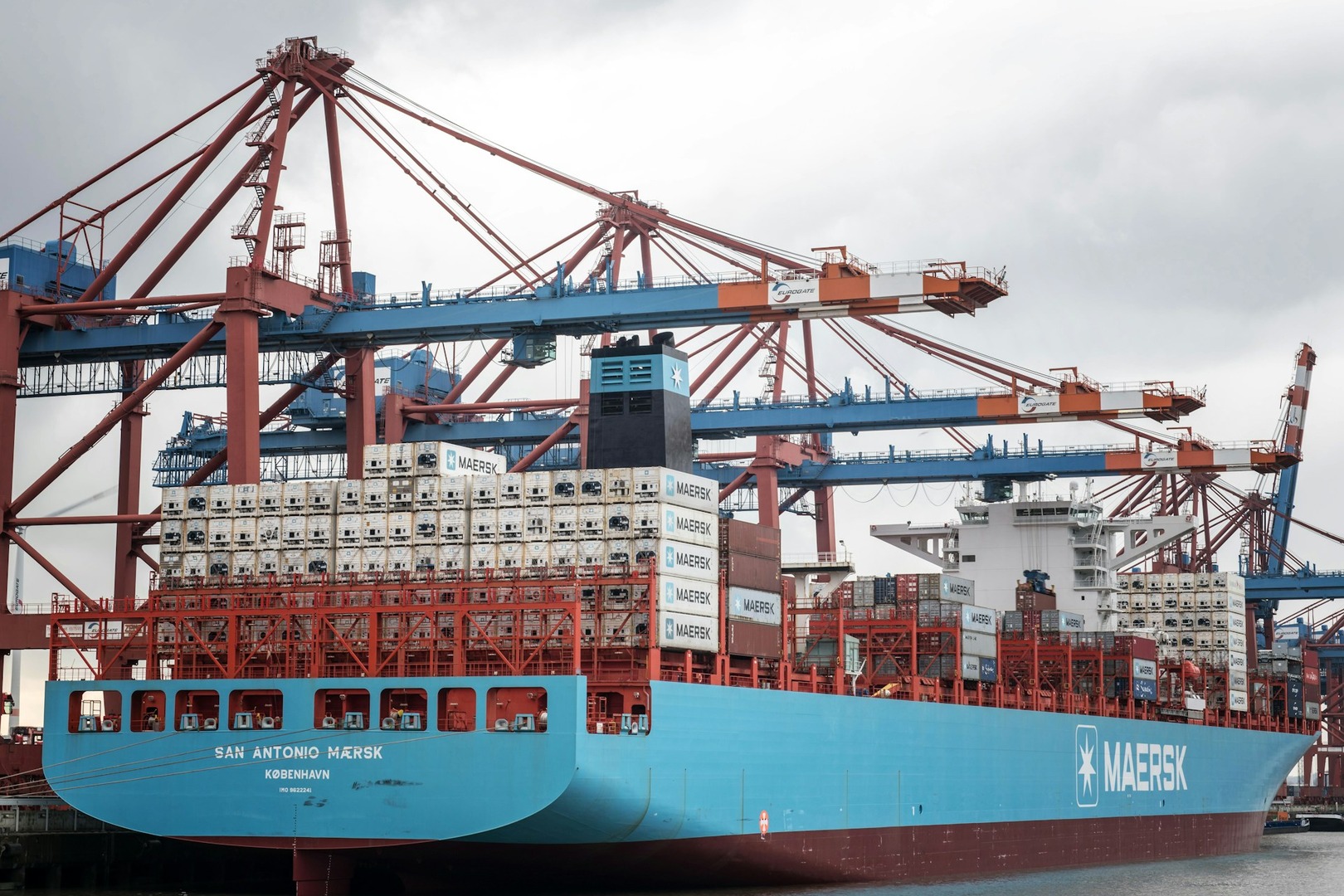
- Maersk Brings Wind Power to Its Container Ships: A rotor sail pilot with British firm Anemoi marks the shipping industry’s latest attempt to cut fuel costs and emissions through wind propulsion.
- Spain Pushes EU to Tax Oil and Gas Profits for Climate Adaptation: Madrid wants a permanent windfall levy to fund a new EU adaptation strategy, after this summer’s drought and wildfires cost the region tens of billions of euros.
- EV Batteries Hold Up Better Than Feared, New Study Finds: Aviloo’s analysis of over 500,000 tests shows most EVs retain around 90% of battery capacity after 150,000km, well above manufacturer warranty thresholds.
- World on Track to Breach 1.5C Warming Target “Within a Few Years”: A new UN report confirms the Paris Agreement threshold will likely be exceeded soon, as vulnerable nations push back against delaying key climate science.
Maersk brings wind power to its container ships
Maersk has signed a deal to install its first wind-assisted rotor sail on a container ship, part of a broader industry return to wind propulsion as shippers work to cut fuel costs and meet tightening emissions rules. The 35-metre sail, designed by British firm Anemoi, uses the “Magnus effect”, which is a spinning motion that generates propulsion, and can operate in wind speeds up to 35 metres per second. Container ships have historically been tricky candidates for sails given limited deck space, but Anemoi says their fixed routes make wind conditions more predictable, improving the investment case.
The pilot reflects growing momentum across shipping, with about 110 commercial wind installations currently in use, another 80-90 on order, and roughly 50 more in the pipeline. Installations have also been doubling annually in recent years. Fuel savings can range from 5-25% depending on the vessel and route, according to Boston Consulting Group, though high upfront costs, often $600,000 to $1.2 million per sail and misaligned incentives between shipowners and charterers remain key barriers to wider adoption.
Klimado – Navigating climate complexity just got easier. Klimado offers a user-friendly platform for tracking local and global environmental shifts, making it an essential tool for climate-aware individuals and organizations.
Spain pushes EU to tax oil and gas profits for climate adaptation
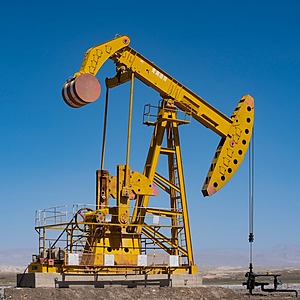
Spain is pushing the EU to tax oil and gas company profits to fund climate adaptation measures, after drought and wildfires battered western Europe during its hottest summer on record. Ecological transition minister Sara Aagesen Muñoz called for a dedicated adaptation fund financed by a permanent levy on oil and gas profits and additional common EU debt, in a letter and policy paper addressed to climate commissioner Wopke Hoekstra ahead of an autumn adaptation strategy. Spain cited Triodos bank estimates that extreme heat could cut EU GDP by around 1% in 2026 and 2.3% by 2050, with this summer’s drought alone estimated to have cost at least €50 billion.
The push echoes an earlier joint call from six EU finance ministers for a windfall tax, to be discussed in Dublin later this month. However, the European Commission has so far resisted such measures, and industry leaders including ExxonMobil’s Darren Woods and TotalEnergies’ Patrick Pouyanné have pushed back hard, warning of reduced investment and higher consumer prices. Aagesen Muñoz also called for climate resilience to be built into infrastructure design and for an expanded EU firefighting fleet.
Related Articles
Here is a list of articles selected by our Editorial Board that have gained significant interest from the public:
EV batteries hold up better than feared, new study finds
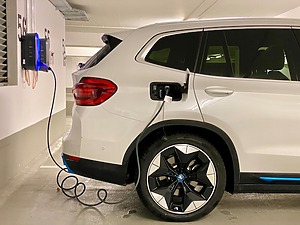
EV batteries are lasting longer than many drivers fear, with a new study from Austrian battery analytics firm Aviloo finding most retain around 90% of their original usable capacity after 150,000km. Based on over 500,000 tests across 20 popular EV models including Tesla’s Model Y and VW’s ID.4, median battery health ranged from 87-94% at 150,000km, comfortably above the 70% threshold manufacturers typically guarantee under standard eight-year warranties.
Degradation varies significantly even within the same model, driven by climate, battery size, and driving habits — Nissan’s Leaf ZE1 showed the widest spread at 13.5 percentage points, equivalent to about 29km of real-world range. Aviloo CEO Marcus Berger said hotter climates accelerate degradation, and warned that parking EVs at high charge levels harms batteries long-term, recommending owners keep charge between 30-70% when idle. The findings come as major UK EV bodies push for mandatory battery health certifications, arguing standardized health ratings would boost buyer confidence in the used EV market.

World on track to breach 1.5C warming target “within a few years”

The UN has confirmed the world is on track to breach the Paris Agreement’s 1.5C warming threshold “likely within the next few years,” with even the most optimistic scenario projecting a peak around 1.8C before any decline. The Alliance of Small Island States said the target is “not an arbitrary goal that countries can waffle on or walk away from,” citing the International Court of Justice’s recognition of states’ legal climate obligations.
The report coincides with a dispute over the IPCC’s next assessment reports, which China, Saudi Arabia and India want delayed until 2029, while France, the UK and small island states argue they’re needed before 2028’s global stocktake to keep negotiations grounded in current science. UN chief António Guterres warned this summer’s extreme heat, wildfires and floods are “a warning of what lies ahead.
Editor’s Note: The opinions expressed here by the authors are their own, not those of impakter.com — Cover Photo Credit: Wolfgang Weiser