A new update issued by the World Meteorological Organisation (WMO) says that global temperatures are expected to surge to record levels in the next five years. The El Niño, a naturally-occuring “climate pattern in the Pacific Ocean that can affect weather worldwide,” is being attributed as the cause alongside greenhouse gas emissions.
An El Niño occurs every few years and is characterised by a warming of 0.5℃ in sea temperatures in the tropical eastern Pacific. The temperate effects of El Niño are felt mostly in the tropical eastern Pacific but can also disrupt weather patterns such as wind and rainfall.
An El Niño can last anywhere from a few months to a few years.
La Niña has the opposite effect, causing lower temperatures than average. It alternates with El Niño, the complete cycle taking three to seven years.
According to the WMO report, “since one of the largest El Niño events on record occurred in 2015/16, annual mean anomalies in the tropical East Pacific relative to the rest of the tropics have been largely negative (La Niña) or neutral.”
The current record for the hottest year on Earth was set in 2016 and, according to the WMO, there is a 98% likelihood that at least one of the next five years, and the five-year period as a whole, will be the warmest on record.
There is also a 66% likelihood that the annual average near-surface global temperature between 2023 and 2027 will exceed 1.5°C above pre-industrial levels for at least one year. There is a 98% likelihood that at least one of the next five years, and the five-year period as a whole, will be the warmest on record.
“This report does not mean that we will permanently exceed the 1.5°C level specified in the Paris Agreement which refers to long-term warming over many years. However, WMO is sounding the alarm that we will breach the 1.5°C level on a temporary basis with increasing frequency,” said WMO Secretary-General Prof. Petteri Taalas
Extreme humid heat and record temperatures in South Asia in April was largely driven by #climatechange, harming vulnerable and disadvantaged communities, says new @WWAttribution studyhttps://t.co/xCxOS6fnRj pic.twitter.com/2F4VzCVWHV
— World Meteorological Organization (@WMO) May 19, 2023
Taalas, says: “This will have far-reaching repercussions for health, food security, water management and the environment. We need to be prepared.”
In a separate report titled, “State of the Global Climate 2022,” the WMO outlined food security, population displacement and threat to ecosystems as the most pressing socioeconomic impacts created by rising levels of heat and climate change.
Can we “take the heat”?
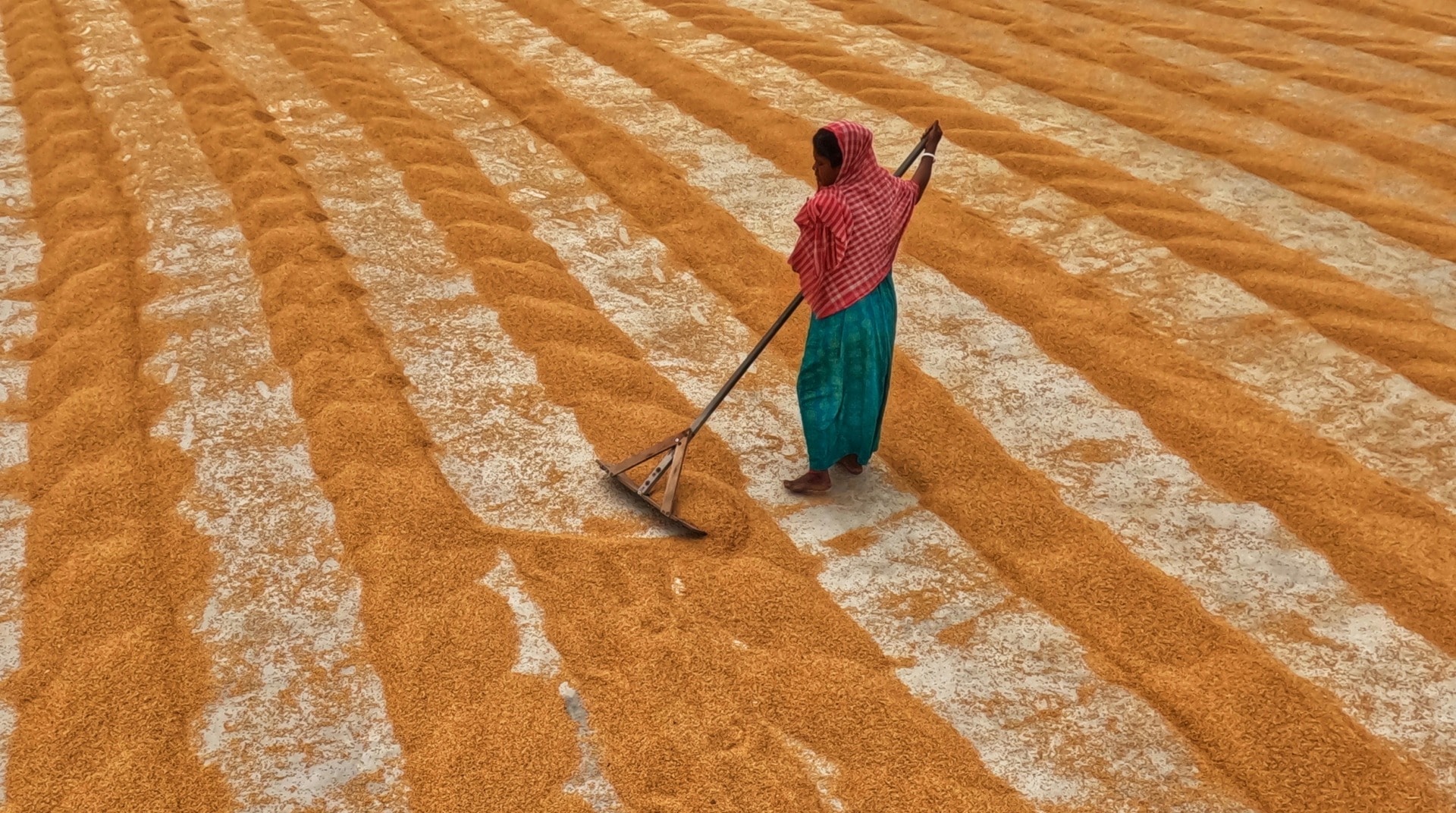
The WMO’s Global Climate report notes that, as of 2021, 2.3 billion people are facing food insecurity. Heatwaves and rising global temperatures are major threats to agriculture and crop yield.
According to an article published in the European Journal of Public Health , “extreme heat not only damages agricultural yields and leads to supply drops and food insecurity in the long-term but also affects people’s short-term ability to generate income from labour and purchase food.”
Related Articles: Heatwave in South-East Asia: A Sign of What’s to Come, FortyGuard, Using Data to Fight Extreme Heat, Summer in Europe Like Never Before: Extreme Heat and Out-of-Control Wildfires
COP27 highlighted the need for agriculture to adapt to rising levels of heat and, as a result, the COP27 Egyptian Presidency launched the Food and Agriculture for Sustainable Transformation (FAST). FAST aims to improve the quantity and quality of climate finance contributions to improve agriculture.
Zitouni Ould-Dada, deputy director of the FAO’s Climate and Environment Division said of FAST: “We can’t continue with the current model of producing food and then degrading the soil, declining biodiversity, affecting the environment. No. It must be sustainable.”
Ould-Dada also highlights the need for innovative changes to agriculture as it is already a large producer of greenhouse gases – crops must become more resistant to heat and climate change without becoming more polluting.
Ecosystems are also expected to suffer as a result of rising temperatures. Studies of the blossoming of plants and migration of other species show change directly as a result of climate change, says the WMO’s Global Climate report. The report specifies that the flowering of cherry trees in Japan has been shifting to earlier dates each year.
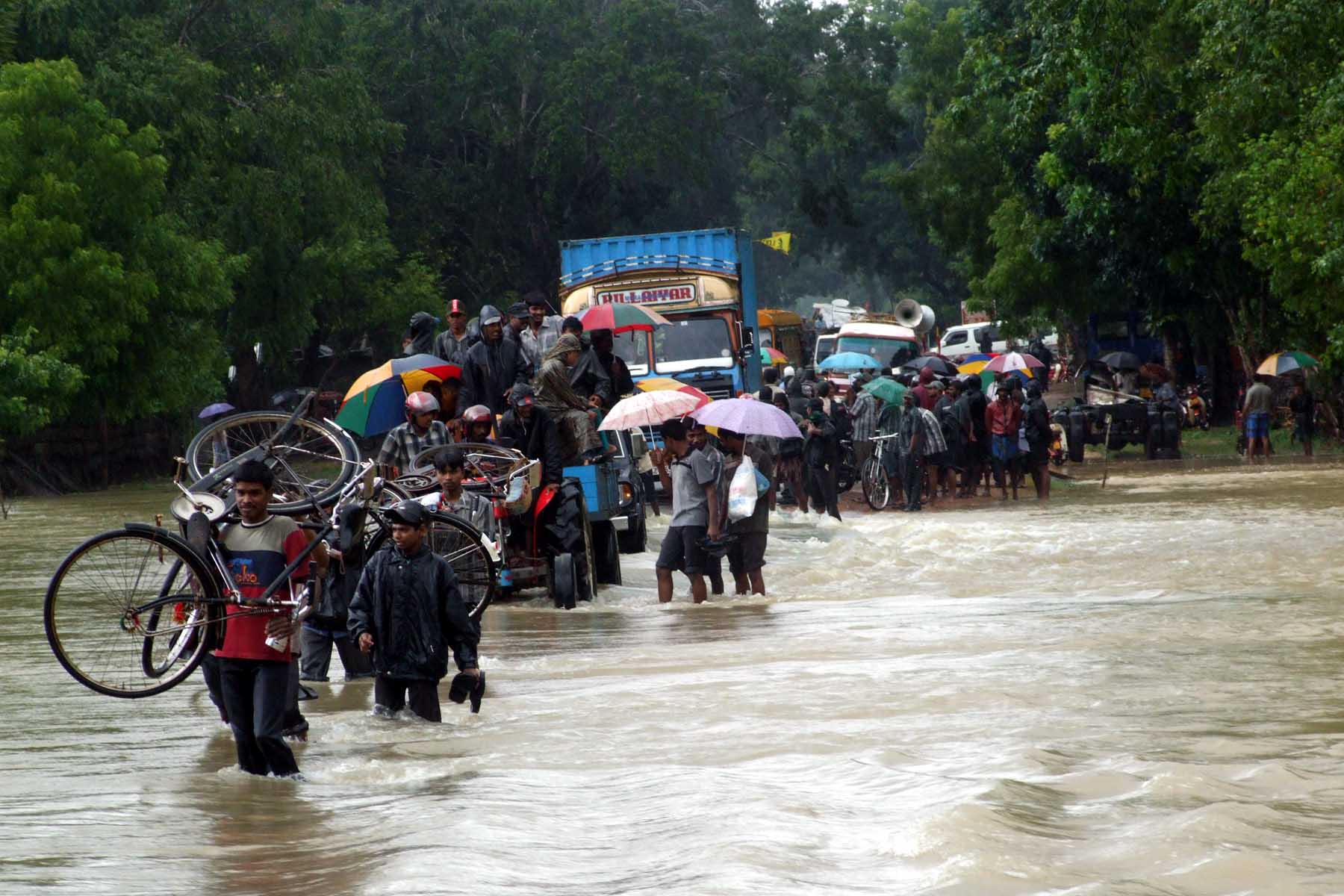
Hazardous weather is also causing population displacement, says the WMO. According to the report, there were 95 million people already living in displacement at the start of the year.
According to the International Organisation of Migration’s Extreme Heat and Migration Fact Sheet, less than one million people currently live in areas with an average of “very strong heat stress” in the shade during the hottest month. If global temperature rise is limited to 1.5℃ by the end of the century, the fact sheet notes, 30-60 million people will live in an area where the temperature in the hottest month is too hot for the body to function.
Extreme heat can be dangerous for anyone, but it can be especially dangerous for those with chronic medical conditions such as heart disease or high blood pressure.
Visit @CDCgov’s website for tips to stay safe from #ExtremeHeat: https://t.co/j1CcYbU44i #NIHHIS #HeatSafety pic.twitter.com/gy5DSpNYG3
— CDC Environment (@CDCEnvironment) May 16, 2023
If nothing is done in terms of decreasing the rate of warming, more than a billion people could live with “very high heat stress” by the end of the century.
Whilst FAST is a promising initiative, it’s going to take global, multilateral efforts to curb and mitigate the effects of rising temperatures.
Editor’s Note: The opinions expressed here by the authors are their own, not those of Impakter.com — In the Featured Photo: Firefighters at the McKinney Fire, California 2022. Featured Photo Credit: Wikimedia Commons .