Today’s ESG Updates
- Iraq Faces Critical Oil Export Challenges: The Basra Oil Company says exports could hit 3.4 million barrels per day within a week if the Strait of Hormuz reopens, but current production is down 80%.
- Utah Shields Fossil Fuel Companies from Climate Lawsuits: HB 222 makes it nearly impossible for residents to hold energy companies legally responsible for environmental damages.
- China Limits Fuel Price Hikes Amid Iran Oil Shock: Gasoline and diesel increases were cut in half to protect consumers and prevent inflation for factories.
- Australia Explores AI for Mining Approvals: A $13 million plan to speed environmental assessments raises concerns over flawed decisions and risks to endangered species.
Iraq faces critical oil export challenges as Strait of Hormuz remains closed
The Basra Oil Company states that Iraq can resume its oil exports at 3.4 million barrels per day within one week if the Strait of Hormuz reopens. Currently, Iraq’s total oil production has decreased by 80%. Fields in the south are only making 800,000 to 900,000 barrels a day. For example, the big Rumaila field fell to 400,000 barrels, down from 1.35 million before the war. Since Iraq has no other way to ship its southern oil, the closed waterway is a huge problem. They are making just enough oil to get the gas needed for electricity, while sending 400,000 barrels north to be turned into fuel for local use.
***
Further reading: Exclusive: Iraq could restore oil exports to pre-war level within a week if Hormuz reopens, Basra Oil chief says
Klimado – Navigating climate complexity just got easier. Klimado offers a user-friendly platform for tracking local and global environmental shifts, making it an essential tool for climate-aware individuals and organizations.
Utah enacts law shielding fossil fuel companies from most climate change lawsuits

Utah has passed HB 222, a new law that protects fossil fuel companies from most climate change lawsuits. Governor Spencer Cox signed it, and this legislation makes it nearly impossible for residents to hold these companies legally responsible for environmental damages. The new rules require “clear and convincing evidence that unavoidable and identifiable damage or injury has resulted or will result as a direct cause of the” violation. Critics argue this language makes it practically impossible to sue polluters.
This is part of a bigger effort across the country to give big oil companies a “liability shield” like the one the gun industry got in 2005. Currently, four other states are considering similar laws, as 70 lawsuits have targeted energy companies across the country in recent years. Supporters say the law prevents “frivolous” cases, while others warn it allows polluters to avoid the kind of $260 billion settlements once paid by the tobacco industry.
***
Further reading: ‘A surrender to special interests’: alarm as Utah shields fossil-fuel companies
Related Articles
Here is a list of articles selected by our Editorial Board that have gained significant interest from the public:
China limits gas and diesel price increases to ease economic pressure

China’s National Development and Reform Commission stepped in to limit fuel price hikes amid the war in Iran, which is driving global oil prices higher. The government raised gasoline by 420 yuan ($61.18) and diesel by 400 yuan per metric ton, which is only about half of the increase originally scheduled. For a typical driver, this adds about $2.40 to the cost of filling a 50-liter tank.
While China has handled the oil shock better than its neighbors thanks to its large stockpiles and high use of electric cars, experts remain concerned. They warn that rising energy costs could lead to “bad inflation” for Chinese factories. This marks the second time since March 23 that officials have cut a price hike in half to protect the economy.
***
Further reading: China curbs domestic fuel price hike again to soften impact of surging oil prices

Australia considers $13m AI push for mining approvals amid environmental concerns

The Minerals Council of Australia has asked for $13 million to try using AI to speed up environmental approvals for mining. While the industry thinks this will make things more efficient, experts from 11 universities warn it could lead to “robodebt-style” failures.
They’re worried that letting computers handle these assessments could result in flawed, unclear decisions that put endangered species at risk. Critics point out that AI is only as good as the data it’s given, yet one-third of Australia’s threatened species aren’t even being monitored. Professor Hugh Possingham noted that the past 20 years of approvals are “clearly unsuitable material” for training an AI because the current rules have “demonstrably failed to protect the environment.” While the government is looking into how AI might simplify the application process, officials insist that humans will always make the final decisions.
***
Further reading: Using AI to speed up Australia’s environmental approvals risks ‘robodebt-style’ failures, scientists say
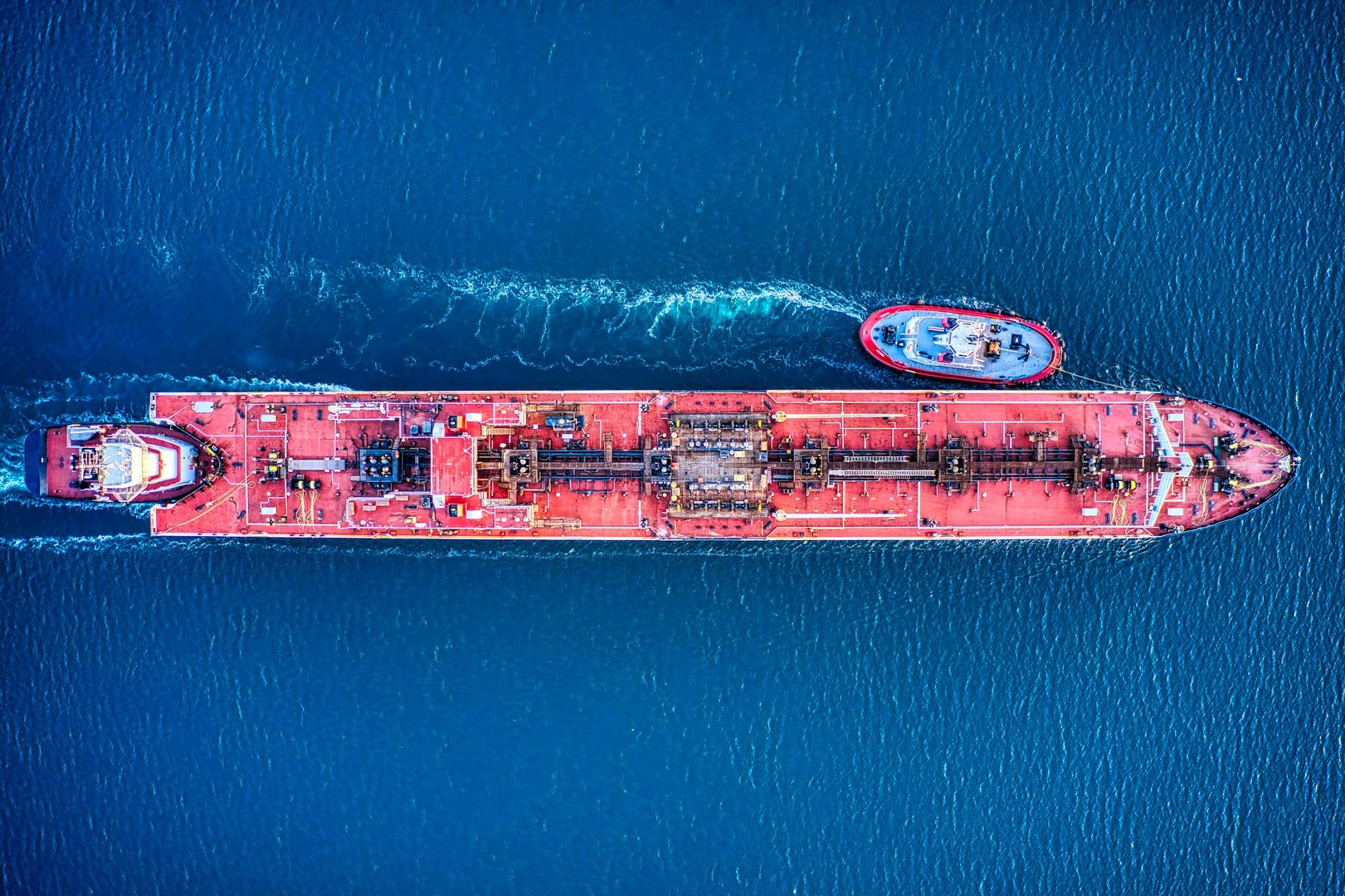
Editor’s Note: The opinions expressed here by the authors are their own, not those of impakter.com — In the Cover Photo: A red oil tanker. Cover Photo Credit: Venti Views