Impakter
  • Environment
    • Biodiversity
    • Climate Change
    • Circular Economy
    • Energy
  • FINANCE
    • ESG News
    • Sustainable Finance
    • Business
  • TECH
    • Start-up
    • AI & Machine Learning
    • Green Tech
  • Industry News
    • Entertainment
    • Food and Agriculture
    • Health
    • Politics & Foreign Affairs
    • Philanthropy
    • Science
    • Sport
  • Editorial Series
    • SDGs Series
    • Shape Your Future
    • Sustainable Cities
      • Copenhagen
      • San Francisco
      • Seattle
      • Sydney
  • About us
    • Company
    • Team
    • Partners
    • Write for Impakter
    • Contact Us
    • Privacy Policy
No Result
View All Result
  • Environment
    • Biodiversity
    • Climate Change
    • Circular Economy
    • Energy
  • FINANCE
    • ESG News
    • Sustainable Finance
    • Business
  • TECH
    • Start-up
    • AI & Machine Learning
    • Green Tech
  • Industry News
    • Entertainment
    • Food and Agriculture
    • Health
    • Politics & Foreign Affairs
    • Philanthropy
    • Science
    • Sport
  • Editorial Series
    • SDGs Series
    • Shape Your Future
    • Sustainable Cities
      • Copenhagen
      • San Francisco
      • Seattle
      • Sydney
  • About us
    • Company
    • Team
    • Partners
    • Write for Impakter
    • Contact Us
    • Privacy Policy
No Result
View All Result
Impakter
No Result
View All Result

An Interview with Juan Oliphant: Underwater Photographer and Conservationist

byJames Manson - Psychology Student at Stanford University
April 27, 2016
in Art, Culture, Lifestyle, Philanthropy, Photography, Science, Society
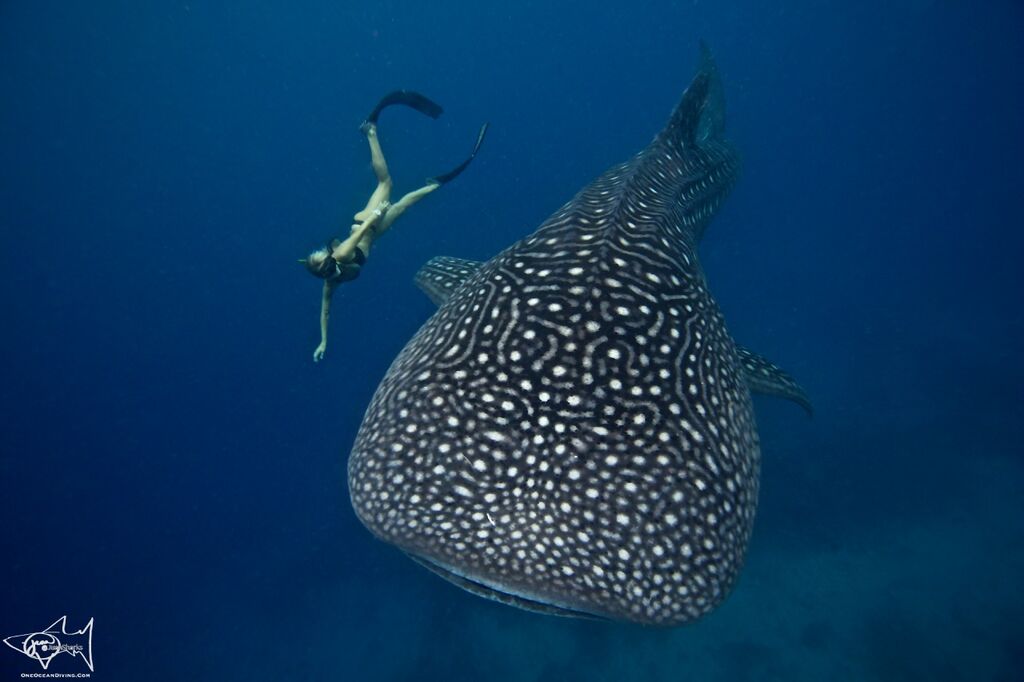
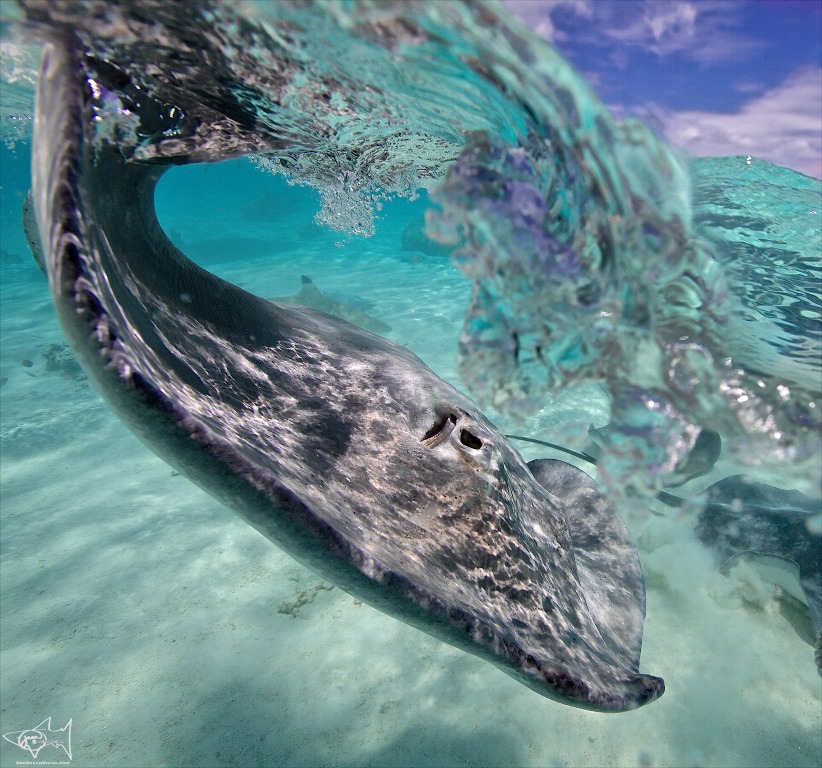
Juan Oliphant is more than an underwater photographer. While his photographs aptly capture the beauty in marine wildlife and his Instagram following is as impressive as the proximity which he can gain to sharks, he is as much of a conservationalist as he is photographer. Not only do his photographs spread positive messages about sharks to the masses that follow him on social media, but his work in research, as well as more overt conservation efforts, such as talks, and playing large roles in organizations, such as One Ocean Diving and Water Inspired, is certainly making waves in the protection of and changing perceptions of sharks.
We interviewed Juan about his life, conservation work, and photography.
What was your background before fully committing to marine photography? 
Juan Oliphant: My passion for the ocean and marine wildlife began at a young age, surfing and scuba diving. At the time I was also interested in photography, however, it was mainly weddings, events and surf photography that I dealt with. It wasn’t until I was working on one of the Sea Shepard’s dive and conservation boats that I realized there was a need to protect sharks. The project they were working on at the time was called Shark Water, which focused on the depletion of sharks in the Cocos Islands and Galapagos due to long lining and senseless killing of sharks. This project and documentary forever sparked a need to do what I can to help with shark and marine conservation.
 unspecified-2PHOTO CREDIT: JUAN OLIPHANT

Related articles: “THE ADVENTURE OF THE SEA – IN CONVERSATION WITH KURT ARRIGO“

“YOU CAN’T DESTROY A MOVEMENT: INTERVIEW WITH CAPTAIN PAUL WATSON“


When did you first dive with sharks? How difficult was it to overcome the expected fear impulse?
J.O.: The first shark I ever saw was a beautiful little white tip reef shark, while on a scuba dive. I quickly realized in that encounter that the shark was more scared of me than I was of it. My mentality had already changed then, but when I had the opportunity to dive with hundreds of hammerheads in the Galapagos, they wanted nothing to do with me and were more intimidated by me than I was of them. This completely convinced me that a perception change for these animals needed to occur. After that, I was able to witness sharks in a feeding environment, and, despite this, the fears I had been previously taught still weren’t accurate. That being said this realization was something I had to experience on my own.

Naturally, I have to ask, have you had any close calls or been there when others have?
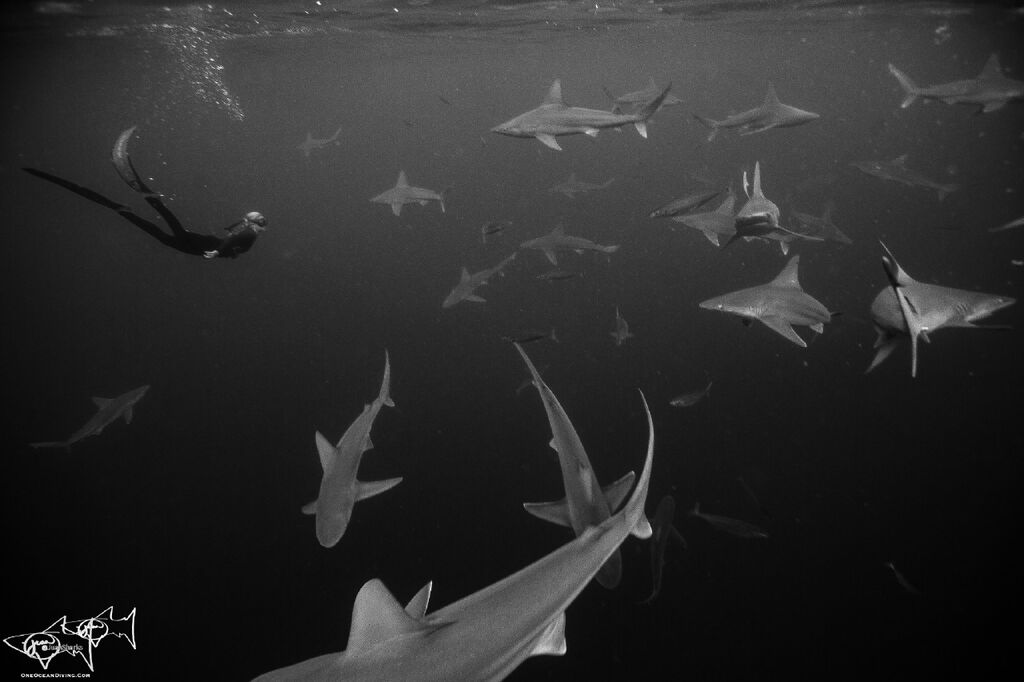
J.O.: Mostly, I’ve had a lot of sharks be interested in my camera and confuse it with potential food. This is because sharks have jelly filled pores called the Ampullae of Lorenzi which can sense the electrical currents coming from the device. There have been a few bites and checks to my cameras, but for close calls that’s pretty much it.
 unspecified-3PHOTO CREDIT: JUAN OLIPHANT

How do you find your shark subjects? Are there certain parts of the ocean that they’re more likely to be than others?

 J.O.: I generally travel to natural aggregate sites or “hot spots” for sharks around the world. I enjoy highlighting the natural beauty of the animals in those areas and expressing the need for them to be protected.

For a full mindmap behind this article with articles, videos, and documents see #photography


To what extent do you think that your photography work itself has helped change perceptions of sharks?  
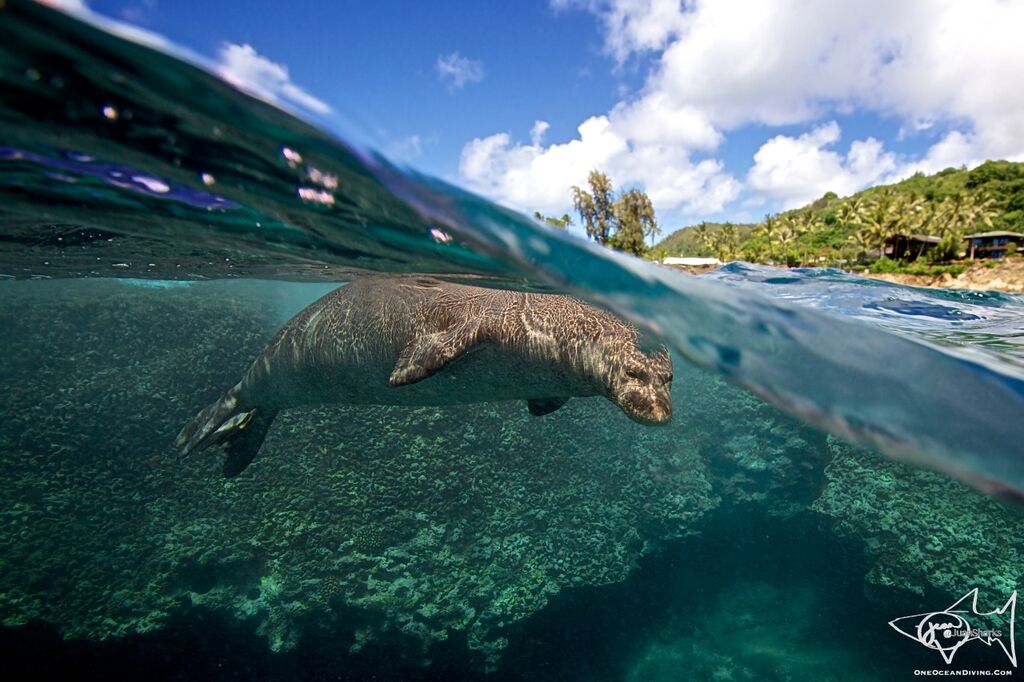
J.O.: Changing the perception of sharks was certainly the main goal in my work, and the reason why I got into the industry. Through social media, the attention my work has gotten sharks has definitely been very beneficial to that perception change. I’ve known a lot of people who have gone through this change in mentality and feel very differently about sharks now.
 unspecified-4 PHOTO CREDIT: JUAN OLIPHANT
Do you do any conservation work with sharks outside of photography?
J.O.: At One Ocean Diving we aid with various research on these animals. Whether it’s through tagging, biopsies, or field ID’s, it’s important to document those specific findings. We also participate in community outreach programs such as educational talks, presentations, events, and beach and reef clean ups.

What is your favorite type of shark to photograph? Are there any that are particularly curious with the cameras?
J.O.: That’s a very tough question. Whichever shark I am in the water with at that moment is my favorite shark to photograph. However, if I had to narrow down a top three I would say White Sharks, Tiger Sharks and Greater Hammerhead Sharks. As far as curiosity, the more dominant sharks tend to express more interest in the camera. I would say I’ve had more Tigers on my camera than any other species.
Jual oliphantPHOTO CREDIT: JUAN OLIPHANT

Recommended reading: “DIVING DEEP WITH MORGAN MAASSEN“


FEATURED IMAGE: JUAN OLIPHANT
EDITOR’S NOTE: THE OPINIONS EXPRESSED HERE BY IMPAKTER.COM COLUMNISTS ARE THEIR OWN, NOT THOSE OF IMPAKTER.COM.
Tags: artClimate ChangeConservationEnvironmentGalapagosImpakterJames MansonMarineMarine PhotographyoceanOne Ocean DivingphotographySea ShepardSea ShepherdSharksthingserWater InspiredWildlife photography
Previous Post

A Quest for Inspiration with Nicole Eddy

Next Post

Music and Broadening Horizons: Mr Flash Talks Vision and Changing Perspectives.

Related Posts

How Airlines Could Cut Emissions in Half Without Flying Less
Business

How Airlines Could Cut Emissions in Half Without Flying Less

March 12, 2026
News regarding independent publishers bringing more sustainability in the publishing industry.
Environment

How Independent Publishers Are Helping Advance Sustainability

March 12, 2026
Space‑Based Solar Power test
Energy

Solar Power From Space: How Close Is It to Reality?

March 11, 2026
Next Post
Music and Broadening Horizons: Mr Flash Talks Vision and Changing Perspectives.

Music and Broadening Horizons: Mr Flash Talks Vision and Changing Perspectives.

Recent News

WHO warning on health risks from “black rain” after oil refinery strikes in Iran

WHO Warns of Health Risks from ‘Black Rain’ in Iran

March 12, 2026
How Airlines Could Cut Emissions in Half Without Flying Less

How Airlines Could Cut Emissions in Half Without Flying Less

March 12, 2026

Impakter informs you through the ESG news site and empowers your business CSRD compliance and ESG compliance with its Klimado SaaS ESG assessment tool marketplace that can be found on: www.klimado.com

Registered Office Address

Klimado GmbH
Niddastrasse 63,

60329, Frankfurt am Main, Germany


IMPAKTER is a Klimado GmbH website

Impakter is a publication that is identified by the following International Standard Serial Number (ISSN) is the following 2515-9569 (Printed) and 2515-9577 (online – Website).


Office Hours - Monday to Friday

9.30am - 5.00pm CEST


Email

stories [at] impakter.com

By Audience

  • TECH
    • Start-up
    • AI & MACHINE LEARNING
    • Green Tech
  • ENVIRONMENT
    • Biodiversity
    • Energy
    • Circular Economy
    • Climate Change
  • INDUSTRY NEWS
    • Entertainment
    • Food and Agriculture
    • Health
    • Politics & Foreign Affairs
    • Philanthropy
    • Science
    • Sport
    • Editorial Series

ESG/Finance Daily

  • ESG News
  • Sustainable Finance
  • Business

About Us

  • Team
  • Partners
  • Write for Impakter
  • Contact Us
  • Privacy Policy

© 2026 IMPAKTER. All rights reserved.

No Result
View All Result
  • Environment
    • Biodiversity
    • Climate Change
    • Circular Economy
    • Energy
  • FINANCE
    • ESG News
    • Sustainable Finance
    • Business
  • TECH
    • Start-up
    • AI & Machine Learning
    • Green Tech
  • Industry News
    • Entertainment
    • Food and Agriculture
    • Health
    • Politics & Foreign Affairs
    • Philanthropy
    • Science
    • Sport
  • Editorial Series
    • SDGs Series
    • Shape Your Future
    • Sustainable Cities
      • Copenhagen
      • San Francisco
      • Seattle
      • Sydney
  • About us
    • Company
    • Team
    • Partners
    • Write for Impakter
    • Contact Us
    • Privacy Policy

© 2026 IMPAKTER. All rights reserved.