In the ever-evolving landscape of alternative fuel vehicles, two contenders have arisen, poised to disrupt gasoline’s dominance: hydrogen and electric-powered cars.
As the world seeks cleaner and more sustainable transportation options, these innovative technologies are sparking debates and discussions. But what sets them apart? Let’s take a joyride through the world of hydrogen and electric cars to understand their strengths, weaknesses, and potential.
How do electric and hydrogen cars work?
Electric cars have been cruising into the mainstream and for good reason. Picture a car that runs on electricity stored in a battery, just like your smartphone. When you plug it in, the battery soaks up the power, and then the car’s engine revs up using that energy. Simple, right? Electric cars zip around town without emitting harmful gases, which means guilt-free road trips and fewer emissions.
Now, hydrogen cars are the intriguing underdogs in the race. These vehicles are a bit more complex. Their power comes from hydrogen, which is pumped into a high-pressure tank, and ventures into a “fuel cell.” This is where the magic unfolds – hydrogen splits into protons and electrons, and while the protons turn into harmless water, the electrons power the car. Hydrogen cars boast quick refueling – a pit stop almost as swift as filling up a regular gas tank.
Pros of Electric Cars
In the quest for sustainable transport, electric cars have swiftly gained traction. A standout feature is their well-established charging infrastructure. Governments worldwide are weaving a dense network of charging stations, making refueling as accessible as your local corner store.
The European Union recently passed a law ensuring fast-recharging stations along its major transport routes. This means residents will be able to juice up their EVs with ease, no matter where the journey takes them. In turn, manufacturers in the continent are designing more and more electric models every day.
Under the Bipartisan Infrastructure Law, the great American road trip will be fully electrified.
With the largest investment in electric vehicle charging ever, this Administration is making electric vehicles more accessible and affordable for Americans all over the country. pic.twitter.com/b9P3LLieiP
— The White House 46 Archived (@WhiteHouse46) May 24, 2023
Moreover, EVs are usually easier on the wallet than their hydrogen cousins. The cost of recharging during off-peak hours can be an economical choice.
Additionally, EVs have fewer moving parts compared to traditional combustion engines. Electric motors are designed for longevity, consequently requiring less maintenance and reducing the likelihood of mechanical hiccups.
Related Articles: The 5 Best Small Electric Cars of 2023 | As We Switch to Electric Vehicles, What Is Happening With All the Old Cars? | EU Bans the Sale of CO2-Producing Cars After 2035
Pros of Hydrogen Cars
Hydrogen cars step onto the scene with their own set of charms. One of the most compelling draws is their rapid refueling capability. While electric cars might hum a longer tune at charging stations, hydrogen vehicles zip through a refueling session almost as quickly as conventional gasoline cars.
But it’s not just about speed; hydrogen cars also boast an impressive range, capable of covering substantial distances before needing another refill. And let’s not forget their eco-friendly encore – emitting nothing but pure water vapor, they leave the environment untouched.
Another feather in their cap is their renewable source of power. Hydrogen, the most abundant element in the universe, presents a sustainable fuel option that holds promise for a cleaner energy future.
Hydrogen-powered mobility 💡
The BMW iX5 Hydrogen offers an additional option for e-drive systems. Stay tuned to discover some of its key benefits. #BMWGroup #THEiX5Hydrogen #emobility pic.twitter.com/nFzoapcpQR
— BMW Group (@BMWGroup) August 7, 2023
Cons of Electric Cars
While electric cars are often regarded as the icons of green transportation, they do have their share of limitations. The most prominent among these is the range anxiety that can creep in during long-haul drives. Although electric vehicles have made significant strides in extending their mileage, the concern about running out of power during lengthy journeys remains.
Additionally, recharge times, despite advancements, remain considerably longer compared to conventional refueling, making unplanned road trips challenging. While refueling a traditional gasoline-powered car is a swift process, recharging an electric vehicle’s battery demands significantly more time. This can be a deterrent for those on the move or with limited access to charging infrastructure.
Another factor that warrants attention is the environmental footprint associated with electric car manufacturing. The production of lithium-ion batteries, which power electric vehicles, carries a considerable environmental weight. Its resource-intensive mining processes raise ethical concerns related to labor conditions and environmental impact in mining regions.
The disposal and recycling of these batteries also pose challenges, contributing to a complex sustainability equation.
Cons of Hydrogen Cars
Hydrogen cars also present their drawbacks. The primary stumbling block is the lack of a robust refueling infrastructure. While Asia is leading the way when it comes to hydrogen cars, Europe currently has only around 228 refueling stations. The lack of hydrogen stations makes these cars less practical for everyday use, particularly in areas without a well-established network.
Moreover, the upfront cost of acquiring a hydrogen vehicle can be a significant deterrent for potential buyers. While the promise of swift refueling is enticing, the associated refueling costs may not align with the cost-efficiency expectations of many consumers.
In terms of safety, hydrogen’s highly flammable nature also raises concerns. Although advancements have been made in ensuring safety, the public’s view might take a little longer to catch up with the tech.
And then there’s also the challenge of producing hydrogen sustainably. While the fuel itself holds promise as a renewable source, current production methods often rely on fossil fuels, negating some of its eco-friendly potential.
Electric or hydrogen cars? What will be the future of transportation?
Ultimately, the choice between hydrogen or an electric car hinges on a multitude of factors – from infrastructure availability and practicality to environmental considerations and personal preferences. While each contender has its merits and limitations, they both share a common destination: a greener, more sustainable tomorrow.
As we glance at the road ahead, one thing remains clear: innovation is the driving force behind these revolutions. With technology evolving at a relentless pace, obstacles are being addressed, and solutions are being forged.
The tug-of-war between electric and hydrogen cars is a testament to humanity’s ceaseless pursuit of cleaner, more efficient modes of transportation.
So, as we embark on this transformative journey, let’s embrace the diversity of options and collectively steer toward a brighter automotive future, where innovation, sustainability, and progress intersect harmoniously on the road ahead.
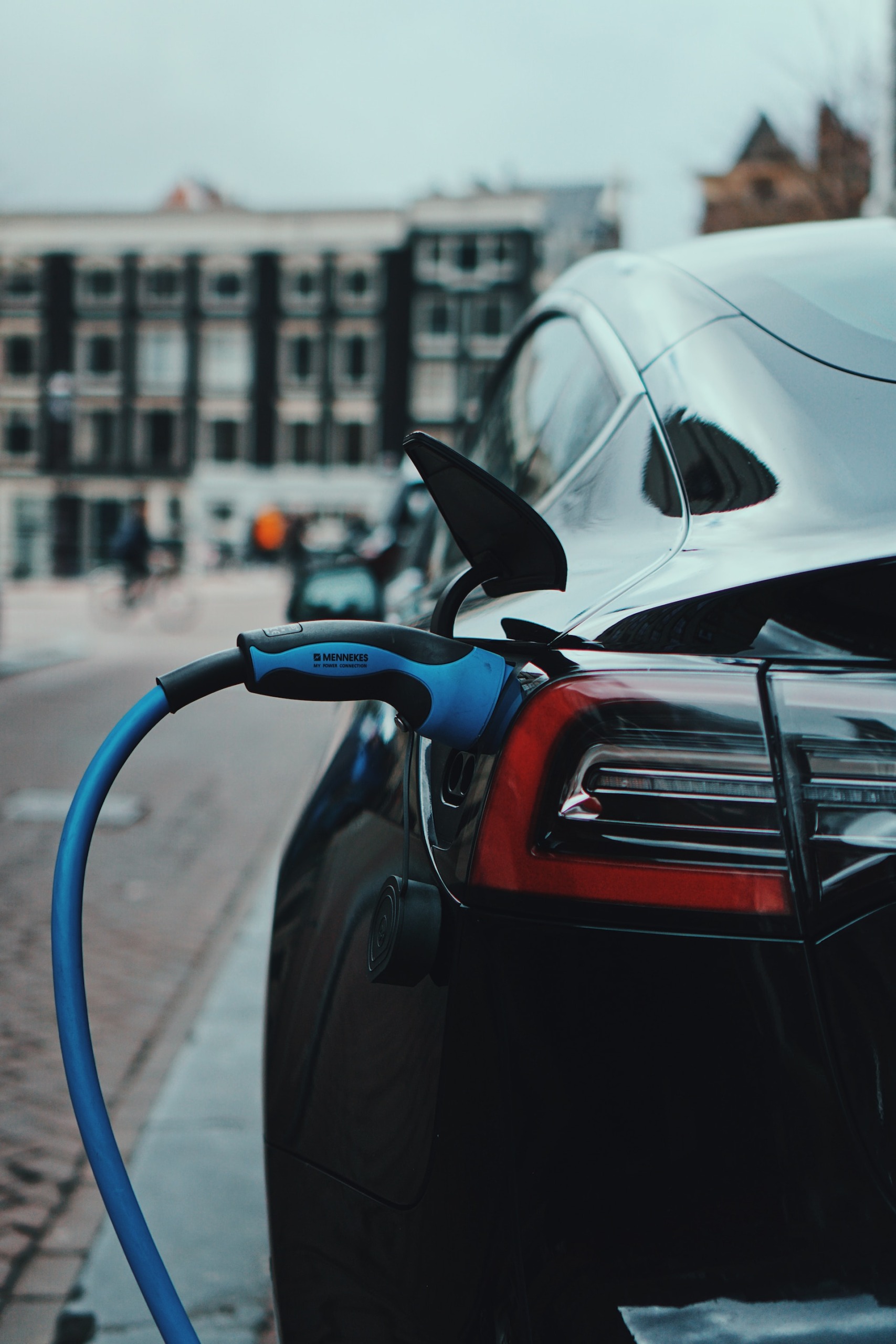
Editor’s Note: The opinions expressed here by Impakter.com columnists are their own, not those of Impakter.com. –In the Featured Photo: Electric car at a charging station. Photo credit: Unsplash.