Last month, Global Witness released a report titled “Roots of Resistance: Documenting the Global Struggles of Defenders Protecting Land and Environmental Rights.” The investigation found that in 2024, 146 people around the world were murdered or disappeared for their environmental activism.
Eighty-two percent of those victims lived in Latin America.
Across the region, people are murdered for protecting forests, opposing harmful projects, and reclaiming rights to ancestral lands. While it’s often a hitman pulling the trigger, larger forces fund and direct the violence. Some perpetrators represent state or commercial interests. Others have ties to organized crime.
While the situation is bleak, Global Witness outlines how states and businesses can break the pattern of violence.
A History of Exploitation and Resistance
Since the arrival of the Spanish in 1492, Latin America has been the site of significant environmental exploitation. In many regions, mining served as the basis for the early colonial economy. Indigenous miners in Huancavelica, Peru, were literally worked to death, poisoned by the same toxins they were releasing into the atmosphere.
Agriculture was another frequent cause of environmental and social degradation. Even after Latin American nations earned their independence, a wealthy minority kept control of most of the land. In recent decades, the increasing practice of monoculture and the expansion of the cattle industry have further damaged natural environments.
This history has forged a culture of environmental resistance.
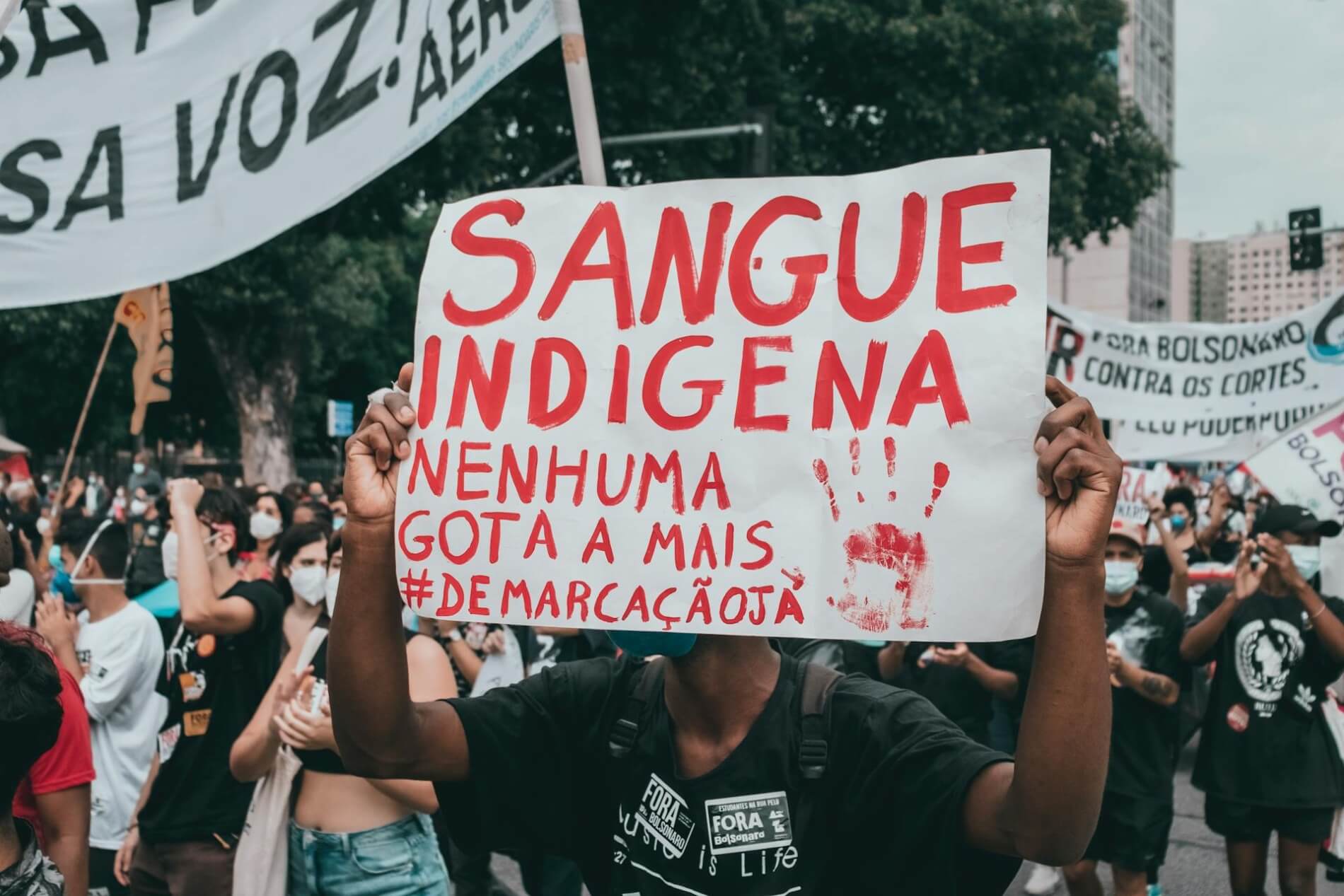
For decades, Latin American activists have opposed the harmful extraction of natural resources. Farmers proudly practice sustainable agriculture, while Indigenous and Afro-descendant communities profess a love of nature as a central aspect of their culture.
Today, these communities face a wide array of environmental challenges. Drought, wildfires, and water pollution plague the region, and they are often caused by human activity.
Some governments, businesses, and criminal groups have an interest in maintaining the harmful practices that cause environmental problems. This puts them in direct conflict with activists, often with violent results.
Hotbeds of Anti-Activist Violence
Violence against environmental activists is especially common in a few Latin American countries. Colombia saw 48 activists killed or disappeared in 2024, more than any other nation. According to Global Witness, the prevalence of organized crime is largely to blame.
Colombia’s government maintains only a weak presence in areas of the country that were once controlled by the Revolutionary Armed Forces of Colombia (FARC). Armed criminal groups have exploited the vacuum, enriching themselves through illegal activities and targeting activists who push back.

Guatemala, meanwhile, had the most victims per capita, with 20 activists killed or disappeared. Global Witness identifies organized crime and the exploitation of natural resources as major drivers of the nation’s violence.
The region’s two most populous countries also recorded high numbers. Mexico saw 19 activists killed or disappeared, while Brazil recorded 12.
Global Witness warns that, with many violent acts going unreported, the figures cited are likely to be underestimates.
Highlighting Victims’ Stories
The Global Witness report narrates the experiences of several activists who were murdered, disappeared, or threatened.
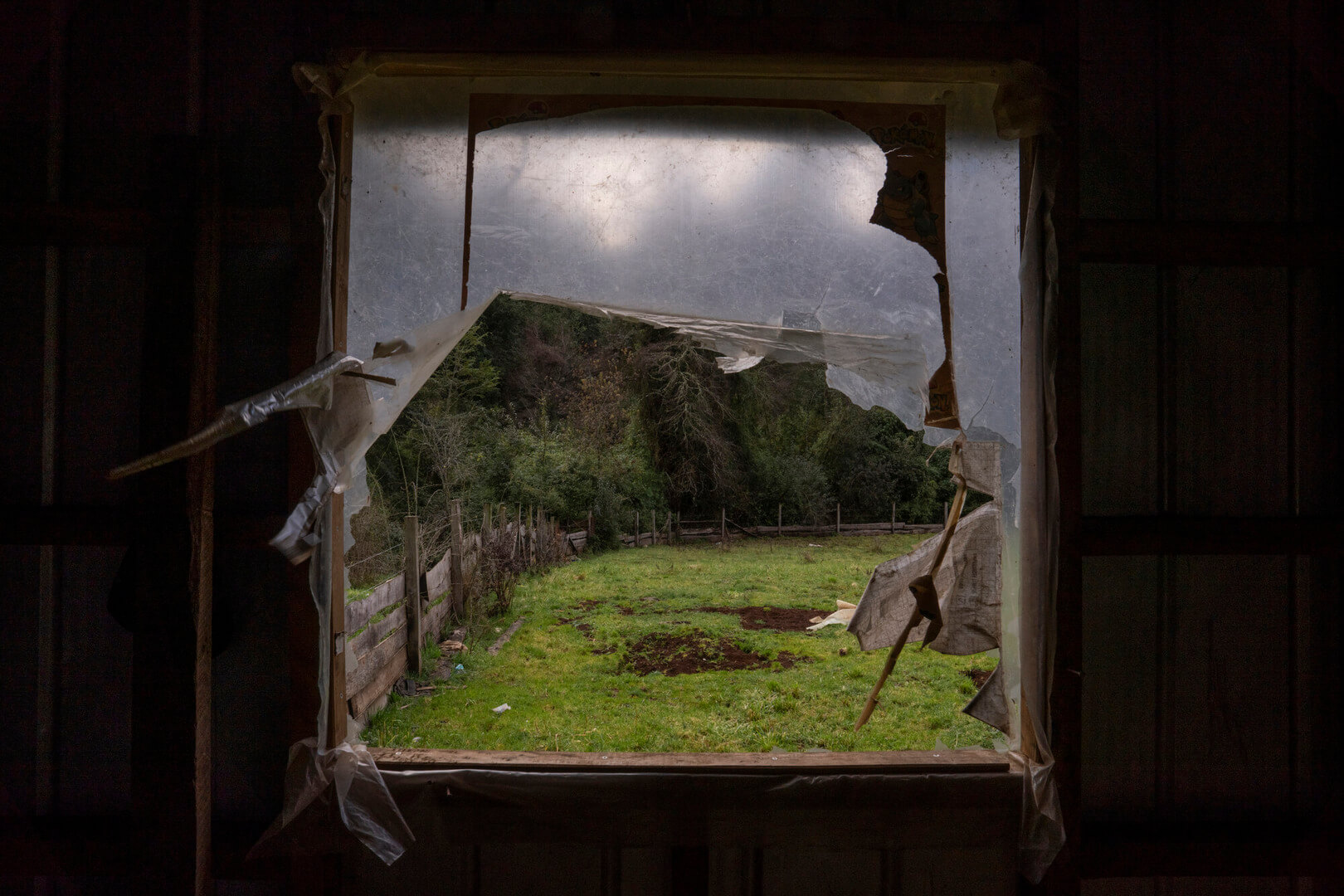
On Nov. 24, 2024, Julia Chuñil, a 72-year-old activist in Chile and a member of the Mapuche Indigenous group, disappeared while out with her dog. Chuñil had been a vocal advocate for the Mapuches’ land rights, raising the ire of businesspeople with interests in the local pine and eucalyptus plantations. In the years before her disappearance, she was regularly harassed by a local entrepreneur.

Chuñil’s family wants the Chilean authorities to consider her activism as they investigate her disappearance. Instead, authorities have focused on questioning the relatives themselves. For Chuñil’s family, this reflects a general trend of state discrimination against the Mapuche people.
Since 2012, Global Witness has reported five environmental activists murdered or disappeared in Chile. Four of them were Mapuches.

The Global Witness report also highlights the story of Jani Silva, a Colombian activist who helped create the Perla Amazónica Peasant Reserve Zone in 2000. Since then, she has faced multiple death threats and assassination attempts.
Silva eventually received state protection. While this status has helped her avoid becoming another mortal victim, it has also limited her capacity for activism. Her story shows how, even when death is avoided, the threat of violence destroys lives while hurting environmental causes.
The Forces Behind the Violence
According to Global Witness, the intellectual authors of attacks on environmental defenders are often tied to corporations, states, and organized crime.
Among perpetrators with corporate interests, the mining sector was especially responsible for violence, linked to 29 murders or disappearances in 2024. The logging industry was the second-largest offender, connected with eight violent acts worldwide.

In a third of all cases recorded in 2024, the perpetrators had links to organized crime. In the Amazon, for example, criminal organizations engage in illegal activity that worsens deforestation — and they act violently against the environmental defenders who oppose them.
State actors, including police officers and military forces, were responsible for 17 killings. And even when representatives of the state don’t commit the actual crime, concerns of state complicity abound. Often, governments fail to prosecute the business and criminal elements behind activists’ murders. For many observers, the implication is clear: In a region overwhelmed with corruption, government officials sometimes have the criminals’ interests at heart.
How States Can Prevent Future Violence
Corruption and criminality are hampering the fight to protect environmental activists in Latin America. But for well-intentioned actors, there are real solutions that could help reduce the violence.
Global Witness offers recommendations for two key stakeholder groups: states and businesses.

States are pressed to recognize the land rights of Indigenous peoples and rural communities while also ratifying and implementing environmental agreements. For example, the Escazú Agreement, signed by 26 countries in Latin America and the Caribbean, promises to protect environmental defenders. Eight countries in the region have still failed to ratify it. Activist groups say ratifying and implementing this agreement would protect both the environment and human lives.
Global Witness also asks states to enact “comprehensive land reforms that redistribute land and promote fairer land ownership.” This, the organization says, would address the structural inequities that ultimately lead to violence. When Indigenous groups and rural communities own their land, they can better protect themselves against exploitative practices.

Another recommendation addresses the pattern of “criminalisation against land and environmental defenders.” Far too often, the power of the state is used to target activists. These reprisals are sometimes justified by “laws related to terrorism, sedition, defamation, or public order.”
Global Witness urges governments to repeal or revise the laws that perpetuate this pattern of criminalization.
Related Articles: The Role of Student Activism in Environmental Conservation | Why Is Colombia The Most Dangerous Country For Environmentalists?
The Role Business Can Play
For businesses, Global Witness recommends respecting the rights of affected communities and “strengthen[ing] human rights due diligence and accountability.”
A business’s responsibility lasts throughout a project’s lifetime. Before work begins, companies should consult local communities and secure informed consent. As the project commences, businesses have a moral duty to provide communities with accessible grievance mechanisms.

When activists fear that a project is infringing on their rights, companies should be ready to listen. And if necessary, Global Witness says, businesses must offer “restitution, compensation, rehabilitation, and guarantees that harms won’t be repeated.” Global Witness also demands that businesses monitor their practices while maintaining a “strict zero-tolerance policy on attacks against defenders.”
Creating and enacting a plan for ethical business development can be challenging for companies. Fortunately, there are resources that can help. Global Witness suggests that businesses refer to the UN Guiding Principles on Business and Human Rights and the OECD Guidelines for Multinational Enterprises.
Amid Challenges, a Path Forward
The Global Witness report comes at an especially challenging time for environmental activists in Latin America and around the world. The United States, the world’s largest economy, has pulled out of the Paris Climate Agreement. Meanwhile, other right-wing governments are questioning green initiatives, and the capacity for global cooperation seems to be waning.

Global Witness also notes that “[r]ising demand for food, fuel, and commodities has seen land grabs surge for benefitting industries like mining, logging, agribusiness, and infrastructure projects.” This dynamic increases tension between business interests and local communities.
Despite these challenges, policy solutions are available that can protect environmental defenders, including the implementation of the Escazú Agreement. Brazil’s Minister of the Environment and Climate Change, Marina Silva, sums up the situation well:
“[T]here is nothing left to do but implement, implement, implement.”
If states and businesses act as recommended, environmental activism in Latin America could cease to be a deadly occupation.
Editor’s Note: The opinions expressed here by the authors are their own, not those of Impakter.com — In the Cover Photo: A broken window in the home of Julia Chuñil, a Mapuche land defender who disappeared in November 2024. Cover Photo Credit: Tamara Merino