As climate change is accelerating, so is desertification. And deserts are becoming ever more a challenge that needs to be addressed frontally – through every means available, including plants that show promise of regeneration in extreme conditions, from mangroves to hemp.
Consider the desertification challenge: more than three-quarters of our earth is covered with oceans. Of the one-quarter of land, one-third, exactly 33% is desert.
By desert, we refer to the vast arid plains which lack moisture and see more overall evaporation than rainfall throughout the year. These areas usually need an independent source of water for the land to be cultivated.
Spotlight on desertification, the ins and outs of a difficult struggle
How to combat the spread of sand: Let’s start with the effects of erosion on fertile soil which houses fruitful plants. This desecration is exacerbated by our use of microplastics, short-term-high yield agriculture and the huge unequal repartition of resources between private sector institutions and the average everyday farmer.
Water is a big deal to life, and evermore so under a blazing sun.
For desert dwellers, compromise is second nature. It is known that there are limits to how much land can be planted before it starts to erode under the sun’s harsh blaze.
We’ve heard of the ‘Great walls of trees’ belting the growing deserts of China and Africa, the root systems of these trees act as an anchor for the soil to mat together.
This is how it works: The branches, leaves and trunks act as anti-erosive barriers. Local fauna receives shade and sometimes nutrition from the foliage, which will return nutrients to the soil come autumn. These dendritic barriers protect the fields of farmers whose soil is susceptible to the creeping dust and sand, threatening whatever produce is able to grow.
Several plants have been nominated to reclaim the desert. Whether they can succeed remains to be proven. Certainly, we’d need to achieve de-desertification on Earth before sending people into the abyss to terraform Mars or other desert planets.
Scientists have gotten pretty far by planting mangrove forests, for example the Eastern Mangroves National Park in Abu Dhabi.
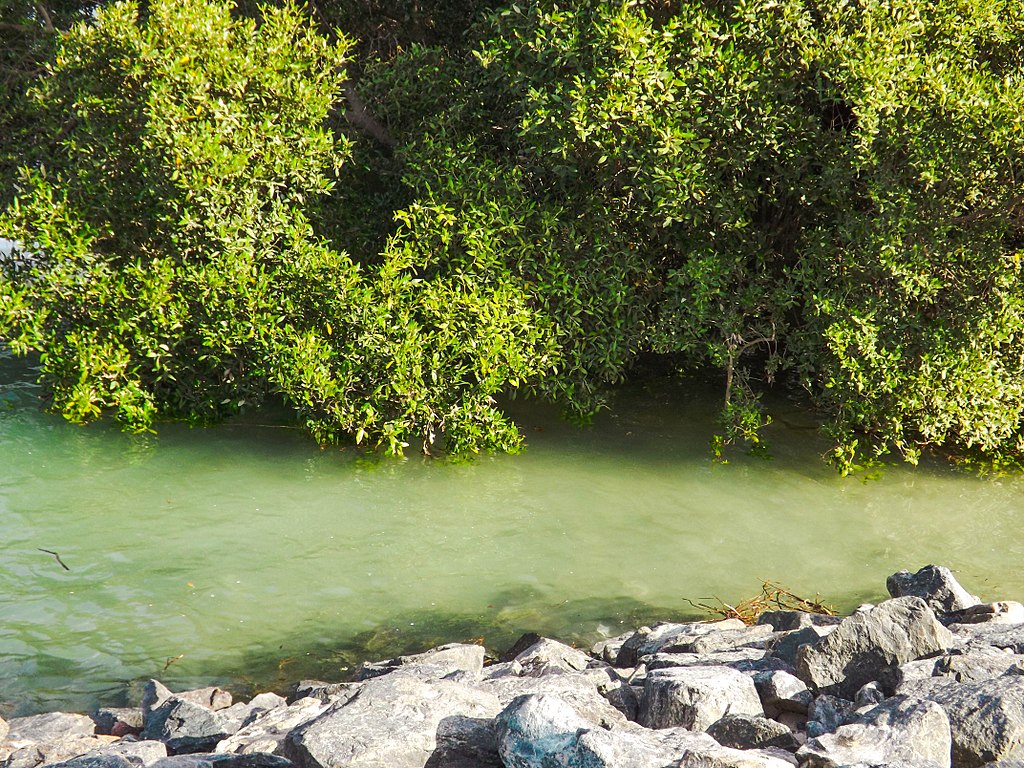
Kayaking around the canals between small islands of sand planted with mangroves, you can observe the beginnings of the experiment first-hand.
Mangroves can live on briny water. Some scientists believe mangroves have the potential to jump-start the ecosystem making way for freshwater plants to flourish.
A healthy ecosystem will “heal thy people”.
Another resilient plant that shows promise for regenerating soil is hemp. Despite hemp’s ancestral heritage as a mainstay crop, several modern stigmas would need to be overcome.
Some say that H.E.M.P stands for: Help End Marijuana Prohibition, and that might be true. What is known about hemp is not being promoted in schools nor on the global market.
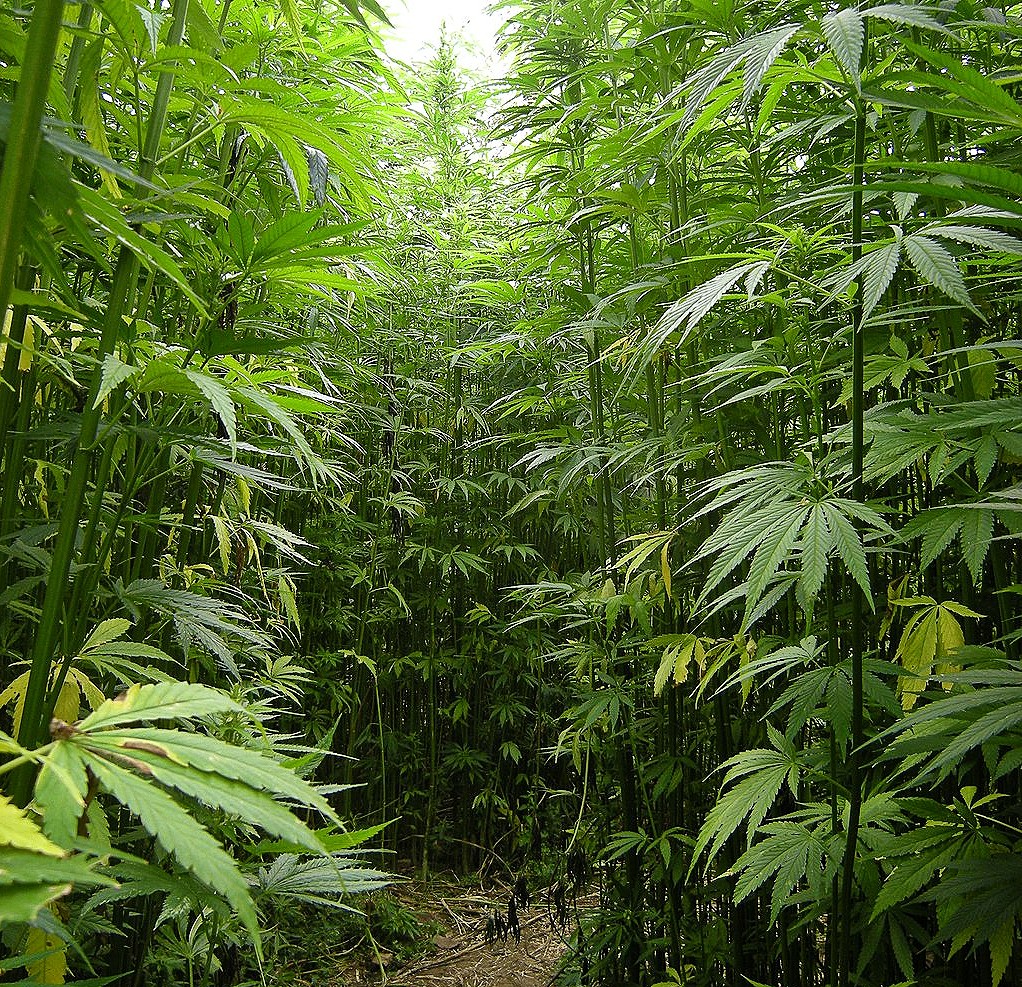
During a time of climate crisis, sustainable instability, economic recession and worldwide conflicts, can we afford to ignore plant materials and stay on the same path that has already caused harm to the earth?
That path, as we all know it only too well, is paved with plastic.
How our reliance on plastics displaced natural materials, including hemp
Plastic production is expected to more than double by 2040, and WWF has warned that, as a result, plastic debris in the ocean will quadruple by 2050. In line with those trends, current projections expect global plastic packaging production to quadruple by the year 2050 – and only 2% of the total is recycled in a “close loop”. In short, recycling rates are by no means keeping up with the massive amount of plastic packaging produced.
Microplastics in particular, as recent studies show, are extremely damaging to both human and animal health as they are unknowingly ingested in the system, even through simple breathing.
Society has been changing at an accelerating rate these last few decades, the question is, toward what?
While our youth is inundated with a growing artificial depiction of life, nature and truth, we will continue to play a telephone-like whisper game cycling viciously into irrelevance, becoming, with every new generation, more incoherent to the previous one.
In the developed world, 90% of average daily life is spent indoors and seven hours a day looking at a screen. Because modern teaching methods all involve technology, we are inextricably influenced by media from an increasingly younger age. Therefore, to assume that our children’s pre-developmental brains are entirely their own would unfortunately be wishful thinking.
Now more than ever, the long-held control of groups owning large portions of the media are engineering social behaviors using this influence. No one is making choices for us per se, we are merely being cunningly convinced to consume both mal-nutritious food and mental garbage with restricted access to alternative options or information.
The promise of hemp
Before plastic was invented in the West, we had common knowledge of the many pure materials this planet has to offer, notably hemp, being one which had hundreds of applications at the time.
Today, we estimate that hemp could contribute as a raw material in over 50,000 products. This biodegradable wonder can be made to be as versatile as plastic, without the chemical hazards that petrol causes.
I call it a wonder because by replacing plastic and paper with hemp, we can reduce both deforestation and marine pollution significantly. Instead of invading forests that have been growing for decades, we can cultivate fast-growing fields of industrial hemp and turn the pulp into paper.
Many studies have shown that an area of hemp can produce more paper than the same size area of trees, taking hemp mere months instead of years to grow.
My mission, as part of a threatened generation, is to make hemp known as one of the best substitutes for single-use plastic and paper.
It was widely used across the old world for its arid growth qualities and adaptive nature.
The very first paper-maker in ancient China is thought to have used a mixture of mulberry bark, hemp, and rags in order to achieve a paper-like result. This is speculated to be slightly older than two millennia.
Hemp is extraordinarily adaptable to a wide range of ecological conditions. It grows in African dry weather, as well as British wet climate. It thrives in all fifty states of North America, almost as if it was meant to exist wherever humans do. I want to emphasize that hemp is a symbiotic organism to most species.
As humans, for optimum health we need it to expressly grow in our local environment. It is vital for a balanced endocrine system, which ensures the regulated secretion of hormones in living organisms. An imbalanced endocrine system leads to widespread health problems.
Let us briefly consider how the removal of hemp has increased the hormonal disruption of the world population, and how this decline in overall health was made worse after plastic and paper were introduced. Why else would a mother’s breast produce natural cannabinoids within its milk, ensuring the healthy development of her newborn? Surely to keep the infant rested and fed within the ideal parameters of nature. Thanks to endocrinologists, we now know the harms that daily use of plastics has had on the body.
Education on the prevention of plastic contamination however is almost non-existent. Recycling in this sense is no solution: It is similar to the naïve idea of healing by treating symptoms instead of the root cause of the disease.
The cause for continuing reliance on plastics is the constant demand for convenience-based satisfaction. Some say we are being made that way through social engineering and subliminal media influence.
We are in a plastic chokehold instead of letting hemp do the work
Since the late ’70s, when worldwide plastic production skyrocketed, obesity rates have risen accordingly. So did the quality of healthy sperm count in men drop. I’m certain that with a minimum of well-meaning research, undisputable links can be found between the ‘plastic lifestyle’ and the prevailing common diseases.
The average individual is exposed to thousands of synthetic chemicals every day. Although they are approved by safety regulators, many of these are hands-down hazardous. Especially for fetal or newborn organisms at the stage of rapid growth, these babies are at the highest risk of having life-affecting birth defects. It’s safe to say that many of them contribute to the dropping rates of fertility in both men and women and increasing generational cases of hormonal imbalance.
Plastics, foods and paper, containing endocrine disruptors, are actively the cause of weakened nervous system function. A chemical ‘attack’ on the brain and body. From there, we can see that the consumption of endocrine disruptors leads to multiple conditions which are extremely prevalent in today’s world, such as: Obesity, diabetes, respiratory problems, certain cancers, early puberty, learning disabilities, detrimental sperm quality and unfortunately, a myriad of other side-effects.
These chemicals are approved, they’re legal and they’re in children’s toys.
I mentioned how cannabis, as a natural chemical can have homeostatic effects on the endocrine system, meaning, its effect on the body is opposite to endocrine disruptors. Why has it been illegal for so long? What more do humans ignore about this symbiotic organism that could help us, and heal the Earth? We need to stop stigmatizing hemp to the point of neglect.
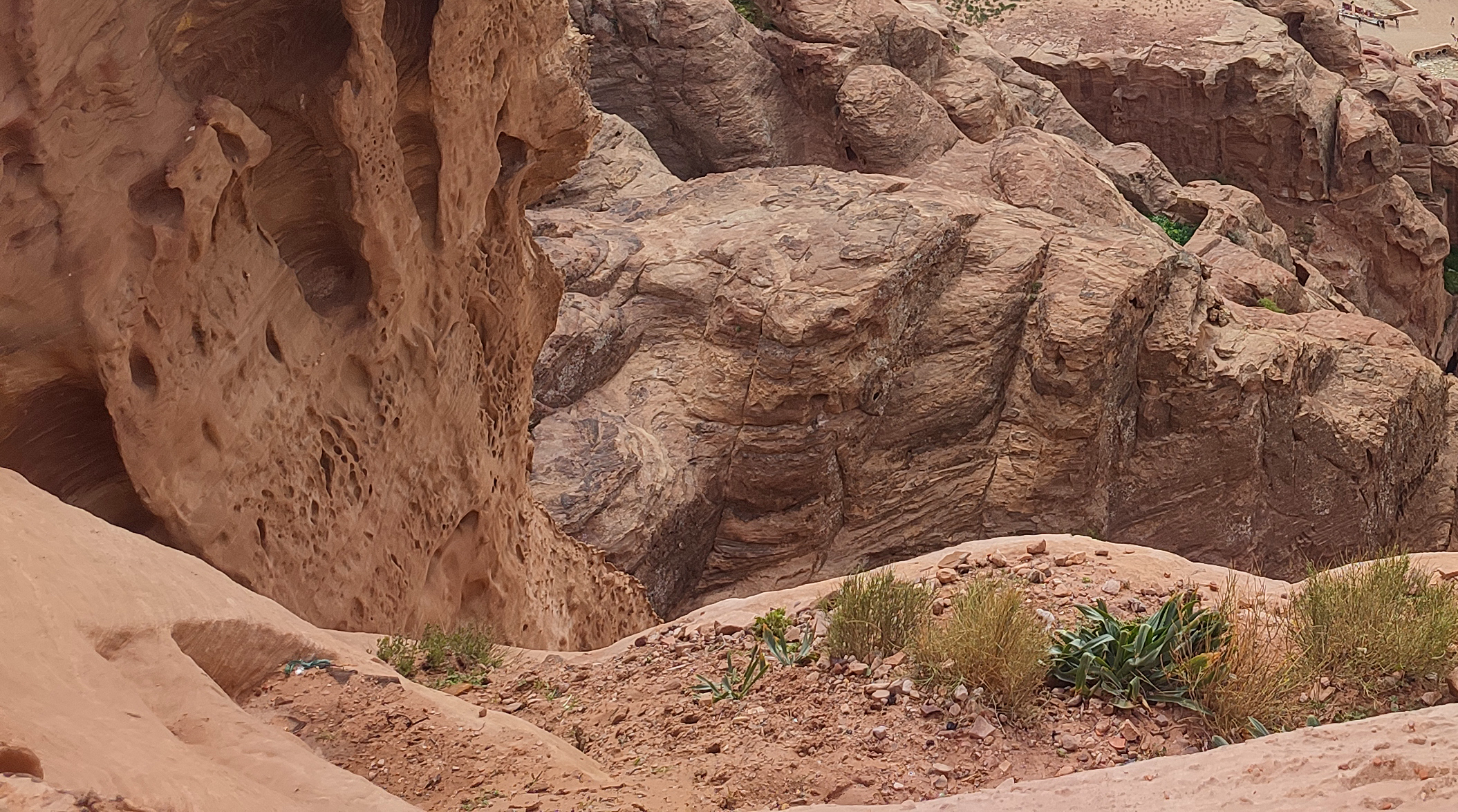
Editor’s Note: The opinions expressed here by the authors are their own, not those of Impakter.com — In the Featured Photo: Plant in the desert Author photo