Two years of fighting in Ukraine has damaged Russia’s reputation so badly, it’s switching strategy when it comes to global influence.
In a departure from the Soviet approach that relied on soft power — investing in satellite states’ infrastructure, education, and weapons at a significant cost while achieving limited results — Russia has switched to engaging with the proxy groups it finds useful.
In the Middle East, this means Moscow is providing limited aid to Hamas, Hezbollah, and Ansar Allah (Houthis), positioning itself on the side of resistance, Russia presents its actions as seeking to right the wrongs of colonial powers represented by the US and its allies.
Reports of Russian efforts to recruit mercenaries for its war in Ukraine highlight another benefit the latest Middle Eastern crisis, with its potential to turn into a regional conflict, can provide.
A significant pool of potential Palestinian recruits in Lebanon, confined to refugee camps without many economic prospects, could become a welcome addition to Russian forces at a much cheaper rate of USD$350 per month versus the USD$4000 it pays domestic volunteers.
Previous Russian recruitment efforts in Syria and elsewhere underline the pattern of Moscow’s interactions switching from the Soviet-era satellite model to something entirely different.
The prospect of Israel attacking Hezbollah and dragging Lebanon ever closer to a failed state would increase the potential pool of recruits for Russia.
Russia’s failure at soft power is a direct result of its invasion of Ukraine, manifested by events in former Soviet states such as Georgia, Armenia, Moldova and Kazakhstan. Even its friendly relations with Serbia and Slovakia are now undermined by mass protests.
In the Middle East, Moscow’s once-friendly ties with Israel have soured, reverting to the familiar tropes of anti-semitism, despite Israel’s careful threading on the issue of Ukraine both in its public statements, almost non-existent military assistance to Kyiv, and coordinating its own military activity in Syria with Russia since 2015 in an effort to avoid accidents.
Those days seem to be over.
Since the October 7 attack, Russia came down on Hamas’s side, blaming the US for its failing Middle Eastern policies.
Russia’s stance was on display in its call for the United Nations Security Council to accept a resolution condemning violence and terrorism against Gaza’s civilians, aimed mainly at Israel and omitting any mention of Hamas.
This conveniently ignored Russia’s own role in inflicting violence on Ukrainians and Syrians.
The latest bloodshed in the Middle East helps Russia not only by distracting the world’s attention from the war in Ukraine but by presenting the US and its allies to the Global South as a colonial power with a selective position on aggression and use of force while promoting Russia as a champion of fairness.
Russia’s attempt at consolidating the anti-Western alliance follows the old Soviet textbook, which presented the Soviet Union as the protector of the world’s oppressed and a supporter of anti-colonial movements worldwide.
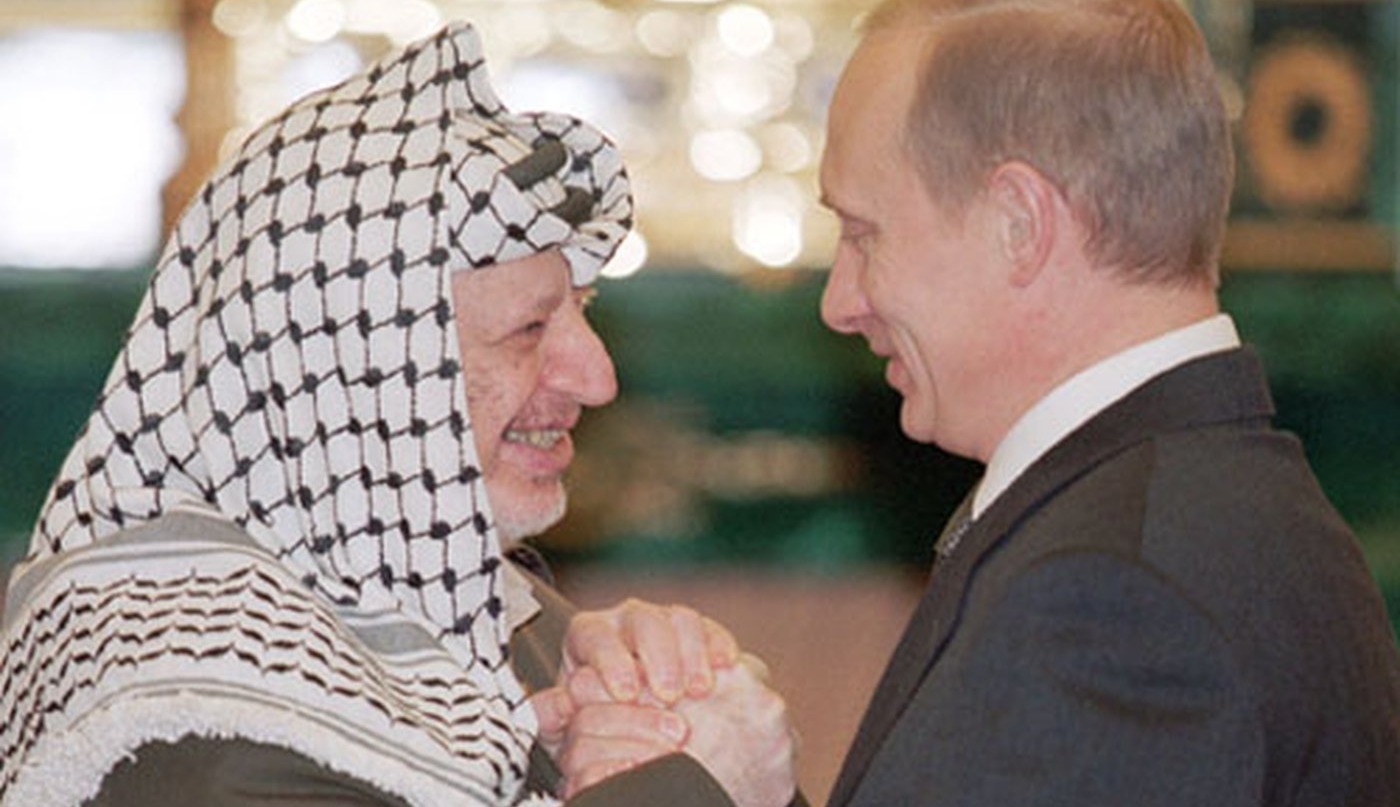
Moscow’s willingness to work with those terrorists it finds useful is similar to the approach of the Soviet Union and Eastern Bloc allies which played a major role in arming and training various terrorist groups, such as the Palestinian Liberation Organization (PLO), the Italian Red Brigades, the Irish Republican Army (IRA) and others, providing advice and support on organisational, political, and other issues.
This time, however, there’s no cash to follow.
Instead, the Kremlin’s help is limited to friendly gestures, such as receiving representatives of Hamas and Ansar Allah in Moscow, hosting the Hamas website, facilitating Hamas and its terrorist offshoot’s fund-raising through FSB-controlled cryptocurrency exchange Garantex, and participating in Iranian-backed oil supply schemes with payments redirected to Hamas.
Related Articles: Why Sanctions on Russia Don’t Work | What Is the Dutch Disease and How Could It Help End the War in Ukraine? | World Still United to End the War in Ukraine
Other assistance includes providing Hamas with Kalashnikov manufacturing licenses, pushing disinformation narratives about American-supplied arms from Ukraine reaching Gaza, and worldwide propaganda efforts blaming US involvement or lack thereof in escalating violence in the Middle East.
Additional aid has included Russia facilitating Iranian arms shipments destined for Hezbollah and Hamas cells in Lebanon and Syria by allowing Iran to use the Hmeimim airport for its weapons shipments after Israel repeatedly bombed and damaged the Damascus and Aleppo airports, rendering them inoperable.
The Russian Air Force was seen patrolling the Israeli-Syrian border in the Golan Heights, which, coupled with increased Hamas presence in Syria, can complicate Israeli operations in Syria.
Despite Yemen’s dependence on Russian and Ukrainian grain and the widespread hunger in North Yemen, under the control of Houthis, Russia has provided no material assistance beyond the expression of outrage over recent American and British strikes.
Russia’s provision of material support to the Houthis may present considerable risks in its relationship with Saudi Arabia, which has been engaged in a long conflict with the rebel group.
The Saudis are still reviewing a decision to join BRICS, which Moscow is keen to expand to bolster economic influence, promote increased trade in local currencies, and challenge the US dollar’s status as a reserve currency. Russia would be treading carefully to avoid upsetting Riyadh.
Occasional damage to its oil shipments does appears to be the price Russia is willing to pay for watching the global commerce rerouting efforts, attacks on the US military, and the prospects of undermining the US-dominated financial world system.
The Gaza conflict and its repercussions across the Middle East exemplify Russia’s adept manipulation of regional and global divisions and disputes to advance its geopolitical objectives.
This strategy not only serves to undermine the rules-based international order upheld by traditional adversaries but also bolsters Russia’s stance in its conflict with Ukraine.
** **
This article was originally published by 360info™.
Editor’s Note: The opinions expressed here by the authors are their own, not those of Impakter.com — Featured Photo Credit: Kremlin.ru