While predicting outcomes is extremely difficult, it is almost certain that COVID-19 will have profound consequences on economics, politics, social interactions and development.

Economics
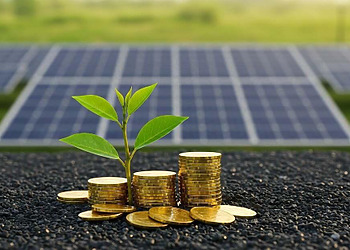
The economic malstrom coming from this is difficult to predict – the governments that have developed economies are attempting to prop their economies up, and many have implemented diverse support packages underpinned by quantitative easing and higher levels of debt. The issue is, many countries already have unsustainably high levels of debt. Unemployment will reach levels not seen since the depression within the next couple of months.
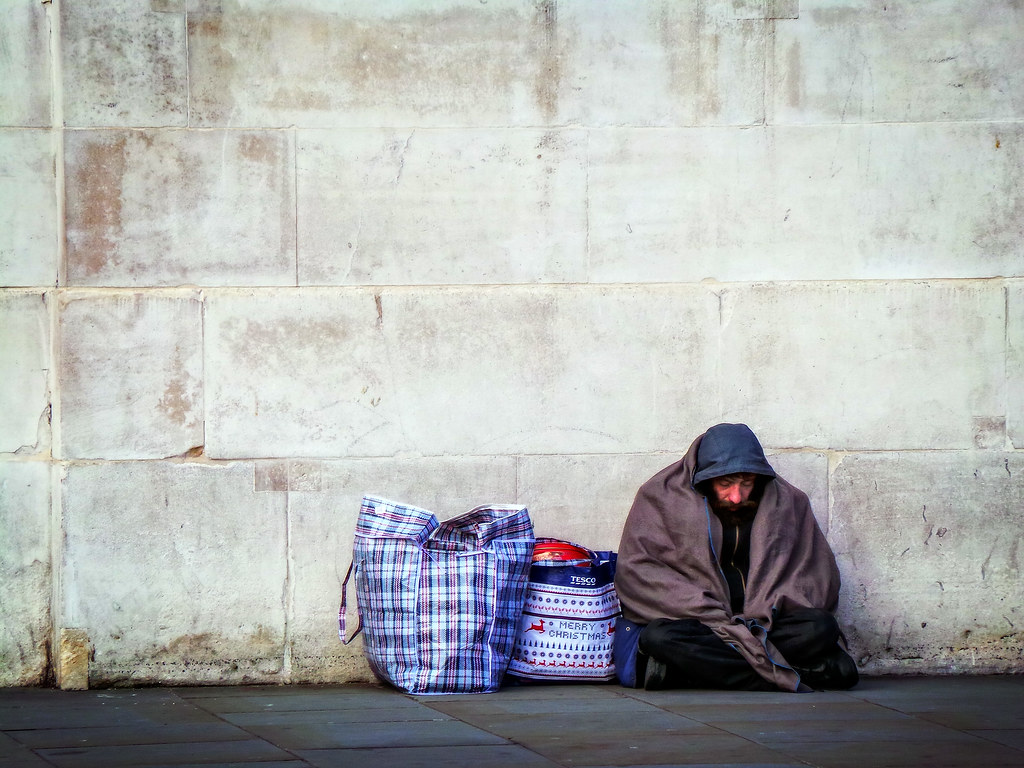
A total of 81 per cent of the global workforce of 3.3 billion people have had their workplace fully or partially closed. Restrictions on daily life have led to the closure of many companies and the laying off of staff – either permanently or temporarily. The Reserve Bank of St. Louis has forecast that US unemployment will rise to 32 per cent, the last time this occurred was in the great depression when it peaked at 24 per cent.

International trade has dried up as a result of the Covid-19 pandemic and could be on course for a collapse as severe as that of the 1930’s Great Depression, the World Trade Organization has said. An example of this is Japan, who will pay to help companies leave China. As the pandemic continues to disrupt supply chains, Japan’s stimulus package designated $2.2 billion to aid companies in moving production back home or to other countries. The question that no one can answer is whether the stimulus packages will be enough to kick start these economies which have been put into hibernation.
Social
The impact of the virus on our culture and social interactions will be profound. Suicide, mental anguish, and domestic violence are all likely to increase. Xenophobia is also on the increase with the longer the lock-downs hold, the more these problems will intensify. Chinese cartoons are showing foreigners being put in trash, restaurants globally are not serving foreigners, verbal abuse of Chinese nationals is occurring in many countries, and in Australia a quarter of human rights complaints are related to COVID-19.
As a general rule, conflict increases in times of turbulence and economic uncertainty. We may be already seeing this with the top four UK mobile operators having issued a joint statement asking for help to stop people burning 5G towers. Multiple cell towers were targeted in the UK last week in apparent arson attacks, following a run of online conspiracy theories.
Similarly, Americans grappling with the rapidly-spreading corona virus purchased more guns last month than at any other point since the FBI began collecting data over 20 years ago. The longer the lock downs go, the more difficult it will become for governments to keep restrictions in place for an adequate amount of time for the virus to be not present within their domestic populations. The social strains of these lock downs are likely to increase the longer they stay in place. This highlights the social struggles we face as countries continue to lock down in the face of the deadly virus.
Politics
On the political front, the making or breaking of great leaders will be determined by the responses to the COVID 19 pandemic and the subsequent actions taken to rekindle their economies. There are already signs that many countries are turning their attention domestically.
The German Federal Government is determined to protect German companies from hostile merger and acquisition activities – by all means. “Make no mistake about it,” said the German Economics Minister in a recent briefing. According to Constantin Gall, a specialist in corporate transactions at the auditing firm EY, companies worldwide are watching the market for takeovers and merger with a particularly keen eye.
“The German economy needs the protection of the state so that foreign financial investors are not now using the corona crisis as a discount entry opportunity,” said Jörn Weitzmann, chairman of the insolvency law and restructuring group at the German Lawyers’ Association, “A lot of substance could be lost for the future.”
Japan and Singapore are experiencing an uptick in COVID-19 infections, with some experts fearing there will be multiple coronavirus epicentres until a vaccine is found. More than 30 companies and institutions are reportedly trying to make a vaccine.
The number of urban trips being planned and performed through the Citymapper global service fell by almost 100 per cent in European capitals by March 2020. Asian cities such as Hong Kong, Singapore and Sydney saw smaller reductions in activity.

Conflict
Suicides, mental health and domestic violence will intensify under lock down. While predicting outcomes is extremely difficult, it is almost certain that COVID-19 will have unintended consequences for women and children living with family violence. Google searches on domestic violence are up 75 per cent in the last month.
As already mentioned above, generally, conflict increases in times of turbulence and economic uncertainty. But, the silver lining may be that on the international stage the pandemic may override national interests to stop the spread of the virus. An example of this is the Saudi-led coalition, who will stop fighting in Yemen. Reuters reports a ceasefire will start at midnight on Wednesday, April 8th, to prevent the spread of Covid-19 in the country, where no cases have been reported. It’s unclear if the Houthi movement will honor the ceasefire.
In Africa’s central Sahel region, millions of people do not have enough to eat – and between the lean season and the encroaching COVID-19 pandemic, there are real fears that the situation is spiralling out of control.
Development
Governments in the Democratic Republic of Congo have attempted to halt NGO operations and distributions, possibly prudent, but this could have a net increase in harm to communities.
In many developing countries lock downs will lead to starvation and famine as many people eat from the money they earn that day. This is a dilemma that Nepal and India are currently facing.
Travel and tourism has virtually ground to a halt. These industries are unlikely to pick up anytime soon until there’s an effective vaccine or cure for COVID-19. The primary source of income for many developing countries is tourism.
What we can ascertain today is that in many parts of the world it will be nearly impossible to eradicate COVID-19. This is simply because many governments don’t have the ability to implement lock downs, especially in conflict zones or where governments are weak, or where societies live in a day to day existence. In many countries around the world, the money which the family earns that day feeds them that evening. For some governments, there are tough choices to make – between lock down, to stop the pandemic and risk creating a famine or keep the society functioning but end up with a substantial portion of the population dying from COVID-19.
About the author: Future Trends series: the Institute for Economics & Peace investigates the impact of COVID-19 and future trends in economics, politics, social dynamics, conflict and development.
EDITOR’S NOTE: The opinions expressed here by Impakter.com columnists are their own, not those of Impakter.com.