Today’s ESG Updates
- Pressing Waste in the Fashion Industry: Textile waste is set to rise 40% in the next decade, yet less than 1% is currently recycled. In response, Europe is mandating producer responsibility for the textile industry.
- U.S. Aims to Drastically Outpace Europe in AI Development: Oxford Economics forecasts a 40% increase in infrastructure investments by year-end compared to 2021 levels, far outpacing Europe’s growth.
- Ocean Temperatures Are Breaking Records: New recordings show Saturday’s average surface temperature outside polar regions reached 21.1°C, breaking the previous record set in spring 2014.
- TotalEnergies Expands Norway Operations: A new statement from the company’s CEO reveals that a new manager has been appointed to lead exploration of potential locations for expanding operations in the region.
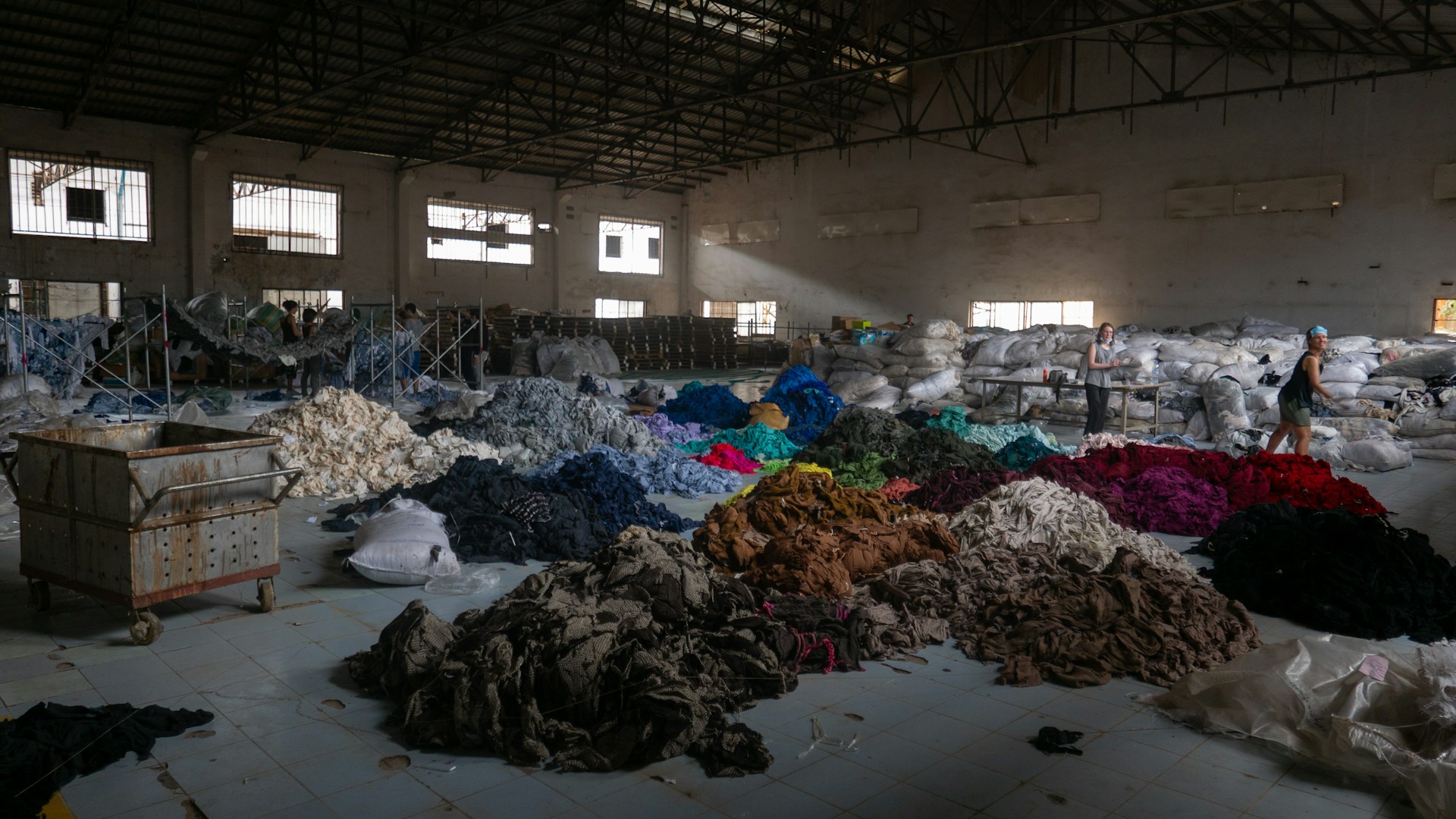
Europe plans to start cutting textile waste
Right now, most textile waste worldwide ends up in landfills or is burned. Fast fashion brands have made clothes extremely accessible, and for that reason, the amount of waste from, for example, polyester – a fossil-based material- is forecast to rise by 40% by 2035. At the same time, less than 1% of textiles are recycled and turned into new clothes.
Recycling technologies are not scalable without the appropriate funding. According to BCG’s calculations, scaling recycling to 15% by 2035 would require 8-11 billion euros in investments, not to mention the appropriate policies and coordination between industry representatives and recyclers.
The solution the EU is implementing is the Extended Producer Responsibility (EPR) system, where manufacturers pay to manage the waste from their products, while organizations like the European Recycling Platform handle waste duties for brands. Countries like France and the Netherlands have already implemented EPR, and the EU plans to include every country in the bloc by January 2028.
Klimado – Navigating climate complexity just got easier. Klimado offers a user-friendly platform for tracking local and global environmental shifts, making it an essential tool for climate-aware individuals and organizations.
U.S. invests in AI non-stop, widening the gap between Europe
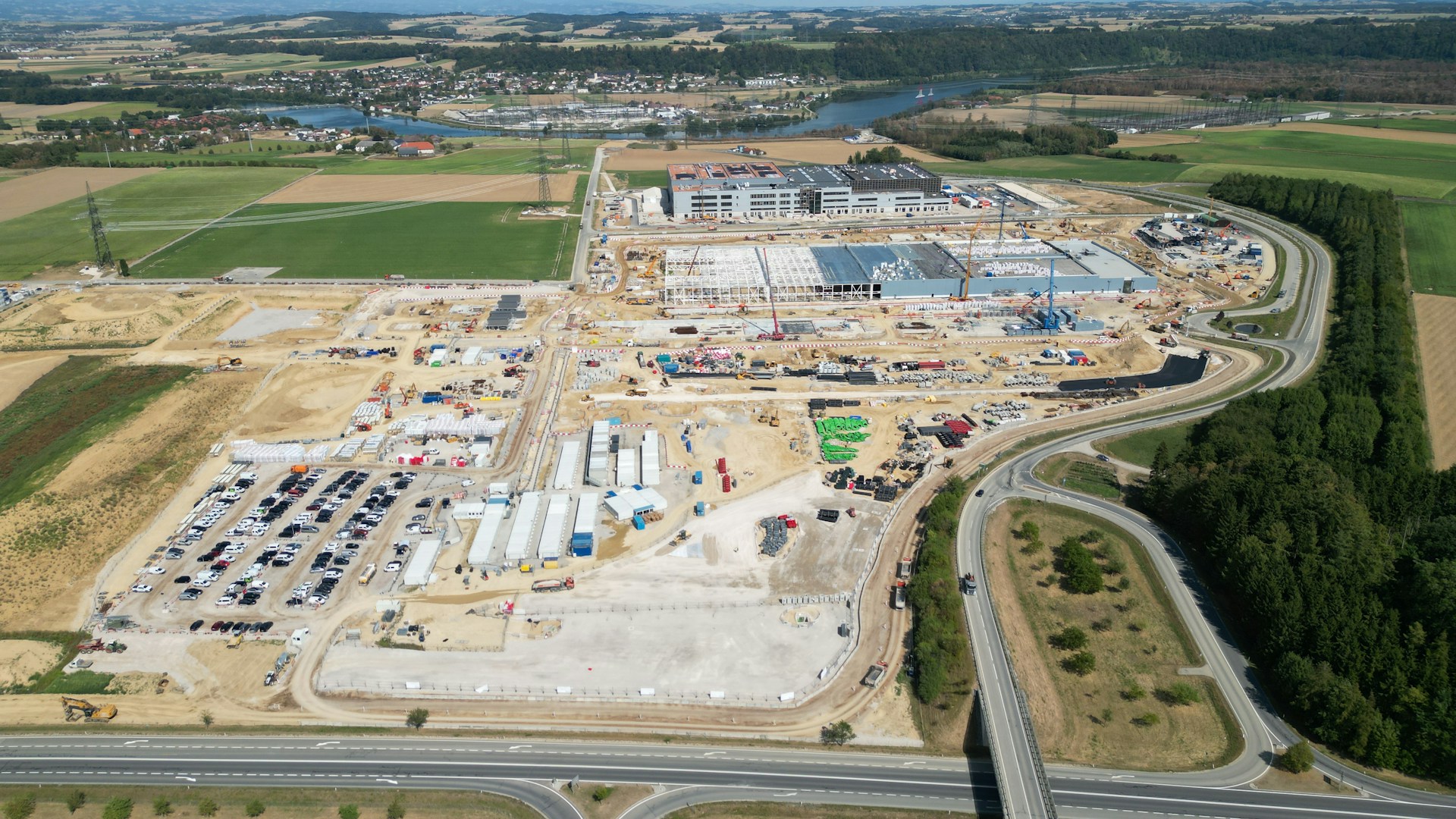
General business investments in the States are rising three times faster than Europe’s since the pandemic, and the gulf in the field of AI is, consequently, especially glaring. The continent was trailing behind the U.S. even before the launch of the first popular LLM, ChatGPT, in 2022.
On the other hand, people raise questions about the adequacy of AI spending and the potential investment bust. Google, Meta, Microsoft, and Amazon are on track to spend more than $700 billion in 2026 alone with still little returns to show.
In the end, the main point is not only the AI, but the advancement of the U.S., compared to Europe in general. The new technologies are developed primarily in the United States, or, recently, China. Furthermore, between 2018 and 2025, GDP per work hour increased by $14 in the U.S., compared to mere $2 in Europe.
Related Articles
Here is a list of articles selected by our Editorial Board that have gained significant interest from the public:
Oceans are hotter than they have ever been

Latest data shows average surface temperature outside polar regions reached 21.1C on Saturday, breaking the record from March 2014. It’s a stark indicator of how significant the current climate issues are. Hotter oceans can raise sea levels, worsening an already serious problem that can lead to deadly storms hitting millions of people living along the coast. Additionally, hotter oceans damage sea life.
The new El Niño, a natural climate variation that raises global temperatures and changes weather patterns, is driving new records, but the root problem is decades of human-driven warming. This summer has shown the Northern Hemisphere the results of continuous climate change. Now, low monsoon rain in India, wildfires in Indonesia, and high fire concerns in Australia bring the issue to the forefront around the globe.

TotalEnergies are expanding their current operations in Norway
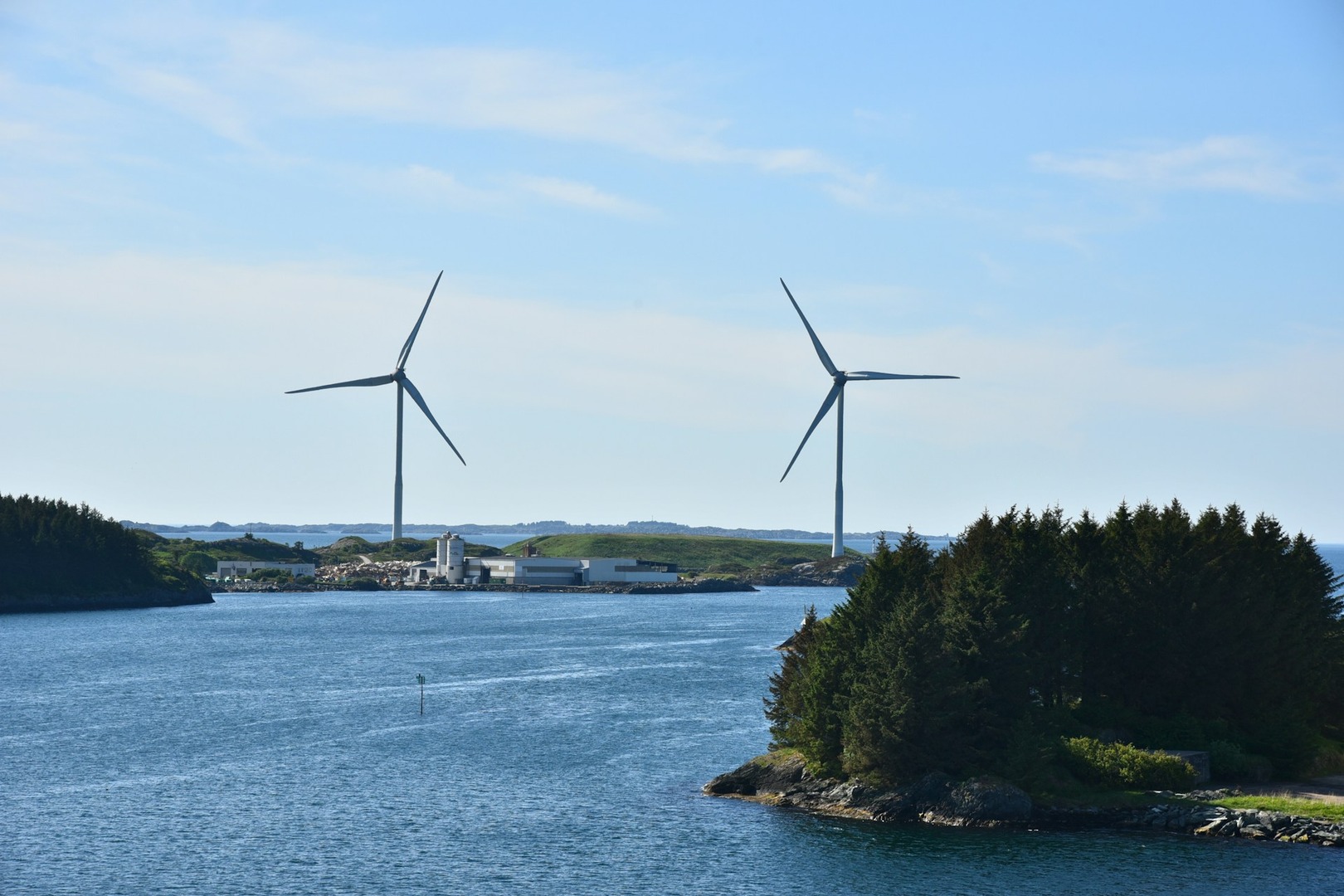
The French energy giant is eyeing a new expansion. The CEO of TotalEnergies described Norway as a prolific region. Indeed, Norway has become one of Europe’s most important energy and gas suppliers during the Iran war and the Ukraine invasion. Since 2022, Norway has met around 30% of Europe’s and the UK’s demand for natural gas.
As of now, TotalEnergies produces around 220,000 barrels of oil daily in Norway, but it’s clear that the company sees more potential in the region. It’s one of seven locations of special effort for TotalEnergies as part of its worldwide exploration processes, and the company spends around $1 billion a year on it.
Editor’s Note: The opinions expressed here by the authors are their own, not those of impakter.com — Cover Photo Credit: Francois Le Nguyen