
Today’s ESG Updates
- EU Braces for U.S. Tariff Surge: EU to explore using anti-coercion tools and retaliatory tariffs against the U.S.
- Trump’s $92B Fossil Fuel Push to Fuel AI: At a Pittsburgh summit, the Trump administration and industry leaders doubled down on fossil fuels to power AI data centers.
- China Begins $170B Dam Construction: The record-breaking hydropower project in Tibet has triggered environmental concerns.
- EU Budget Overhaul Eliminates Dedicated Biodiversity Funding: New proposal consolidates biodiversity funding with broader industrial and environmental priorities.
EU prepares trade retaliation as Trump pushes 30% tariffs
The EU is preparing a response to potential sweeping U.S. tariffs as President Trump threatens to impose duties as high as 30% on European exports. Parliament was briefed on Friday and is drafting a retaliation plan that includes additional tariffs on up to €72 billion in American industrial goods, including Boeing Co. aircraft, US-made cars, and bourbon whiskey. Non-tariff measures, including tech taxes and investment restrictions, are also being explored. The bloc’s anti-coercion tool, which places new taxes on US tech giants and targets curbs on US investments in the EU, may be activated if negotiations fail. The escalating trade rift continues to pose a significant threat to economic security and companies with global supply chains.
***
Further reading: EU to Prepare Retaliation Plan as US Trade Stance Hardens
Trump invests $92B in coal and natural gas to power AI

At the Energy and Innovation Summit last week, the Trump administration joined top energy and tech leaders to promote fossil fuels as the backbone of AI infrastructure. With $92 billion in new investments announced, including natural gas-powered data centers, the narrative set by the administration overstates power demand and completely sidelines clean energy. Though companies, including Google, announced $3 billion for hydropower, the event excluded talks of wind and solar completely. Since taking office, Trump has utilized AI as a lever to open up opportunities for the fossil fuel industry. Companies have pushed back quietly and continued pursuing renewables, not because of concern for the climate, but because it makes the most economic sense. Installing utility-scale solar panels and batteries is still cheaper than building out natural gas plants, even without tax incentives.
***
Further reading: Trump and the Energy Industry Are Eager to Power AI With Fossil Fuels
China has commenced construction on the world’s largest hydropower dam

China has begun construction on what is set to become the world’s largest hydropower dam, a $170 billion mega-project on the Yarlung Zangbo River in Tibet. Expected to surpass the scale of the Three Gorges Dam, the project will comprise five cascading stations and aims to generate 300 billion kilowatt-hours of electricity annually. The dam is a key step in meeting domestic energy needs and decarbonization goals, but the project has sparked international concern. India and Bangladesh are concerned about water security for downstream populations, and the dam could also devastate the region’s fragile ecosystems. Markets responded strongly, with shares in Chinese construction, engineering, and materials firms surging. However, environmental risks and displacement remain poorly addressed in public plans.
***
Further reading: China starts building world’s largest hydropower dam in Tibet
EU Budget Cuts Threaten Biodiversity Funding

The EU’s proposed budget overhaul has sparked backlash from environmental groups who warn it could sideline biodiversity protection in favor of industrial policy. Last week, the Commission announced plans to consolidate various programs, including the LIFE biodiversity fund, into a €409 billion “Competitiveness Fund,” which eliminates dedicated funding for nature restoration. Biodiversity goals now compete with other environmental priorities, such as climate change, pollution, and water security. WWF is among the environmental critics arguing that this shift risks leaving critical conservation projects unfunded. With no clear biodiversity target in the €1.8 trillion budget plan, nature protection has been left behind. Companies can utilize ESG solutions to monitor the impact of policy changes on biodiversity investments across Europe.
***
Further reading: EU budget plan would deal ‘devastating blow’ to nature
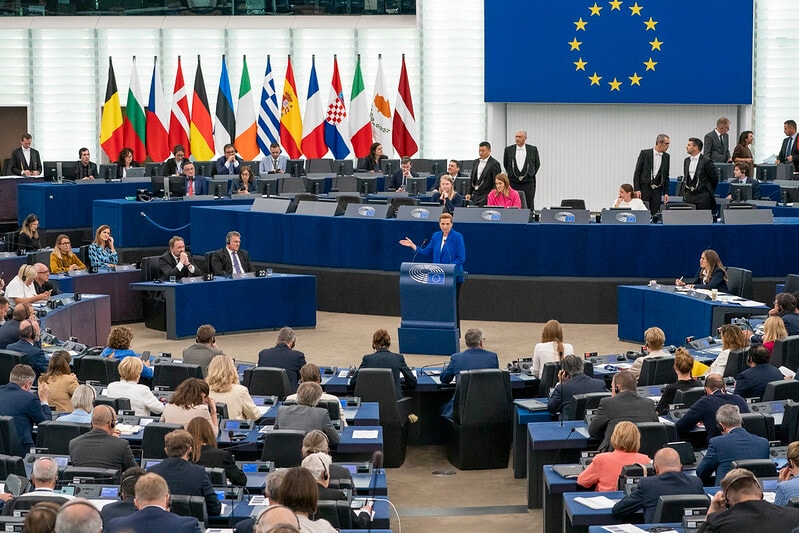
Editor’s Note: The opinions expressed here by the authors are their own, not those of impakter.com — Cover Photo Credit: European Parliament