Impakter
  • Environment
    • Biodiversity
    • Climate Change
    • Circular Economy
    • Energy
  • FINANCE
    • ESG News
    • Sustainable Finance
    • Business
  • TECH
    • Start-up
    • AI & Machine Learning
    • Green Tech
  • Industry News
    • Entertainment
    • Food and Agriculture
    • Health
    • Politics & Foreign Affairs
    • Philanthropy
    • Science
    • Sport
  • Editorial Series
    • SDGs Series
    • Shape Your Future
    • Sustainable Cities
      • Copenhagen
      • San Francisco
      • Seattle
      • Sydney
  • About us
    • Company
    • Team
    • Partners
    • Write for Impakter
    • Contact Us
    • Privacy Policy
No Result
View All Result
Impakter logo
No Result
View All Result
Climate Misinformation

Eight of the Top 10 Online Shows Are Spreading Climate Misinformation

Often backed by large advertising budgets, a new breed of climate denial is gaining popularity

Yale Climate ConnectionsbyYale Climate Connections
May 9, 2025
in Climate Change, Editors' Picks, Science, Society
0

Gone are the days when “Global warming isn’t real” was the primary claim of those most vocally opposed to climate action. As more people experience the firsthand effects of climate-change-juiced-up heat waves, hurricanes, wildfires, and crop failures, a new kind of climate denial has emerged.

Rather than outright deny the problem, today, the most popular online influencers focus on other false or misleading messages like “Climate solutions don’t work,” “Climate change has some benefits,” and pollution reduction policies are “tools for governments to control people.”

These new forms of denial made up 70% of all such claims on YouTube in 2023, up from 35% in 2018, according to the Center for Countering Digital Hate.

A changing media diet

About one in five U.S. adults and 37% of adults under 30 say they regularly get news from social media influencers, according to Pew.

Of the 10 most popular online shows, eight have spread false or misleading information about climate change, a Yale Climate Connections analysis found. That analysis builds on recent work by Media Matters for America, a journalism watchdog organization, which found that right-leaning influencers now dominate digital media like podcasts and streams.

Climate MisinformationMuch of the climate-related misinformation spread on these shows follows a revamped playbook of climate denial that focuses on denying the effectiveness of solutions and argues that climate change is beneficial. Influencers Jordan Peterson and Charlie Kirk also presented those concerned about climate change as adherents of a “pseudo-religion.”

For context, most people around the world, including the United States, are concerned about climate change. Our partners at the Yale Program on Climate Change Communication have found that the majority of Americans believe climate change is happening, it’s bad, and action should be taken.

Climate Misinformation

Nevertheless, many online personalities, including Joe Rogan, Ben Shapiro, and Russell Brand, have platformed Danish political scientist, author, and climate denier Bjørn Lomborg. Climate scientists have pleaded with Lomborg to stop misrepresenting and misinterpreting their science.

Several show hosts also claim that climate change is a hoax designed to control and oppress. Kirk said, “Climate change is the wrapper around Marxism. You have Marxism at its core and you have climate change on the exterior. Climate change activism, environmentalism, pseudo-paganism – we call it a Trojan horse.”


Related Articles: The Fox in the Henhouse: On Steven Brill’s ‘The Death of Truth’ | Can ‘Prebunking’ Outpace Fake News? | How Education and Social Media Regulation Can Combat Science Denial | Is Wikipedia Furthering Climate Denial and Other Conspiracy Theories? | How Misinformation, Disinformation and Hate Speech Threaten Human Progress

‘New denial’ is gaining momentum

Like Kirk, some influencers lean into the idea that climate change is a conspiracy by governments to control their residents. That’s similar to conspiracy theorizing about efforts by governments to reduce illness and death from COVID-19, Tortoise Media, a British news website, noted recently. “Climate-sceptic narratives have merged with Covid-sceptic ones, and some of the personalities are the same,” the site reported.

The site’s analysis, titled “Hot Air,” looked at individual accounts on Twitter, TikTok, YouTube, and news or blog sites that frequently spread climate misinformation. The analysis showed increases in climate denial across platforms, with the “control” narrative gaining steam.


What “Hot Air” found 

  • Climate skeptic posts grew by 43% on YouTube from 2021 to 2024.
  • Climate skeptic posts grew by 82% on X (Twitter) from 2021 to 2024.
  • Claims that climate change is an instrument of control now represent about 36% of climate-skeptic content on YouTube and 40% of climate-skeptic posts on X (Twitter).

New denial talking points have also become common among members of the new Trump Administration. Energy Secretary Chris Wright told Fox Business that “There’s pluses to global warming.” And EPA Administrator Lee Zeldin said, “We are driving a dagger straight into the heart of the climate change religion.”

Big budgets play a role

The Media Matters analysis of the most popular online shows found that about 60% of them were ideologically right-leaning. And those shows have an outsize influence: They have about five times the number of followers than the left-leaning shows. Large advertising budgets play a role in that popularity.

Major conservative players have massively invested in building and marketing their messages online. PragerU, a conservative media company that focuses on video content and champions new climate denial, spends about half its annual budget on marketing.

PragerU isn’t alone. As independent journalist Parker Molloy wrote in her newsletter, “The Kochs, the Mercers, the Thiels, the Murdochs, the Uihleins – these aren’t just wealthy families; they’re kingmakers who understand that investing in media is investing in political power.

“Take The Daily Wire, cofounded by Ben Shapiro, whose online platforms boast a combined following of 25 million according to the Media Matters study. What began as a modest conservative website has expanded into a multimedia empire producing movies, children’s content, and multiple top-performing podcasts. This growth didn’t happen organically – it was bankrolled by Texas fracking billionaires Dan and Farris Wilks, who reportedly invested $4.7 million to get the company off the ground.”

These investments have not been matched by proponents of climate action and, for now, seem to be paying off.

But it’s important to remember that despite a barrage of misinformation, the majority of Americans understand the reality of climate change, and they want action. Imagine how powerful the truth would be if its messengers were backed by the same amount of money.

** **

This article by Yale Climate Connections is published here as part of the global journalism collaboration Covering Climate Now (CCN). The story is part of The 89 Percent Project, a CCN initiative.


Editor’s Note: The opinions expressed here by Impakter.com columnists are their own, not those of Impakter.com — Cover Photo Credit: Ritupon Baishya.
Tags: CCNClimate Changeclimate denialClimate MisinformationCovering Climate Nowmisinformationonline showsThe 89% ProjectYale Climate Connections
Previous Post

Why Shoe Soles Disintegrate and How to Prevent It

Next Post

How the EU’s Deforestation Regulation Could Affect the Coffee Industry

Related Posts

Coal plants get reprieve on mercury limits, Striking unions fail to halt Milei's sweeping labor bill, Sweden's regulator reviews Swedbank's compliance controls, France backs INEOS decarbonization with €300M
Business

Trump Admin Weakens Coal Plant Mercury Regulations

Today’s ESG Updates: Coal Plants Get Reprieve on Mercury Limits: Trump's EPA is rolling back mercury emission limits to cut...

byEge Can Alparslan
February 20, 2026
How Climate Change Is Reshaping Arctic Geopolitics
Climate Change

How Climate Change Is Reshaping Arctic Geopolitics

Once a remote and largely inaccessible region, the Arctic has become the focus of far-reaching international developments. In recent years, competition among...

byPier Paolo Raimondi - Senior Researcher at the Energy, Climate and Resources (ECR) Program of the Istituto Affari Internazionali (IAI)
February 20, 2026
How an Intersectional Approach Can Help Us Address Vulnerability to Climate Change
Climate Change

How an Intersectional Approach Can Help Us Address Vulnerability to Climate Change

Different forms of discrimination and marginalization — such as racism, ableism, and discrimination on the basis of gender identity —...

byInternational Institute for Sustainable Development (IISD)
February 20, 2026
biodiversity loss
Biodiversity

The Economics of Biodiversity Loss

In the 1990s, India’s vulture population collapsed due to the unintended knock-on effect of a veterinary drug for cattle, with...

byStefano Giglio - Professor at Yale Universityand2 others
February 18, 2026
ESG news on TotalEnergies climate trial, Heathrow SAF incentives, Shein EU probe, EU climate resilience gap
Business

TotalEnergies Climate Trial Shock

Today’s ESG Updates TotalEnergies Climate Trial: French prosecutors intervene to defend TotalEnergies in a landmark climate lawsuit, challenging environmental groups’...

byEve Rogers
February 18, 2026
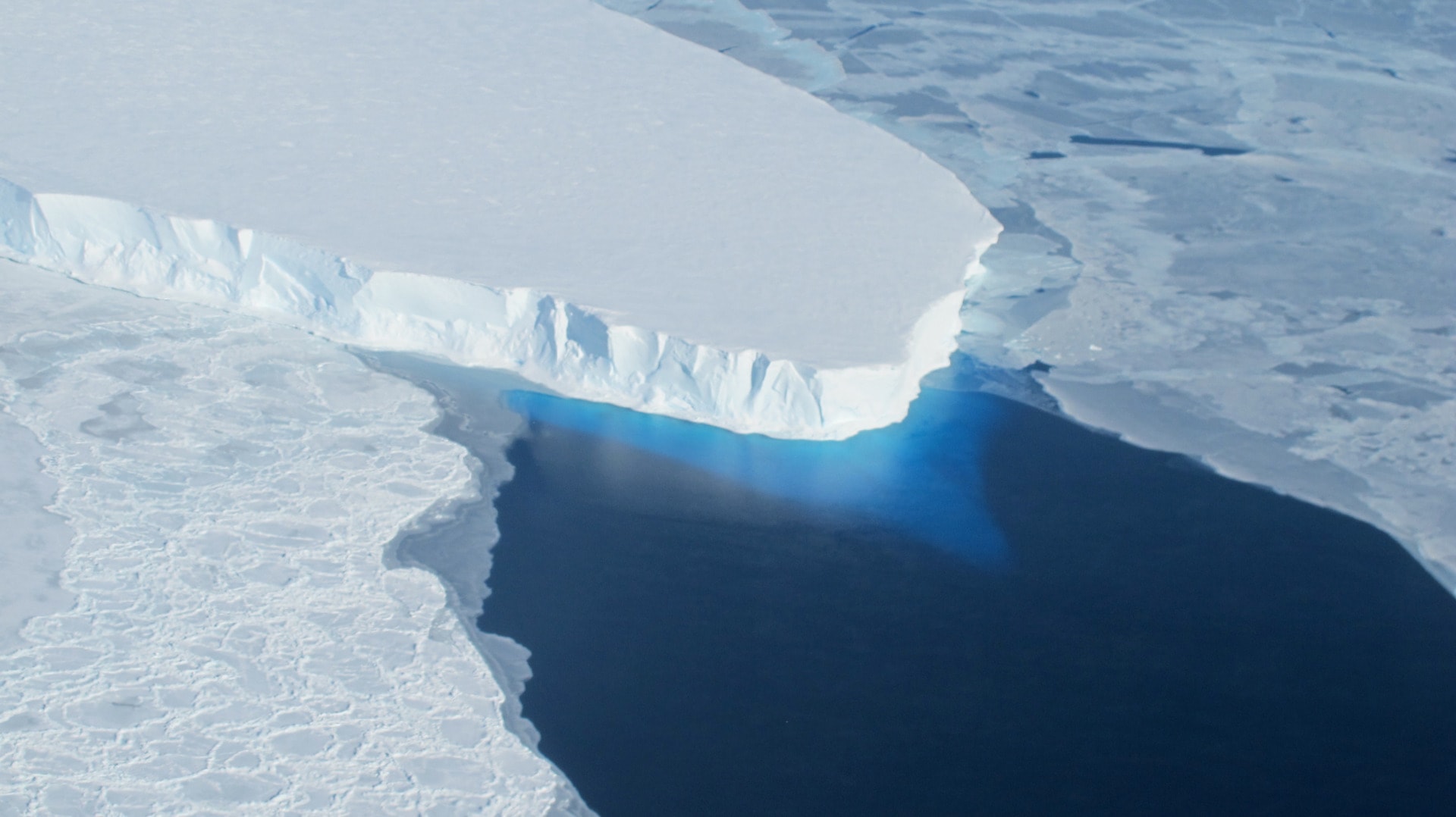
Underwater Wall to Protect the ‘Doomsday Glacier’: Necessary Intervention or Costly Distraction?
Climate Change

Underwater Wall to Protect the ‘Doomsday Glacier’: Necessary Intervention or Costly Distraction?

Thwaites Glacier in Antarctica earned its dramatic nickname, the “Doomsday Glacier,” because its collapse could trigger a catastrophic rise in...

byBenjamin Clabault
February 17, 2026
Can Human Behavior Explain the Recent Spike in Shark Attacks?
Environment

Can Human Behavior Explain the Recent Spike in Shark Attacks?

In January, headlines were dominated by the four shark bites occurring within 48 hours off Australia’s coast. This is not...

byLena McDonough
February 17, 2026
ESG News regarding Trump’s move to dismantle vehicle regulation; ESB acting against unsustainable banks; Solar and wind energy becoming expensive; Strikes in Kenya
Business

ECB Fines Crédit Agricole for Climate Risk Management Failure

Today’s ESG Updates: ECB Fining Crédit Agricole Over Sustainability Issues: Banks are expected to embed climate risks into credit risk...

byFedor Sukhoi
February 17, 2026
Next Post
European Union Deforestation Regulation and its impact on small coffee farmers across the globe

How the EU’s Deforestation Regulation Could Affect the Coffee Industry

Recent News

A woman going through the checking account guide

How Checking Accounts Work: Simple Steps to Get Started Fast

February 20, 2026
Coal plants get reprieve on mercury limits, Striking unions fail to halt Milei's sweeping labor bill, Sweden's regulator reviews Swedbank's compliance controls, France backs INEOS decarbonization with €300M

Trump Admin Weakens Coal Plant Mercury Regulations

February 20, 2026
Crowds and filmmakers on the red carpet at the 76th Berlin International Film Festival in 2026

At Berlinale 2026, Artists Refuse the Comfort of Neutrality

February 20, 2026
  • ESG News
  • Sustainable Finance
  • Business

© 2025 Impakter.com owned by Klimado GmbH

No Result
View All Result
  • Environment
    • Biodiversity
    • Climate Change
    • Circular Economy
    • Energy
  • FINANCE
    • ESG News
    • Sustainable Finance
    • Business
  • TECH
    • Start-up
    • AI & Machine Learning
    • Green Tech
  • Industry News
    • Entertainment
    • Food and Agriculture
    • Health
    • Politics & Foreign Affairs
    • Philanthropy
    • Science
    • Sport
  • Editorial Series
    • SDGs Series
    • Shape Your Future
    • Sustainable Cities
      • Copenhagen
      • San Francisco
      • Seattle
      • Sydney
  • About us
    • Company
    • Team
    • Partners
    • Write for Impakter
    • Contact Us
    • Privacy Policy

© 2025 Impakter.com owned by Klimado GmbH