Impakter
  • Environment
    • Biodiversity
    • Climate Change
    • Circular Economy
    • Energy
  • FINANCE
    • ESG News
    • Sustainable Finance
    • Business
  • TECH
    • Start-up
    • AI & Machine Learning
    • Green Tech
  • Industry News
    • Entertainment
    • Food and Agriculture
    • Health
    • Politics & Foreign Affairs
    • Philanthropy
    • Science
    • Sport
  • Editorial Series
    • SDGs Series
    • Shape Your Future
    • Sustainable Cities
      • Copenhagen
      • San Francisco
      • Seattle
      • Sydney
  • About us
    • Our Story
    • Team
    • Partners
    • Write for Impakter
    • Contact Us
    • Privacy Policy
No Result
View All Result
  • Environment
    • Biodiversity
    • Climate Change
    • Circular Economy
    • Energy
  • FINANCE
    • ESG News
    • Sustainable Finance
    • Business
  • TECH
    • Start-up
    • AI & Machine Learning
    • Green Tech
  • Industry News
    • Entertainment
    • Food and Agriculture
    • Health
    • Politics & Foreign Affairs
    • Philanthropy
    • Science
    • Sport
  • Editorial Series
    • SDGs Series
    • Shape Your Future
    • Sustainable Cities
      • Copenhagen
      • San Francisco
      • Seattle
      • Sydney
  • About us
    • Our Story
    • Team
    • Partners
    • Write for Impakter
    • Contact Us
    • Privacy Policy
No Result
View All Result
Impakter
No Result
View All Result

Suffering an Ecological and Humanitarian Crisis, Mauritius Needs International Support 

bySuhani Dalal
August 17, 2020
in Environment, Health, Society

MAURITIUS — More than 1,000 tonnes of oil have devastated the island’s famed crystal blue lagoons and white-sand beaches. Mangrove forests have been damaged by currents carrying oil slicks. Volunteers are scrambling to control the spill and unclog the coastline, using makeshift booms containing sugar cane leaves and hair. 

Though mostly all of the remaining oil in the aground Panama-flagged vessel is now pumped out, permanent environmental consequences will linger in Mauritius. With many residents reliant on their island coast and its thriving biodiversity for commercial fishing and tourism, compounding ecological harm will likely strain the economy. 

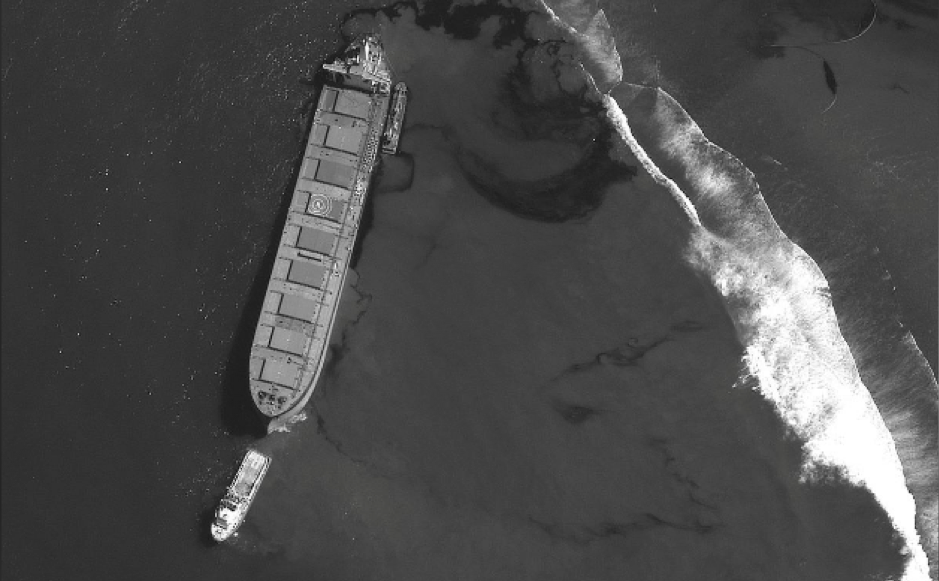
The MV Wakashio started leaking oil on August 6 after striking the barrier coral reef on July 25. It still occupies the area, though the ship is expected to break apart if not properly removed. As it is unclear why the bulk carrier strayed off course in southeast Mauritius within a mile of the island, 9 miles closer than allowable practice, an investigation is being conducted. 

Characterized by a high level of endemism, this Indian Ocean island is known to be a biodiversity hotspot, making environmental damage especially detrimental. From 1987 to 1994 there was a 30% loss of mangrove cover in coastal areas of the island and spikes in tourism have nearly destroyed the wetlands. Further environmental degradation through habitat loss and excess pollution, threatens many unique species in the area including the pink pigeon — a species recently saved from extinction; and the blue-tailed day gecko — a key pollinator of the Trochetia blackburniana. 

Happy Khambule, the Greenpeace Africa senior climate and energy campaign manager, said in a statement that “thousands of species around the pristine lagoons of Blue Bay, Pointe d’Esny, and Mahebourg are at risk of drowning in a sea of pollution, with dire consequences for Mauritius’ economy, food security, and health.” 

Khambule also called on the UN and other governments to join Greenpeace Africa and support Mauritius at this time with cleaning the oil spill. 

 “There is no guaranteed safe way to extract, transport and store fossil fuel products. This oil leak is not a twist of fate, but the choice of our twisted addiction to fossil fuels,” said Khambule. “We must react by accelerating our withdrawal from fossil fuels. Once again we see the risks in oil: aggravating the climate crisis, as well as devastating oceans and biodiversity and threatening local livelihoods around some of Africa’s most precious lagoons.”


Related Articles: Drowning in Oil | Why is There Still a Debate Over Fracking in Mexico?

Globally, less than 50% of coral reefs remain and scientists predict that by 2050, 75% of coral reefs will be under critical threat levels. Global warming and ocean acidification is reducing calcification rates in reef-building and causing coral bleaching — incidents of corals expelling their primary food source, algae, that live inside them, providing reefs their signature color vibrancy. Repeated, cumulative environmental stresses make coral reefs less resilient and accelerate their decay.

For coral reefs in the Mauritius waters, the oil spill will directly impede and tarnish the reef’s resiliency and harm marine species that depend on the reef habitat. 

Data analyzing oil spills over past decades has shown there to be a significant decrease in the volume of oil spilled, perhaps due to increased clean energy demands, but the rate at which coral reefs are declining should inform even stricter regulations on oil usage — and eventually rid our world of its dependency to fossil fuels.
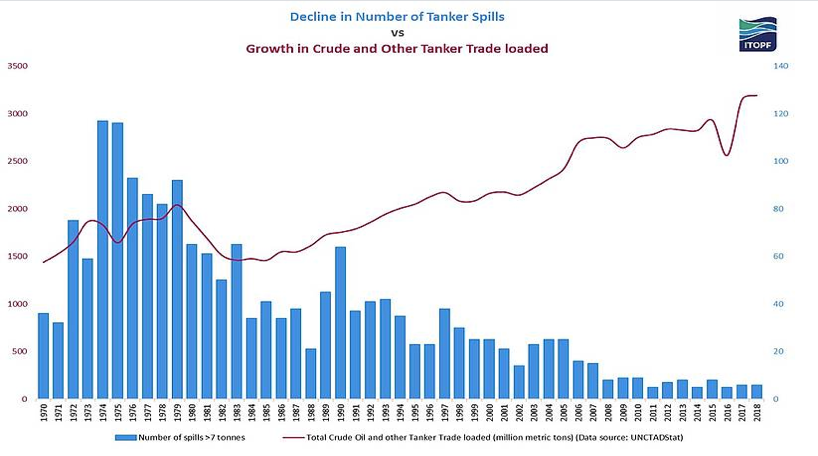
Graph showing an increased growth in loaded petroleum, crude, and gas along with an overall pattern of less tanker spills.
In the Graph: Increased growth in loaded petroleum, crude, and gas along with an overall pattern of less tanker spills. Graph by: UNCTADStat

More than 20,000 tons of diesel leaked into the Ambarnaya River in Siberia in June of this year and currently an oil tanker known as the “ticking time bomb” is stranded off the Yemeni port in Ras Isa that could dump 1.1 million barrels of oil into the Red Sea. Given the fragile state of marine ecosystems, and the importance of oceanic ecosystem services, the continuance of lenient and complacent oil transportation is unacceptable. 

Even if Mauritius had the global support it required to clean its onshore oil clogging, soluble particles from the oil have already contaminated the water while the sheer toxicity of the oil has done substantial damage. At present, volunteers are working, despite orders from the government that stated for residents to stay home, and are mobilizing to clean the contaminated shore. 

People have realised that they need to take things into their hands. We are here to protect our fauna and flora.

— Environmental Activist Ashok Subron. 


Editor’s Note: The opinions expressed here by Impakter.com columnists are their own, not those of Impakter.com. — In the Featured Photo: Satellite image of the MV Wakashio ship and the oil spill off the southeast coast of Mauritius on August 8, 2020, 15 days after the ship was aground — Featured Photo Credit: Satellite image ©2020 Maxar Technologies/Handout via REUTERS.

Tags: coral reefsGlobal warmingHabitat LossMauritiusoil spill
Previous Post

China’s Debt-Trap Diplomacy

Next Post

How can young African agripreneurs survive COVID-19 and the climate crisis?

Related Posts

Men and woman working on their accounting Infrastructure
Business

Why ESG Reporting Is Failing Without Proper Accounting Infrastructure

April 14, 2026
V&A Waterfront, Cape Town, South Africa, October 2025.
Climate Change

The IMF and World Bank Are Reforming Their Main Debt Sustainability Assessment Tool — Here’s Why It Matters

April 14, 2026
The history repeats itself regularly, and the crisis connected with 3G and first mobile network operators has a lot of similarities with the current AI market
AI & MACHINE LEARNING

Is Big Tech Replaying the 3G Bubble With AI?

April 14, 2026
Next Post
How can young African agripreneurs survive COVID-19 and the climate crisis?

How can young African agripreneurs survive COVID-19 and the climate crisis?

Related News

Men and woman working on their accounting Infrastructure

Why ESG Reporting Is Failing Without Proper Accounting Infrastructure

April 14, 2026
V&A Waterfront, Cape Town, South Africa, October 2025.

The IMF and World Bank Are Reforming Their Main Debt Sustainability Assessment Tool — Here’s Why It Matters

April 14, 2026

Impakter informs you through the ESG news site and empowers your business CSRD compliance and ESG compliance with its Klimado SaaS ESG assessment tool marketplace that can be found on: www.klimado.com

Registered Office Address

Klimado GmbH
Niddastrasse 63,

60329, Frankfurt am Main, Germany


IMPAKTER is a Klimado GmbH website

Impakter is a publication that is identified by the following International Standard Serial Number (ISSN) is the following 2515-9569 (Printed) and 2515-9577 (online – Website).


Office Hours - Monday to Friday

9.30am - 5.00pm CEST


Email

stories [at] impakter.com

By Audience

  • TECH
    • Start-up
    • AI & MACHINE LEARNING
    • Green Tech
  • ENVIRONMENT
    • Biodiversity
    • Energy
    • Circular Economy
    • Climate Change
  • INDUSTRY NEWS
    • Entertainment
    • Food and Agriculture
    • Health
    • Politics & Foreign Affairs
    • Philanthropy
    • Science
    • Sport
    • Editorial Series

ESG/Finance Daily

  • ESG News
  • Sustainable Finance
  • Business

About Us

  • Team
  • Partners
  • Write for Impakter
  • Contact Us
  • Privacy Policy

© 2026 IMPAKTER. All rights reserved.

No Result
View All Result
  • Environment
    • Biodiversity
    • Climate Change
    • Circular Economy
    • Energy
  • FINANCE
    • ESG News
    • Sustainable Finance
    • Business
  • TECH
    • Start-up
    • AI & Machine Learning
    • Green Tech
  • Industry News
    • Entertainment
    • Food and Agriculture
    • Health
    • Politics & Foreign Affairs
    • Philanthropy
    • Science
    • Sport
  • Editorial Series
    • SDGs Series
    • Shape Your Future
    • Sustainable Cities
      • Copenhagen
      • San Francisco
      • Seattle
      • Sydney
  • About us
    • Our Story
    • Team
    • Partners
    • Write for Impakter
    • Contact Us
    • Privacy Policy

© 2026 IMPAKTER. All rights reserved.