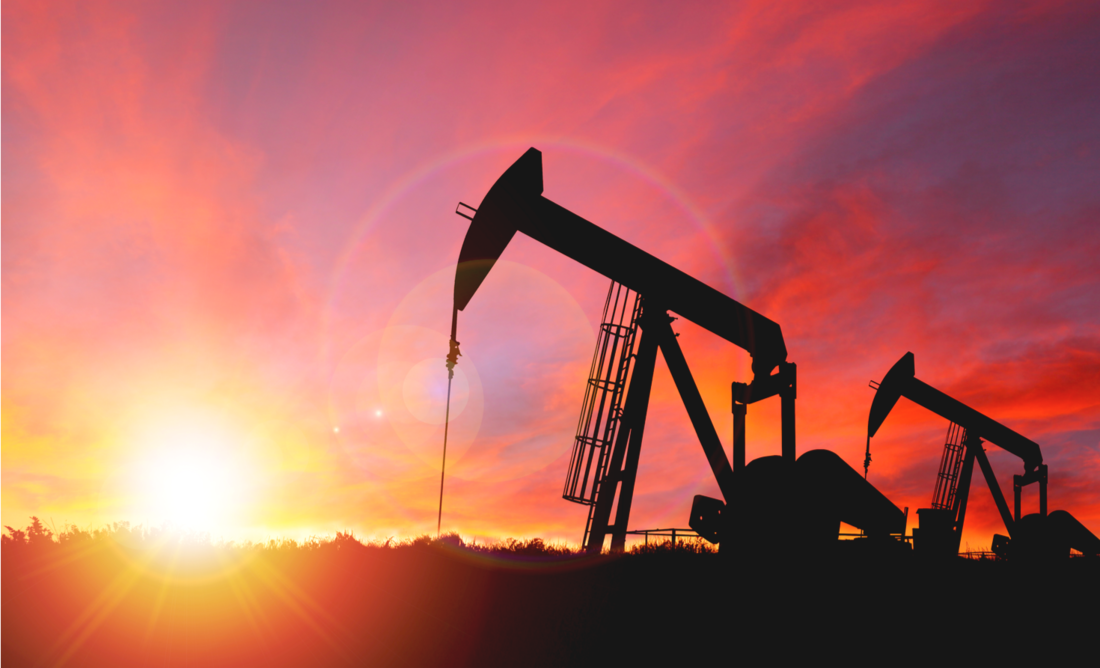
While the fracking boom and its awful environmental consequences in the United States is well known worldwide, few people are aware of the use of this detrimental technology in other countries. In Mexico, oil and gas exploration using fracking in shale formations started as early as 2010. In 2013, the country’s Energy Reform legislation clearly stated that in order to increase oil and gas production, fracking needed to be used far and wide and that new regulations should ease this agenda. The legislative changes that resulted egregiously facilitated access to land, whether it be private property or communal agricultural land, regardless of its owners’ wishes.
Many people concerned about fracking in Mexico might be unaware of what is actually going on. While an overwhelming demand by communities and organizations to ban fracking pushed President Andrés Manuel López Obrador to commit to ending the practice during his speeches, the fact is that all regulations allowing fracking in Mexico are still in place.
In addition to these regulations remaining untouched, there are at least three other reasons for concern. First, the federal budget commits $323 million towards areas that require fracking for exploration or exploitation. Second, last February, with the new government already in power, the regulatory agency for oil and gas authorized the use of fracking for at least four new exploratory wells in Veracruz. Third, the recently published business plan for Pemex, Mexico’s state oil and gas company, announces that it will continue to explore shale formations.
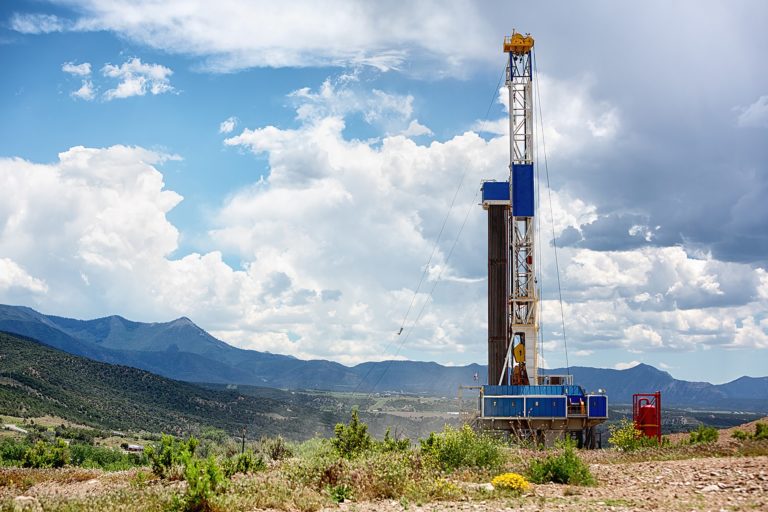
Although the President has stated there will be no more fracking, the practice is still in effect and is likely to continue unless there is a ban enacted by the federal congress. In Congress, there is not just one or two draft bills that propose to ban fracking, but six legislative drafts from different political parties proposing this ban. However, none have been discussed during past legislative sessions and it is unclear if they will be addressed in the coming months. This lack of action is the reason why the Alianza Mexicana contra el Fracking is campaigning to push for a productive discussion to take place. Currently, there are nearly 40, 000 people signing an online campaign demanding for Congress to ban fracking.
Editor’s Picks:
The Open Amazon and its Enemies: A Call for Action and Optimism
Defending the Planet in the Era of Humans
My Truth, Your Truth, Their Truth, and “The” Truth
Why are we still discussing if the need to ban fracking is so clear?
We have overwhelming evidence of water and air pollution, health hazards, human-made earthquakes, and more dire consequences as a result of fracking. Communities in Mexico that live near fracked sites have suffered water pollution, damages to their homes due to earthquakes, and inflation followed by abandonment of fracking sites thanks to the ups and downs of the oil and gas industry. Yet, some people still insist that fracking is a good idea.
Additionally, fracking is contributing to the climate emergency. Last November, the International Panel on Climate Change (IPCC) gave substantial data regarding the imminent need to stop the Earth’s temperature increasing to 1.5° C. A report published earlier this year explained that we have “no more room for new fossil fuel development.” Moreover, we must also “phase out a significant number of existing projects ahead of schedule” in order to stop the climate emergency. So, if this is the case, why are we pushing to explore more shale reserves that should stay in the ground?
At this point, some might argue that we are not considering the benefits such as jobs and investment that this sort of development can bring to a region. In response, regarding jobs, there are considerations that fracking promoters fail to disclose. Oil and gas industry jobs are very risky and fatality rates are four to seven times the US national average. Moreover, these jobs are frequently temporary and are held by workers that come from outside the community. Concerning investment, there is increasing evidence that fracking’s “success” is only related to the ability to extract more oil and gas and that it doesn’t make money for investors.
In Mexico, there is still an outdated belief that the oil and gas industry will allow for economic development. Given that Pemex is the company that still dominates the industry in this country, the argument is that if the company thrives, there will be money for social programs. However, Pemex is in extreme debt and the current Mexican government is desperately trying to save it. To do so, they have cut budgets for every other government agency, including the health and environment departments.
Are we so dependent on these fuels that we are incapable of imagining any other option? We must stop our fossil fuel addiction and rethink the way our societies function and use energy. We must turn to local food production, soil regeneration, public transportation, and rainwater harvesting. There is so much we can do to stop climate chaos, but we have very little time to lose. Let us stop the nonsense and, as Greta Thunberg rightly says, “Act like our house is on fire, because it is.”