In the heart of urban slums lie a tale of tenacity and adaptation. Despite the challenges of climate change and urbanisation, these communities harbor the potential for transformative circular solutions.
India
In Mumbai, India’s financial capital, the 2005 deluge remains a vivid memory. Torrential rains caused streets to become waterways and homes to turn into watery tombs as plastic bags and debris clogged the storm drains. The toll was staggering, with lives lost, livelihoods destroyed, and communities left in disarray.
Today, the situation continues, with India’s largest slum, Dharavi, facing a dual threat of climate change and inadequate housing. The once-relieving monsoon rains have now become a harbinger of misery.
Currently, Mumbai’s population stands at 21 million and is expected to increase by seven million by 2035.
Moreover, the overcrowding, decaying infrastructure, and air and water pollution in India’s megacities add to a truly ecological debacle. Due to the failing transfer of funds to these communities, most people living in Indian cities rely on water deliveries by truck or train.
The effects of climate change are not just felt in one season.
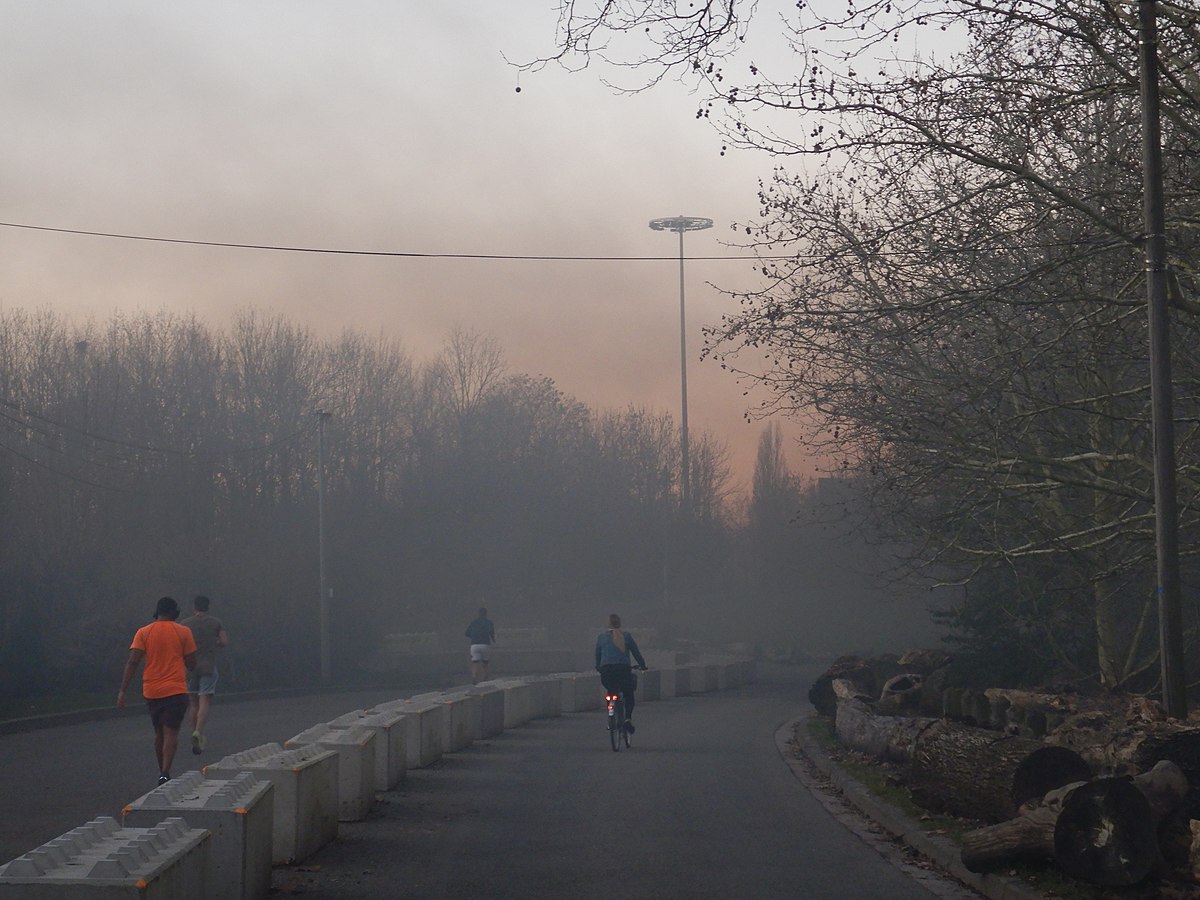
During the summer, the urban Indian population grapples with droughts and record-breaking heat waves. At the same time, severe smog takes over in the winter. A 2019 Lancet study revealed that this smog led to 17,500 premature deaths.
Despite multiple attempts by Mumbai’s government to overhaul the urban slums, there has been little success. Funds are gladly allocated to housing complexes for the upper-class Indians who seek redevelopment in ever-crowding cities. At the same time, those living in poverty continue to suffer.
Ghana
In West Africa’s Ghana, urban slums face a twofold challenge of urbanization and climate change.
Like Mumbai in India, climate change is not a distant threat but a daily reality in this coastal city. During the rainy season, recurring flood events disrupt community life and contribute to the spreading of diseases like malaria and diarrhea.
Unfortunately, the case of Ghana’s urban slums is just another example of what happens when global-south nations fast-track themselves onto the “development” cause. While a small fraction of the population benefits from the rising GDP, the majority remains on the fringes of progress.
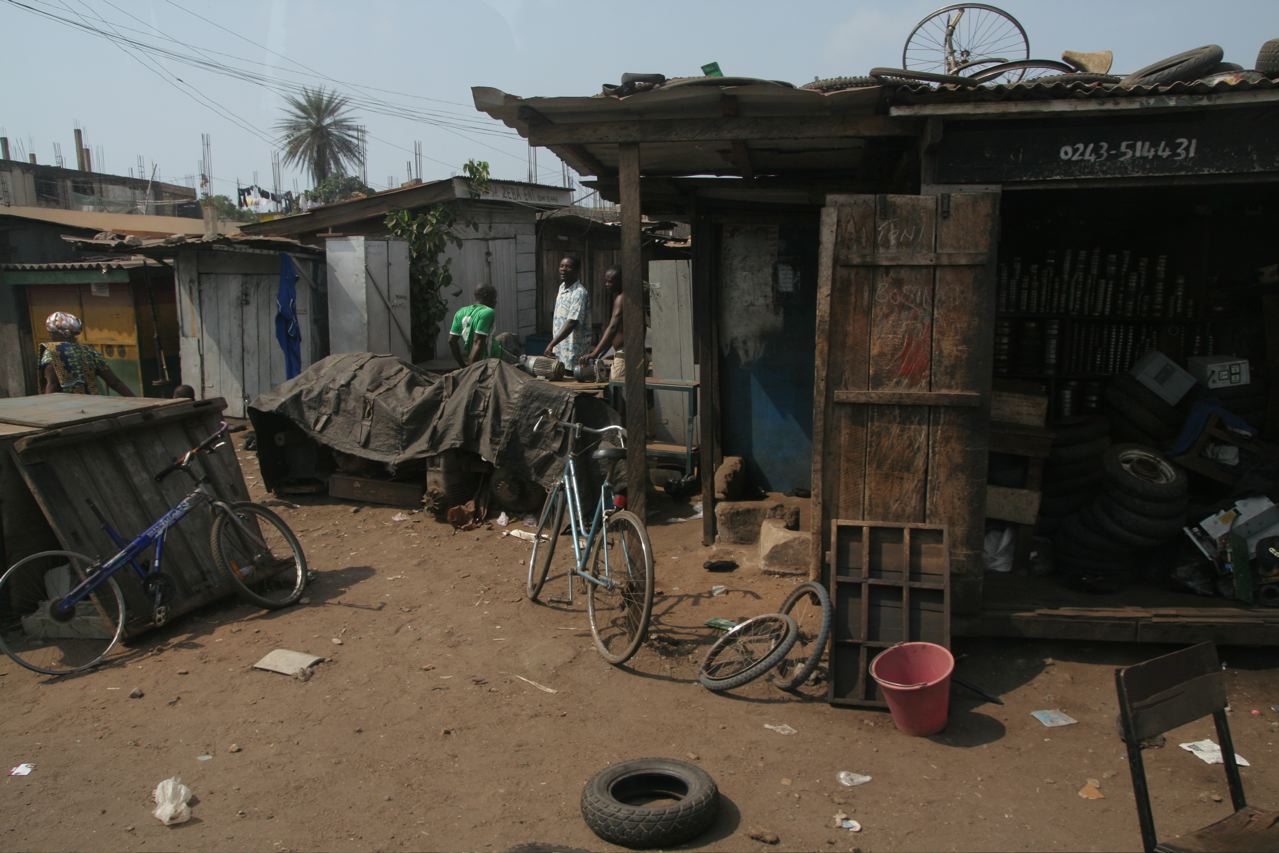
Consequently, these communities must deal with the lack of climate-resilient infrastructure with minimal assistance. The main catalyst of this issue is rapid and poorly planned development that fails to consider how many people will migrate to cities in search of opportunities that are not available.
As is unfortunately expected with urbanization, increased plastic and air pollution lead to dirty air, one of the leading causes of death.
A recent study by Clean Air Fund, a philanthropic initiative tackling global air pollution, has shown that the exposure rate to dirty air increases with urbanization and slums. Among the diseases resulting from overcrowding are diabetes, lung, and heart conditions.
Wildfires and Cultural Erasure: The Struggle of Indigenous Communities | Anatomy of a Sustainable City: Key Elements for Success
Brazil
Just over 6,000 km away from Accra, the informal settlements of Brazil are also on the frontline of climate change’s harsh effects. Despite Rio de Janeiro’s impressive metropolitan area, the lack of political and economic attention towards mitigating the impact of climate change is resulting in the loss of hundreds of lives annually.
The impoverished communities on Brazil’s cliff edges have been a distinctive architectural feature in the country since the early 19th century. Despite their numbers, they have been excluded from the formal housing market as the government has progressed, leaving them stranded in unsafe locations.
As a result of the sustainable infrastructure, these favelas are prone to the worst effects of intense drought, torrential rains, and flooding.
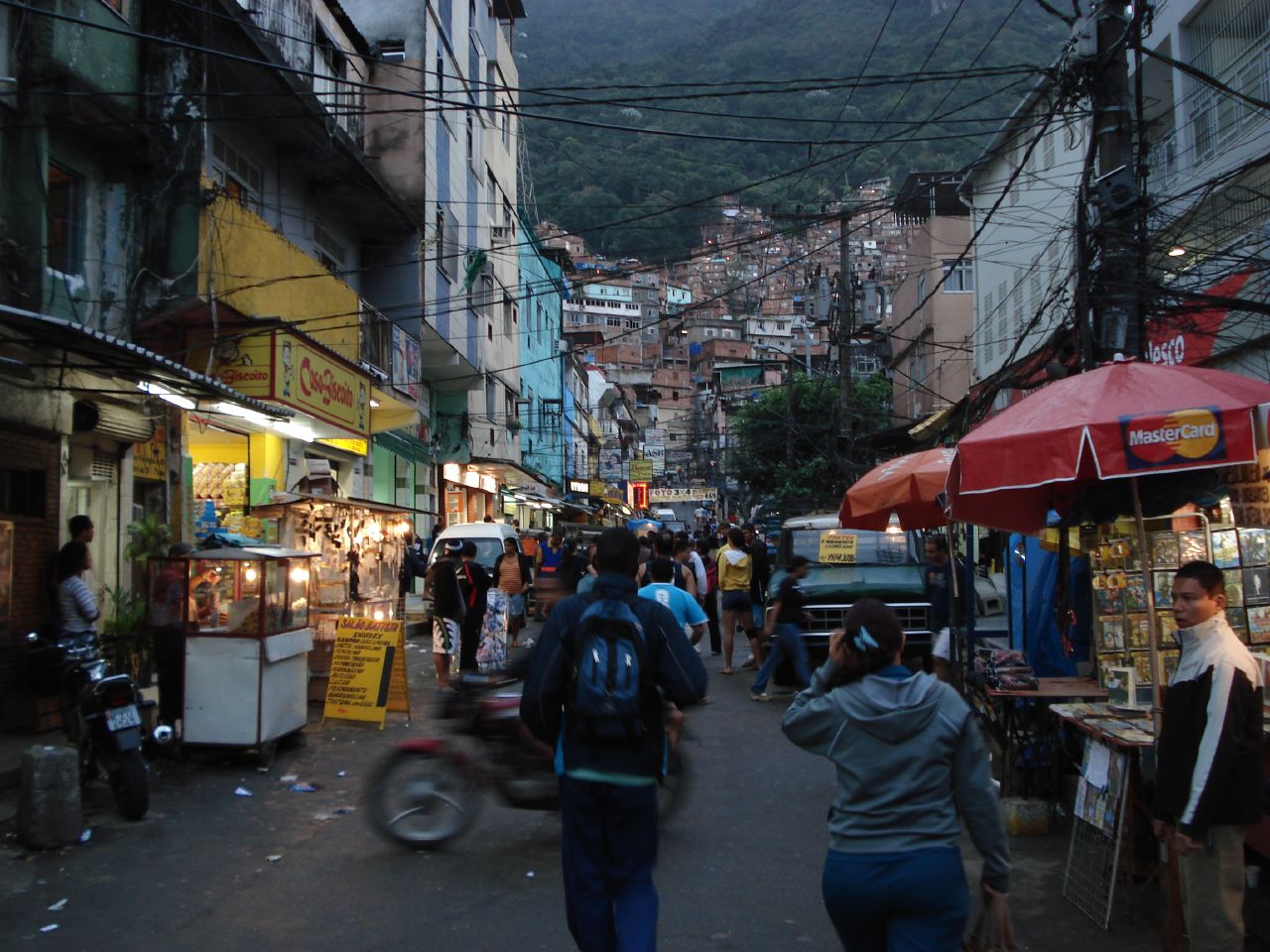
Petropolis, a historic city northeast of Rio de Janeiro, has been severely affected by the devastating power of climate change. In the past year, the city has experienced a surge of floods that saw a month’s worth of rainfall saturate the city in just an hour.
“Brazil has never given much of its population any type of access to land ownership,” said Isadora de Andrade Guerreiro, a professor of architecture and urbanism at the University of São Paulo.
The favela residents have limited economic opportunities and face challenges with the complex architecture, leaving them with few options. To make matters worse, the urban waste problem rears its ugly head-spawning pollution and floods.
Despite these health risks, the lack of substantial funds at the metropolitan level leaves slum residents in constant uncertainty.
Redefining Resilience
Despite everything, there is hope for resource efficiency, circular waste management, renewable energy sources, and community engagement. By breaking free from the traditional approach, the circular economy model offers solutions that empower slum residents to take charge of their environment.
Adaptive architecture has to be at the forefront of the conversation.
Moreover, inclusive economic growth opportunities could lift marginalized populations out of poverty. Many organizations working closely with urban slum residents are already adopting this model.
For instance, Taina de Paula, who assumed office in Brazil this year, has advocated for government-provided environmental education in favelas.
She astutely suggests simplifying terms like ‘environmental racism’ and ‘climate justice’ to ‘inequality.’ when discussing climate change. Such a simplification would enable residents to easily grasp why it is important to transition their communities into ecologically sustainable ones.
What lies ahead?
While national and local initiatives can be helpful, they can only have a limited impact. The complexities involved in improving housing and climate resilience require comprehensive strategies beyond individual regions’ capabilities.
This is where international funding, collaborative efforts, and shared knowledge come in. These funds can bridge the gap, providing the necessary support to initiate the transformation towards circular economies in lower-income countries.
Ultimately, the blend of local determination and international cooperation holds the potential to bring this vision to life.
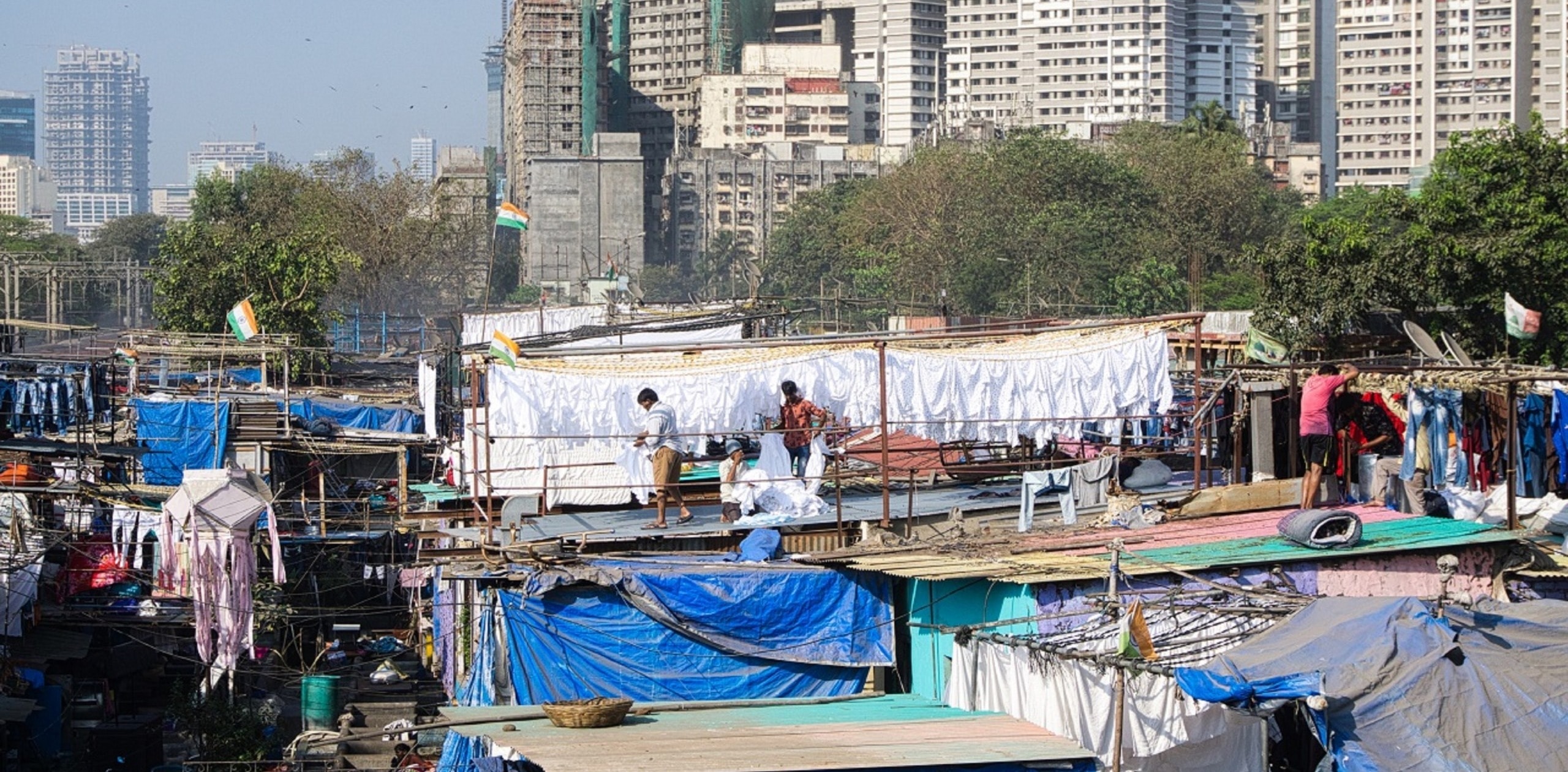
Editor’s Note: The opinions expressed here by the authors are their own, not those of Impakter.com. — In the Featured Photo: Dhobi Ghat llaundromat in Mumbai, India. Featured Photo Credit: Mystical Mumbai