Since the dawn of modern biology, extinction has been treated as a final, permanent full stop in Earth’s evolutionary history. But a growing field known as de-extinction is challenging that assumption, promising to use biotechnology to revive species long thought lost forever.
Supporters call it a breakthrough for conservation. Critics say it risks overselling science and distracting from protecting species that are still alive.
So what exactly is de-extinction? And is it truly possible?
What Is De-Extinction?
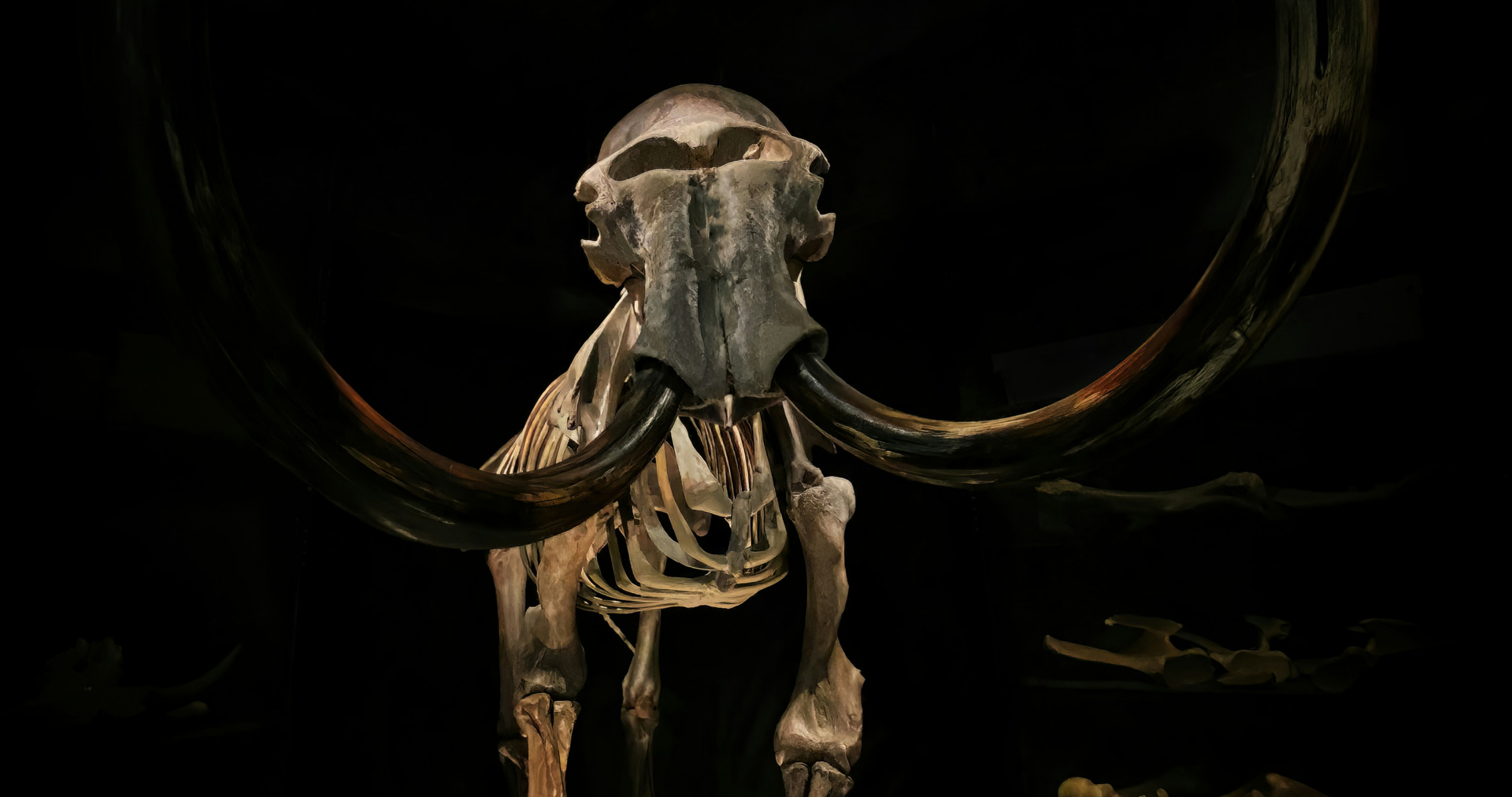
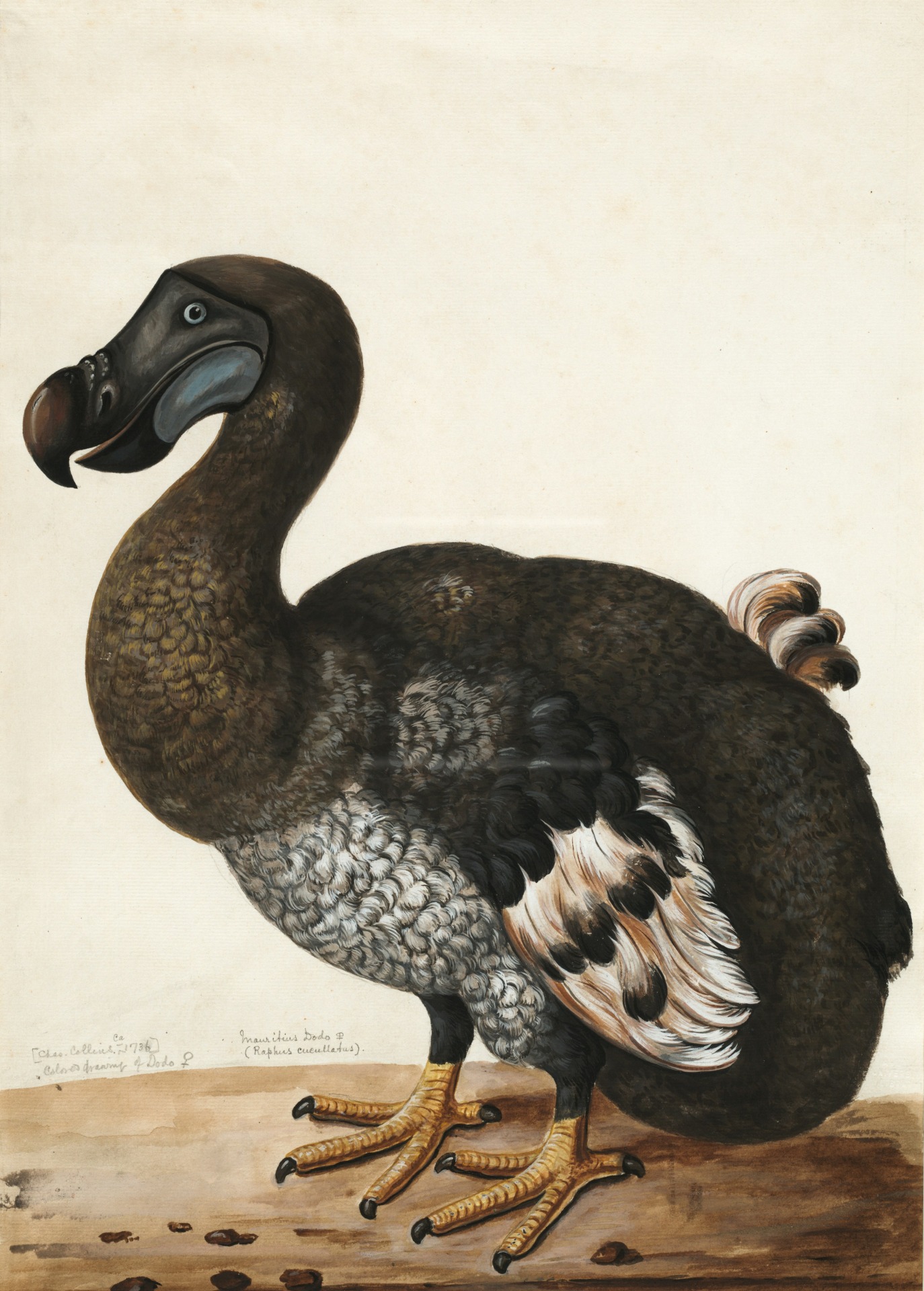
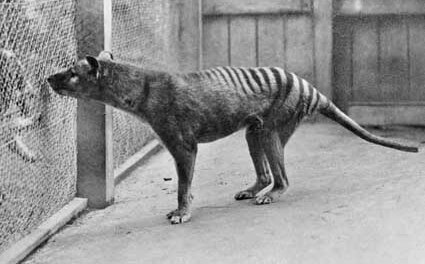
Colossal Biosciences describes itself as the world’s first de-extinction company. Its stated mission is to “bring back” extinct species such as the woolly mammoth, the dodo, and the thylacine, also known as the Tasmanian tiger.
But scientists emphasize that de-extinction does not mean cloning a perfectly preserved ancient animal. In most cases, viable cells from extinct species no longer exist. Instead, researchers are using genetic engineering to create animals that resemble extinct species by modifying the DNA of their closest living relatives.
In practical terms, this means editing the genome of an Asian elephant to express mammoth traits, or altering a gray wolf’s DNA to approximate that of the long-extinct dire wolf.
According to reporting in Yale E360, many researchers agree that true resurrection — creating an organism genetically identical to an extinct species — is not currently possible. What biotechnology can produce are proxies: living animals engineered to share certain traits with extinct ones.
How Would It Work?
Modern de-extinction relies heavily on genome sequencing and gene editing tools such as CRISPR.
The process typically follows several steps:
- Scientists extract and sequence DNA from preserved remains of an extinct species.
- They compare it to the genome of a closely related living species.
- Key genetic differences such as genes linked to cold tolerance or fur growth are identified.
- Those genes are edited into living cells of the relative species.
- The modified embryo is implanted into a surrogate mother.
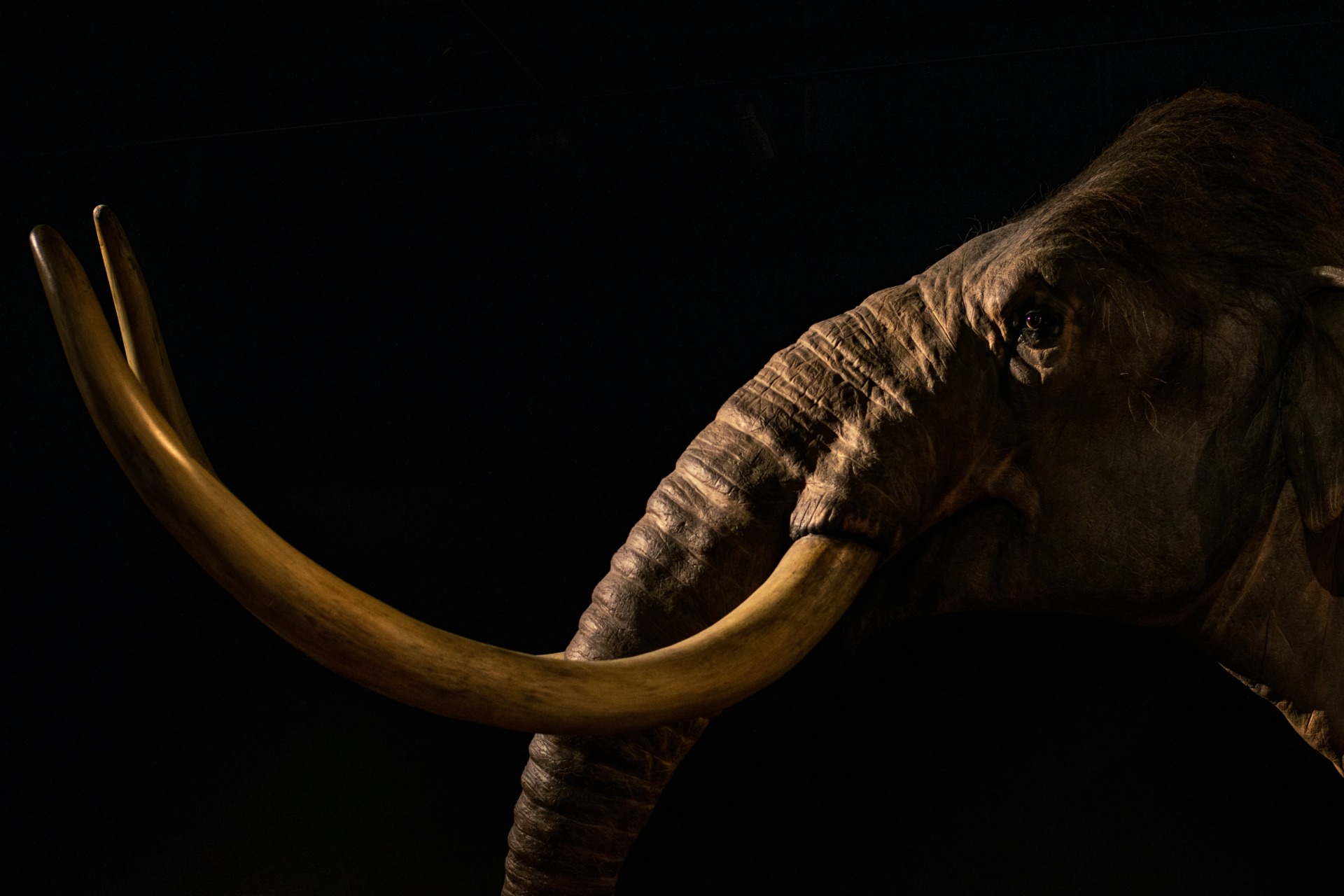
For example, in its mammoth project, Colossal aims to edit Asian elephant DNA to express traits suited for Arctic conditions. The end result would not be a true “Mammuthus primigenius,” but an elephant engineered to resemble one.
Some researchers argue that the value lies not in genetic purity, but in ecological function — restoring grazing patterns or reshaping landscapes in ways extinct species once did.
What Science Says
The scientific community remains divided.
Experts argue that de-extinction is not possible and that, by definition, extinction cannot be reversed because the original lineage is gone. Once a species disappears, its evolutionary and cultural continuity disappears with it.
“I don’t think they de-extincted anything,” said stem-cell biologist Jeanne Loring in response to Colossal’s announcement of genetically engineered wolves designed to mimic the extinct dire wolf. According to scientists, the animals were modified gray wolves, not true dire wolves.
The distinction matters. A recreated animal may share physical traits with an extinct species, but it does not carry the same genetic history, learned behaviors, or ecological relationships.
Others, however, see potential benefits. The genetic tools being developed for de-extinction could aid endangered species conservation by increasing genetic diversity, strengthening disease resistance, or reviving lost traits within struggling populations.
In that sense, de-extinction research may prove more valuable as a conservation toolkit than as a literal resurrection effort.
The Ethical and Ecological Debate
Beyond technical feasibility, deeper questions persist. Should resources be directed toward reviving lost species when more than one million existing species face extinction? Could high-profile projects create the illusion that extinction is reversible, weakening urgency around habitat protection and climate mitigation?
There are also animal welfare concerns. Cloning and gene editing often involve high failure rates and surrogate pregnancies that may carry health risks. Ecologically, environments have changed dramatically since many species went extinct. Even if recreated, would they survive, or would they destabilize current ecosystems?
Supporters argue that carefully managed reintroductions could restore ecological balance. Critics warn that ecosystems are complex, and unintended consequences are likely.
Related Articles
Here is a list of articles selected by our Editorial Board that have gained significant interest from the public:
Hype vs Hope
De-extinction sits at the intersection of biotechnology, conservation, and corporate ambition.
Colossal has attracted billions in investment and global media attention. Its framing positions de-extinction as a bold climate and biodiversity solution. But independent scientists caution against overstating what the science can deliver.
What is emerging is not a time machine for evolution, but a powerful set of genetic tools capable of reshaping living species. Whether those tools are best used to revive the past or to protect the present remains the central question.
What is clear is this: extinction may still be forever. But humanity is now experimenting with what comes after.
Editor’s Note: The opinions expressed here by the authors are their own, not those of impakter.com — Cover Photo Credit: Zdeněk Macháček.