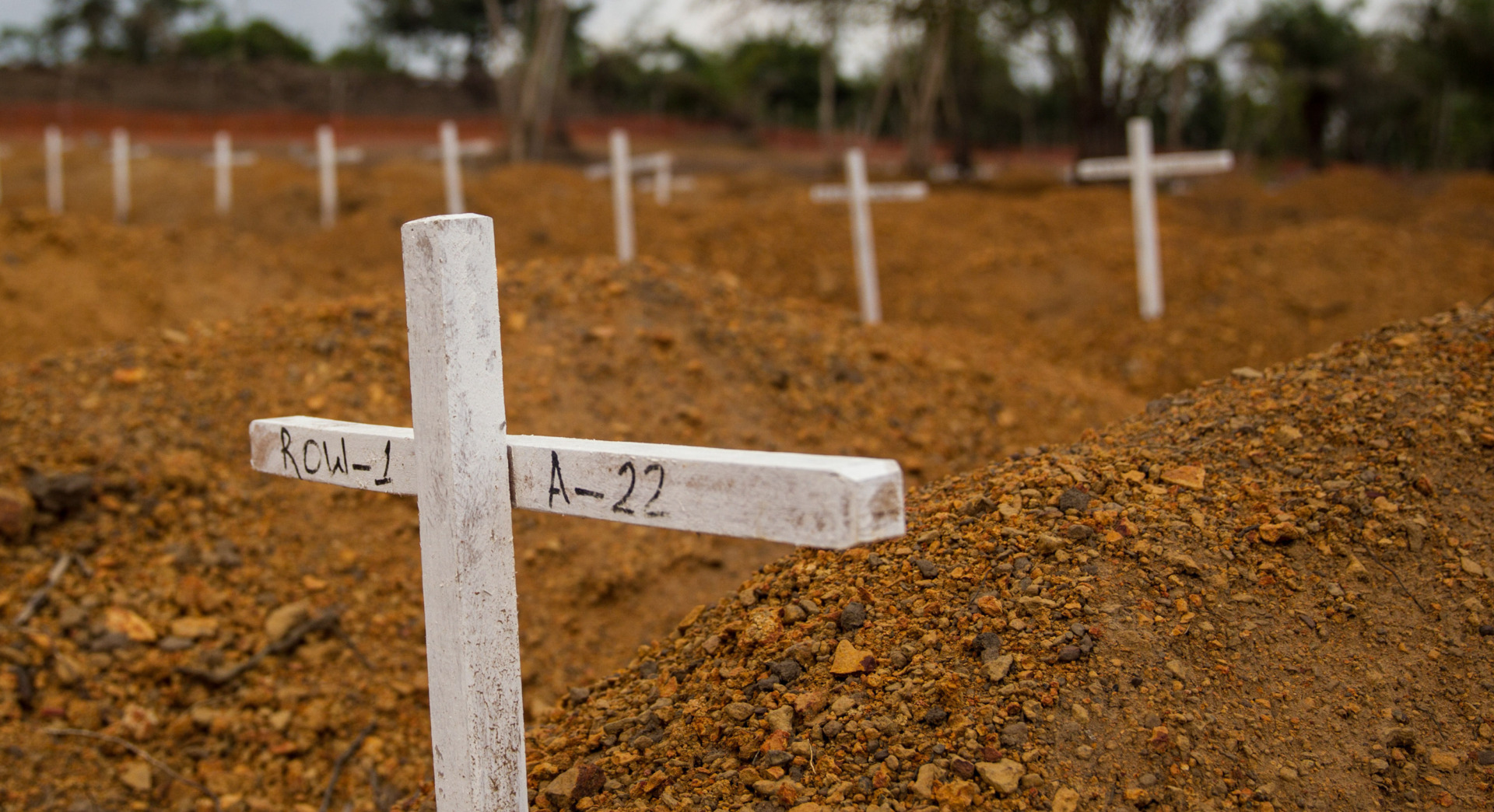
The Democratic Republic of the Congo is deeply stuck in the deadliest Ebola outbreak in its history — and the second largest ever recorded globally, behind only the 2014–2016 West Africa epidemic. As of September 7, the Ebola outbreak in the DRC has claimed nearly 3,200 lives, surpassing the 2018–2020 epidemic that had held the country’s grim record for six years. The World Health Organization declared the rare Bundibugyo virus a public health emergency of international concern in May 2026. This has been the headline for the past few months. However, this is not the whole story.
In the epicenter of the outbreak, the Ituri province of Congo, a double-edged fear has taken hold of pregnant women. As they stay away from hospitals in fear of being diagnosed with Ebola, maternal deaths are on the rise. This toll has roughly doubled since May and now stands at more than six per week. For these women, the outbreak has narrowed a private moment into a public risk calculation: the danger of a hospital, or the danger of doing without one.
Esther Lutula stopped going to her prenatal checkups shortly after the outbreak was declared in Bunia, the capital of Ituri province. She is 26, four months pregnant, and a mother of four. Her fear was not of Ebola itself but of being mistaken for a case of it. She worried that an ordinary fever would be enough to get her isolated. “That’s why I’m waiting until the disease is no longer widespread,” she told the Associated Press from home.
The numbers clearly mark this shift. According to UNFPA, weekly maternal deaths across Ituri province rose from an average of 3.1 before the outbreak to 5.8 between May 25 and July 19. During the same period, the share of maternal deaths occurring outside a health facility rose from 9.1% to 17.4%. This suggests that women are specifically avoiding healthcare, instead opting to give birth without any medical attention.
The funding collapse behind the crisis
In January 2025, the Trump administration withdrew from the World Health Organization (WHO) and dismantled the United States Agency for International Development (USAID). It further cut staff at the U.S. Centers for Disease Control and Prevention (CDC) and sharply reduced direct aid to Congo and Uganda.
The funding figures paint a grim reality. USAID funds to Congo fell from $1.2 billion in 2024 to $715 million in 2025, with just $67 million coming in the final quarter of 2025. During the same period, the Department of Health and Human Services’ (HHS) aid to the country fell from $33 million to under $10 million. Meanwhile, the WHO’s Contingency Fund for Emergencies — created specifically to collect aid for an outbreak like this — had received just $5.4 million in contributions by 2026. The U.S. shortfall has created a gap that no other donors have covered.
The consequences of the cuts have started to become visible at the ground level, resulting in unpaid wages and a drastic staff shortage since mid-July. On July 13, dozens of workers at Rwampara General Hospital went on strike after going unpaid for months, and two days later, staff shut down the entrance to Bunia General Hospital itself. By July 25, Bunia’s Elikya Ebola Treatment Center was brought to a complete halt. As workers protested outside the provincial governor’s office in Bunia, Ituri accounted for nearly 90% of the outbreak’s confirmed cases.
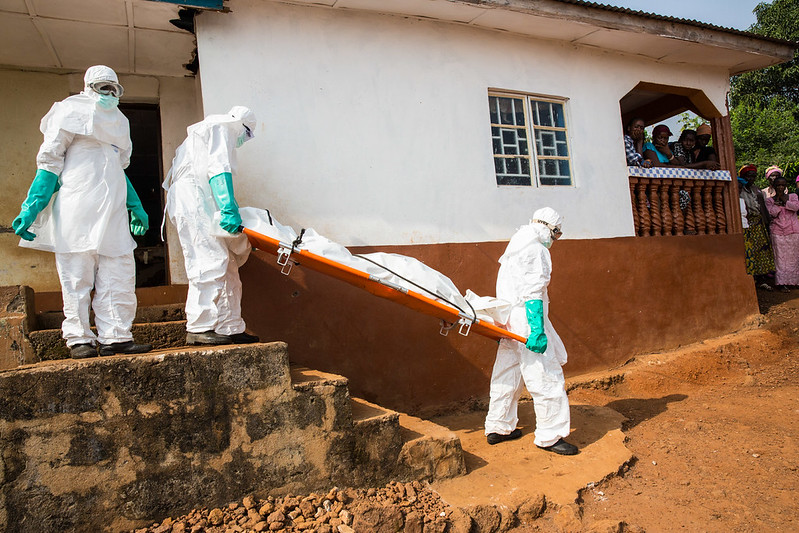
The International Rescue Committee, which had been running programs in five of the areas now at the heart of the outbreak, reduced its operations to two. The IRC country director, Heather Reoch Kerr, voiced the underlying concern: “Years of underinvestment and recent funding cuts have left many health facilities without adequate protective equipment, surveillance capacity, or frontline support needed to respond quickly and safely.”
The aid cuts stalled the process that might have prevented a staff shortage from turning into a gap in maternal care. This is the same system, not a separate one, that pregnant women in Ituri are relying on and avoiding.
The question of accountability seems to differ between officials. A senior State Department official told CNN that Ebola management programs “carried over” through the transition and that experienced staff was retained. At the same time, Secretary of State Marco Rubio blamed delayed detection on the WHO being “a little late.”
But independent researchers and aid workers describe a system with far less capacity than it once had. “When you add up all of those elements, it’s hard to see how there could not have been an effect on the surveillance and response capacities in these countries,” said Josh Michaud, associate director for global health policy at Kaiser Family Foundation.
Related Articles
Here is a list of articles selected by our Editorial Board that have gained significant interest from the public:
Same tragedy, a decade ago
When Ebola struck West Africa between 2014 and 2016, the same pattern played out in Liberia and Sierra Leone, which saw empty maternity wards. In Liberia, the number of births attended by a health worker fell from 52% to 38% after the outbreak began. At the same time, in Sierra Leone, the number of women giving birth in hospitals and health centers dropped by 30%.
Fatumatta Fofana, a mother of five in Monrovia, died along with her baby after being turned away by a string of shuttered or understaffed facilities. “Some centres have just two or three staff, so if one dies, the whole system shuts down,” stated UNICEF’s head of maternal health in Sierra Leone, Augustin Kabano, in 2014. Further, this crisis is also unfolding in the world’s most dangerous place to give birth. According to the UN Maternal Mortality Estimation Inter-Agency Group, a coalition that includes WHO, UNICEF, UNFPA, the World Bank, and UN DESA, Sub-Saharan Africa accounted for 70% of the 260,000 maternal deaths recorded globally in 2023.
The deaths of pregnant women in Congo do not show up in a single situation report. WHO’s daily case counts track Ebola deaths, but they do not track a woman who might bleed out at home because her clinic has gone unstaffed. Moreover, a death toll cannot distinguish the real reasons behind it. Did they die of the virus or the lack of medical care? This isn’t limited to Congo, and the same global health system that failed to work on a stalled payroll in Ituri will fail some other community the next time a crisis strains it.
Some of the women who died in Ituri this summer were never at risk of Ebola at all. They died of a system that failed them.
Editor’s Note: The opinions expressed here by the authors are their own, not those of Impakter.com — In the Cover Photo: Specialist burial teams are about to bury an Ebola victim, Jan 27, 2015. Cover Photo Credit: UNMEER