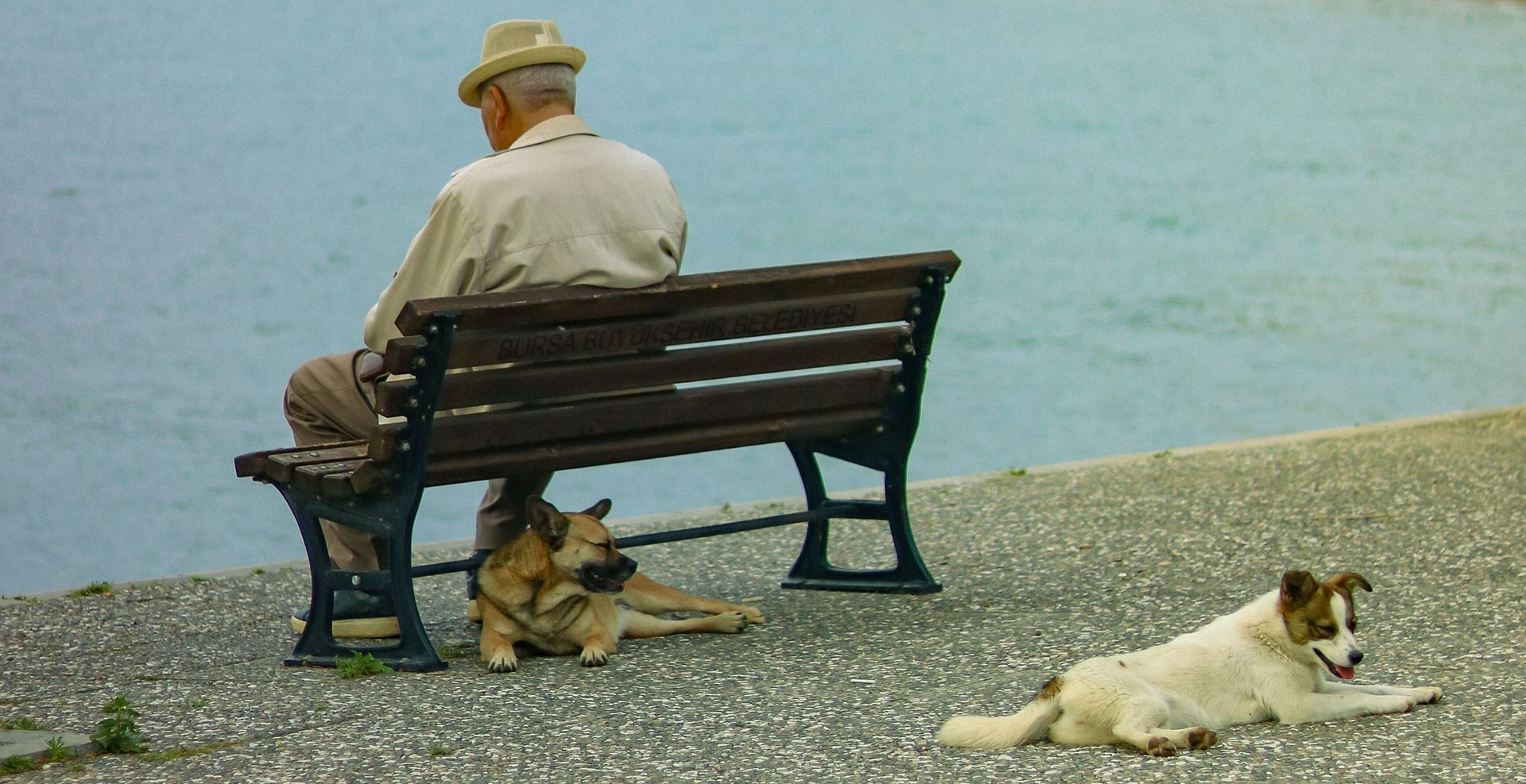
I’ll admit it: I am very pro-pet. If loving a creature that sheds on everything I own is wrong, I don’t want to be right. Cats that shed, dogs that bark, birds that molt — they’re the emotional support of life, the unofficial mayors of living rooms and bedrooms, and the only residents who never complain about the mortgage or your breath.
But as cities grow denser and dirtier, a question is creeping into public debate: Are urban pets still worth the cost?
Let’s start with the obvious. In developed countries, pets are no longer really necessary. Urban cats are not stalking rats in grain stores; they’re stalking shafts of light or maybe your leftover tuna sandwich. Dogs aren’t guarding livestock; they’re guarding the couch. And birds? They’re mostly decorative, like chirping throw pillows.
Meanwhile, pets require food, water, preventive health care, and a surprising amount of emotional labor. They also come with risks: allergies, bites, and in the case of cats, the “pregnant women should avoid the litter box” warning that has terrified generations — and which seems to apply to almost all women, including those long past gestational age. Some cities even ban pets entirely in certain buildings — with service animals as the noble exception — because nothing says “modern living” like a 40-page lease agreement explaining why your goldfish is a biohazard.
“If you want a friend in Washington, get a dog”
— U.S. President Harry S. Truman.
Yet the benefits are undeniable. Pets provide companionship, routine, and a connection to another species. They reduce loneliness, improve mental health (supposedly), and give people another reason to go outside. Dogs create instant community in parks. Cats create instant community online. Birds create instant community by loudly reminding everyone within earshot that morning exists. So what’s the problem with pets?
Urban planners are quietly wondering about this. Not because they dislike pets — most of them probably have one — but because cities are being forced to rethink everything from water usage to landfill capacity. When you’re rationing water, even the cutest Labrador becomes part of the spreadsheet. So what happens next?
One possibility is tighter regulation: limits on pets per household, mandatory biodegradable waste systems, higher fees to offset municipal costs. Another is a shift toward smaller, lower-impact animals. A third (least charming) option: technological companionship — robotic pets that don’t shed, eat, or require emergency vet visits because they swallowed a sock. But they come with manufacturing, electrical, and other environmental costs.
The most extreme solution to pet crises would be restricting the number and size of animals.
The problem is that no one intelligent wants this. Pets are a guaranteed cure for loneliness. Some of them are even, very, very occasionally, useful and productive. Banning tame or even semi-tame animals would be unpopular and ethically complicated.
Related Articles
Here is a list of articles selected by our Editorial Board that have gained significant interest from the public:
So yes, let’s keep these messy, slobbering ungrateful animals by our side, even in urban areas. Pets remain one of the best deals in emotional well-being you can get without a prescription. Of course the future will demand creativity: sustainable pet food, better waste systems, smarter housing design, and so on.
But the real question isn’t whether pets are worth all the emotional and financial investment needed to sustain them. It’s whether city denizens can afford to lose the comfort, companionship, and chaos they bring.
And if you ask me — a biased, furless human — the answer to all this is simple: cities without pets would be cleaner, quieter, and more efficient. And those cities also wouldn’t be worth living in. That’s because cats and dogs are actually, curiously, amazingly what makes us human, decent, and kind. Without them we are something less than human.
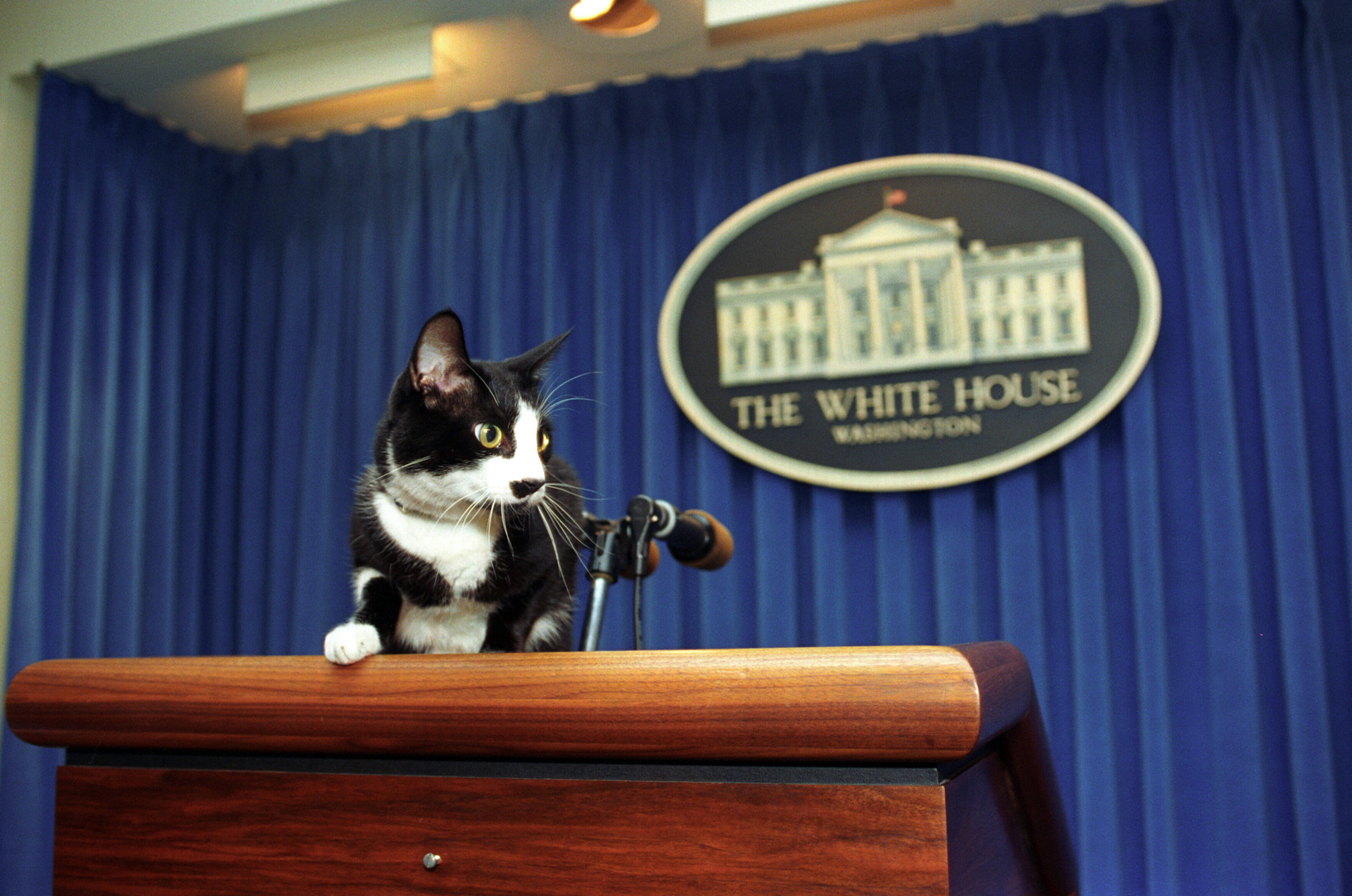
And if you think I’m exaggerating their importance, let me offer one sterling example of what happens when all of that charm and love is rejected: Donald J. Trump is the only U.S. President who has remained purposefully, adamantly pet-less in the 21st-century White House.
Editor’s Note: The opinions expressed here by the authors are their own, not those of Impakter.com