This article on how collaborations can help take climate action to the next level was written by Harriet Lamb, CEO of Ashden and Ben Jackson, an advisor on campaigning strategy and former Board member of UK Friends of the Earth.
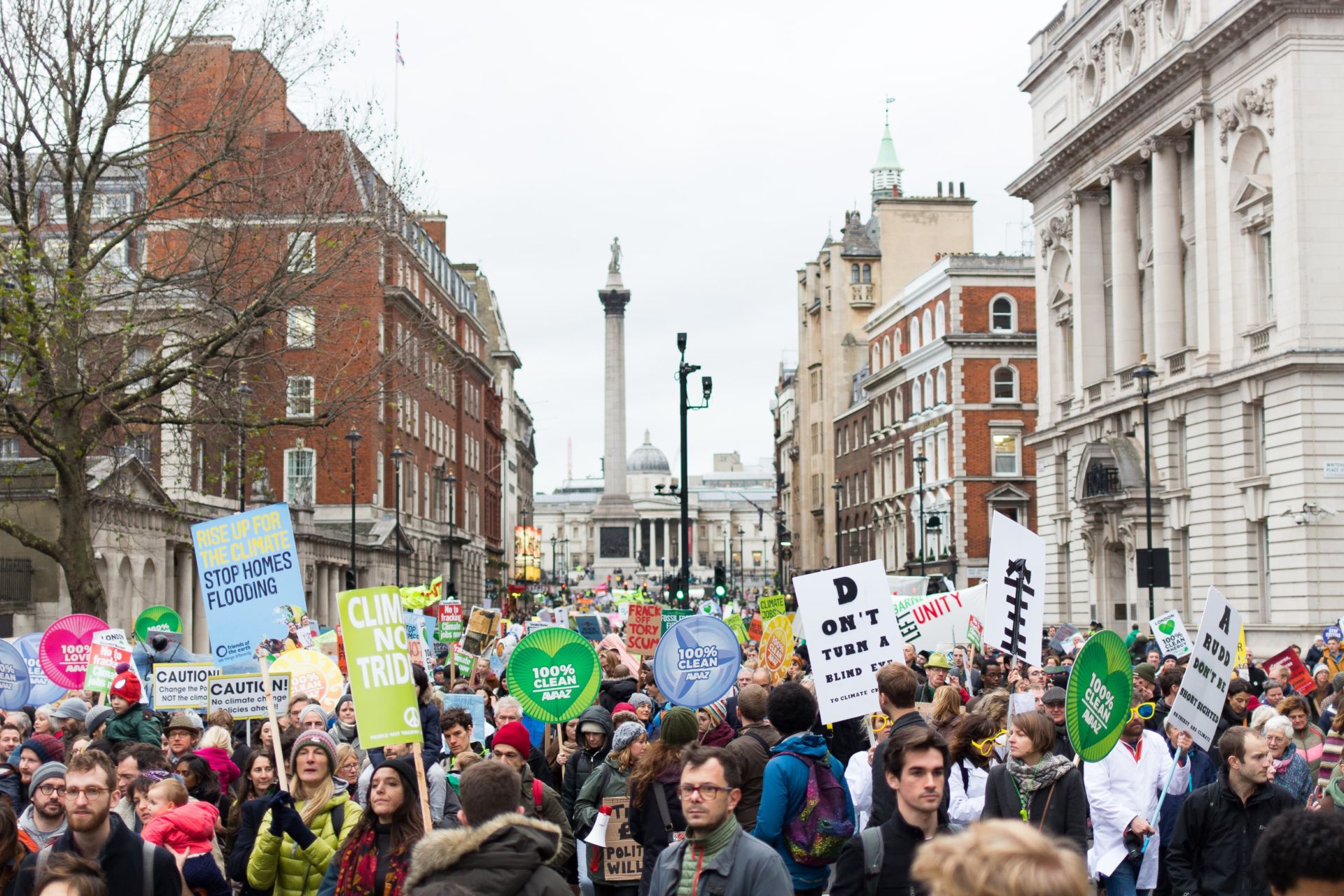
The climate sector is louder and prouder than ever. Headline acts like Greta and Extinction Rebellion grab the most attention, but across the world, a mighty chorus of NGOs, school strikers, pressure groups, green businesses, visionary funders, and lone campaigners is raising its voice. The sector is focusing on the messages that really cut through – linking climate action to better health, better work, and fairer societies. And it is adapting to today’s challenges – demanding a green recovery from coronavirus, calling for governments to invest in a low-carbon future.
The noise of this movement has driven real-world change. First, it is shifting attitudes – an Ipsos Mori global poll found that seven in ten people consider climate change as serious a crisis as the pandemic, and a similar proportion feel their government will be failing them if it doesn’t act on climate change now. Two-thirds of respondents support a green economic recovery from the pandemic.
Second, with pressure growing, we are starting to see the systemic shifts that are vital to tackling the emergency. Finance is at the heart of this struggle – both cutting off the supply to polluters, and opening the taps for sustainable solutions. The European Investment Bank – the EU’s lending arm – is phasing out financing of oil, gas, and coal projects, while Goldman Sachs and JP Morgan have pledged to withdraw support for Arctic drilling. Promising first steps. And it is easier than ever to back low-carbon innovation, as organizations like Energise Africa help ordinary people invest in solar solutions with a social impact.
But emissions stubbornly keep rising, so we must go further, faster. To do that, social movements have to pick up their pace as never. They must embrace collaboration to confront the political forces that block progress. We all know how quickly momentum can dissipate after a global crisis hits.

Learning the lessons of the financial crash
In the months leading up to the 2008 financial crash, climate activists felt they were on the brink of a breakthrough. Plans were in place, policies passed. Then the economic crisis crash-landed. As governments printed billions to save the banks while imposing brutal austerity slashing public services and ordinary people’s livelihoods, tackling the climate plummeted down the priority list. Activists’ hopes were dashed.
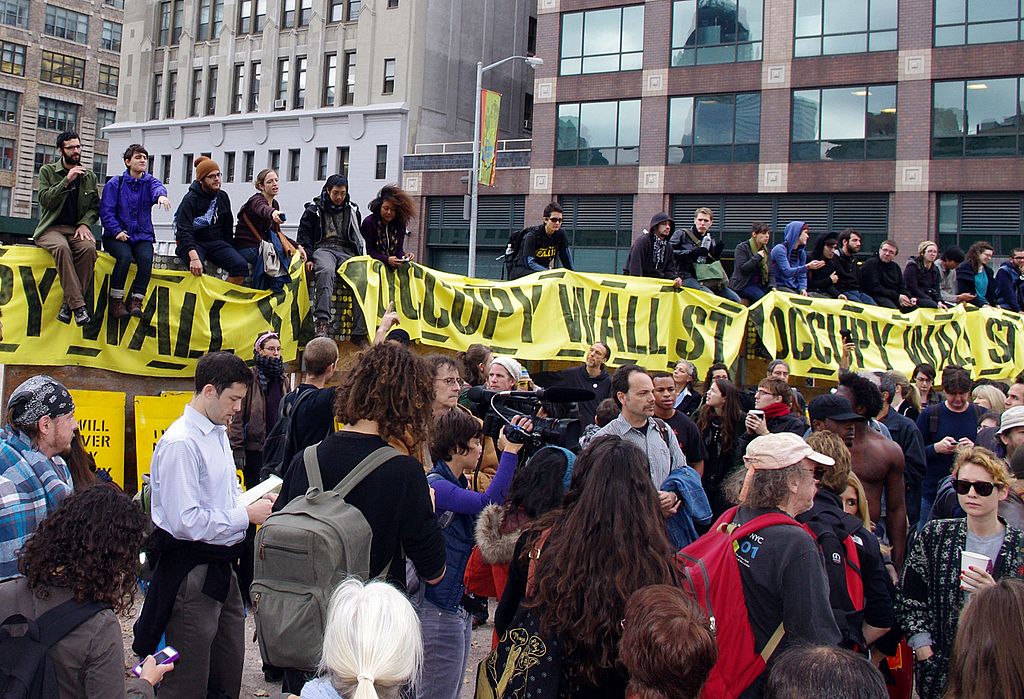
2008 offers another warning, beyond the fragility of progress. The crisis spawned a wave of protests, including the high profile Occupy movement. The image of tents pitched defiantly on Wall Street captured the world’s attention. The movement was urgent, exciting, and chimed with a popular public sentiment – that the global economy was benefitting the wealthy and leaving others behind.
And yet it was unable to get cut-through. At the same time, the established NGOs struggled to re-orientate their strategy of building a step-by-step change in a new world of unpredictable hashtag and street protest movements on one side and the rise of nationalist populism on the other. Some victories were won – but overall we lost out big-time. Governments and companies cut back services to the marginalized, threw funds at the banks and invested in fossil fuels or road building.
Now the global coronavirus pandemic and its vicious economic tail threaten to derail progress once again. At the same time, voices urging narrow nationalism are rising, with the liberal democratic consensus on global cooperation lying in pieces on the floor. In June the UK Government declared it was merging its widely respected Department for International Development with the country’s foreign office, openly talking about a need to reorient away from tackling poverty and environmental challenges in Africa towards Britain’s commercial and security interests – as if a more equal, sustainable world would not benefit people everywhere, including those in the UK.
Clearly, progressive goals – as well as the fight to prevent climate catastrophe – are under threat. How can we respond? How can we avoid the mistakes of the past? How can global solidarity and the green recovery demanded by the climate sector become a reality?
We must throw our efforts into forging new and broad alliances, escaping silos and working across movements, in order to achieve shared aims. We must be bold, brave, and uncompromising – and yet at the same time build a broad-based movement that challenges the vested interests seeking a return to the ‘old normal’.
Right now a galaxy of organizations and individuals are working for a better world, and climate action can help deliver many of society’s goals – from better jobs to greater gender equality. The deep shock of the coronavirus pandemic could also be the catalyst for urgency and collaboration. But only if we in civil society think and organize in new, creative ways.
RELATED ARTICLES:Bold Solutions Tackle Refugee Energy Crisis | From Brazil to Cameroon, Forest Communities Fight Climate Change |Shape Your Future with Harriet Lamb, CEO of Ashden |Electrifying Africa: New Research Shows Gender Focus Is Crucial |The Cubans Who Taught Us About Clean Energy |Smashing the urban myths: how clean energy builds new cities
Connecting through health and education
In particular, we in the climate movement must also make sure we address the day-to-day needs that matter most to people around the world. Sustainable schools are a great place to start. As the recent school strikes have demonstrated, young people are hungry for change – and climate action in schools can be the gateway to wider action by the millions of parents, staff, and governors who may not see themselves as climate activists. Cutting school energy use protects the planet but also lowers bills, so more money can be invested in teaching. That’s why Ashden is launching a campaign to make all our schools to zero carbon by 2030, together with a wide coalition including the youth-led Teach the Future group.
Clean air is another urgent global challenge, one that energizes the public and can bring together the climate and health sectors. With the worst of most badly affected, this is absolutely a question of justice and equality, as well as an exciting public concern. Forward-thinking authorities – such as London’s Waltham Forest council – have begun to tackle the issue, citing the climate crisis and better health as reasons for radical action. Measures like road closures have been crucial but controversial. Civil society must fearlessly pitch into the political arguments around clean air and other issues – backing innovation, but also sharing hard truths about the systemic change needed.
So how can collaboration happen in practice? Well, with the usual schedule of conferences and summits seriously disrupted, the climate sector has the chance to pause and think creatively about the conversations it has, and who is round the table. So let’s promise that when these key moments return – from industry gatherings to history-defining events such as the COP26 intergovernmental climate talks in November 2021 – we involve allies from other sectors, and make sure shared goals are the heart of our plans. And from this dialogue we must make united, compelling political arguments drawing on the everyday concerns of people around the world.
We need a new, inspiring vision of global solutions to global problems – ensuring that we tackle inequality alongside climate change, and stand with others to defend international collaboration in the face of attacks from the populist nationalists. With this approach, the climate sector can make the green, just recovery a reality – and the horrors of the COVID-19 crisis a moment to build back better.
Watch the Ashden Awards 2020 online from 2pm BST, 2 July.
Editor’s Note: The opinions expressed here by Impakter.com contributors are their own, not those of Impakter.com