Impakter
  • Environment
    • Biodiversity
    • Climate Change
    • Circular Economy
    • Energy
  • FINANCE
    • ESG News
    • Sustainable Finance
    • Business
  • TECH
    • Start-up
    • AI & Machine Learning
    • Green Tech
  • Industry News
    • Entertainment
    • Food and Agriculture
    • Health
    • Politics & Foreign Affairs
    • Philanthropy
    • Science
    • Sport
  • Editorial Series
    • SDGs Series
    • Shape Your Future
    • Sustainable Cities
      • Copenhagen
      • San Francisco
      • Seattle
      • Sydney
  • About us
    • Company
    • Team
    • Partners
    • Write for Impakter
    • Contact Us
    • Privacy Policy
No Result
View All Result
  • Environment
    • Biodiversity
    • Climate Change
    • Circular Economy
    • Energy
  • FINANCE
    • ESG News
    • Sustainable Finance
    • Business
  • TECH
    • Start-up
    • AI & Machine Learning
    • Green Tech
  • Industry News
    • Entertainment
    • Food and Agriculture
    • Health
    • Politics & Foreign Affairs
    • Philanthropy
    • Science
    • Sport
  • Editorial Series
    • SDGs Series
    • Shape Your Future
    • Sustainable Cities
      • Copenhagen
      • San Francisco
      • Seattle
      • Sydney
  • About us
    • Company
    • Team
    • Partners
    • Write for Impakter
    • Contact Us
    • Privacy Policy
No Result
View All Result
Impakter
No Result
View All Result

Climate Change Responsible for Irreversible Drying of Three-Quarters of Earth’s Land: UN Report

Growing aridification is a “dire threat to human well-being,” warns the new report

byAlessandro Camillo
December 16, 2024
in Climate Change, Environment
aridification

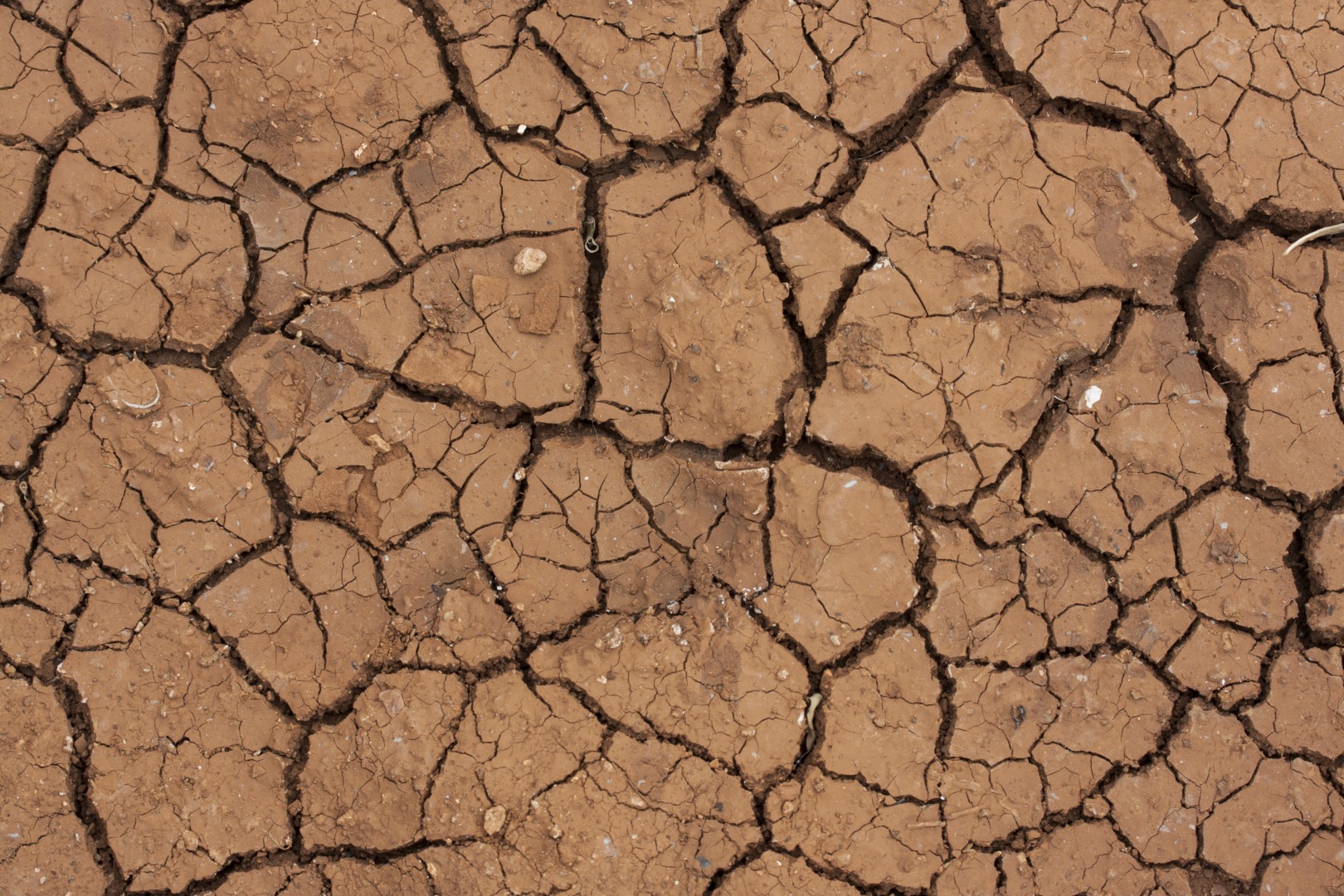
According to a new analysis from the UN Convention to Combat Desertification (UNCCD), 77.6% of land on the planet experienced drier conditions from 1990 to 2020 than from the three decades prior. The total area of drylands grew by around 4.3 million square kilometres, an area larger than India. These drylands now cover over 40% of all land on Earth, excluding Antarctica. These figures are all expected to grow should greenhouse gas emissions not be curbed.

The UNCCD’s report, The Global Threat of Drying Lands: Regional and global aridity trends and future projections, was presented at the UNCCD’s 16th conference, the first hosted in the Middle East, in Riyadh, Saudi Arabia.

Most of the areas that have become drylands in recent times were once humid landscapes; the climate shift has had drastic effects on agriculture, ecosystems and the people living there.

Aridity is thought to be the main driver behind failing agricultural systems, impacting 40% of the world’s cultivable land. In Africa alone, a 12% decline in gross domestic product (GDP) from 1990 to 2015 has been in part due to rising aridity, according to the UNCCD.

“This analysis finally dispels an uncertainty that has long surrounded global drying trends,” said UNCCD Executive Secretary Ibrahim Thiaw. “For the first time, the aridity crisis has been documented with scientific clarity, revealing an existential threat affecting billions around the globe.”

Thiaw added: “Unlike droughts—temporary periods of low rainfall—aridity represents a permanent, unrelenting transformation. Droughts end. When an area’s climate becomes drier, however, the ability to return to previous conditions is lost.  The drier climates now affecting vast lands across the globe will not return to how they were and this change is redefining life on Earth.”

The report by the UNCCD assessed that human-caused climate change was the main catalyst for the Earth’s increasing aridity. Greenhouse gas emissions have warmed the planet and affected rainfall patterns, which have in turn impacted plant life.

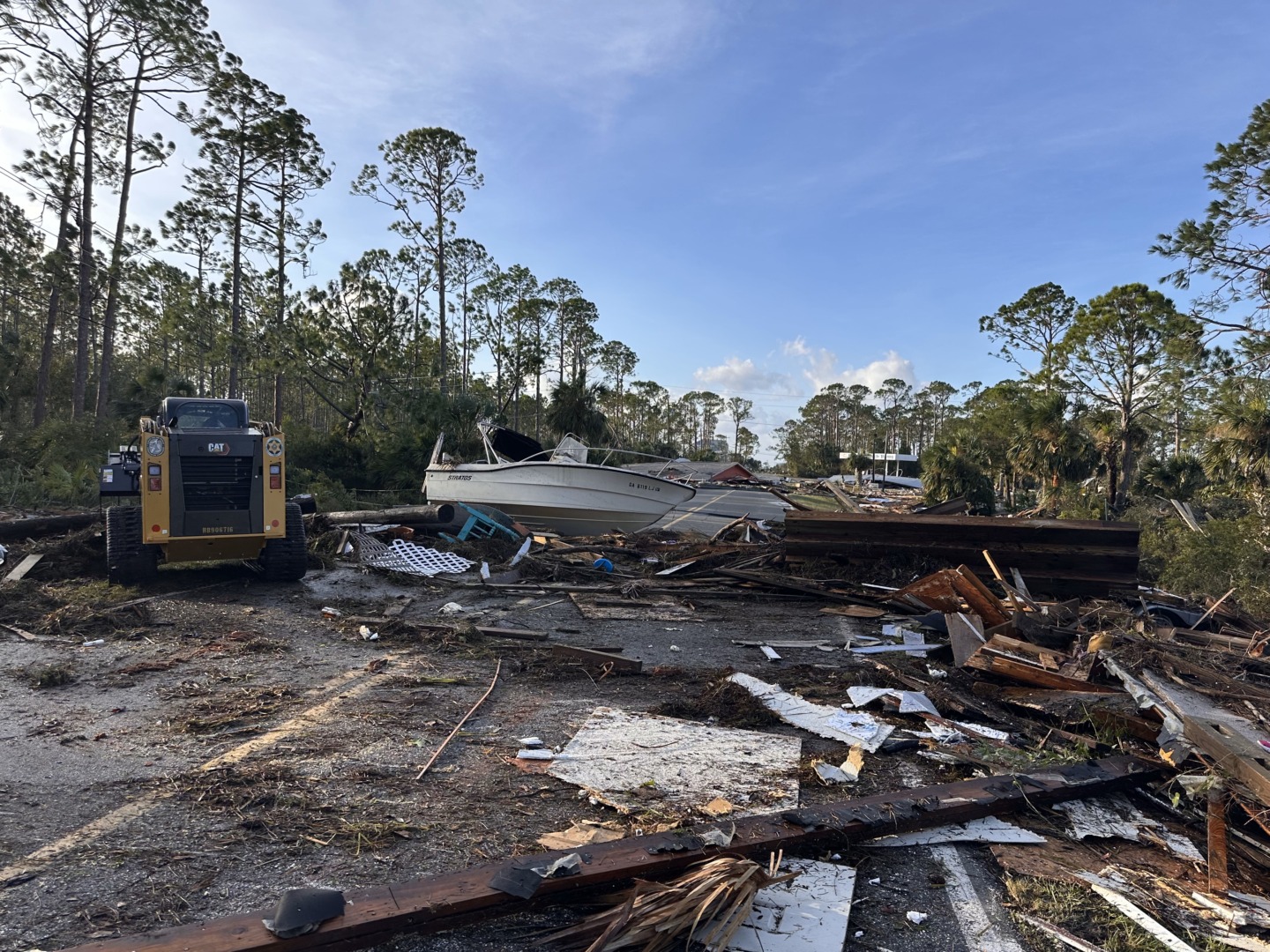
This news comes despite the intensifying storms and floods occurring across the globe with increasing frequency. In the most recent Atlantic hurricane season, which ended last month, 18 tropical storms were formed, with 11 reaching hurricane strength and five developing into major hurricanes — including Hurricane Helene, the deadliest hurricane to affect the US in 19 years.
aridification
In the Photo: The aftermath of Hurricane Helene, September 27, 2024. Photo Credit: Florida Fish and Wildlife.

Other parts of the world have seen more direct impacts from aridification. 95.9% of land in Europe is under risk of becoming arid. The western United States, Brazil, central Africa and eastern Asia have also been identified as being at high risk by the UNCCD. South Sudan and Tanzania were named as the countries with the highest percentage of land transitioning to dryland, China has seen the largest total area become arid.

The UNCCD report highlights that 2.3 billion people, or more than 25% of the global population, currently live in expanding drylands. Land degradation resulting from aridity has threatened agriculture and represents “a dire threat to human well-being.”


Related Articles: How Indigenous-Led Conservation Can Save The Planet | Why Land Restoration Is Key to Achieving Sustainability | The Benefits and Power of Assisted Natural Regeneration

It is estimated that by 2100, up to 5 billion people could live in drylands in a worst-case scenario. This population would have to deal with infertile soils and diminishing water resources. Aridity could also contribute to increased migration, as has already been seen in the Middle East, Africa and South Asia.

The UNCCD report outlines methods to combat the growing issue of aridification, outside simply reducing carbon emissions and combating climate change holistically. They recommend strengthening aridity monitoring to detect conditions before they are irreversible, improving sustainable land use in vulnerable regions in particular, investing in water efficiency and developing international cooperation to fight the issue, among other practices.

“Without concerted efforts, billions face a future marked by hunger, displacement, and economic decline,” said Nicole Barger, Chair of the UNCCD Science-Policy Interface. “Yet, by embracing innovative solutions and fostering global solidarity, humanity can rise to meet this challenge. The question is not whether we have the tools to respond—it is whether we have the will to act.”


Editor’s Note: The opinions expressed here by the authors are their own, not those of Impakter.com — Cover Photo Credit: Rawpixel.
Tags: aridificationClimate Changedry landGlobal warminglandUN Convention to Combat DesertificationUNCCD
Previous Post

Why We Need Climate Action in Mountains Now

Next Post

Mineral Water in European Countries Found to Be Contaminated With ‘Forever Chemicals’

Related Posts

The Surprising Route to Energy Security: Scrap Fossil Fuel Subsidies
Energy

The Surprising Route to Energy Security: Scrap Fossil Fuel Subsidies

February 27, 2026
Reset Connect North: What to Expect From the Inaugural Net-Zero Event
Business

Reset Connect North: What to Expect From the Inaugural Net-Zero Event

February 27, 2026
GKN Walks Away From Rare Earth Magnet Factory
Business

GKN Walks Away From Rare Earth Magnet Factory

February 27, 2026
Next Post
water forever chemicals

Mineral Water in European Countries Found to Be Contaminated With 'Forever Chemicals'

Recent News

3 Fraud Offences Lawyers in the office going through a case review.

Who Are Fraud Offences Lawyers and When Do You Need One?

February 27, 2026
Construction Sites and a cross road

7 Safety Strategies for Businesses Next to Active Construction Sites

February 27, 2026

Impakter informs you through the ESG news site and empowers your business CSRD compliance and ESG compliance with its Klimado SaaS ESG assessment tool marketplace that can be found on: www.klimado.com

Registered Office Address

Klimado GmbH
Niddastrasse 63,

60329, Frankfurt am Main, Germany


IMPAKTER is a Klimado GmbH website

Impakter is a publication that is identified by the following International Standard Serial Number (ISSN) is the following 2515-9569 (Printed) and 2515-9577 (online – Website).


Office Hours - Monday to Friday

9.30am - 5.00pm CEST


Email

stories [at] impakter.com

By Audience

  • TECH
    • Start-up
    • AI & MACHINE LEARNING
    • Green Tech
  • ENVIRONMENT
    • Biodiversity
    • Energy
    • Circular Economy
    • Climate Change
  • INDUSTRY NEWS
    • Entertainment
    • Food and Agriculture
    • Health
    • Politics & Foreign Affairs
    • Philanthropy
    • Science
    • Sport
    • Editorial Series

ESG/Finance Daily

  • ESG News
  • Sustainable Finance
  • Business

About Us

  • Team
  • Global Leaders
  • Partners
  • Write for Impakter
  • Contact Us
  • Privacy Policy

© 2026 IMPAKTER. All rights reserved.

No Result
View All Result
  • Environment
    • Biodiversity
    • Climate Change
    • Circular Economy
    • Energy
  • FINANCE
    • ESG News
    • Sustainable Finance
    • Business
  • TECH
    • Start-up
    • AI & Machine Learning
    • Green Tech
  • Industry News
    • Entertainment
    • Food and Agriculture
    • Health
    • Politics & Foreign Affairs
    • Philanthropy
    • Science
    • Sport
  • Editorial Series
    • SDGs Series
    • Shape Your Future
    • Sustainable Cities
      • Copenhagen
      • San Francisco
      • Seattle
      • Sydney
  • About us
    • Company
    • Team
    • Partners
    • Write for Impakter
    • Contact Us
    • Privacy Policy

© 2026 IMPAKTER. All rights reserved.