Impakter
  • Environment
    • Biodiversity
    • Climate Change
    • Circular Economy
    • Energy
  • FINANCE
    • ESG News
    • Sustainable Finance
    • Business
  • TECH
    • Start-up
    • AI & Machine Learning
    • Green Tech
  • Industry News
    • Entertainment
    • Food and Agriculture
    • Health
    • Politics & Foreign Affairs
    • Philanthropy
    • Science
    • Sport
  • Editorial Series
    • SDGs Series
    • Shape Your Future
    • Sustainable Cities
      • Copenhagen
      • San Francisco
      • Seattle
      • Sydney
  • About us
    • Company
    • Team
    • Partners
    • Write for Impakter
    • Contact Us
    • Privacy Policy
No Result
View All Result
Impakter logo
No Result
View All Result
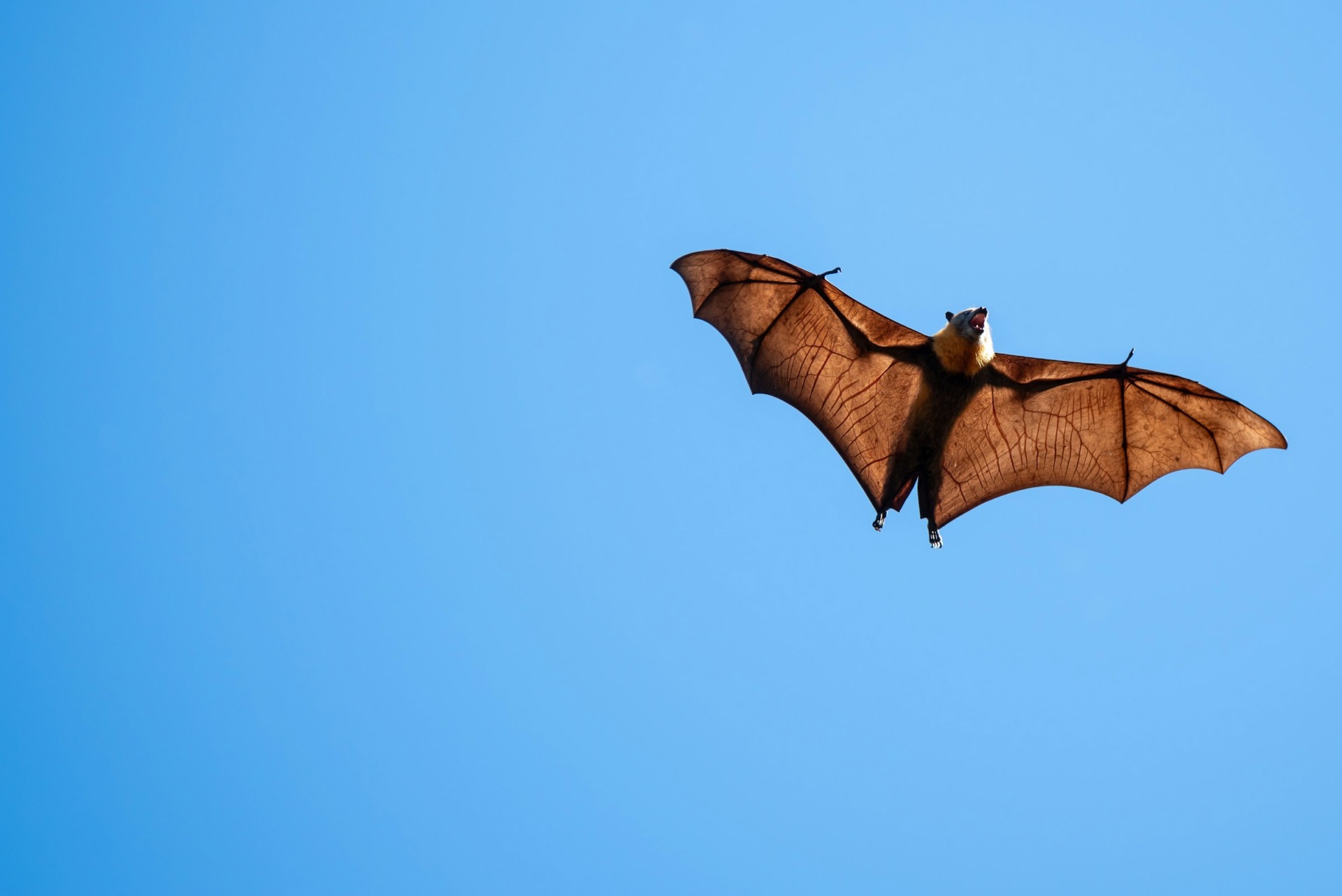
News about grey-headed flying foxes dying due to heatwaves caused by climate change.

Grey-headed flying foxes cannot regulate their body temperature, so extreme heat can be a death sentence for them.

Climate Change Brings Another Species Closer to Extinction

Anastasiia BarmotinabyAnastasiia Barmotina
February 11, 2026
in Climate Change, Environment
0

In January 2026, a series of extreme heatwaves across South-Eastern Australia caused one of the worst mass mortality events for flying foxes since the 2019-2020 Black Summer, killing thousands of these vital bats and bringing these vulnerable species closer to extinction. 

According to a report by World Weather Attribution (WWA), the intense January 2026 heatwave was made five times more likely by human-caused global heating, with similar occurrences now expected about once every five years. 

Grey-headed flying foxes (Pteropus poliocephalus), listed as vulnerable under Australia’s Environment Protection and Biodiversity Conservation Act and on the IUCN Red List, were hit hardest. These large bats, which eat only fruits and nectar, play an important role in pollinating plants and dispersing seeds, helping to regenerate forests. 

However, they don’t have sweat glands and struggle to regulate body temperature. When temperatures exceed 42°C, they suffer dehydration, heat stress, organ failure, and death. Desperate, bats descend to lower branches seeking shade, often “clumping” together. “Clumping” is a behavior that can help them moderate heat but traps body heat and accelerates fatalities in extreme conditions. 

Populations haven’t had a chance to recover from previous disasters, including the Black Summer that killed an estimated 72,000 flying foxes. Recovery is slow due to the fact that pregnancies last over six months, and it’s typically a single birth.

Death toll 
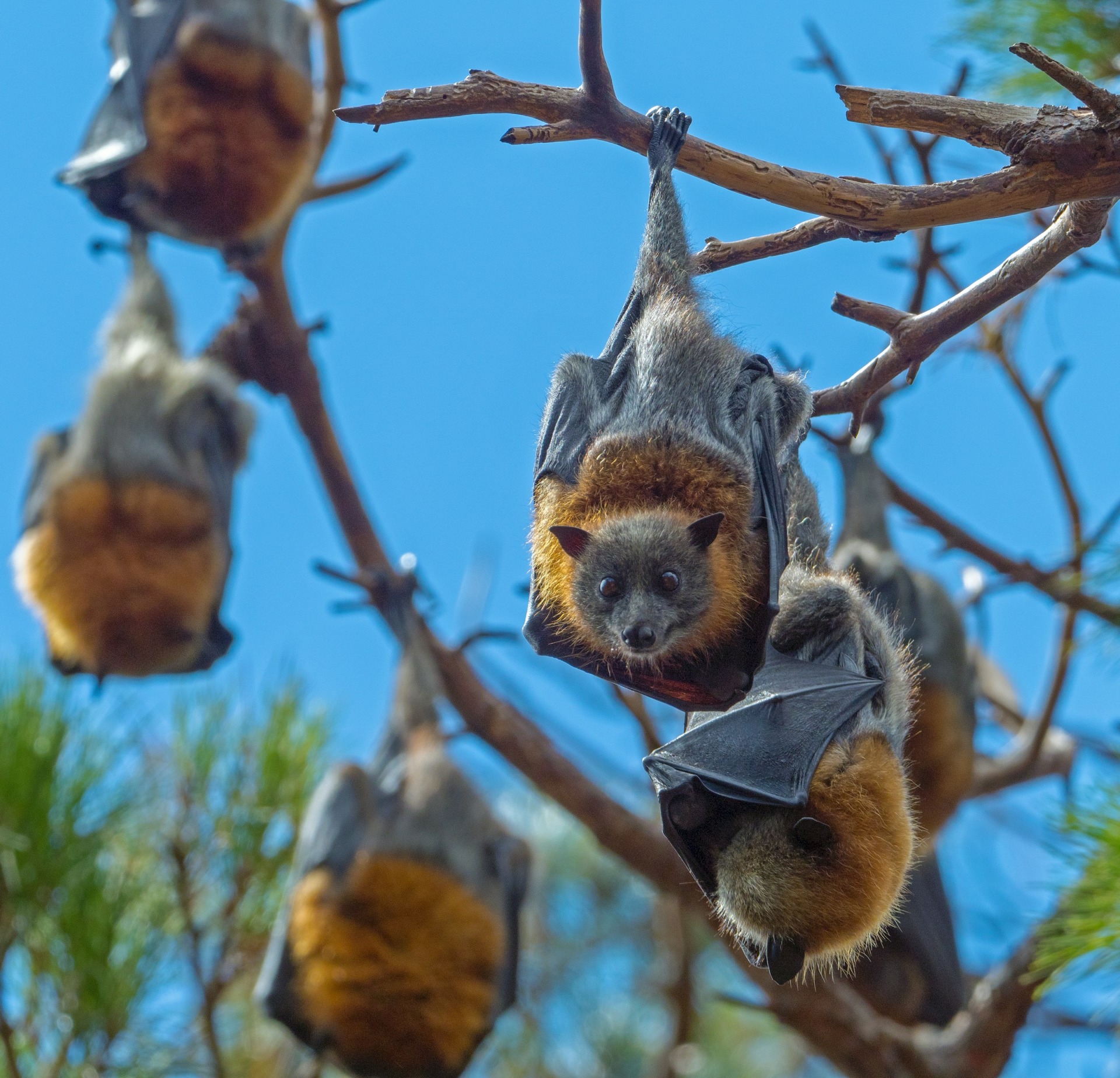
News about grey-headed flying foxes dying due to heatwaves caused by climate change.
Deaths of the Grey-headed flying foxes have occurred nationwide since early January. Photo credit: René Riegal

Deaths have occurred nationwide since early January. In Victoria, the government estimated 1,700 deaths at a handful of camps — nearly 5% of the state’s population. At Tatura, more than 700 grey-headed flying foxes died from a camp of about 5,000. At Brimbank park in Melbourne’s North-West, about 100 bats died. In New South Wales, hundreds died across different locations, including a record 500 at one camp near Wollongong, wiping out about a third of that colony. 

In South Australia, a Naracoorte colony of roughly 1,000 bats lost more than 80%, leaving only about 180 survivors, including 34 underweight and dehydrated babies needing months of care. Taking care of the injured bats comes at a cost: they need up to about 350g of fruit per bat per day. Judith Bemmer, a carer from Bat Rescue South Australia, told the Guardian that when the heat’s gone, that’s when “the biggest struggle starts for us – the financial struggle.”

According to Professor Justin Welbergen of Western Sydney University, temperatures over 42°C can cause mortality “sometimes at biblical scales.” In dry heat around Melbourne, where peaks reached 42.9°C, spraying colonies with water or using misting machines proved effective at reducing deaths by lowering ambient temperatures and preventing clumping. 

However, in humid conditions, such methods can make things worse. Unfortunately, state sources were limited — only three misting machines available for 18 colonies around Melbourne — forcing volunteers to rely on handheld sprayers. 

Related Articles

Here is a list of articles selected by our Editorial Board that have gained significant interest from the public:

  • How Climate Change Is Driving Evolution
  • Fourth and Furious Mass Coral Bleaching: 84% of Reefs Now Under Threat
  • The Economics of Biodiversity Loss

Rescue efforts

Rescue efforts were commendable but quite challenging. Wildlife Victoria deployed teams to Tatura and Numurkah camps (each holding around 5,000 bats), working with the Department of Energy, Environment and Climate Action and local councils to mist canopies for seven days. CEO Lisa Palma described the work as “incredibly hard” — physically demanding, long days in extreme heat, emotionally tough. She also said it was “immensely rewarding” when bats flew into misted areas, saving hundreds if not thousands of lives. 

In Adelaide’s Botanic Park, sprinklers, misting, and park closure limited deaths to a few hundred despite 44.7°C temperatures. Only trained, vaccinated carers in protective gear handled bats due to disease risk (even though cases of infection in Australia are very rare). 

Despite all these efforts, many bats died before help arrived, and rehabilitating them remains expensive and long-term. This tragedy is an example of how climate change, by intensifying extreme weather and making deadly heatwaves more common, directly threatens the lives of entire colonies and ultimately, species. Without rapid emission cuts and habitat restoration, flying fox populations are likely to face repeated tragedies. 


Editor’s Note: The opinions expressed here by the authors are their own, not those of impakter.com —  Cover Photo Credit: Graham Holtshausen

Tags: australiabatsBiodiversity LossClimate Changeextreme temperaturesflying foxesHeatwave
Previous Post

Underwater Wall to Protect the ‘Doomsday Glacier’: Necessary Intervention or Costly Distraction?

Next Post

United States EPA To Repeal Climate Change Determination

Related Posts

Underwater Wall to Protect the ‘Doomsday Glacier’: Necessary Intervention or Costly Distraction?
Climate Change

Underwater Wall to Protect the ‘Doomsday Glacier’: Necessary Intervention or Costly Distraction?

Thwaites Glacier in Antarctica earned its dramatic nickname, the “Doomsday Glacier,” because its collapse could trigger a catastrophic rise in...

byBenjamin Clabault
February 11, 2026
The Era of ‘Global Water Bankruptcy’ Has Begun
Climate Change

The Era of ‘Global Water Bankruptcy’ Has Begun

Humanity’s long-term water usage and damage have exceeded nature's renewal and safe limits, a situation scientists and the media have...

byNmesoma Ezetu
February 10, 2026
How Climate Change Is Driving Evolution
Climate Change

How Climate Change Is Driving Evolution

As global temperatures continue to rise at alarming rates, climate change threatens to wipe out entire groups of animal species....

byYuxi Lim
February 10, 2026
biodiversity loss
Biodiversity

The Economics of Biodiversity Loss

In the 1990s, India’s vulture population collapsed due to the unintended knock-on effect of a veterinary drug for cattle, with...

byStefano Giglio - Professor at Yale Universityand2 others
February 9, 2026
A picture with a wind power generator
Society

Emissions and Economic Growth: Is There Still a Link?

In prior decades, economic growth and emissions co-existed. As countries grew richer, they produced more and emitted more. This relationship...

byFedor Sukhoi
February 3, 2026
Three sponsors for the 2026 Winter Olympics in Italy could generate 1.3 million tons of CO2
Climate Change

Winter Olympics Sponsorship Emissions: Who Are the Main Offenders?

The 2026 Winter Olympic Games are set to begin in Italy next month. Scattered across towns in northern Italy, from...

bySarah Perras
February 2, 2026
WEF Report Ranks Environmental Challenges as Greatest Long-Term Threat to Global Stability
Business

WEF Report Ranks Environmental Challenges as Greatest Long-Term Threat to Global Stability

The World Economic Forum’s Global Risks Report 2025 found that environmental risks are deteriorating faster than other threats and challenges.  ...

byBenjamin Clabault
February 2, 2026
Thames Water closes in on rescue deal;
Environment

Thames Water Closes in on £16bn Rescue Deal

Today’s ESG Updates: Thames Water Closes in on £16bn Rescue Deal: Thames Water is edging closer to a multibillion-pound rescue...

byAriq Haidar
February 2, 2026
Next Post
ESG News regarding the EPA’s plans to repeal the endangerment finding, high energy costs in the EU, Liberty Mutual’s partnership with Ara Partners, and Eurazeo’s €175 million maritime investment

United States EPA To Repeal Climate Change Determination

Recent News

ESG News regarding the EPA’s plans to repeal the endangerment finding, high energy costs in the EU, Liberty Mutual’s partnership with Ara Partners, and Eurazeo’s €175 million maritime investment

United States EPA To Repeal Climate Change Determination

February 11, 2026
News about grey-headed flying foxes dying due to heatwaves caused by climate change.

Climate Change Brings Another Species Closer to Extinction

February 11, 2026
How to migrate from Nuxt 2 to Nuxt 3.

Nuxt 2 to Nuxt 3 Migration: What You Need to Know Before Making the Switch

February 11, 2026
  • ESG News
  • Sustainable Finance
  • Business

© 2025 Impakter.com owned by Klimado GmbH

No Result
View All Result
  • Environment
    • Biodiversity
    • Climate Change
    • Circular Economy
    • Energy
  • FINANCE
    • ESG News
    • Sustainable Finance
    • Business
  • TECH
    • Start-up
    • AI & Machine Learning
    • Green Tech
  • Industry News
    • Entertainment
    • Food and Agriculture
    • Health
    • Politics & Foreign Affairs
    • Philanthropy
    • Science
    • Sport
  • Editorial Series
    • SDGs Series
    • Shape Your Future
    • Sustainable Cities
      • Copenhagen
      • San Francisco
      • Seattle
      • Sydney
  • About us
    • Company
    • Team
    • Partners
    • Write for Impakter
    • Contact Us
    • Privacy Policy

© 2025 Impakter.com owned by Klimado GmbH