
Today’s ESG Updates
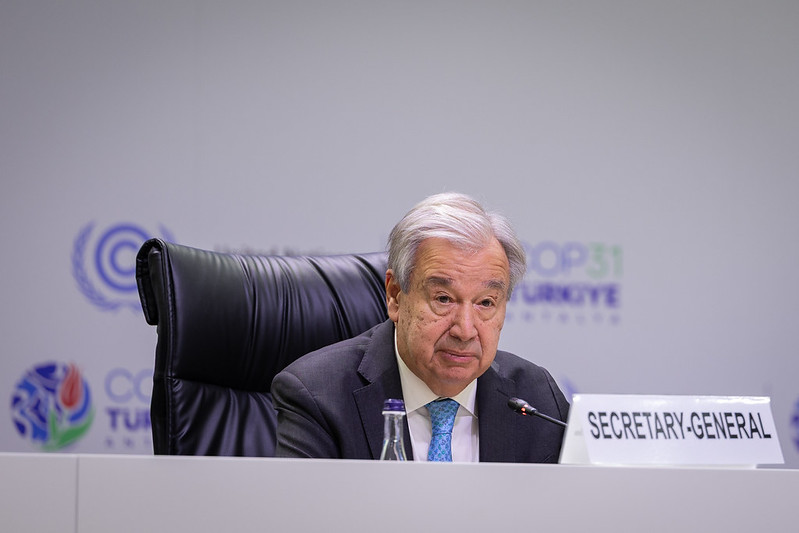
- UN Chief Says Fossil Fuel Dependence Carries a “Steep” Price at COP31: Speaking in Antalya, Guterres pointed to the Middle East crisis and to nine oil companies on track for over $95 billion in three months.
- EU Approves €2 Billion for Belgian Offshore Wind Farm: The 20-year, two-way contract for difference scheme will have a capacity of 735 MW and 2.6 TWh a year.
- Energy Security Strategies Could Decrease Emissions: Wood Mackenzie claimed its “Energy Security” scenario points to 2.5°C by 2100 versus 2.6°C in the base case.
- Germany’s EV Subsidy Fund Could Run Dry by End of 2027: A surge in applications has cut short a €2.7 billion budget once expected to last through 2029.
Fossil fuel dependence “carries a steep economic and security price,” says UN chief
“Fossil fuels are not only driving the climate crisis. Dependence on them carries a steep economic and security price — as the crisis in the Middle East has laid bare,” said United Nations Secretary-General Antonio Guterres at the COP31 climate conference in Antalya, Turkey, on Tuesday. “Families, businesses and governments are paying the price. Meanwhile, nine oil companies are on track to rake in more than $95 billion in just three months. That is more than one billion dollars a day.”
Guterres, who is to step down as UN chief at the end of the year, criticized fossil fuel dependency and big oil at a time when the world is expected to warm beyond the 1.5 degrees Celsius threshold, according to a UN report released in October.
One of the goals of COP31 is to promote electrification worldwide by increasing the share of electricity in global energy use to 35% by 2035. Climate activists worry about the regulations around this goal, especially since no clear rules exist for additional energy sources. “These COPs have become greenwash circuses; that is the reality,” activist Greta Thunberg told reporters. With the two conference leaders, Turkey and Australia, relying heavily on coal, many think climate action is lacking.
Klimado – Navigating climate complexity just got easier. Klimado offers a user-friendly platform for tracking local and global environmental shifts, making it an essential tool for climate-aware individuals and organizations.
European Commission approves €2 billion offshore wind investment
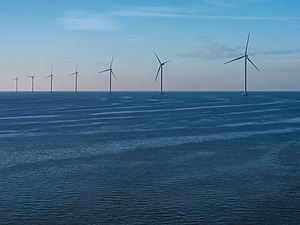
The Clean Industrial Deal, launched in February 2025, is directed at strengthening EU competitiveness while moving toward decarbonization. Under the Clean Industrial Deal State Aid Framework (CISAF), Belgium proposed an offshore wind scheme that would contribute to the efforts of the Clean Industrial Deal.
With a budget of €2.04 billion, the new offshore wind project will establish the first offshore wind farm in the Princess Elisabeth offshore Zone in the North Sea. Once constructed, this wind farm is expected to have up to 735 MW of capacity, generating 2.6 TWh of renewable energy each year. The scheme will run for 20 years and be paid out using a monthly variable premium under a two-way contract for difference. Under this contract, monthly aid will depend on the difference between the bid price and a reference market price. The EC will only pay when the reference price is below the bid price. If it is above the bid price, beneficiaries will pay the Belgian authorities.
The increase in renewable output will not only strengthen competitiveness, but energy security as well. “The energy we produce at home is energy we don’t need to import,” said Teresa Ribera, the EC Executive Vice-President for Clean, Just and Competitive Transition.
Related Articles
Here is a list of articles selected by our Editorial Board that have gained significant interest from the public:
Report finds energy security could decrease emissions
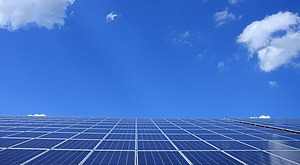
Global research and consultancy firm Wood Mackenzie published its Energy Transition Outlook 2026-27. The firm looked at five different pathways for energy decision-making in countries moving forward. The research found that a “Growth First” scenario would be the most detrimental to the environment, with a warming trajectory of 3 degrees Celsius by 2100. The “Net Zero by 2050” scenario was the most effective, meeting the 1.5 degrees Celsius threshold outlined by the UN.
The most likely outcome, according to Wood Mackenzie, was their “Base Case,” which increased global temperatures by 2.6 degrees Celsius. Yet the most surprising was the “Energy Security” scenario, which had a trajectory of 2.5 degrees Celsius.
The energy security scenario highlights countries focusing on electrification and domestic supply, while reducing dependence on imports. After the geopolitical shock of the Iran war and closures in the Strait of Hormuz, many countries looked to renewables, nuclear and electrification to meet energy needs.
Prakash Sharma, Vice President, Head of Scenarios and Technologies at Wood Mackenzie, said: “One of our most striking findings this year is that a security-first energy strategy, pursued not out of climate intent but out of necessity, can deliver lower emissions than our central base case. The mechanism is electrification: countries reducing import dependence are building domestic nuclear, geothermal and renewables, and lower emissions would follow longer term.’’

Germany’s EV subsidy funding dwindles
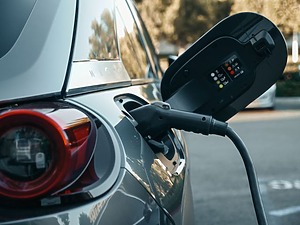
With more and more people making the transition to electric vehicles, Germany’s EV subsidy program is at risk of running out of money by the end of 2027. With a current budget of €2.7 billion, the program was expected to last through 2029, yet a surge in EV purchases is changing that outlook. In early October, the government approved 100,000 applications and paid out more than €430 million. With grants of up to €6,000 per vehicle, the government estimated that the subsidy funding budget would be enough to cover 800,000 vehicles. Now, if applications continue at their current pace, the government could pay out €1 billion in 2026 alone.
“The market is booming — but it is booming primarily because of the subsidy,” said Constantin Gall, an EY consultant. “I expect electric vehicle registrations to fall sharply again, just as they did in 2024 after the subsidy was discontinued in December 2023.” The government has not said it would add money to the subsidy fund.
Editor’s Note: The opinions expressed here by the authors are their own, not those of impakter.com — Cover Photo Credit: © UN Climate Change – Kiara Worth