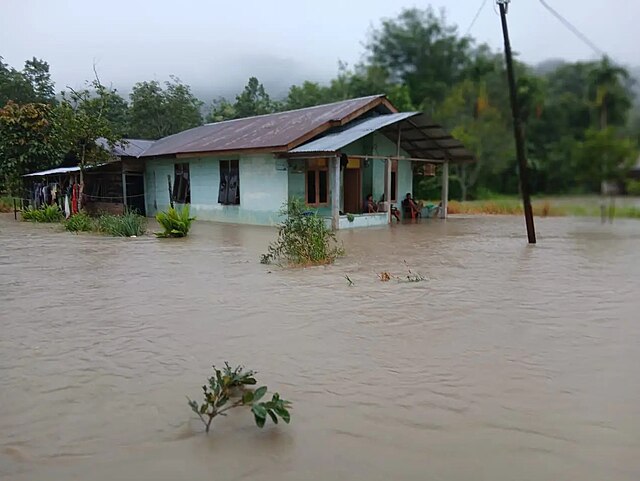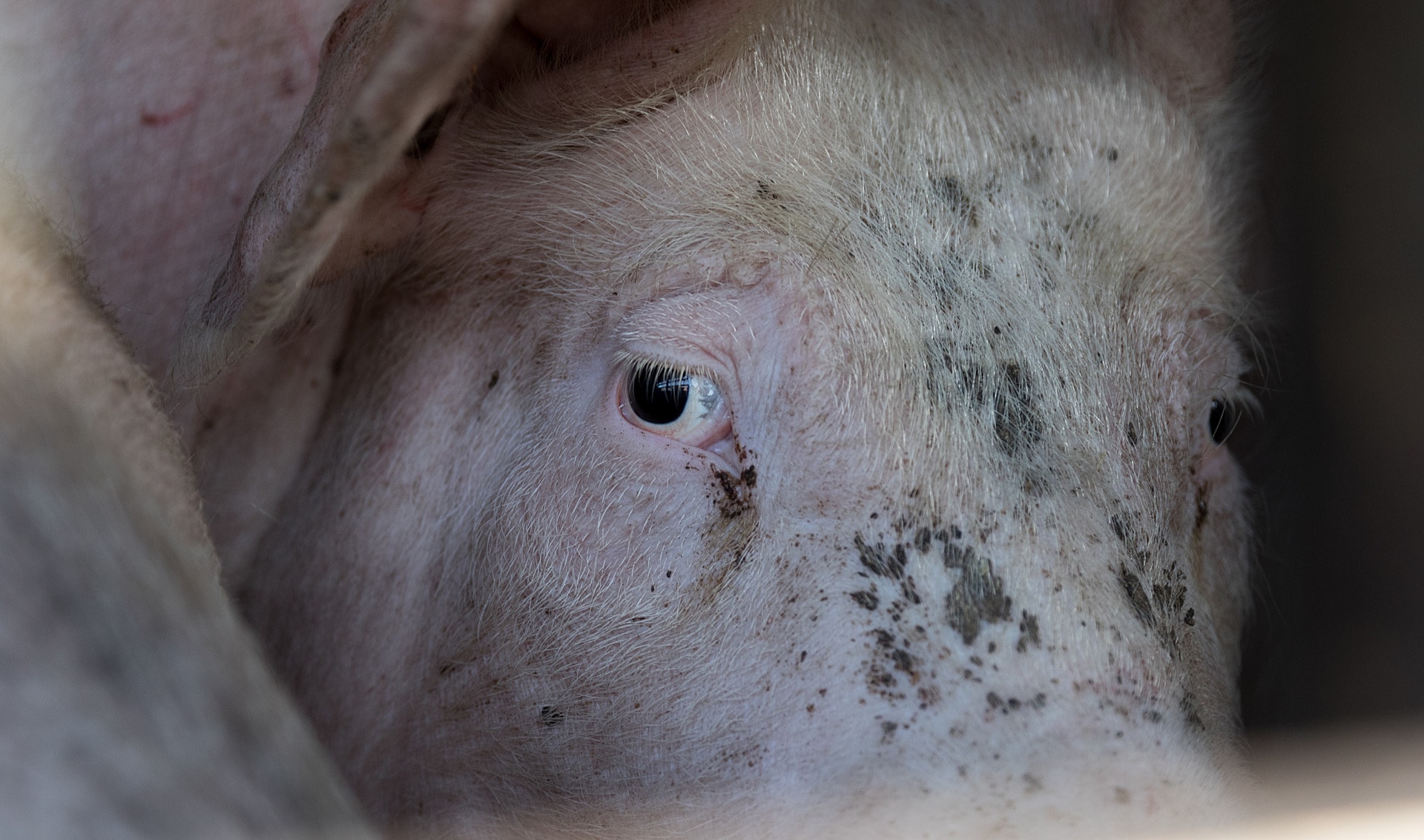

Daily news about domestic and international political tensions, rising authoritarianism, conflicts that morph into war, impacts of climate change, disease threats both known and not yet known, is a toxic mix that affects our ability to cope with common daily challenges at work or at home.
One way our ancestors coped with their very difficult lives was to find ways to step outside, to commune with nature. With many of us having twenty-four-hour access to news — much of it bad, and channeled through many media options — the depressive effect on individuals and collective mental health and well-being is growing, pervasive, and simply put, very troubling.
While therapists and new drugs can be helpful, neither is available to everyone, often costly, and not necessarily effective. Communing with nature has none of the limitations and can work wonders if taken regularly.
The Importance of Nature for Mental Health
Nature’s healing power has been recognized for centuries, supported by many studies validating findings that time outdoors can lead to reduced stress levels, anxiety, and depression.
Some of the Potential Benefits
Stress Relief: “Stress stimulates our sympathetic nervous system, which is responsible for increasing blood pressure, heart rate and blood sugar in order to react to a stimulus that is causing us stress.”
Research indicates that exposure to nature can be an effective coping strategy for those with chronic mental health conditions, including depression, and anxiety.
Mental Clarity: There is evidence that nature exposure is associated with better cognitive function — like memory, attention, creativity and sleep quality.
Emotional Well-being: Nature involvement can help manage emotions like loneliness, irritability, and possibly even road rage.
Physical Health: Outdoor activities often go hand in hand with physical exercise, linked to improved mental health due, at least in part, to release of endorphins.
Ways to Commune with Nature
There are multiple ways to connect with the outdoors and experience therapeutic benefits, including:
Nature Walks and Hiking
Engaging in walking or hiking through parks, forests, botanical gardens, or mountains is a way to connect with nature. When walking, you can choose to disconnect from all your digital devices, with the scenery offering stimulation from what you see, hear, smell, and even touch.
The Japanese practice of (Shinrin-yoku), for instance, involves immersing oneself in a forest environments, with studies showing that such “forest bathing” can lower cortisol levels.
Gardening
Outdoor gardening allows an individual an easy connection with the earth and the pleasures of planting and plants. Digging into soil, planting seeds, and watching plants grow can be a satisfying personal sense of accomplishment and purpose.
Further, engaging in community gardening has additional benefits, in that the individual is contributing to local food systems while also developing social networks, which can help to combat feelings of isolation.
Wildlife Observation
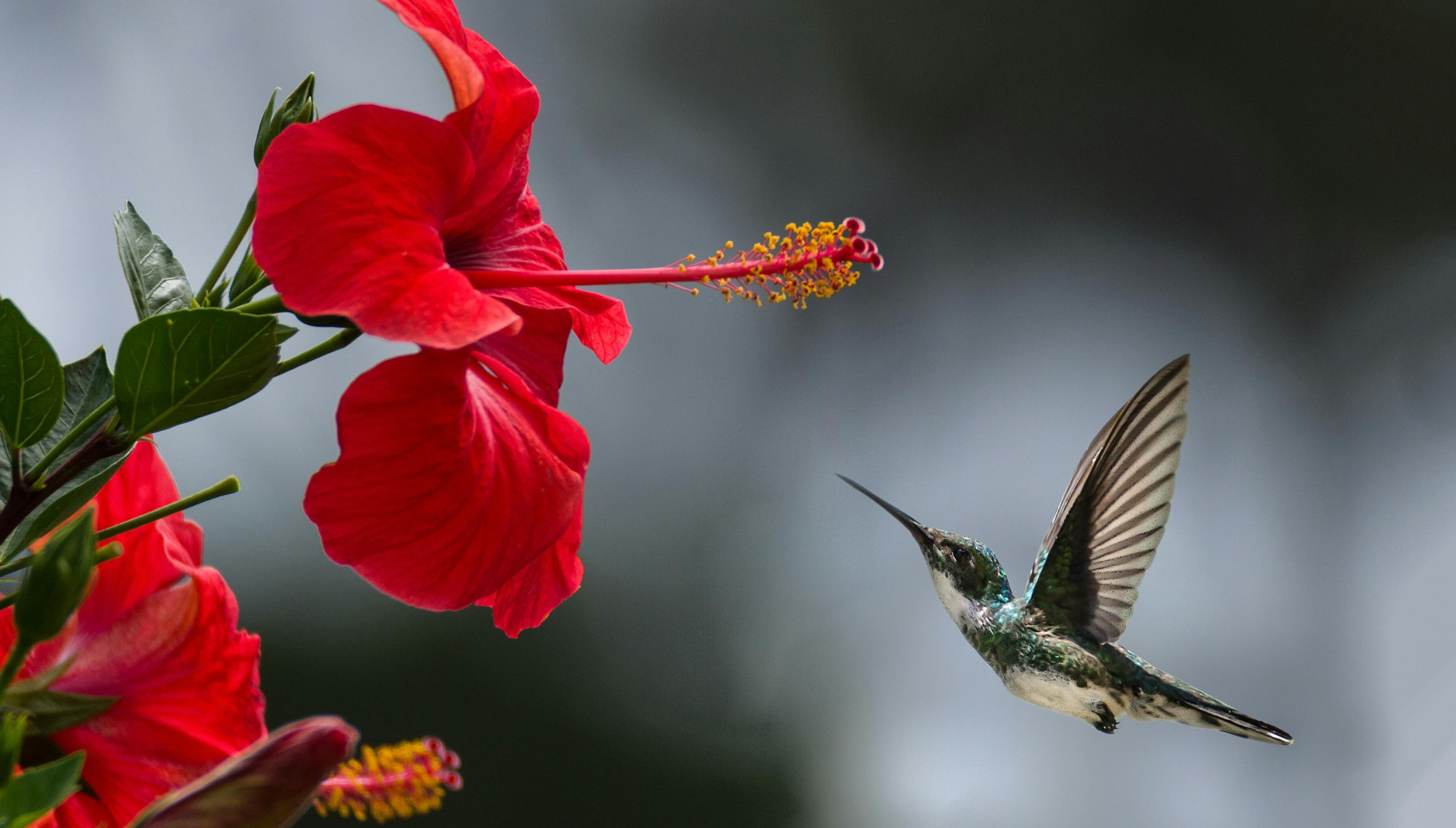
Birdwatching or observing wildlife in natural habitats creates a sense of connection with the natural world. Inter alia, it encourages patience and careful observation and attention to surroundings, in essence, immersing yourself in nature.
That such activities are today gaining a larger audience is reflected in a survey by the U.S. Fish and Wildlife Service showing that 96 million Americans are bird-watchers, or 37% of the population aged 16 and above. And it is similar in Europe, where available information indicates large and growing communities of birdwatchers across the continent.
Nature Photography
Nature photography takes such interests further by heightening observation, awareness, and appreciation of surroundings and living subjects. Observing birds or other wildlife and capturing breathtaking landscapes with modern photographic technology is a potentially satisfying creative effort for the individual, and when shared, is appreciated by others.
Such photography is expanding worldwide, as seen in the growing popularity of books, blogs, and videos, specifically tailored for amateur wildlife photographers.
Conservation Volunteering
Joining conservation efforts, such as tree planting, litter clean-up, or wildlife surveys, is another way to make constructive contribution, and in so doing, provide a sense of purpose in contributing to environmental health. By working alongside others, there is a sense of worth and collective action toward a positive change.
Related Articles: Europe’s Efforts to ‘Restore Nature’ Hit a Snag | Should Nature be Given Legal Rights? | Ecological Collapse: Why We Should Return to Nature | Climate Solutions Are Already in Our Nature
The Role of Nature in Addressing Global Stress Issues
Engaging with nature is good not just for the individual’s mental well-being but also for its linkage to larger global and societal challenges:
Climate Change Awareness: For the individual, time spent in nature will enhance understanding and appreciation for environmental issues, and it makes it more likely for a person to advocate for policies supporting conservation and sustainability.
Civic activist engagement at the local level can lead to programs that improve community response, for example organizing to reduce reliance on plastics, which is an emerging global problem and increasingly one seen from the ground up: in this regard, June 5, 2025, is “World Environment Day.”
Pandemics and One Health: More broadly, environmental sustainability and preventing, preparing, or responding to infectious diseases which become pandemics, are significantly affected by current global tensions. In this regard, there are major differences between the Global North and Global South, those dependent on raw material extraction, those most affected, and so on.
How each country or group of countries weighs its interests will intentionally or inadvertently bolster or create obstacles to regional or global agreements aimed at environmental preservation or mitigation. We know many of the most powerful national leaders and their allies treat climate change as an ideological tool, a way to consolidate power or distract from pressing domestic issues, prioritizing national interests over global responsibilities.
One Health is relevant here because it holds as essential the health interface between the environment, animal, human, and plants, and trees. The agreement for a Pandemic Treaty Accord on Monday, May 19, 2025, was approved by the World Health Assembly, but without its former largest contributor, the United States.
While the Accord is not perfect, it represents a major step forward in multilateral health cooperation. The absence of the United States is an unfortunate and serious drawback in efforts at doing common cause in dealing with the health threats for everyone. Public voices should and will be heard some point, and hopefully before we all face another disastrous global pandemic.
We Can Cope Better and Nature Can Help
Communing with nature provides an invaluable opportunity to reduce stress and enhance mental well-being. The practices highlighted above offer some of the ways to connect with the outdoors, enhancing resilience in the face of life’s challenges.
By integrating these practices into daily life, individuals cultivate not only personal tranquility but also contribute to collective action. It underscores our interconnectedness and the importance of nurturing both ourselves and the world around us. Take a step outdoors, breathe deeply, and let nature help you to find greater calm, clarity, and purpose.
Editor’s Note: The opinions expressed here by Impakter.com columnists are their own, not those of Impakter.com — Cover Photo Credit: Philippe Donn.