Impakter
  • Environment
    • Biodiversity
    • Climate Change
    • Circular Economy
    • Energy
  • FINANCE
    • ESG News
    • Sustainable Finance
    • Business
  • TECH
    • Start-up
    • AI & Machine Learning
    • Green Tech
  • Industry News
    • Entertainment
    • Food and Agriculture
    • Health
    • Politics & Foreign Affairs
    • Philanthropy
    • Science
    • Sport
  • Editorial Series
    • SDGs Series
    • Shape Your Future
    • Sustainable Cities
      • Copenhagen
      • San Francisco
      • Seattle
      • Sydney
  • About us
    • Company
    • Team
    • Global Leaders
    • Partners
    • Write for Impakter
    • Contact Us
    • Privacy Policy
No Result
View All Result
Impakter logo
No Result
View All Result
Animal Diseases

Building Laboratory Capacity for Detecting Animal Diseases

Nuclear-derived techniques move us closer to eradicating Peste des Petits Ruminants (PPR)

The Food and Agriculture Organization of the United Nations (FAO)byThe Food and Agriculture Organization of the United Nations (FAO)
September 25, 2024
in Health
0

Early detection of diseases is crucial in innumerous ways. The same is true of early detection of animal diseases, which is fundamental to not only safeguarding animal lives but also protecting farmers’ livelihoods.

PCR (polymerase chain reaction) and ELISA (Enzyme-linked Immunosorbent Assay) are two major diagnostic techniques that have been in existence for years and have been instrumental in the detection and control of animal diseases. These tests were central in the global eradication of rinderpest — officially declared by the World Organization for Animal Heath (WOAH) in 2011 — along with the use of a highly effective vaccine that provided lifelong immunity against all rinderpest virus strains.

First described in 1942, peste des petits ruminant (PPR) is considered one of the most highly contagious livestock diseases in Africa, Near East and Asia. Traditional systems, where animals share watering holes and pastures, elevate the risk of virus transmission and perpetuate the spread through entire regions, causing a morbidity rate of up to 100 percent and a mortality rate of up to 90 percent in infected ruminants.

“The impact of PPR on small ruminant farming is huge. Most often we look at the impact in terms of economic losses. But I can say it is more than that,” says Ladi Amos Chabiri, a Senior Veterinary Research Officer from the National Veterinary Research Institute Vom, Nigeria.

“These households keep small ruminants for income; they use the manure for their farming activities and milk for the nutrition of their children. It is a source of labour… A lot of them [farmers] have their savings in small ruminants. They don’t have bank accounts in their rural communities, so they keep animals and sell them whenever they need to pay for school fees, for medical bills.”
Animal Diseases
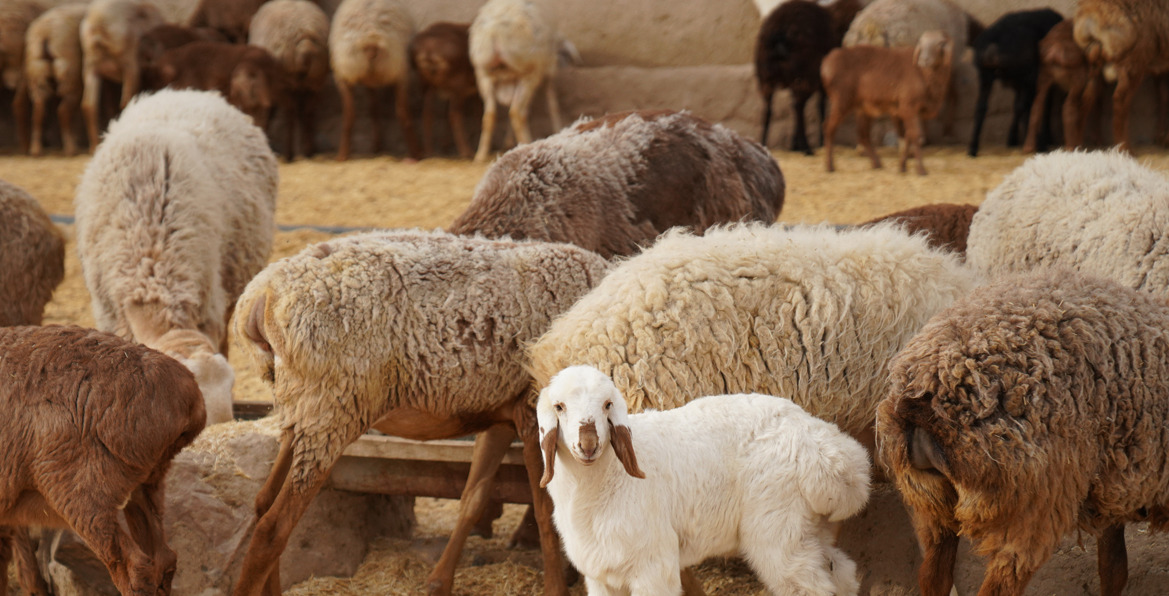
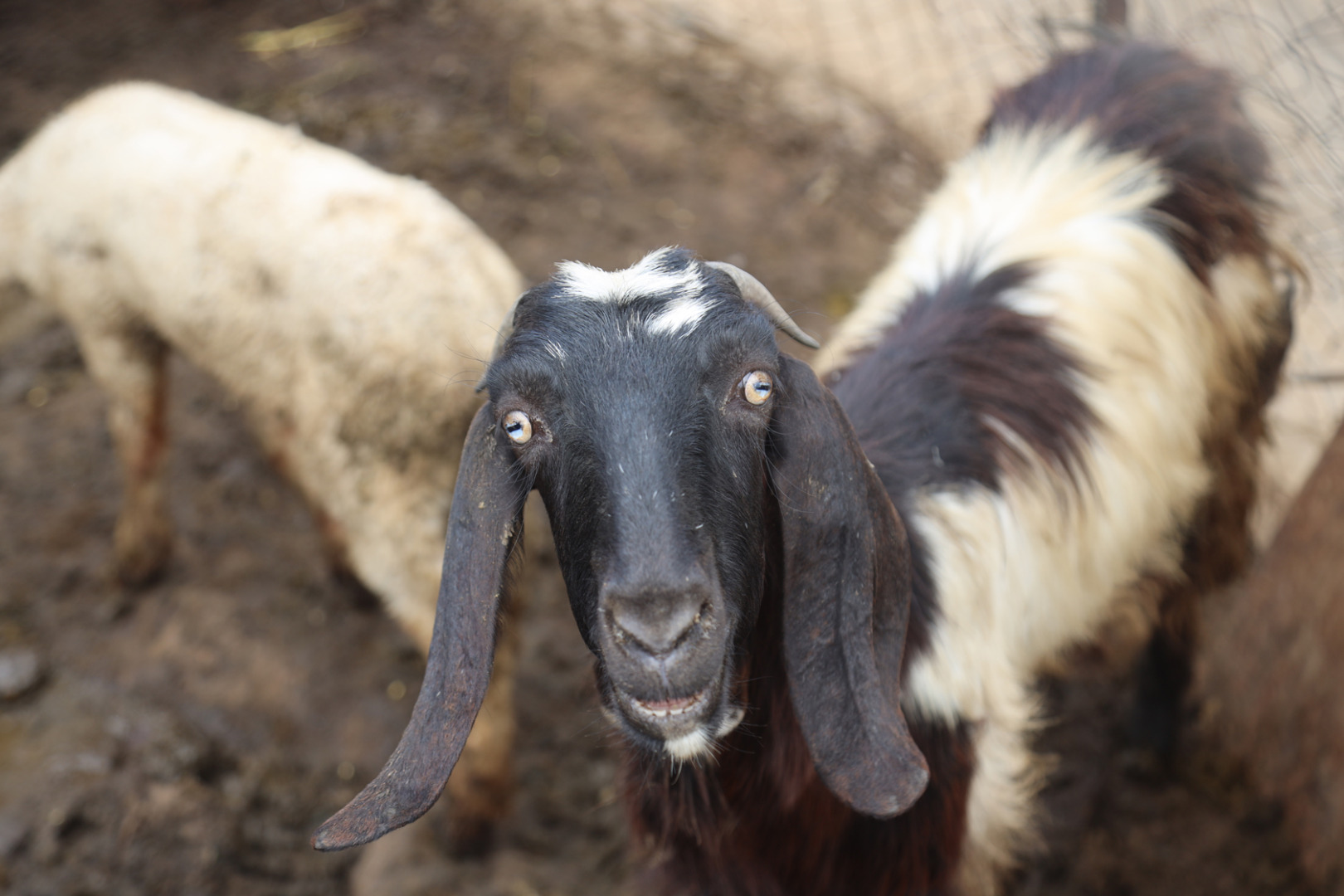
PPR threatens about 80% of the global small ruminant population of nearly 2 billion animals. Photo Credit: ©FAO/ Yousef Alrozzi.

Due to its symptoms clinical signs being similar to a many other small ruminant diseases, PPR can only be definitively diagnosed in a laboratory. Tests like ELISA and PCR become crucial for early and proper detection. Veterinary laboratories with established capacity for these tests are in a better position to manage and control PPR and other similar diseases through the targeted implementation of vaccine programs. The collaboration between the Food and Agriculture Organization of the United Nations (FAO) and the International Atomic Energy Agency (IAEA) has contributed immensely to enhancing laboratory diagnostic capacities of Member Countries.

As a collaborative initiative of the Joint FAO/IAEA Centre, the Veterinary Diagnostic Laboratory (VETLAB) Network brings together experts to use nuclear-derived and other methods for monitoring, early detection, diagnosis and control of transboundary animal and zoonotic diseases. It is a platform for the sustainable transfer of technologies to strengthen national and regional laboratory capacities and staff proficiency for rapid and early diagnosis and response.
Animal Diseases
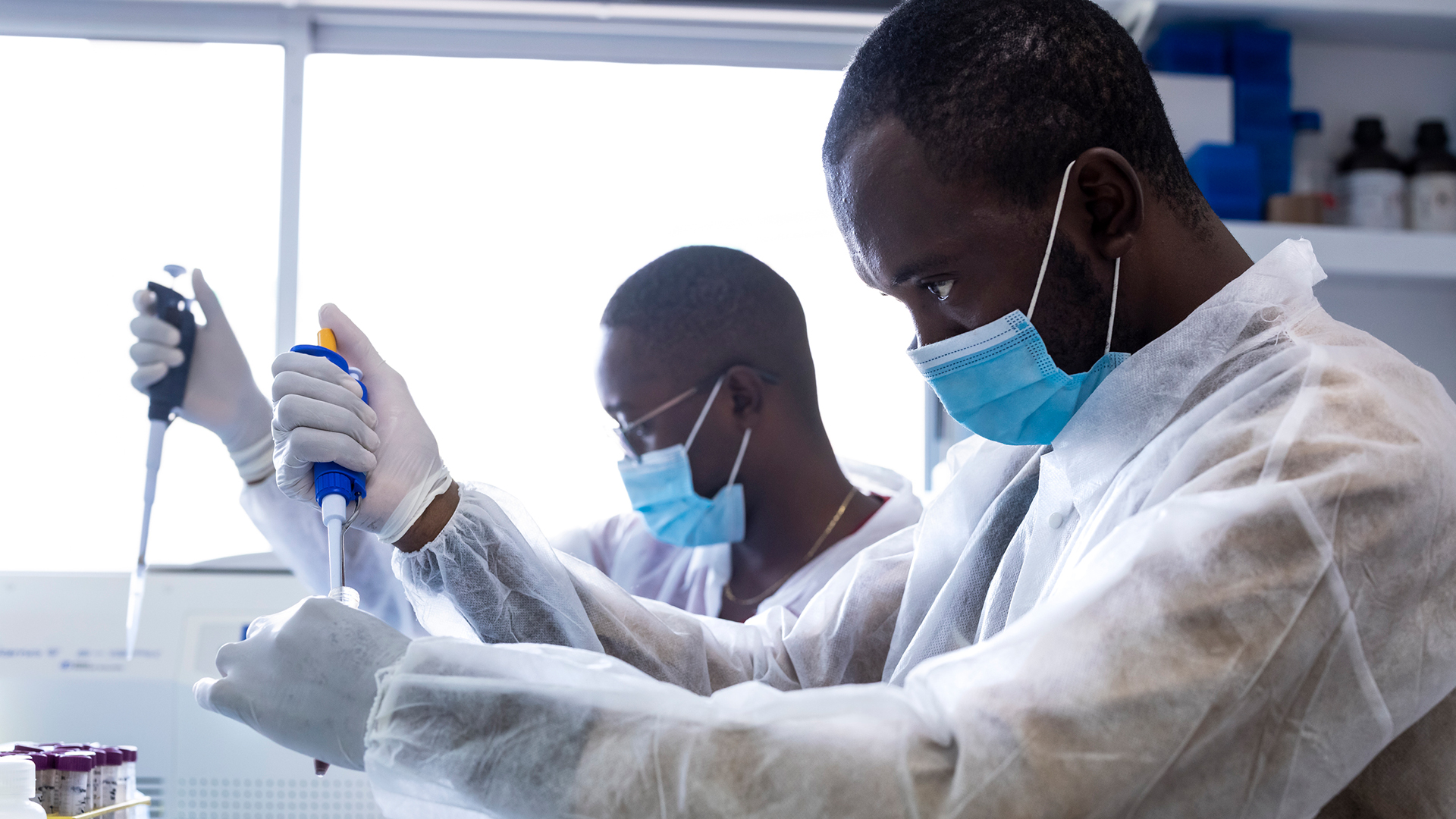
Worldwide cooperation is key to eradicating any disease. However, not all countries have the same laboratory capacities. The Joint FAO/IAEA Centre is bridging this gap, training experts and enhancing laboratory capacities. Photo Credit: © Brent Stirton/Getty Images for FAO, CIRAD, CIFOR, WCS.

To date, VETLAB comprises 75 laboratories in 46 African and 19 Asian countries and is planning to expand to Central and Eastern Europe, the Caribbean and Central and South America. Working together to improve national emergency response capabilities to control outbreaks of animal and zoonotic diseases, the network organizes workshops and trainings to enhance capacity building and experience sharing.

For over 10 years, the Joint FAO/IAEA Centre has trained and equipped laboratory experts through its VETLAB Network to use real-time PCR methods in countries where PPR is endemic.


Related Articles: Why One Health is Key To Address Future Pandemics | Our Emissions Are Aggravating Over Half of All Infectious Diseases | The Central Role of Animal Welfare in Pandemic Prevention | Genetic Knowledge From Past Diseases: How It Could Help Address Present Health Issues | How Climate Change Affects Health and How Countries Can Respond |

One key facility is the National Veterinary Research Institute in Vom, Nigeria. According to Timothy Yusufu Woma, Head of the Mobillivirus Research Laboratory, “In terms of diagnostics, the reference laboratory here has the capacity for both serological and molecular diagnosis for PPR, and it receives samples from all over the country,” says Woma.

The laboratory receives and processes 2,500 PPR samples annually, establishing itself as the leading PPR diagnostic support center for West African countries. This pivotal role is supported through partnerships with FAO, WOAH and the African Union, coordinated in collaboration with the Economic Community of West African States (ECOWAS) Regional Animal Health Center in Mali.

“We receive a lot of support from the Joint FAO/IAEA Centre in capacity building workshops, reagents and consumables, and personal protective equipment. And I’m proud to say that most of the PPR vaccine used worldwide is produced using an isolate that was collected here on this premises in 1975,” says Woma.
Animal Diseases
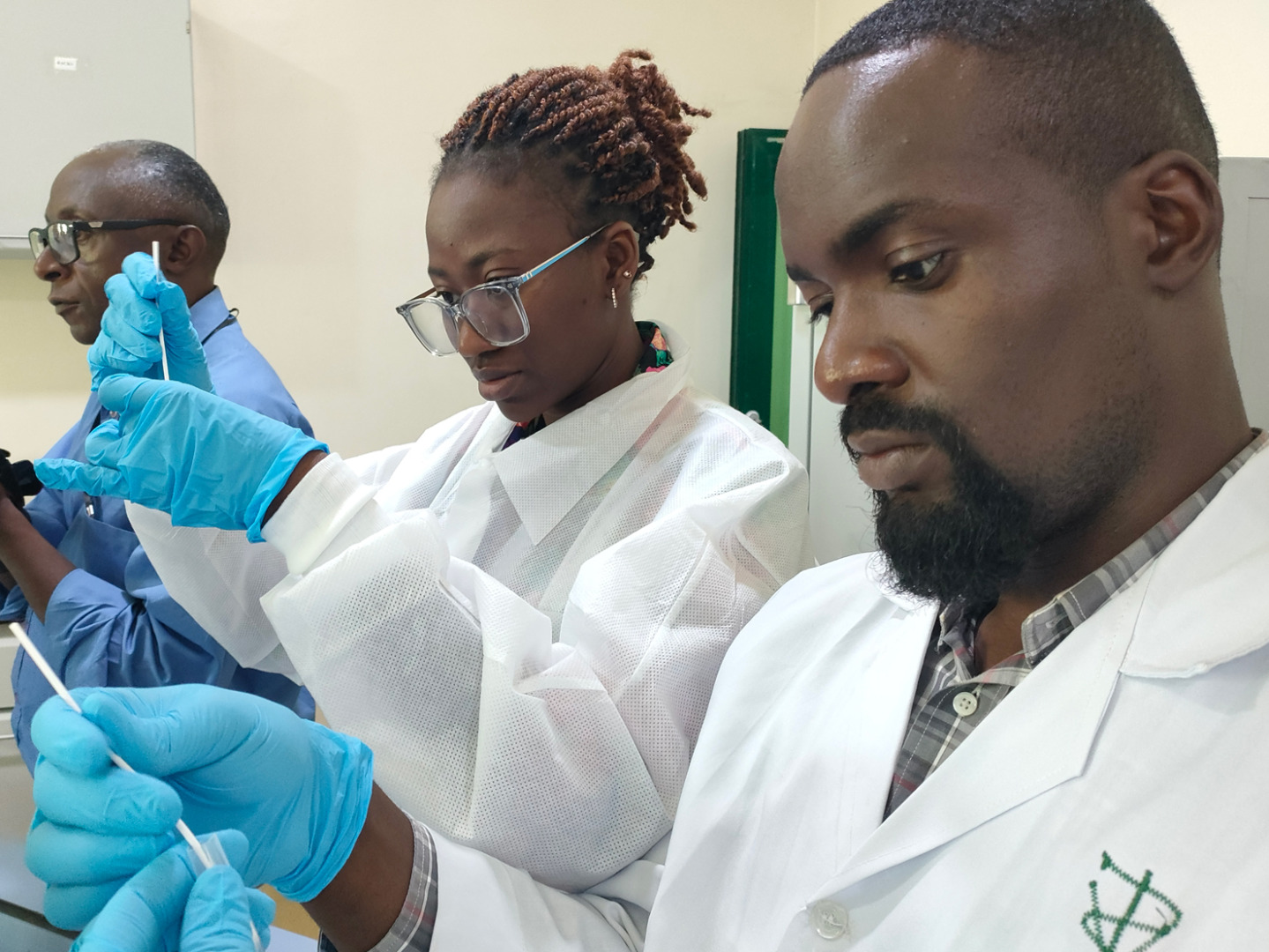
The Joint FAO/IAEA Centre of Nuclear Techniques in Food and Agriculture builds the capacity of national laboratories by providing hands-on training on diagnostic methods and sequencing for the detection of peste des petits ruminants and various small ruminant diseases. Photo Credit: ©FAO/ Zuzanna Klikowicz

With the global goal of eradicating PPR by 2030, the Joint FAO /IAEA Centre has been conducting a series of national laboratory trainings. In addition to Nigeria, trainings were conducted in Georgia, Jordan, Tanzania and Tunisia, bringing together over 80 participants from 41 countries.

The Joint FAO/IAEA Centre focuses on addressing the many challenges in PPR eradication including vaccine availability and implementation, and the need for specific and rapid diagnostic tests. In addition, to date, there has been limited knowledge about the epidemiology of PPR, particularly how the virus spreads between neighbouring countries and between wildlife and domestic animals. With training and resources offered by the Joint Centre, FAO and IAEA are joining hands to ensure more effective diagnosis and control.

Like any other global disease, worldwide cooperation remains key. The coordinated efforts of FAO and IAEA will assist Member Countries towards eradication of PPR by 2030.

** **

This article was originally published by the Food and Agriculture Organization of the United Nations (FAO) and is republished here as part of an editorial collaboration with the FAO.


Editor’s Note: The opinions expressed here by the authors are their own, not those of Impakter.com — Cover Photo Credit:©FAO/Hashim Azizi.

Tags: Animal DiseasesFAOFood and Agriculture Organization of the United NationsIAEAInternational Atomic Energy AgencyPeste des Petits RuminantsPPR
Previous Post

Toward a New Worldview: Ecocentrism, the Key to Global Sustainability

Next Post

Is American Election Reporting Hopelessly Skewed?

Related Posts

soil
Biodiversity

To Prevent Ecological Collapse, We Must Start With the Soil

Soil is the single most biodiverse habitat on Earth, home to at least 59% of all species, including over 80%...

byMarcela Quintero - Associate Director General of Research Strategy and Innovation at the Alliance of Bioversity International and CIATand1 others
January 8, 2026
Freshwater
Environment

Renewable Water Availability per Person Plunges 7% in a Decade as Global Scarcity Deepens

Renewable water availability per person has continued to decline by a further 7% over the past decade, while pressure on...

byThe Food and Agriculture Organization of the United Nations (FAO)
December 23, 2025
Transboundary Animal Diseases Pose Urgent Threat to Global Food Security
Biodiversity

Transboundary Animal Diseases Pose Urgent Threat to Global Food Security

The Director-General of the Food and Agriculture Organization of the United Nations (FAO), QU Dongyu, urged Member Countries to reinforce...

byThe Food and Agriculture Organization of the United Nations (FAO)
December 1, 2025
Animal Health
Biodiversity

Better Animal Health Is the Low-Risk, High-Reward Climate Investment We Need

Imagine if there was a way to reduce emissions from the meat, egg and dairy sector by nearly a quarter,...

byCarel du Marchie Sarvaas
November 26, 2025
One Health: Silo Barriers to Implementation and How to Overcome Them
Biodiversity

One Health: Silo Barriers to Implementation and How to Overcome Them

The One Health concept/approach must be central for governments to adopt collaborative, cross-sector policies in order to safeguard public health,...

byOne Health Initiative
November 26, 2025
A Sacred Duty
Biodiversity

A Sacred Duty

As dawn breaks over the Ororubá Mountains in Pernambuco, Brazil, a group of Indigenous youth of the Xukuru do Ororubá...

byThe Food and Agriculture Organization of the United Nations (FAO)
November 25, 2025
COP30: Countries’ Climate Agrifood Ambitions Undermined by Funding Gaps, Report Finds
Biodiversity

COP30: Countries’ Climate Agrifood Ambitions Undermined by Funding Gaps, Report Finds

Developing countries recognize the urgent need to adapt agrifood systems to climate change, but most National Adaptation Plans (NAPs) are...

byThe Food and Agriculture Organization of the United Nations (FAO)
November 19, 2025
climate change and food
Biodiversity

COP30: Climate Extremes Are Already Impacting Food Yields Today

The 30th United Nations Climate Change Conference (COP30), taking place in Belém, Brazil, brings together world leaders, scientists, non-governmental organizations, and...

byThe Food and Agriculture Organization of the United Nations (FAO)
November 7, 2025
Next Post
US election

Is American Election Reporting Hopelessly Skewed?

Recent News

ESG News regarding Dimon warning that Trump’s attacks on Fed could raise inflation and rates, Venezuelan oil shipments to China setting to plunge under U.S. blockade, UK awarding offshore wind contracts to power 12m homes, 2025 being the third-hottest year on record as climate science faces political pushback

Dimon Warns Trump’s Attacks on Fed Could Raise Inflation and Rates

January 14, 2026
Billionaires Became Richer Than Ever in 2025: Who Are They and What Drove Their Wealth Growth

Billionaires Became Richer Than Ever in 2025: Who Are They and What Drove Their Wealth Growth

January 14, 2026
When Food Waste Becomes Fashion: Emerging Innovations

When Food Waste Becomes Fashion: Emerging Innovations

January 14, 2026
  • ESG News
  • Sustainable Finance
  • Business

© 2025 Impakter.com owned by Klimado GmbH

No Result
View All Result
  • Environment
    • Biodiversity
    • Climate Change
    • Circular Economy
    • Energy
  • FINANCE
    • ESG News
    • Sustainable Finance
    • Business
  • TECH
    • Start-up
    • AI & Machine Learning
    • Green Tech
  • Industry News
    • Entertainment
    • Food and Agriculture
    • Health
    • Politics & Foreign Affairs
    • Philanthropy
    • Science
    • Sport
  • Editorial Series
    • SDGs Series
    • Shape Your Future
    • Sustainable Cities
      • Copenhagen
      • San Francisco
      • Seattle
      • Sydney
  • About us
    • Company
    • Team
    • Global Leaders
    • Partners
    • Write for Impakter
    • Contact Us
    • Privacy Policy

© 2025 Impakter.com owned by Klimado GmbH