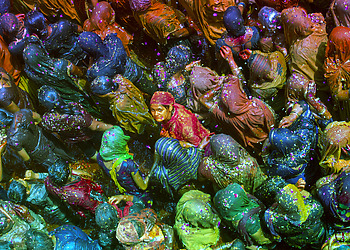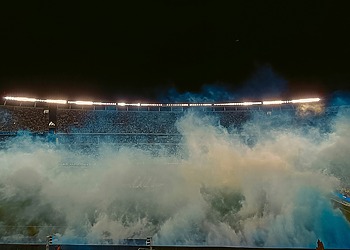
There’s a vicious war underway. The battlefields are our overloaded screens, media outlets, platforms, devices, and minds. Many—on both sides of the aisle—criticise the way things have become polarised, protesting that they never wanted it all to be so black and white. But certain issues, such as immigration or race, have been used expertly to divide us into two camps. Even as older left-right divisions fail to make sense, we are all still falling into a binary two-party system. Progressives vs. conservatives. Immigration vs. closed borders. Pro-choice vs. pro-life. LGBTQ vs. the traditional family. Diversity vs. ethno-nationalism.
The game has changed, but progressive-minded advocates haven’t caught up. They are often caught frozen, screaming, “You’re not allowed to say that!” and battling with bots on social media. Wringing their hands without noticing the quicksand underfoot. Meanwhile long-held protocols are torn up, democratic checks dismantled, dead slogans reborn and criminals rehabilitated, their crimes transformed into badges of honour (looking at a certain UK far-right leader with multiple convictions). Hate is seductive. Scapegoating is an ancient human practice. Now the tools with which it can be done are monstrously effective—and dominated by those with the most resources to invest.
Nonetheless, in today’s climate there remains a place for positive messaging. But in the “post-truth” era, we must embrace subjectivity as the only way to drive it home. NGOs are sitting on stacks of data, warehouses of photos, reports rich with powerful stories. It’s no good if this all isn’t delivered in a dynamic, fresh and original way. But the key quality, essential for younger generations and the way to stand out among the cacophonic content overload, is authenticity. Which brings us to our greatest asset, art. 
Photo Credit: Good Point
Art is a sensitive and thoughtful way to investigate problematic issues. And though many nonprofits would love to work more with artists, establishing and managing such relationships is difficult. Another challenge is to ensure work is creatively directed to the right standard for delivery.
I founded Good Point to help cause-driven organisations increase impact through better storytelling. Working across brand strategy and comms with NGOs and social startups, we found a desperate need to engage with new audiences outside their bubble.
Photo Credit: Good Point
However, the systems already in place within organisations are often stacked against new and innovative storytelling. Comms departments—if they exist—tend to be firefighting and dealing with PR, with little time to plan and produce new kinds of creative content. A fair amount of content is often directed more at funders and stakeholders than at untapped sections of the public. Sometimes money can be found for a particular need—say, a video—but not for the more day-to-day job of distributing a new body of stories. We’ve found that many organisations are sick of pouring resources into a five-minute video that’s well shot but watched by a couple of thousand close followers before sinking without a trace.
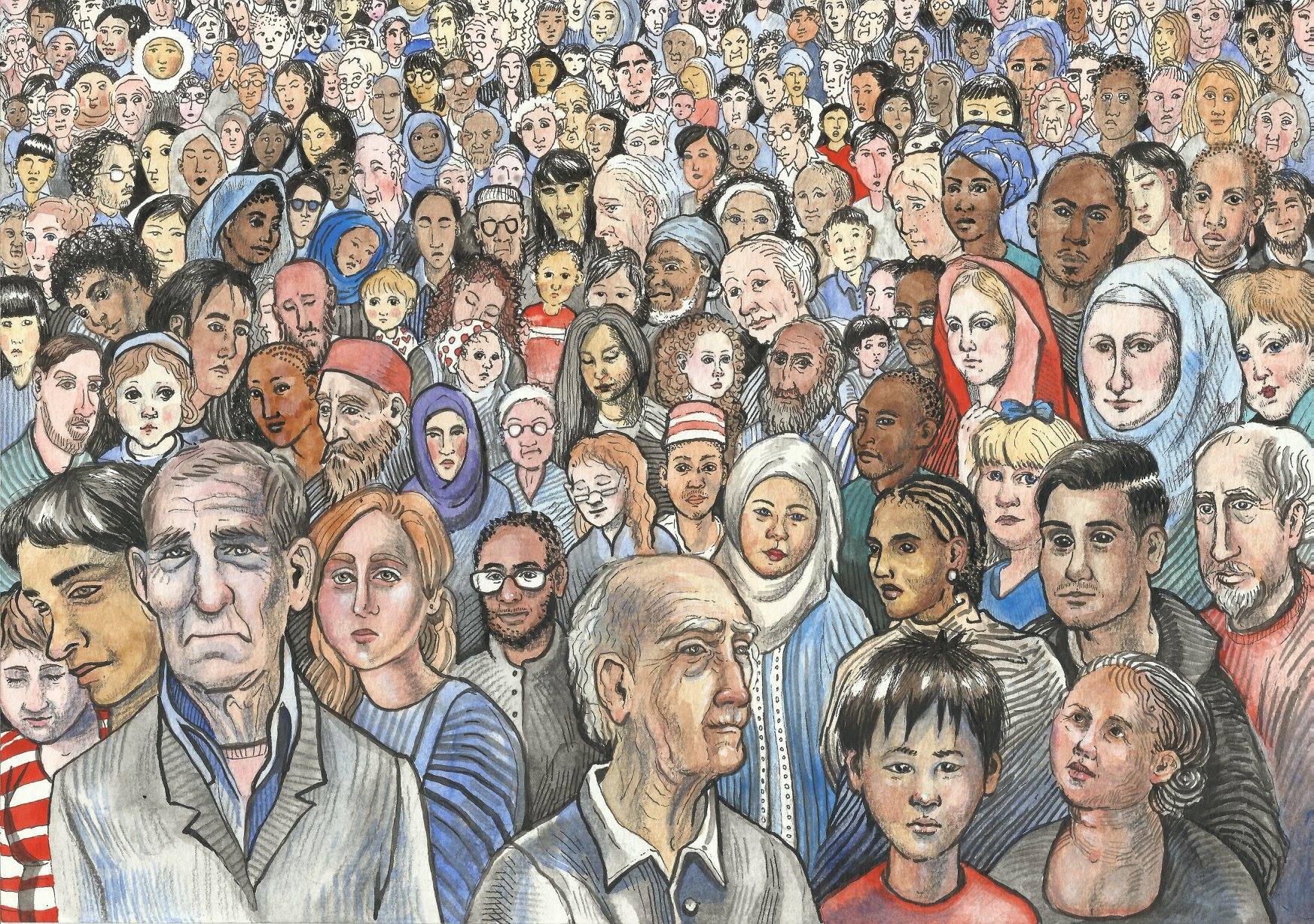
To meet the demand for a more authentic and effective form of communication, we have set up our own urban arts collective in Berlin, Angles. These artists are a highly diverse group, not only from different backgrounds and cultures, but also working across varied artistic mediums to tell stories that explore and depict lives of people in the city. We aim to humanise the Other, break down silos and build bridges between communities. 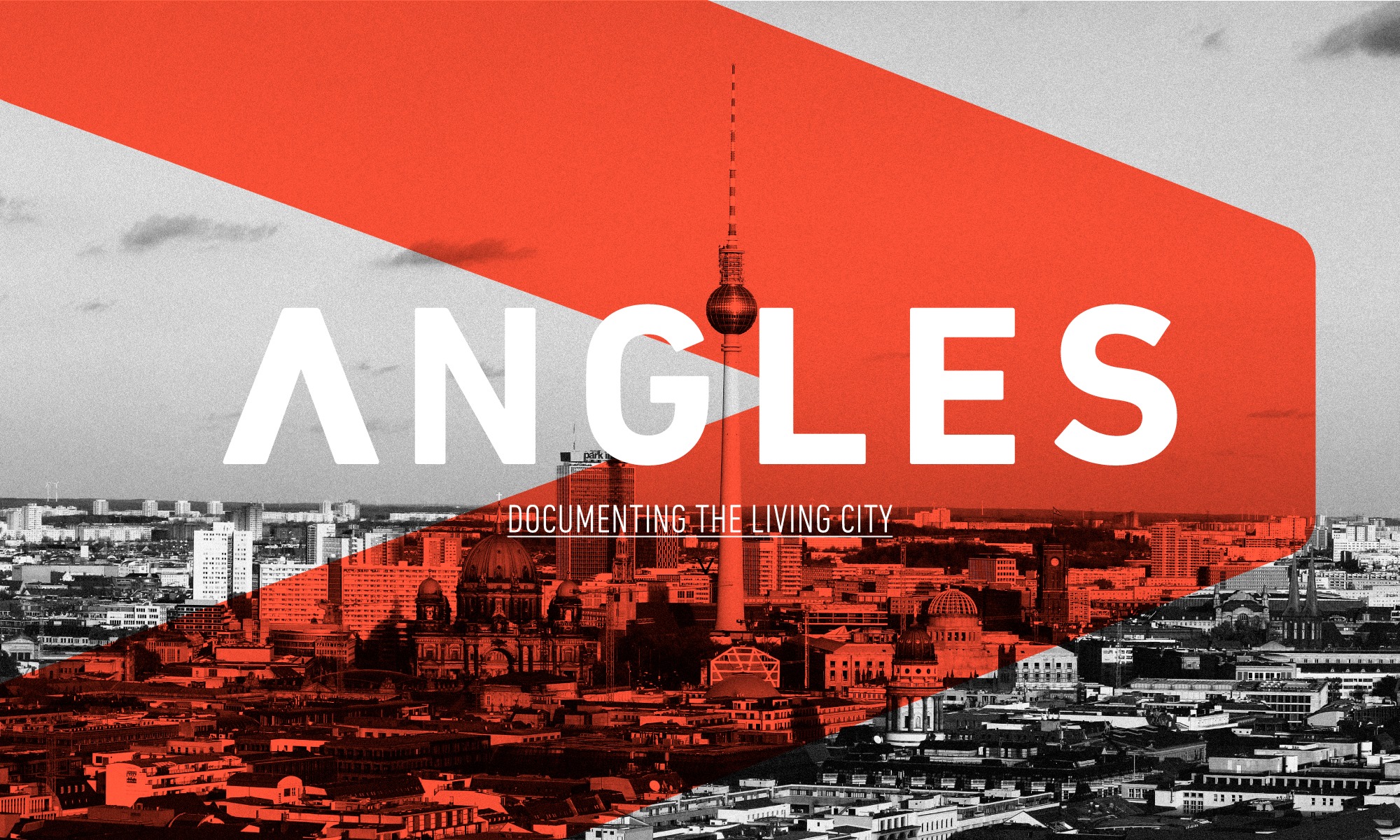
Photo Credit: Angles
Using local artists is much cheaper than producing shiny videos; and the content is more flexible and multichannel, as well as more creative, original, articulate and authentic.
Angles productions so far include an exploration of sex work, featuring soundbite interviews with people from the industry, accompanied with wild water-colour paintings. Another piece is a graphic novel-like story of two Vietnamese chefs in Berlin, one from North Vietnam, one from South Vietnam, each of whom had arrived to the city in a very different way. The story is connected by the personal narrative of a young Vietnamese war photographer who is part of the collective. Yet another project dealt with Berlin Pride: portraits and short interviews with older, German gay men who feel ostracised by this mainstream and highly commercialised version of a community.
Related Articles:
 WOMEN IMPAKTERS: ART EDITION by April “Kayuri” Lat
 ARTIST SPOTLIGHT – FAITH 47 by Ameera Khorakiwala
We are now connecting local grassroots creators with socially driven organisations to enable a new form of creative and authentic communication for the post-truth era.
Art can build bridges of understanding across generational and cultural divides.
Art has always been unabashedly subjective. From heroic cave daubings, to the insertion of monarchs into mythology and Warhol’s soup cans later on, such creations have always driven narrative and shaped public consciousness. Artists are creative communicators. The vast majority are sympathetic to the campaigns of NGOs. They are usually exploring the same issues in their work: Empathy, identity, belonging, connection, humanity. Art can build bridges of understanding across generational and cultural divides. It’s non-binary and complex. It is not a weapon but a conversation—which is exactly what our polarised society requires right now.