Impakter
  • Environment
    • Biodiversity
    • Climate Change
    • Circular Economy
    • Energy
  • FINANCE
    • ESG News
    • Sustainable Finance
    • Business
  • TECH
    • Start-up
    • AI & Machine Learning
    • Green Tech
  • Industry News
    • Entertainment
    • Food and Agriculture
    • Health
    • Politics & Foreign Affairs
    • Philanthropy
    • Science
    • Sport
  • Editorial Series
    • SDGs Series
    • Shape Your Future
    • Sustainable Cities
      • Copenhagen
      • San Francisco
      • Seattle
      • Sydney
  • About us
    • Company
    • Team
    • Partners
    • Write for Impakter
    • Contact Us
    • Privacy Policy
No Result
View All Result
  • Environment
    • Biodiversity
    • Climate Change
    • Circular Economy
    • Energy
  • FINANCE
    • ESG News
    • Sustainable Finance
    • Business
  • TECH
    • Start-up
    • AI & Machine Learning
    • Green Tech
  • Industry News
    • Entertainment
    • Food and Agriculture
    • Health
    • Politics & Foreign Affairs
    • Philanthropy
    • Science
    • Sport
  • Editorial Series
    • SDGs Series
    • Shape Your Future
    • Sustainable Cities
      • Copenhagen
      • San Francisco
      • Seattle
      • Sydney
  • About us
    • Company
    • Team
    • Partners
    • Write for Impakter
    • Contact Us
    • Privacy Policy
No Result
View All Result
Impakter
No Result
View All Result

African Rivers Turn Blue, Amid Pollution From Fast Fashion

byAriana Hashtrudi
August 18, 2021
in Business, Environment, Fashion, Health, Society

According to a report published on Tuesday, fast fashion brands have caused African rivers to turn blue or contain the same alkaline levels as bleach.

The report from Water Witness International (WWI), pointed to the case of Lesotho and Tanzania’s polluted rivers to shed light on the danger of pollution as world-wide brands continue obtaining clothing from contractors in Africa. Brands are attracted, as they underlined in their report, by cheap labour and tax incentives.

These brands could improve their practice, but their current work within Africa has failed to resolve the issue of pollution as well as insufficient water and sanitation supplies for factory workers, director of WWI and author of the report, Nick Hepworth, said.

Hepworth added: “The flipside is that (fast fashion) could be a force for change,” and later mentioned that it is nevertheless important for investors and brands to lead the way.

In the report, researchers identified a river in Lesotho, which was evidently polluted by blue dye used for denim jeans. Additionally, researchers also gathered samples from Tanzania’s Msimbazi river in Dar es Salaam, which had a pH of 12. This is the equivalent to bleach which can contain a pH of 11 to 13. 


Related Articles: Fast Fashion’s Detrimental Effect on the Environment | The Harmful chemicals in Fast Fashion 

But there’s danger that the environmental and health damages will spread. The report also found that locals were using the river for washing and to water crops, signifying the risk of pollution for the community.

The report also listed 50 global brands that “source or have sourced” their garments from African countries, including H&M, ASOS and Inditex’s Zara, but none of the supply chains were linked to the river pollution, suggesting that there is not a specific chain responsible for the the river pollution. 

Reuters reports that Zara did not comment in response to the findings, however, ASOS and H&M confirmed that they obtain clothing from Africa but asserted that they have initiatives to maintain sustainability or deal with the risks to the rivers.

Katrina Charles, who is a water security and quality expert from the University of Oxford and has also worked with governments in Asia and Africa, believes brands are not only capable of making more sustainable clothing but have also done so in the past. She also says that pressure from consumers is crucial in prompting greater focus on sustainability.

Charles also said that the textiles industry provides prosperity for Africa, such as more employment opportunities, but that this would not be effective if pollution was not sufficiently tackled and the working environment was not satisfactory. She concluded: “Making the textile industry a force for good in Africa is a very delicate balance.”

The fashion industry poses an environmental risk to the rivers of Africa, whereby the use of the water can endanger healthy plant production and human health in the surrounding local communities. So whilst fast fashion can contribute towards development, delivering opportunities for African nations- the environmental risks must be carefully considered and ultimately addressed, in order to fully reap the economic benefits.


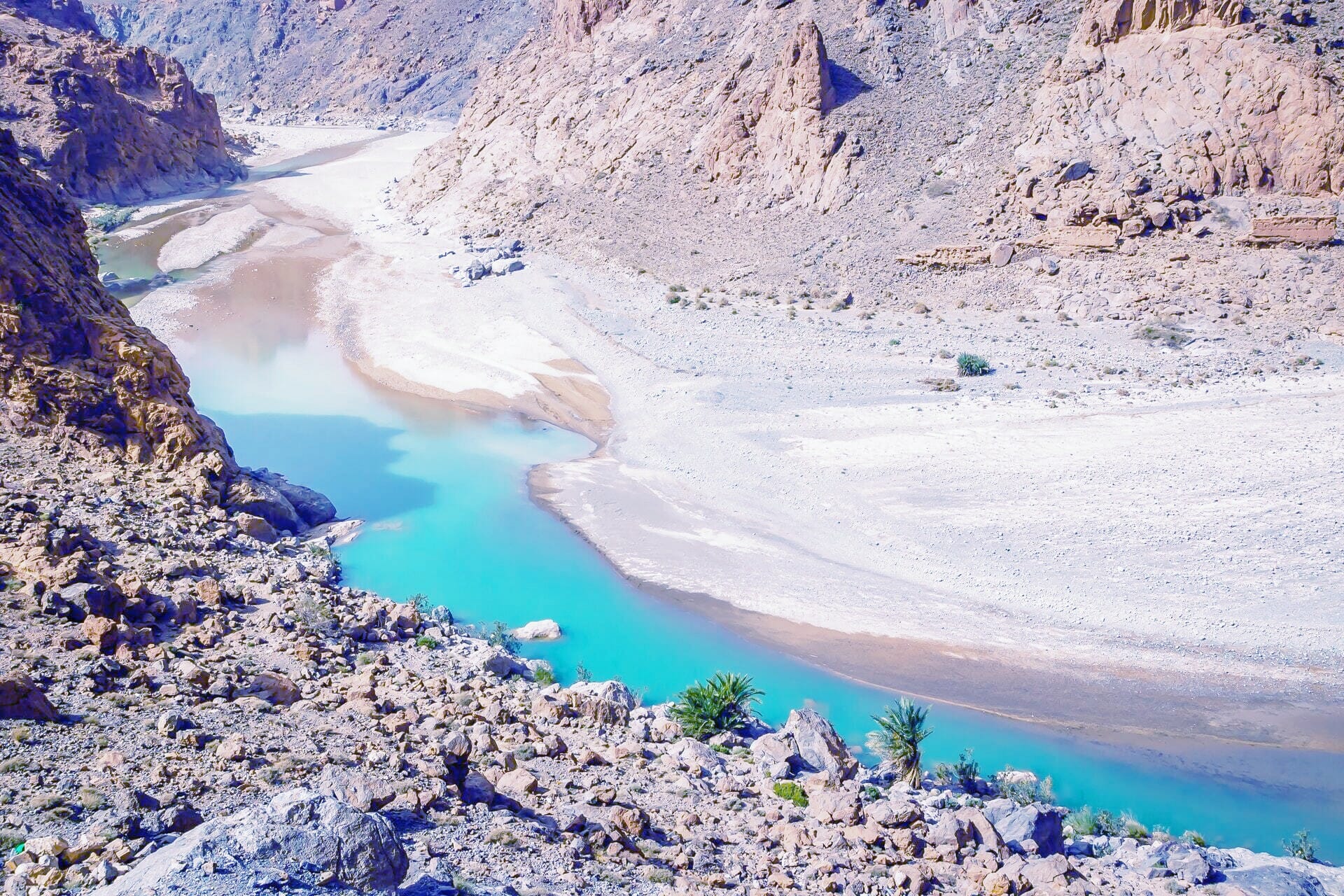
Editor’s Note: The opinions expressed here by Impakter.com columnists are their own, not those of Impakter.com.— In the Featured Photo: Ziz Valley, Morocco, Africa. Featured Photo Credit: Alexander Schimmeck

Tags: africaASOSfast fashionH&Mriver pollutionZara
Previous Post

Will Afghanistan Fuel a New Migrant Crisis?

Next Post

Top Financial Institutions Found to Fuel Climate Change and Social Injustice Despite Claims

Related Posts

Corporate Liability and renewable energy challenge.
Business

From Pollution to Precedent: Corporate Liability in Environmental Wrongful Death

March 16, 2026
Nearshore hubs for tech development
Business

Solving the Talent Shortage: How Nearshore Hubs are Bridging the Seniority Gap in 2026

March 16, 2026
India’s Contradictions in a Fractured World: Democracy, Identity, Power, and Silence
Climate Change

India’s Contradictions in a Fractured World: Democracy, Identity, Power, and Silence

March 16, 2026
Next Post
Top Financial Institutions Found to Fuel Climate Change and Social Injustice Despite Claims

Top Financial Institutions Found to Fuel Climate Change and Social Injustice Despite Claims

Related News

Corporate Liability and renewable energy challenge.

From Pollution to Precedent: Corporate Liability in Environmental Wrongful Death

March 16, 2026
Nearshore hubs for tech development

Solving the Talent Shortage: How Nearshore Hubs are Bridging the Seniority Gap in 2026

March 16, 2026

Impakter informs you through the ESG news site and empowers your business CSRD compliance and ESG compliance with its Klimado SaaS ESG assessment tool marketplace that can be found on: www.klimado.com

Registered Office Address

Klimado GmbH
Niddastrasse 63,

60329, Frankfurt am Main, Germany


IMPAKTER is a Klimado GmbH website

Impakter is a publication that is identified by the following International Standard Serial Number (ISSN) is the following 2515-9569 (Printed) and 2515-9577 (online – Website).


Office Hours - Monday to Friday

9.30am - 5.00pm CEST


Email

stories [at] impakter.com

By Audience

  • TECH
    • Start-up
    • AI & MACHINE LEARNING
    • Green Tech
  • ENVIRONMENT
    • Biodiversity
    • Energy
    • Circular Economy
    • Climate Change
  • INDUSTRY NEWS
    • Entertainment
    • Food and Agriculture
    • Health
    • Politics & Foreign Affairs
    • Philanthropy
    • Science
    • Sport
    • Editorial Series

ESG/Finance Daily

  • ESG News
  • Sustainable Finance
  • Business

About Us

  • Team
  • Partners
  • Write for Impakter
  • Contact Us
  • Privacy Policy

© 2026 IMPAKTER. All rights reserved.

No Result
View All Result
  • Environment
    • Biodiversity
    • Climate Change
    • Circular Economy
    • Energy
  • FINANCE
    • ESG News
    • Sustainable Finance
    • Business
  • TECH
    • Start-up
    • AI & Machine Learning
    • Green Tech
  • Industry News
    • Entertainment
    • Food and Agriculture
    • Health
    • Politics & Foreign Affairs
    • Philanthropy
    • Science
    • Sport
  • Editorial Series
    • SDGs Series
    • Shape Your Future
    • Sustainable Cities
      • Copenhagen
      • San Francisco
      • Seattle
      • Sydney
  • About us
    • Company
    • Team
    • Partners
    • Write for Impakter
    • Contact Us
    • Privacy Policy

© 2026 IMPAKTER. All rights reserved.