Many constituencies and interested parties in the Western world, but equally in Asia, Africa, the Middle-East and elsewhere, are allowing their hopes and expectations to, yet again, look forward to the Iran war pausing under a long-term ceasefire or better yet a peace agreement to emerge.
In line with the implication of Carl von Clausewitz’s famous dictum that “war is the continuation of [diplomatic] policy by other means,” the world has been witnessing the increasing sidelining and marginalization of traditional diplomacy as the preparatory instrument to allow negotiations to address conflicts and ultimately present national or global leaders with solutions and agreements to overcome these: witness the deterioration of such diplomacy in the context of the Iranian and Ukrainian wars over the last decade and more.
Considering the current impasse of finding a way forward among the most senior leaders concerned, every crisis offers an opportunity, and a renewed re-empowering of diplomatic effort, in this case using the One Health universe, to assist the negotiations — or absence of effective negotiations — to find a mutually honorable exit out of the Iran war might actually contribute both materially to the objective and reinvigorate the original power of diplomacy (and, in the American case, to speak with Edward Luce, perhaps defog a bit the capacity of its Foggy Bottom professionals).
Invoking a myriad number of regional and global contacts in the fields of One Health, that include human health, veterinary sectors, environmental constituencies, agricultural institutions, industries and finance, and so on, both in Iran and elsewhere in the world, a One Health Reconstruction Fund and Program could be envisioned that would mutually benefit Iran and its reconstruction efforts, as well as the other countries in the Region, and in terms of One Health risks most other countries in the world.
The effort to mobilize such a network of One Health collaborators and constituencies in Iran and their counterparts elsewhere would actually be the very historical backbone of traditional diplomacy: where formal diplomacy fails or their leaders incapacitate its power, contrary to popular belief, many other visible — and invisible — contacts always remain.
In line with Napoleon’s view that “the secret of war lies in the communications,” open or hidden channels of communication among enemies always remain, and these could be capitalized on to prepare and ultimately present formally to senior diplomats and their leaders to establish such a One Health Reconstruction Fund and Program.
It would serve to assist in the reconstruction of Iran’s damaged health, environmental, and veterinary systems, preferably based on an objective assessment and prioritization as agreed upon by Iran’s Government, in conjunction with the supporters of the One Health Reconstruction Fund and Program. The Fund could be financed by a mix of public, multilateral, and private-sector actors, and overseen by a fiduciary accepted by the warring parties and the international community, with the Islamic Development Bank (IsDB) conceivably in the lead.
A Brief History of International Sanctions on Iran
Iranian sanctions began after the 1979 revolution and the U.S. embassy hostage crisis. Over the next two decades, the U.S., in conjunction with several of its allies, imposed trade restrictions, asset freezes and bans on technology transfer. In 2006, the United Nations Security Council sanctions targeted nuclear activities, arms transfers, and in 2012, the U.S and European Union cut Iran off from a crucial financial mechanism, SWIFT, while humanitarian assistance was ostensibly exempted.
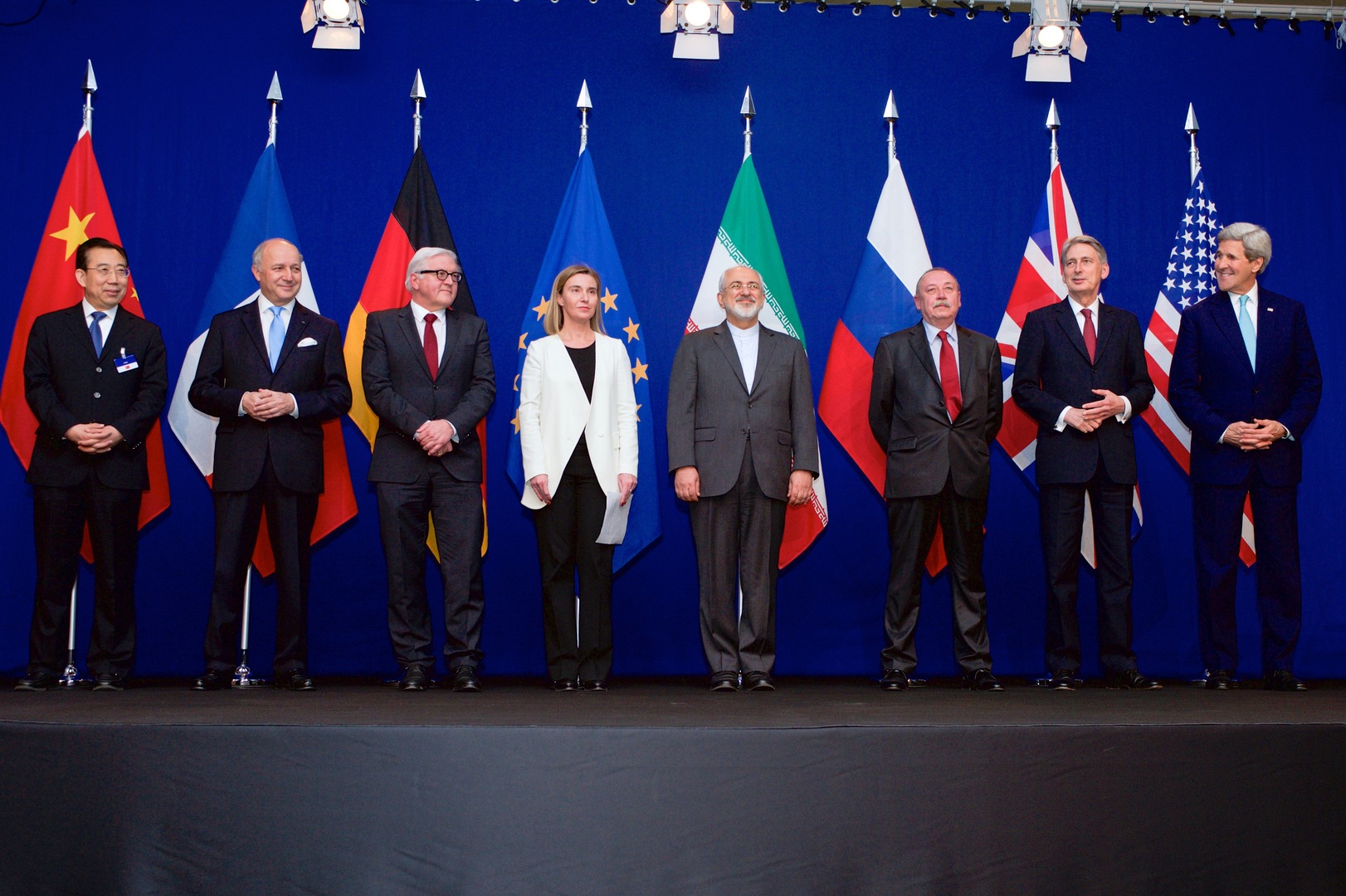
In 2015, the Iran Nuclear Deal, the Joint Comprehensive Plan of Action (JCPOA), reconnected Iran to SWIFT, and oil exports again allowed to flow without earlier restrictions. Then, in 2018, the U.S. withdrew from the JCPOA, which meant intensified sanctions, including on oil exports. In 2020, Iran was among the countries worst affected by the COVID pandemic, with exceptional numbers of excess mortality, to such an extent that by 2023 the government requested emergency international humanitarian health assistance.
Iran’s One Health Challenges
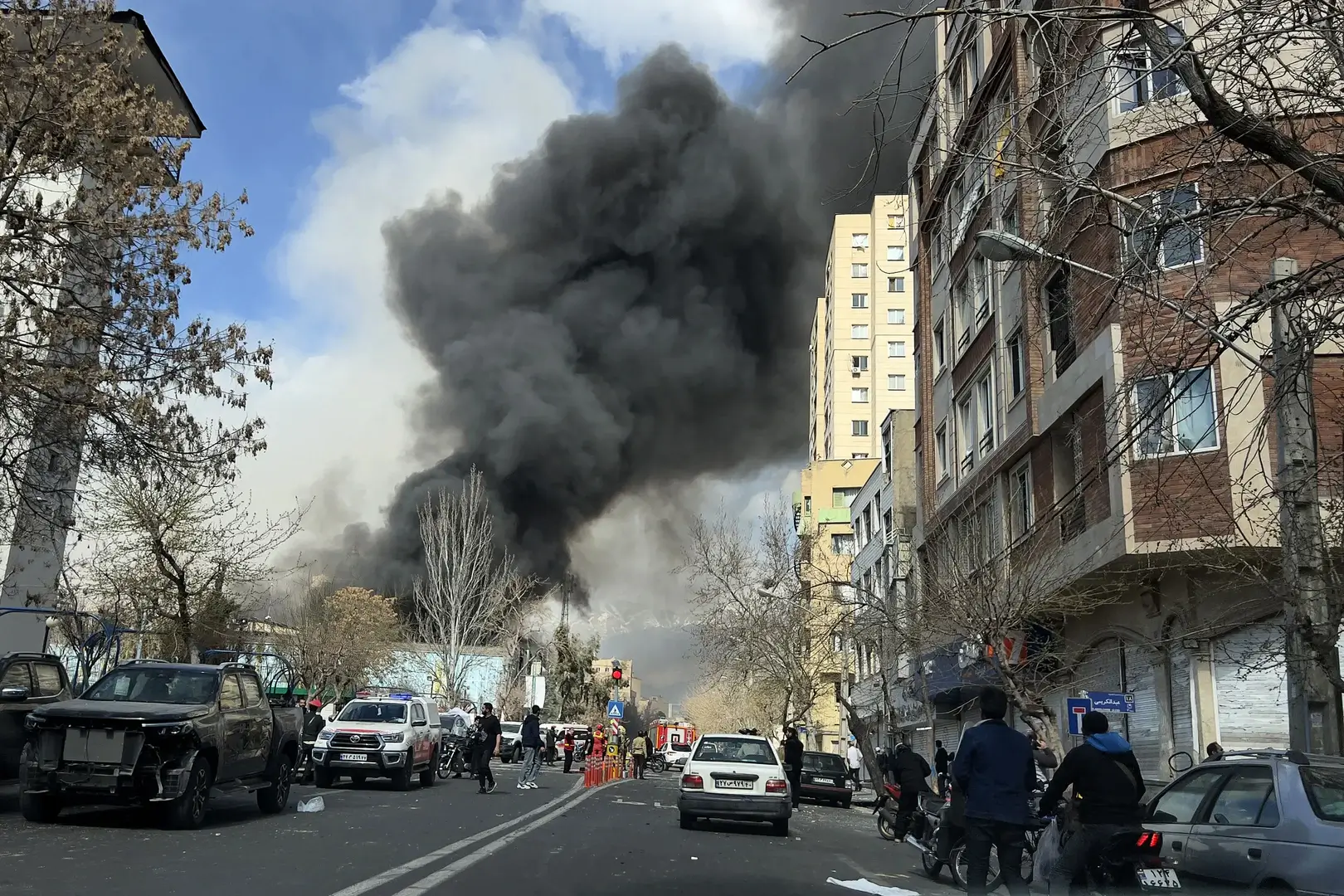
In 2026, the US and Israeli attacks on Iran involving extensive bombing and new US sanctions, apart from the major war damage resulting to Iran’s society and infrastructure in general, also damaged health facilities and services, weakened surveillance and containment of communicable diseases, and reduced vaccination and maternal care.
The conflict also disrupted food production and supply chains. Its environmental effects in Iran itself and across the Middle East include air and water pollution, damage to waste management systems, and major oil spills in Iran, the Persian Gulf as a whole, the Strait of Hormuz, and the Arabian Sea. Significant destruction of human, domestic animal, and wildlife habitats followed. Such effects normally increase the risk of infectious disease spillover between humans and animals, including zoonotic transmission.
Past and Current International Financial Engagement With Iran
To be sure, any perception that Iran would be a developing country in the traditional meaning of the concept and represent a “poor” country would be mistaken. Iran was and is among the middle-income countries of the world. In terms of human capital development among the upper-middle-income countries in the world, it can be compared more with Turkey or the Philippines than with the lower-middle-income countries or low-income countries across Africa or in South or South-East Asia.
Naturally, the conflict and war circumstances of Iran over the last twenty years resulted in significant loss of economic growth. As such, it has now somewhat fallen behind its comparable middle-income fellow countries, with concomitant budget constraints in sectors beyond the military and security institutions. More recently, the government’s budgets and expenditures have increased, with its 2024 budget of 56.44 billion U.S. dollars, up from 52.11 billion U.S. dollars in 2023.
As such, foreign assistance to Iran by traditional bilateral or multilateral development agencies has been insignificant and small, and was even declining prior to the current Iran War. In 2022, this amounted to over US$290 million, and by 2023, it had fallen to more than US$240 million (approximately 0.5 % of government expenditures).
Before the 2005 nuclear-related sanctions, Iran agreed on some development cooperation with international partners. For example, the World Bank lent Iran assistance for water, sanitation, and environmental projects, and UNDP and FAO programs provided some technical support in agriculture and biodiversity. Iran has a long-standing technical cooperation program with the WHO in several health and medical fields, which generally does not involve financing and reflects mutual benefits from and to the country.
During the 2019–2023 pandemic, Iran received international assistance, including a World Bank US$140 million emergency health loan to support its medical sector and clinical pandemic requirements. The European Union and several countries, including Russia and South Korea, equally provided pandemic humanitarian support. Private international institutions, such as Fondation Mérieux, funded some specialized health and medical development projects in Iran. U.S. organizations were largely barred from providing assistance to Iran.
It is worth making a distinction among Iran’s international partners with regard to China. While insufficient data can be found to record the level and nature of direct assistance to the Iranian government over the years, China remains Iran’s largest trading partner, primary buyer of Iranian oil, and largest investor, both public and private, in terms of significant — albeit scaled down from previous levels — funding into the Iranian economy (e.g., photovoltaic projects, railway investments).
One Health Reconstruction Fund and Program
In line with the above reasoning to support current peace dynamics by way of low-visibility but traditional effective diplomacy, a One Health Reconstruction Fund and Program could be established with and for Iran, based on an objective assessment of needs and priorities, supported by security guarantees, acceptable cross-border cooperation, and trusted oversight.
Building on historical and such trust elements — and even following the old adage that “the enemy of my enemy is my friend” — engagement and support by Turkey, China, Germany and Pakistan come to mind, as well as Egypt and possibly India and Indonesia. Most of these have long strategic relationships with Iran, as well as deep technical and cultural engagements and institutional presence. The potential engagements of Russia, the U.S., the Kingdom of Saudi Arabia and — currently — the UAE seem for the moment wiser to position further into the future.
Multilaterally, an option would be for the Quadripartite on One Health — WHO, FAO, WOAH, and UNEP — to take an early lead and, if agreed upon, to conduct the above-mentioned assessment and joint identification of priorities. The direct involvement of diplomatic leadership and interested technical parties from the bilaterals mentioned (e.g., Turkey, China, Germany, Egypt and Pakistan) would be crucial, as they would partially function as safeguards for trust and acceptance based on the cultural and technical historical solidarity being able to override potential short-term political or security mistrust.
As the above mainly reflects the supply side of the effort, care needs to be taken that the demand side is equally well assessed as to willingness to engage, acceptability among the population and actual perceived need.
After all, currently Iran remains perceived by many of its adversaries to have turned even more aggressive, and initiatives or openings such as the proposed diplomatics through One Health instrumentation is not necessarily an acceptable proposition in Iran’s eyes.
The choice of One Health is partially proposed because of its possible comparative advantage in this respect: the combination of the needs of the Iranian population in human health in close conjunction with animal health, its agricultural security and environment dimensions, and its repositioning of science, research and innovation as priorities constitutes a set of critical elements that may appeal and serve as an anchor among the communities concerned.
The relative non-political nature may equally serve to make the effort not only acceptable but even serve as a common benefit greater than the sum of its parts to the many different ethnic, cultural, rural and urban, and historical populations and communities across the vast and varied land that is Iran.
The Choice of a Fiduciary
While several international financial institutions could serve this role, the Islamic Development Bank (IsDB) is especially well-positioned to function as a fiduciary because Iran is a full member and the bank offers several distinct advantages:
- It is not bound by U.S. sanctions in the same way as Western banks, as is also the case for many other international financial institutions (e.g., investment, development, commercial).
- It has experience financing health, agriculture, and environmental projects.
- It has Islamic finance instruments (sukuk, waqf, zakat) that can mobilize Gulf capital.
- It has credibility with Iran and Gulf states and is supported by its Islamic members, stretching from Morocco in the West to Indonesia in the East.
- It has financed Ebola response efforts in West Africa, supported COVID-19 vaccine procurement, funded livestock and agricultural programs across the Middle East, and partnered with FAO and WHO on health security.
- It has a close collaboration agreement for joint financing with the Asian Infrastructure Investment Bank, AIIB, in China (which includes the Belt and Road Initiative).
- The Bank may serve as a timely buffer to allow the required One Health diplomatics to play out within its confines, circumventing the polarizing positions dominating other bilateral or multilateral spaces.
Related Articles
Here is a list of articles selected by our Editorial Board that have gained significant interest from the public:
Potential Contributors
Potential sources of funding and technical assistance are broader than in most trust fund cases. For example:
Governments that are likely to contribute would include Qatar, Oman, Norway, Sweden, Japan, Indonesia, India, Turkey, Egypt, Korea, Kazakhstan, and perhaps China through its Belt and Road Initiative and health cooperation (AIIB). The EU and U.S. might contribute indirectly for humanitarian purposes, but likely for the moment should refrain from doing so.
Multilateral institutions could include the IsDB, the Asian Infrastructure Investment Bank (AIIB) for health infrastructure, UN agencies, the World Bank, and perhaps some NGOs and foundations that would have cultural or technical standing in Iran, and the Red Crescent Societies.
Private Sector Funders, the “for-profits,” would contribute only and have no say on investment choices, contract approvals, implementation, and monitoring. For instance, these “for profits” could include a major shipping company or group pledging, say, $1 billion over five years, with installments, to keep the Strait of Hormuz open (in lieu of fees to Iran). A similar formula could be provided by airlines using Dubai or Qatar, e.g., a pledge to be paid over time to ensure uninterrupted flights.
Further, institutions or organizations such as academia (collaboration among universities on all kind of topics), media (although controlled, endless number of trusted contacts of course exist), industry and trade (in a similar fashion, large numbers of trusted relationships exist in these fields that can be harnessed) and especially the cultural and even religious leaders, where at several levels local, community, regional and even national leaders have known each other for decades and many have deep mutual trust.
What It Would Take
Creating an Iran One Health Reconstruction Fund and Program would, at a minimum, require the following:
- An objective One Health assessment plan for priority areas for action.
- IsDB agreement to serve as fiduciary and assure fund use monitoring mechanism.
- Contributing governments, multilateral institutions, and the private sector pledge funds, conceivably at a conference hosted by Qatar or Oman.
Whether this happens will depend on initiative-oriented successful diplomacy and a minimum level of political will on all sides. What is clear is that an increase in regional stability through an increase in some elements of global health security is potentially and constructively interlinked here.