The World Meteorological Organization reported that 2024 was the first entire year with global temperatures exceeding 1.5° Celsius above pre-industrial levels, making it the hottest of the 175 years of recorded observations. What’s more, there is an 80% chance that one of the next five years will surpass 2024 as the hottest year on record.
Hundreds of millions of people have livelihoods that require outdoor work, with agricultural workers making up a large percentage of this. When you experience heat stress and your body is unable to cool itself, it can lead to heat-related illnesses.
So what is it? Heat stress happens when the body cannot sufficiently dissipate its body heat. Sweating is your body’s way of maintaining balance. So it is not a nuisance. The human body functions best at an inner temperature of 37 °C. When one’s body temperature gets too high or too low, internal organs do not function as efficiently.
Heat stress affects people differently, some being at more risk than others. Knowing what it is could protect your well-being or even save your life.
If you don’t know about it, don’t sweat it! The Food and Agriculture Organization of the United Nations (FAO) has produced this comprehensive publication, and we have laid out three of its key messages for you below:
1. Know how heat affects your body and mind
Our bodies convert food into energy, only a small portion of which is used to perform work. The rest of it is transformed into heat, which is transported by the bloodstream to the skin and released into the environment. In warm conditions, this is achieved through sweating.
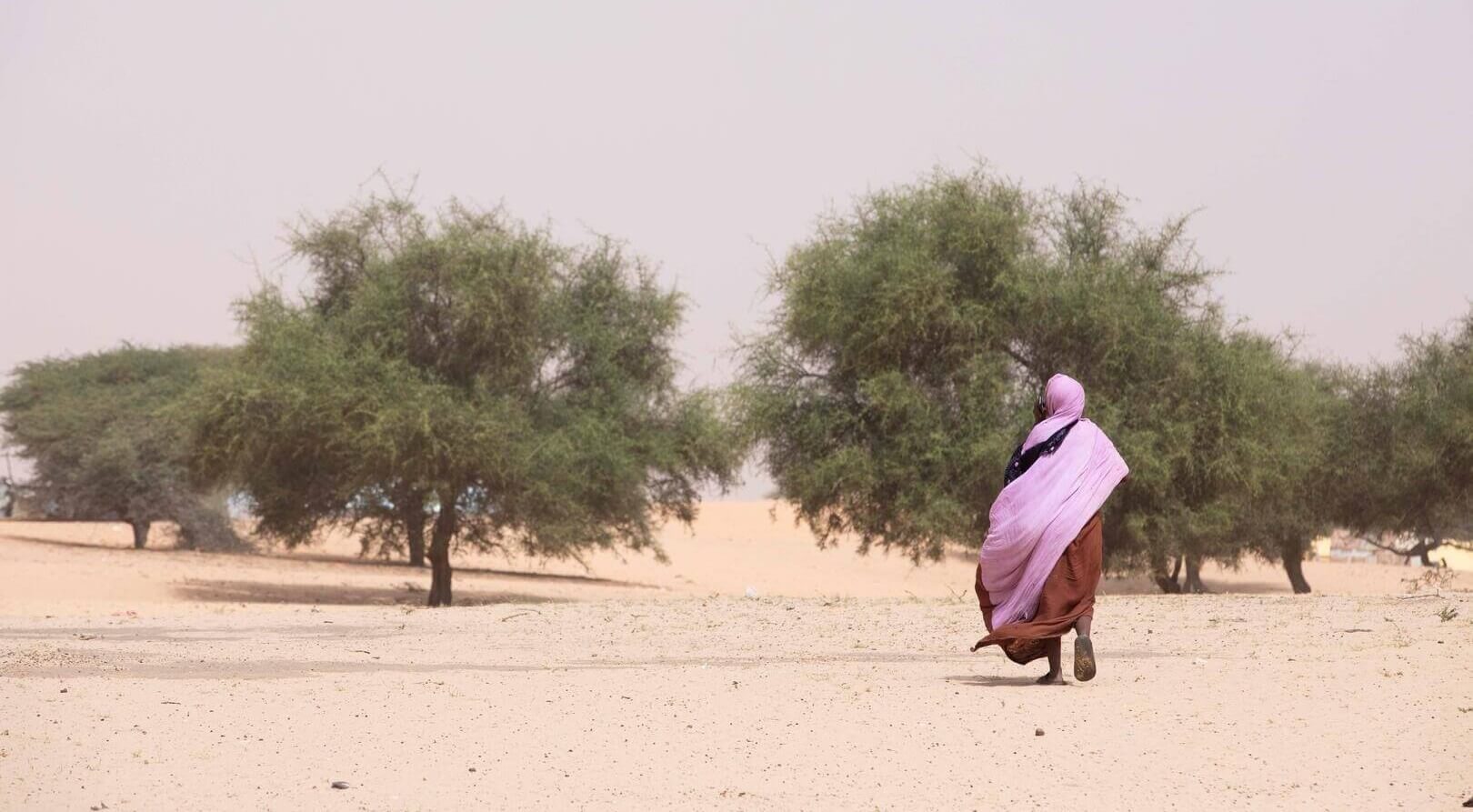
However, not everyone sweats the same. Those who sweat significantly less are more vulnerable to heat stress. In addition, those who work outdoors for long periods, such as agricultural workers, are more prone to heat stress.
Heating also doesn’t just take a toll on the body but also clouds your mood and behaviour with links to increased unsafe behaviour and a higher risk of accidents.
Heat-related illnesses happen when the body is unable to cool itself sufficiently and the body begins to store the heat.
The most common type of heat-related illness is heat exhaustion. From sweating, your blood volume is reduced, placing a strain on the circulatory system, since it must work harder to supply blood both to your muscles and to the skin to cool you down. It is connected to dehydration and may progress to heat stroke.
Heat stroke is the most severe form of these illnesses and can be life-threatening if not treated promptly. It often develops after prolonged physical activity in hot conditions. Those most at risk include individuals who are not acclimatized to the heat, are physically unfit, obese, or have underlying cardiovascular conditions. Alcohol consumption also heightens the risk.
The fatality rates from heat-related illnesses are much higher in the agriculture, forestry, fishing and hunting sectors than the average working population.

2. Recognize the symptoms
Feeling thirsty in the heat? That may be your body’s way of manifesting its need to increase fluid intake by sending a signal to your brain.
Watch for signs that your body may already be dehydrated such as flushed skin, muscle fatigue, nausea, very dry mouth and dizziness. One easy way to check for dehydration is by the colour of the urine. If it’s dark yellow, that’s a sign you probably need to drink more water.
Individuals tend to replenish only about half to two-thirds of the fluids they lose and, as a result, unknowingly put themselves at risk of dehydration, increasing the risk of heat-related illnesses as well as reducing performance.
Related Articles: Extreme Heat Makes Pregnancy More Dangerous | Evidence Keeps Piling Up: Humans Worsen 71% of Extreme Weather Events | Heat Levels Expected to Reach Record Highs in the Next 5 Years: Are We Prepared? | Extreme Heat Threatens 2026 World Cup, Scientists Warn
Heat stress can cause symptoms of hot, dry skin, while heat exhaustion can cause low blood pressure and a high pulse rate with increased risk of fainting. Someone experiencing heat exhaustion is also likely very dehydrated, fatigued, feeling giddy or nauseated, and has a headache. When this happens, the person should move to a cooler environment immediately to rest and drink water.
Heat cramps, on the other hand, can occur when someone consumes a large amount of water but doesn’t replace the salt lost through sweating. In this case of muscle cramps, salt tablets or salted liquids can help.

3. Do something about it
Staying hydrated is a key way to prevent heat stress. The volume of fluid you need to stay fully hydrated depends on the activity performed and the climate conditions.
However, in general, for light work in cooler conditions, around 2 litres of water per day are required. In more strenuous conditions, fluid needs can rise up to 15 litres a day. It’s always best to drink small amounts regularly than large quantities at once.
Drinks like coffee, tea and alcohol should be avoided as they contribute to dehydration.
Donning thin, light-coloured clothing is also advised when exposed to heat. Though you should cover your body to avoid sunburn and reduce the risk of skin cancer, the type of fabric you wear is critical as the material determines how much heat it keeps in and how easily it lets sweat evaporate. Cotton is one example of clothing material that allows sweat to evaporate and helps transfer moisture away from the body.
Heat stress can affect anyone, regardless of age. As global temperatures rise, staying proactive about hydration and sun protection can make a big difference to your health.
** **
This article was originally published by the Food and Agriculture Organization of the United Nations (FAO) and is republished here as part of our editorial collaboration with the FAO.
Editor’s Note: The opinions expressed here by the authors are their own, not those of Impakter.com — Cover Photo Credit: ©FAO/Giulio Napolitano.