
In the modern world it is important that we know where our clothes are coming from and that we can stand 100% behind the products we choose to purchase.
When branding becomes more fundamental to consumers than company values, often corners can be cut, in terms of sourcing material and also in the production of the goods. Why would a company which is popular because of its name rather than the values it holds, care about spending more to become an ecologically astute company, which was never the premise behinds its popularity in the first place.
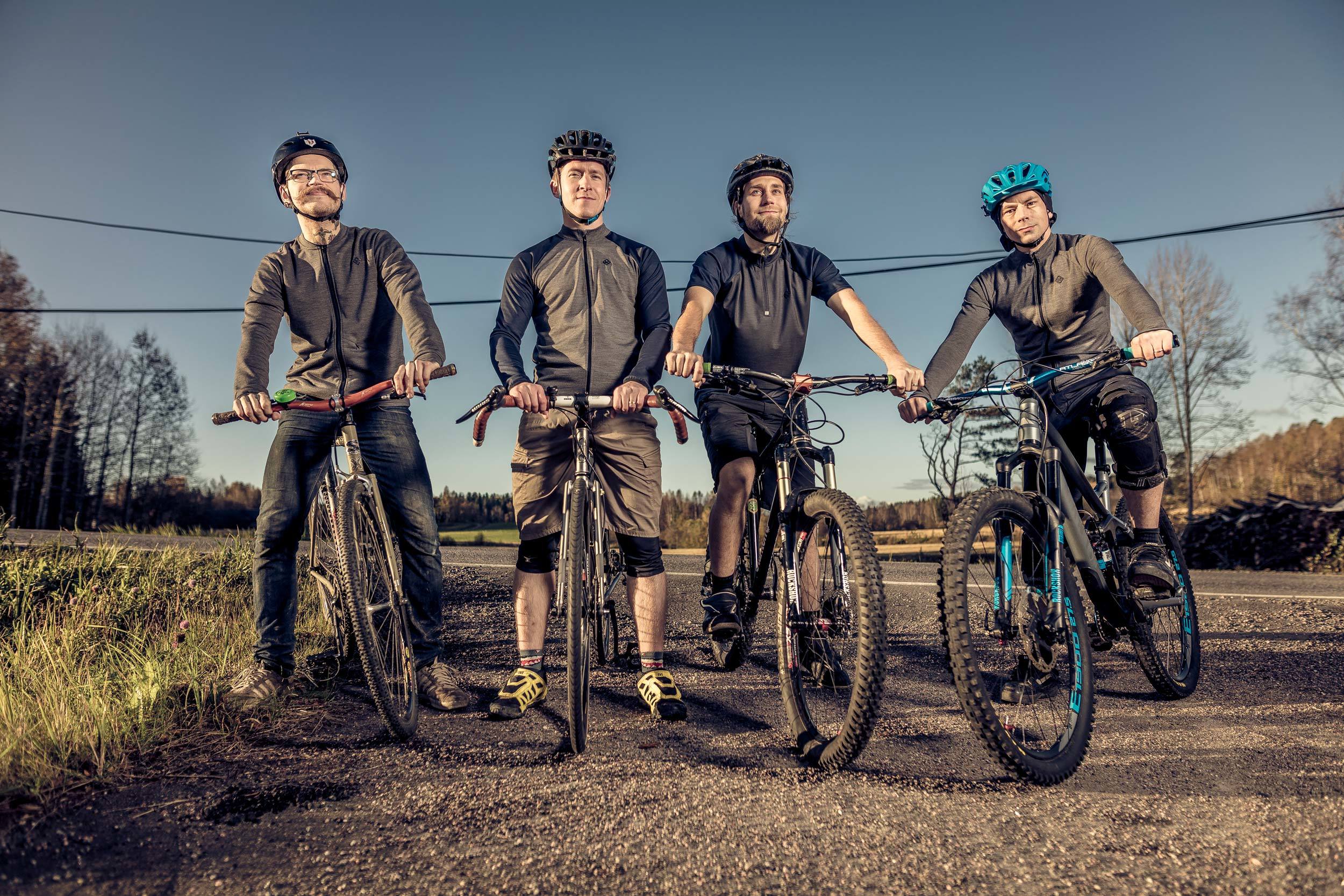
Keli is a cycling clothing company which has the right order of priorities, valuing long-lasting clothing over the fast-fashion approach of quick sales and even quicker redundancies in their products. I spoke to Sanni Pennanen, founder of Keli, to find out more on their sustainable approach and hopes for the future.
Q: How did the idea for Keli originate? And how does sustainability fit into the equation?
Keli was born out of our own need and desire to build a cycling clothing brand that would
produce simple, stylish and responsibly made cycling clothes.
In the late autumn 2015 I was expecting our daughter and we were taking long walks in the nearby forest. During these walks we started to talk about the idea that we’d had about making merino wool cycling wear here in Finland. The autumn was quite warm and the pine tree forest looked spectacular in its shades of moss green and rusty red, that is when we decided to pick out those beautiful colors of the nature.
We had noticed that merino wool has superior qualities as a sportswear and when we were able to find a fabric manufacturer that met our standards in being responsible and producing mulesing-free fabric, we decided to take the plunge and make our first ever collection. At the same time we had just become parents to our daughter who was born in January 2016, so as were keeping busy with her, in our spare time we were thinking hard to come up with the designs for our clothes. That spring was quite hectic (and filled with sleep-deprivation) but the prospect of creating something that would maybe have a positive impact on the environment kept us going.
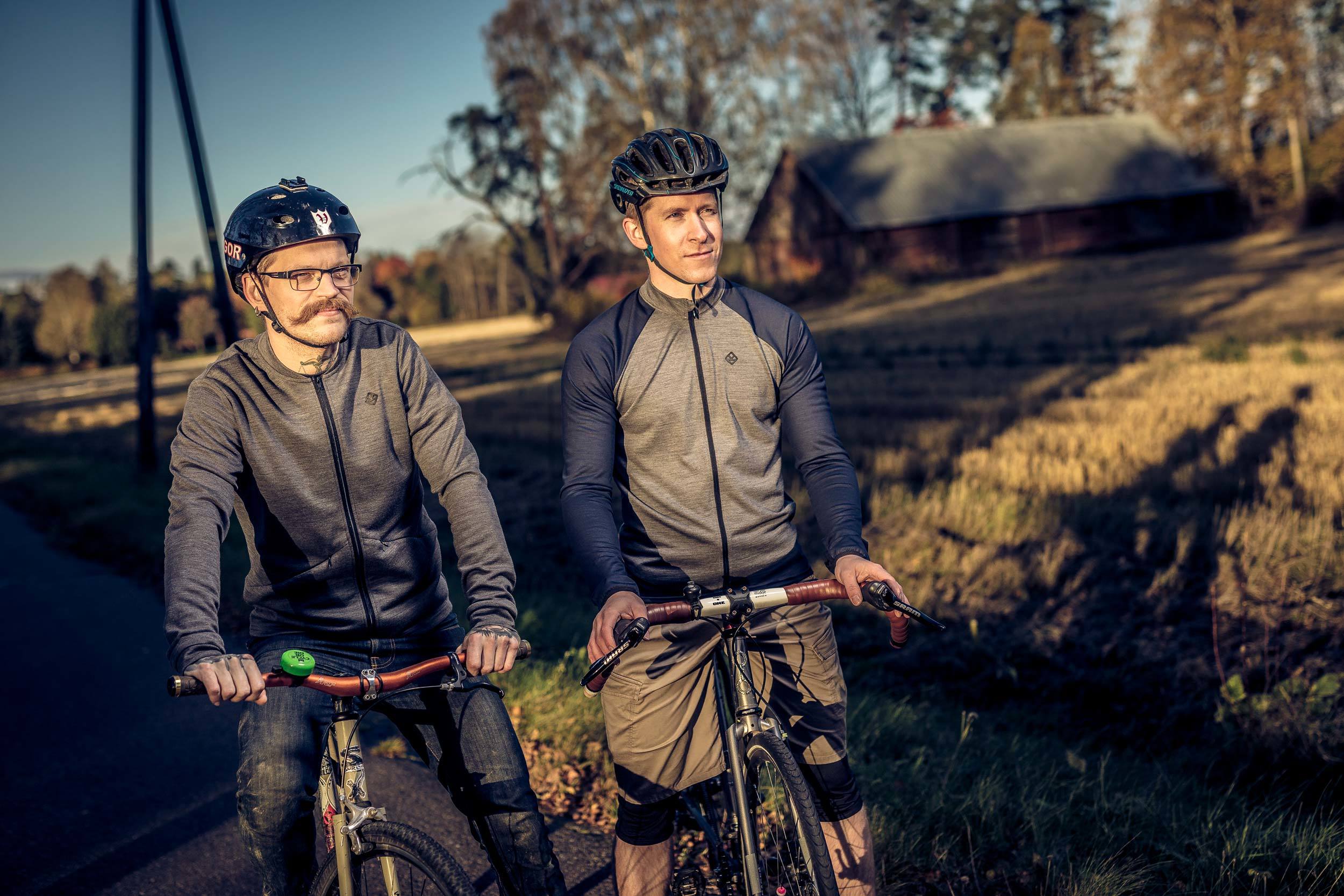
In the photo: Keli cycling fleece Credit: Keli
Q: How does Keli adhere to its values and mission while also stay staying competitive? Is there a unique business model that you use?
Competing with huge corporations is not our game, we produce small batches of high-quality merino wool clothes that are made responsibly from the best materials that we could find. We do this not because we aim to make millions but because we feel that there should be choices for consumers who care about their impact on the environment. Our merino wool clothes are made in Finland, we know the people who work at the small factory in Eastern Finland and even though it’s way more expensive to do the production here in Finland, we want to be sure that the individuals that do the sewing are paid properly. Boosting the Finnish clothing industry that has become a rarity is an added bonus.
We want to include the people who wear our clothes to the design process. Our clothes are made for the average avid cyclist instead of the rich and famous. We like to hear from our customers and fellow cyclists and runners about their thoughts on how to make the clothes better.
Related article: “DIMMBLÁ: CLEAN FASHION” by Oliver Speakman
Q: Are there any unique challenges for sustainability in the clothing industry? How does Keli overcome these challenges?
Most consumers are used to buying relatively cheap sportswear that is made by big brands out of Polyester or Lycra etc. Even the most consciously-minded consumers might not include their vision of sustainability to sportswear probably because they’re used to the thought that there are not that many sustainable options in the line of sportswear. If you can buy a polyester sport top that costs 9,90 euros and don’t stop to think what’s it made of, how long will stay usable and was the person who made it paid properly, it’s difficult to see a problem. But making the production process transparent will help people to think about these things and maybe choose differently and to think about their choices. 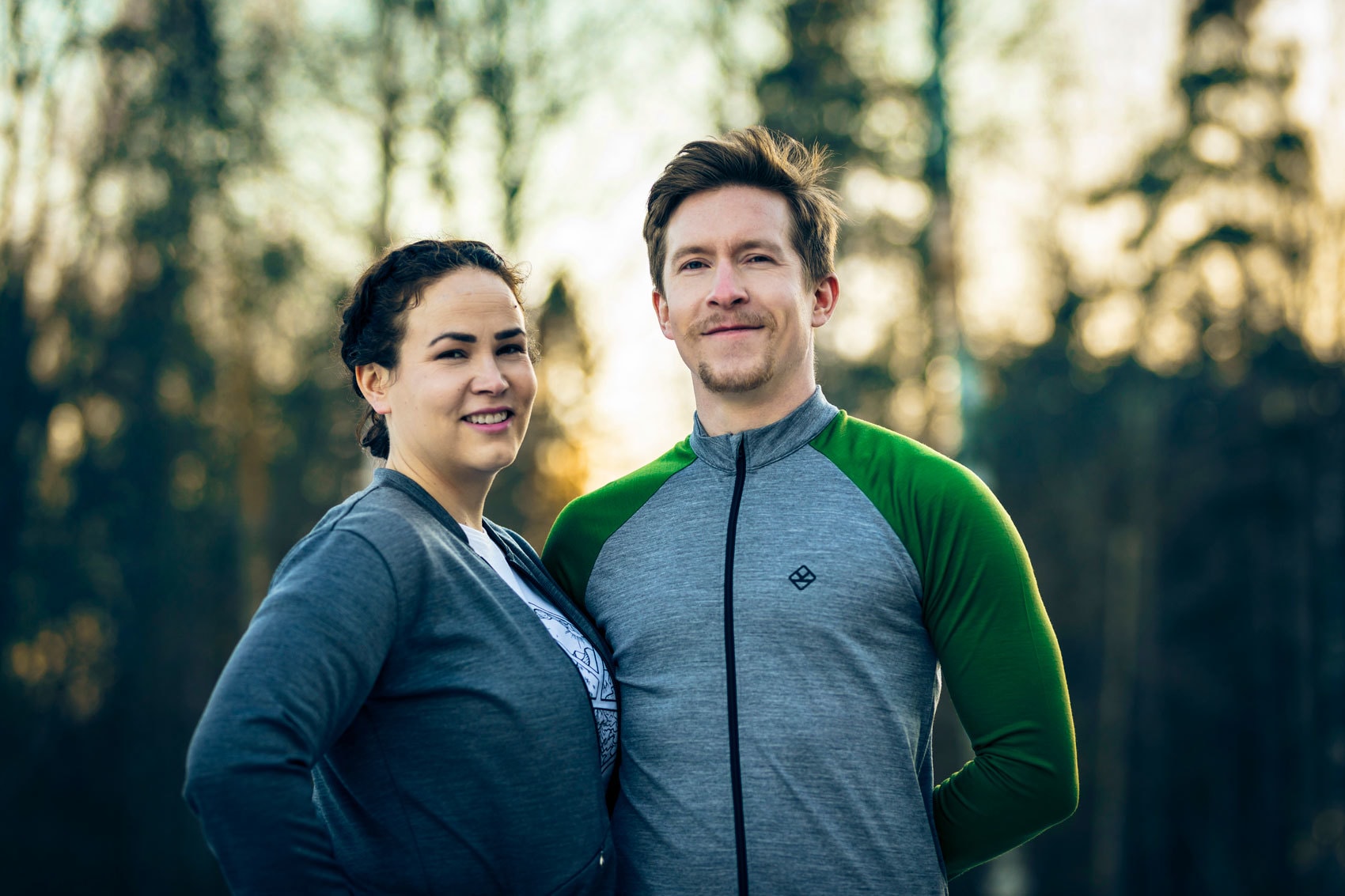
In the photo: Sanni and Timo, sporting Keli gear Credit: Keli
Q: What are some of the criteria or things Keli looks for when sourcing its materials?
We rely on merino wool as our material for the clothes because it’s a natural fiber and it has supreme qualities as sportswear material. We do our best to make sure that the wool that we use comes from animals that have lived a life worth living. That’s why our wool that comes from New Zealand is Zque-certified, this means that traceability, animal welfare, environmental- and social responsibility are being accredited in the process of wool production. We also use only mulesing-free wool.
The magical thing about merino wool is that you can wear for weeks without having to wash it. When typical polyester clothes soon start to smell like a bucket of dead rats, wool keeps fresh and can be washed in washing machine when needed.
In the near future, we hope to see more natural fibers being developed that are recyclable, sustainable and work well in sportswear. For example the wood fiber fabrics that are being developed in Finland.
Q: What do you think is the future of sustainability, particularly relating to the clothing industry?
There just isn’t a future without sustainability in everything we do and use, there is no way around it.
The clothing industry is a major contributor to pollution around the world and every time you wash a piece of clothing made of synthetic fiber, it finds its way to the environment.
We need to make people understand that clothes should not be made to be disposable and that we will not survive if we don’t find a new way to be consumers and producers of things. There’s a shift that’s coming and we want to lead the way by producing clothes that can be worn for ages.
We need to learn how to mend broken clothes, buy less and buy better. Fixing clothes and wearing them to pieces should become the new “black”.
Editors note: The opinions expressed here by Impakter.com columnists are their own, not those of Impakter.com