

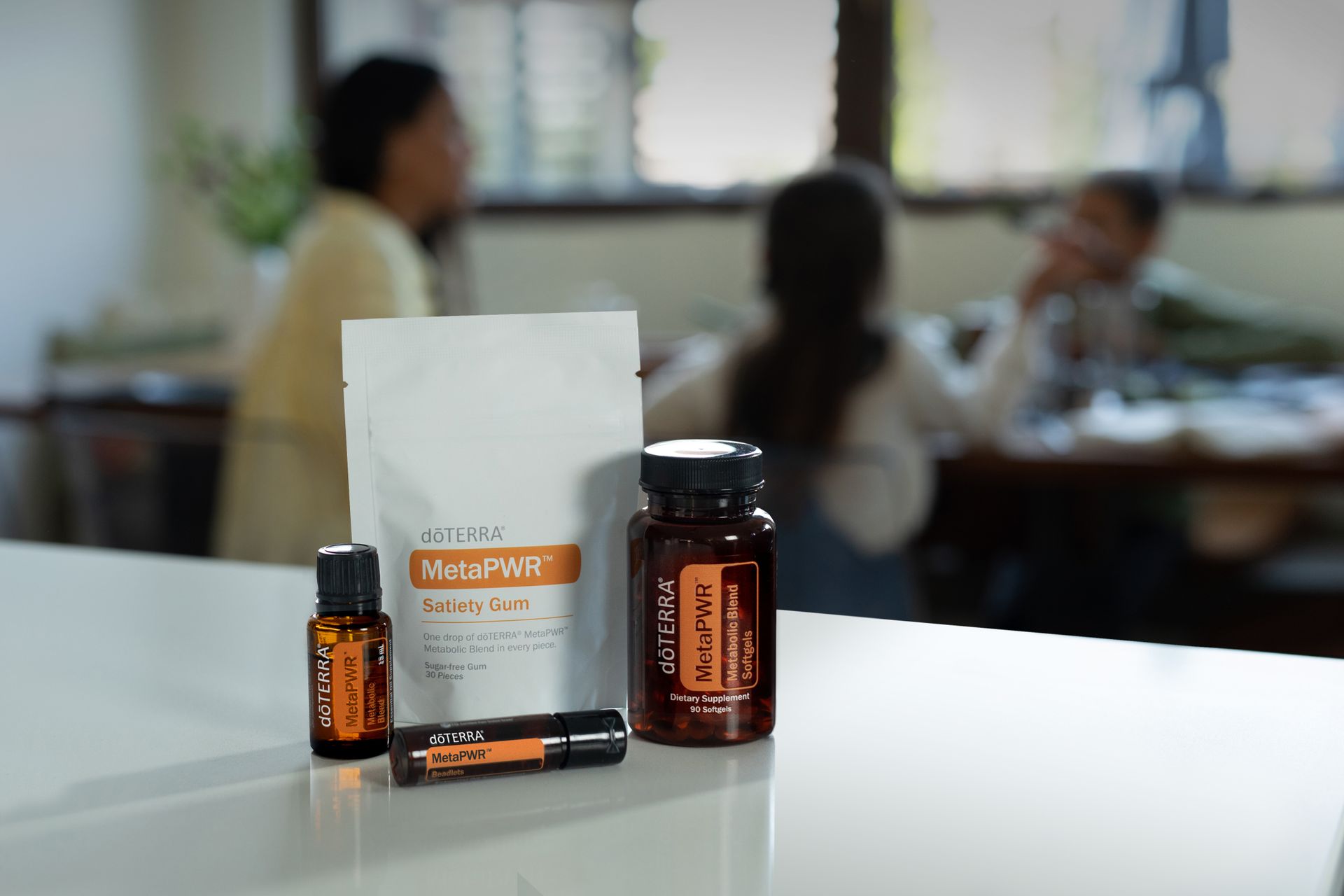
You make health decisions all day, often without noticing. It happens when you grab a snack, clean your room, pick a soap, or decide whether a product feels trustworthy. Those choices can seem tiny, but they stack up fast. As more people pay attention to ingredients, sourcing, and long-term wellness, everyday health has turned into something much more practical than trendy. It’s less about perfection and more about noticing what actually affects your body and your routine.
Wellness at home is part of the bigger picture
People often separate “health” from “home,” as if one happens in your body and the other happens in your kitchen sink. In reality, those two worlds are connected.
Indoor air, surface cleaners, soaps, and laundry products all influence daily exposure. If your pillowcase, dishes, and bathroom surfaces are constantly treated with harsh substances, that can shape how you feel, especially if you have sensitive skin, allergies, or respiratory issues.
That’s one reason many households look for brands with a wellness-focused approach across multiple product categories. Companies like Melaleuca are often part of that conversation because they center their product lineup around nutrition, personal care, and home essentials rather than treating health like a one-aisle issue.
The larger point is simple: wellness doesn’t stop at food. It shows up in the products you live with every day, including the ones you barely think about.
Everyday health starts with ordinary habits
Health usually gets framed as a big project: gym plans, strict diets, dramatic before-and-after photos. Real life works differently. Your daily habits have more influence than occasional bursts of motivation.
Think about what you use before noon. Toothpaste, body wash, laundry detergent, breakfast, vitamins, maybe a cleaning spray on the kitchen counter. Each product becomes part of your environment, and your environment shapes your health more than most people admit.
That doesn’t mean you need to panic over every label like it’s a final exam. It means paying attention. A product can look polished on the outside and still be packed with things you’d rather avoid. The more aware you get, the easier it becomes to spot patterns, compare options, and choose products that fit the way you want to live.
Ingredients matter more than clever marketing
A lot of health-related shopping comes down to one awkward truth: branding is loud, ingredients are quiet. Companies know how to sell a lifestyle. Clean colors, buzzwords, and feel-good promises can make almost anything sound healthy.
Your job is to look past the performance. Ingredient lists tell a more honest story. If a product claims to support wellness, help your skin, or improve your home environment, the formula should back that up.
This applies to supplements, personal care items, and household products. You don’t need a chemistry degree, but it helps to learn a few basics. Watch for unnecessary additives, overly harsh cleaners, and products that rely more on fragrance than function. If a label reads like a science fiction side quest, it’s worth asking questions.
Smart health choices often come from curiosity, not obsession. Read the package. Compare alternatives. Notice how your body responds over time.
Convenience influences health more than willpower
You probably know what healthy behavior looks like. Most people do. The harder part is keeping it practical when life gets busy, money feels tight, or your schedule starts acting like it has personal vendettas.
Convenience plays a huge role here. If healthier options are difficult to find, expensive, or annoying to use, people drift back to whatever is fastest. That isn’t laziness. It’s human behavior.
The best health routines remove friction. Keep useful products where you can reach them. Buy snacks you’ll actually eat. Choose household essentials that support your goals without creating extra work. If a supplement tastes terrible or a cleaning product gives you a headache, you’re not likely to stick with it.
A realistic system beats a perfect one every time. Health routines need to fit your actual life, not some imaginary version where you meal-prep in glass containers while smiling at sunrise.
Consumer trust is changing fast
People used to accept health claims pretty easily. If something said “natural” or “doctor recommended,” it often got a free pass. That era is fading.
Now, consumers want transparency. They look up reviews, compare ingredient standards, and ask tougher questions about how products are made. Social media has amplified this shift, for better and worse. Good information spreads quickly, but so does nonsense dressed up as expertise.
That makes critical thinking essential. A trustworthy product or company should offer more than vague promises. You should be able to find clear details about what it does, how it’s used, and what values guide its formulation.
This change has broader implications for the health space. Brands can’t rely only on glossy messaging anymore. People want receipts, not just reassurance. That pressure can improve quality across the market, which benefits anyone trying to make more informed choices.
Small product swaps can have a real effect
You do not need to rebuild your entire lifestyle in one weekend. In fact, that strategy usually crashes by Tuesday. A better approach is to start with a few product swaps that show up often in your routine.
Useful places to begin include:
- Soap and body wash
- Laundry detergent
- Surface cleaners
- Toothpaste
- Vitamins or supplements
- Snack and hydration choices
These categories matter because they’re repeated exposures. A smart swap used daily can be more meaningful than a dramatic wellness purchase that sits untouched in a cabinet.
For example, someone with dry skin might notice improvement after switching to gentler personal care products. A household sensitive to strong chemical smells might feel better using alternative cleaning formulas. Those changes sound small, but small changes repeated consistently can shift how your day feels.
Health often improves quietly before it looks impressive.
Better choices come from paying attention, not chasing perfection
One of the biggest traps in wellness culture is perfectionism. It convinces you that if you can’t do everything right, there’s no point doing anything differently. That mindset burns people out fast.
A more useful goal is awareness. Notice what you buy repeatedly. Notice what makes you feel better, what irritates your skin, what supports your energy, and what seems all hype and no substance. Those observations are valuable.
You’re building a personal standard, not following a script. Maybe you decide to focus on cleaner household products first. Maybe nutrition matters most to you. Maybe you care about a company’s overall philosophy, not just a single item. All of that counts.
Health choices are rarely flashy in real life. They’re quiet, repeated, and deeply tied to the systems around you. Once you see that clearly, you stop treating wellness like a trend and start treating it like what it really is: a set of decisions that shape your everyday life.
Editor’s Note: The opinions expressed here by Impakter.com columnists are their own, not those of Impakter.com — Cover Photo Credit: doTERRA International, LLC.