
Today’s ESG Updates
- Carmakers Warn That Shutting Britain Out Would Weaken Both Sides: The head of Mercedes-Benz, speaking for Europe’s auto industry body, says leaving the UK outside the Made in Europe law would make the bloc’s own manufacturers less competitive.
- Europe Buys Far More Electronics Than It Collects Back:Eurostat recorded 12.3 kg of e-waste collected per person in 2024 against 32.4 kg of new equipment sold, with sales climbing far faster than collection since 2015.
- Drought Pushes English Water Firms to Target Business Users: Three suppliers want golf clubs, private schools and car washes cut off from mains water, with reservoirs 21% below where they should be for the season.
- Brussels Turns to Private Money to Narrow the Water Funding Gap: A new advisory scheme will back 20 pilot projects on retention, efficiency and clean water, against an estimated €23 billion annual shortfall.
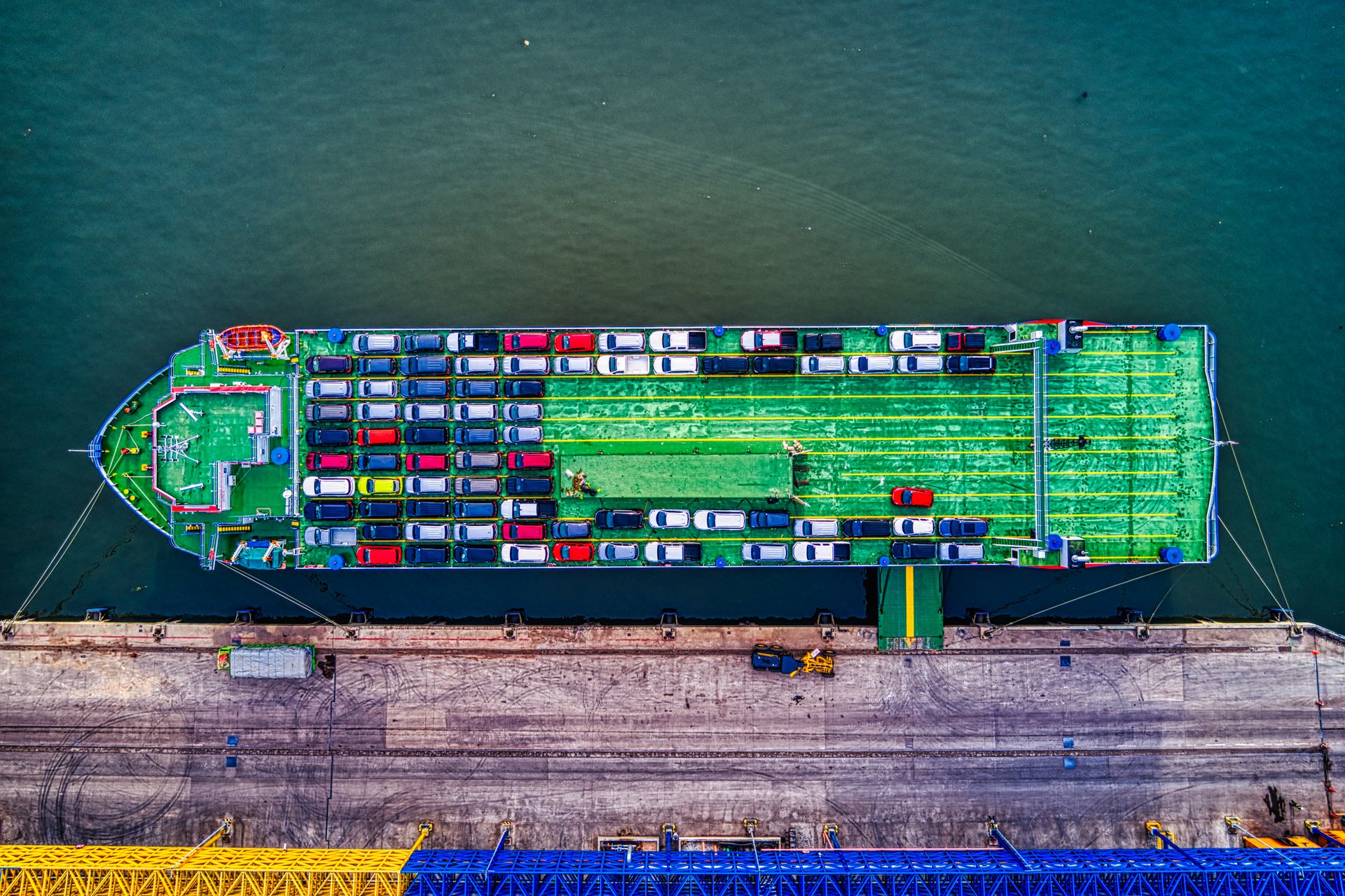
Carmakers warn that shutting Britain out would weaken both sides
Europe’s auto industry body says leaving the UK outside the bloc’s flagship industrial law would undercut the supply chains it is meant to build.
The head of Mercedes-Benz has pushed back on the prospect of Britain being left out of the EU’s Industrial Accelerator Act, known as the Made in Europe law. Ola Källenius, speaking as president of the European Automobile Manufacturers’ Association, said the move would hurt manufacturers on both sides of the Channel and make the bloc’s own industry less competitive.
The act, known as the Made in Europe law, is meant to shield domestic producers from outside competition. China is the main target, with a trade surplus against the bloc now running at £1 billion a day. The UK, Norway, Türkiye and Switzerland could be caught by it as well.
EU leaders want political agreement on the text by December.
A closer deadline worries the industry more. Under the post-Brexit trade deal, electric vehicles crossing the Channel face 10% tariffs from next year unless mostly made in Europe. Neither side can match Chinese battery output, and batteries make up about 45% of a car’s cost. Manufacturers want another two or three years.
Klimado – Navigating climate complexity just got easier. Klimado offers a user-friendly platform for tracking local and global environmental shifts, making it an essential tool for climate-aware individuals and organizations.
Europe buys far more electronics than it collects back
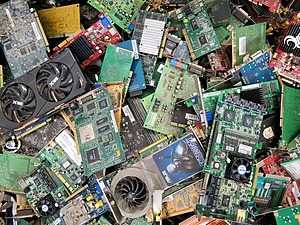
New Eurostat figures show the gap between what goes on the market and what returns as waste is widening across the bloc.
The EU collected 12.3 kg of electronic waste per person in 2024, against 32.4 kg of new electrical and electronic equipment sold per person that year. The difference points to a growing stock of devices still in use, waiting to be thrown out, sitting unused in homes, or passing through informal channels that nobody tracks.
The two lines have moved at different speeds. Equipment placed on the market climbed 79% between 2015 and 2024, from 18.1 kg per person to 32.4 kg, driven mainly by large items such as washing machines, dishwashers and solar panels. Collection rose from 7.3 kg to 12.3 kg over the same period, gaining 0.7 kg on the previous year.
Bulgaria led collection at 18.9 kg per person, ahead of Czechia and France. Cyprus, Portugal and Malta recorded the lowest figures. In Spain and Germany, sales outweighed collection by more than three to one.
Eurostat notes both figures are probably undercounts.
Related Articles
Here is a list of articles selected by our Editorial Board that have gained significant interest from the public:
Drought pushes English water firms to target business users
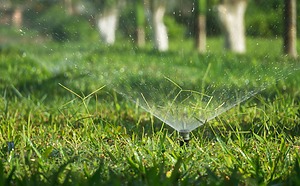
Golf courses, private schools and car washes could lose mains supply as reservoirs sit well below where they should be this autumn.
Three suppliers have asked to extend water restrictions to commercial customers, who have been spared the hosepipe rules applied to households since the summer. South East, Southern and South West Water want non-essential use bans across parts of their regions, which would stop clubs and schools watering grounds and shut commercial car washes. A power hose can get through 25 litres a minute. Defra has not yet decided.
Eleven areas of England remain in drought, with Yorkshire added on 9 October. Reservoirs stand at 54%, some 21% below the seasonal norm, and nineteen across England and Wales are less than half full. Wimbleball in Somerset, serving 390,000 people, holds 3.8 billion litres of a possible 21.3 billion..
Rivers are suffering too. Flows are exceptionally low in seven areas, and recovery can take years once fish spawning is disrupted. In Hampshire, Southern Water wants permission to draw from the River Test, a chalk stream and salmon habitat, below levels considered ecologically safe.

Brussels turns to private money to narrow the water funding gap
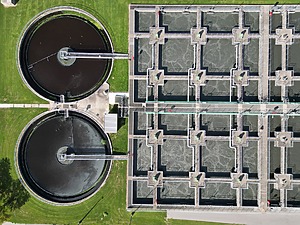
A new advisory scheme will back 20 pilot projects, aimed at making water ventures bankable enough to attract investors.
The European Commission has presented the EU Water Resilience Investment Accelerator, run through Green Assist, an advisory initiative under InvestEU funded by the LIFE programme. It will support pilot projects on natural water retention, clean water and water efficiency, bringing investors together with the companies building those solutions.
The gap it is meant to address is sizable. Implementing existing EU water legislation needs an estimated €23bn a year, equivalent to 0.1% of the bloc’s GDP, and the Commission wants private capital to carry more of that load.
Three areas are covered: smarter use and reduced losses, nature-based approaches to retention and climate adaptation, and technologies that improve water quality and cut emissions from industrial systems. Start-ups, small firms, farmers and local authorities will be prioritised, with an eye to solutions that can be copied elsewhere in Europe.
Projects seeking advice can apply to Green Assist, which already works with close to 100 organisations, until the end of October.
Editor’s Note: The opinions expressed here by the authors are their own, not those of impakter.com — Cover Photo Credit: Tom Fisk