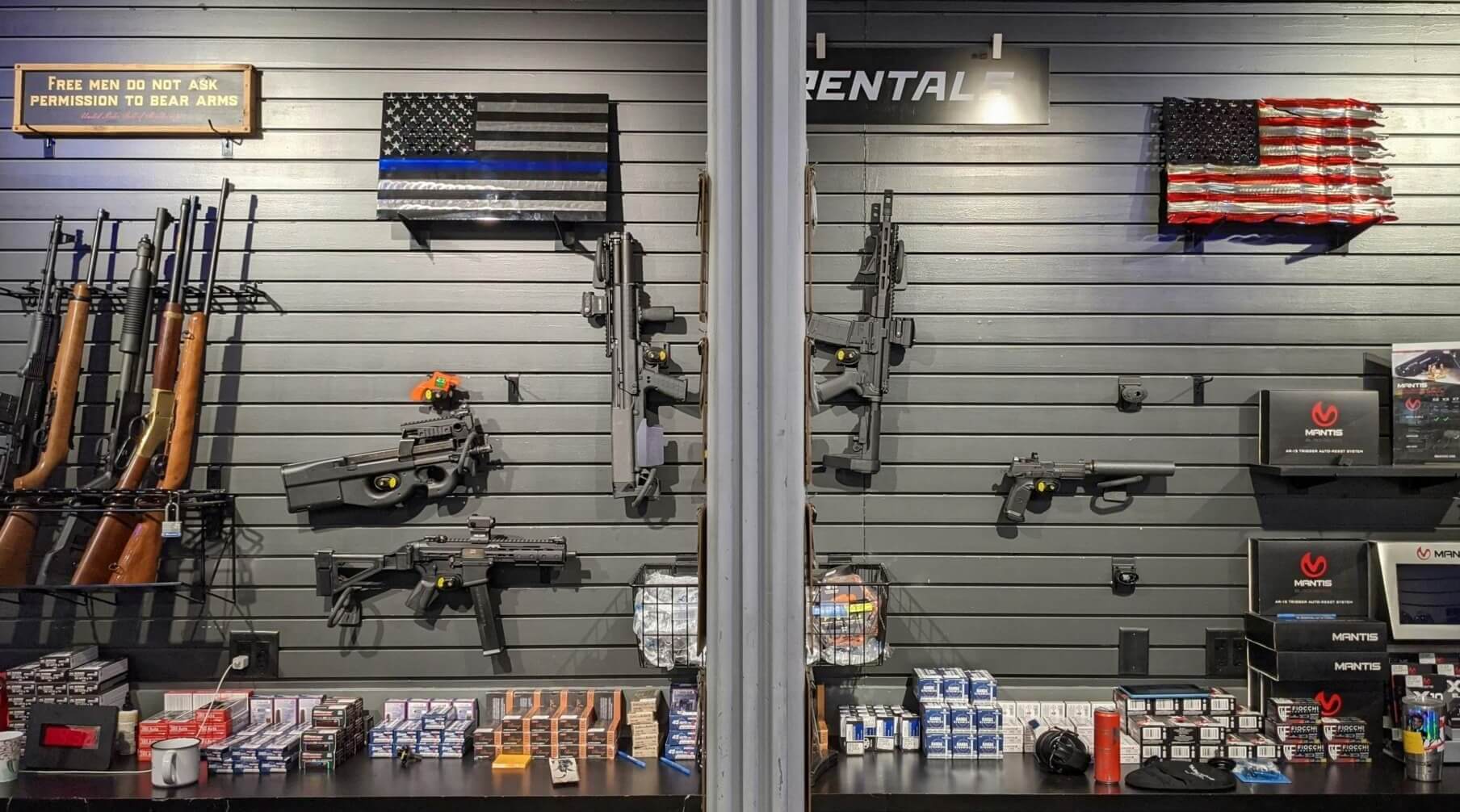
Gun violence in America is a public health threat that warrants urgent attention. A properly empowered, funded, and staffed Centers for Disease Control and Prevention can make a big difference to the health of all of us.
No vaccine or new pharmaceutical is needed to address a uniquely American public health crisis. Although it is a health risk for everyone, it is especially harmful to children, who are the greatest victims of gun violence in America, bearing much of the physical, emotional, and developmental pain.
Societal attitudes and political reluctance to address this concern in a meaningful way, as of now, have proven to be an impassable barrier. Voiced concern for the health and well-being of children has been expressed by both the current Secretary of Health and Human Services, Robert F. Kennedy Jr., and First Lady Melania Trump, in a letter to Vladimir Putin raising concerns about abducted Ukrainian children.
That said, in January 2025, Health and Human Services Secretary nominee Robert F. Kennedy Jr. stated he “does not believe gun violence is a public health crisis, nor does he believe that researching gun violence is important.” And the just-released Make America Healthy Again Commission report, which he commissioned, is silent on the subject of firearms as threats to children. RJF Jr. needs to recognize this public health threat, especially for children, learn about it, and make it a high priority for the health agency.
The United States’ love affair with firearms
The Second Amendment, which protects the right of people to “keep and bear arms,” was ratified on Dec. 15, 1791. It is among the most visible and perhaps the most legally contested of the 27 amendments to date.
The Supreme Court, in cases such as District of Columbia v. Heller (2008), has defended an individual’s right to possess firearms for lawful purposes, such as self-defense. What is not clear is the limits of such rights, and how these are to be interpreted.
Currently, the limits vary from state to state: 46 states allow open carry in some form, whether in public places, including in or near schools, and only four states, including the District of Columbia, prohibit it in most circumstances.
Even where a jurisdiction has an explicit limiting rule, as in the District of Columbia, a federal prosecutor can refuse to pursue violators, which is the case regarding the carrying of a long gun in Washington, D.C.
Gun Death Rates: What Available Data Show
According to the Small Arms Survey (SAS), the United States has the highest rate of civilian firearm ownership in the world. With about 121 firearms for every 100 residents, Americans own almost 40% of all firearms in the hands of civilians around the world.
In 2022, firearm injuries (all types) were among the five leading causes of death for people ages 1-44, and they were the leading cause of death among children and teens ages 1-19. About 132 people die each day in the United States from firearm-related injury according to Centers for Disease Control and Prevention (CDC).
A Johns Hopkins University 2024 report, ”Gun Violence in the United States 2022: Examining the Burden Among Children and Teens,” noted that in 2022, there were 48,204 gun deaths in the U.S. Among, 2,526 victims were 1-to-17 year-olds (although corresponding data for subsequent years reflect slightly downward trends, such data still show unacceptable levels).
For children aged 1 to 17 in America, gun violence has been the leading cause of death since 2020 according to the Johns Hopkins report.
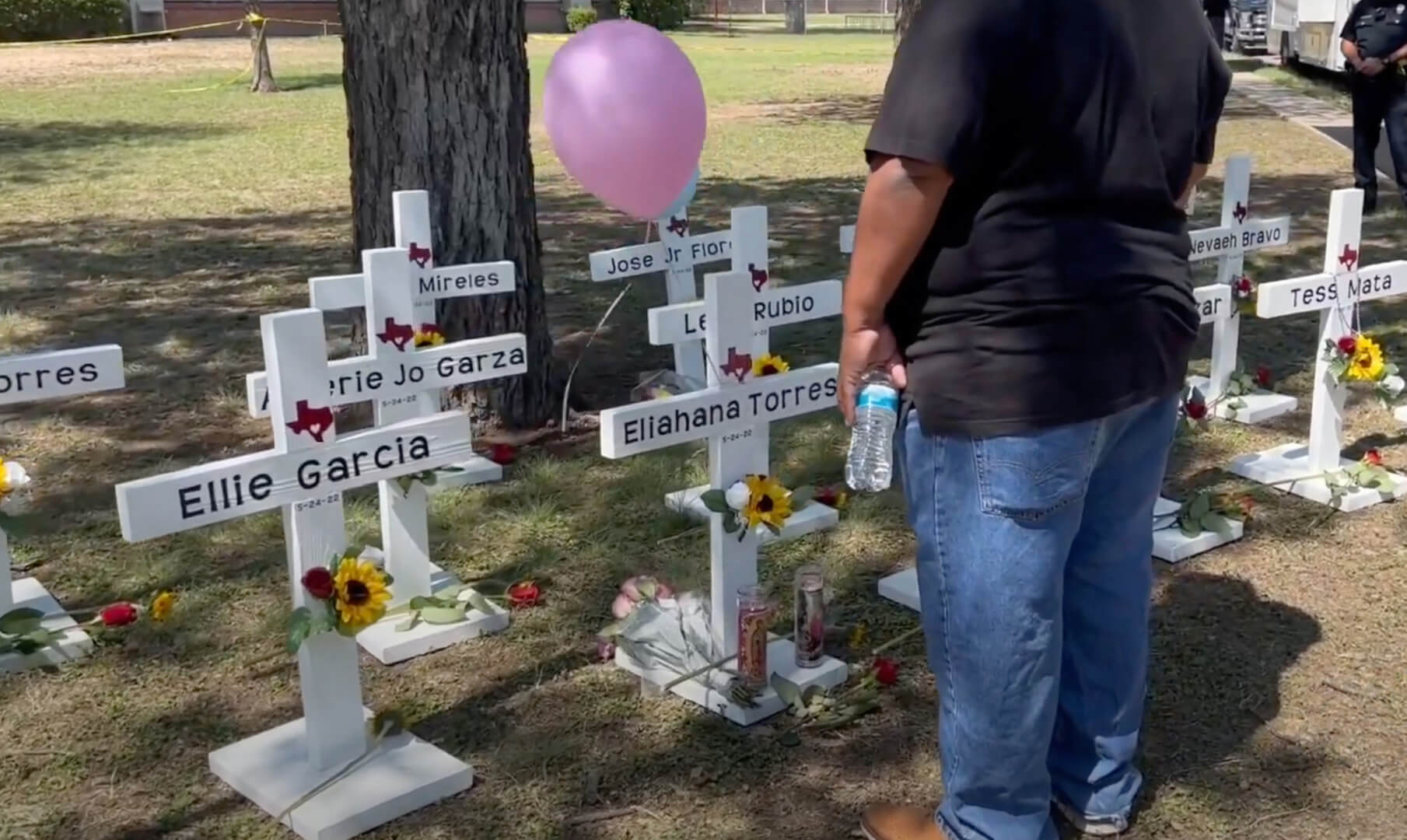
When a shooting incident does happen at a school, it garners widespread disgust and media attention. In Minneapolis this past August, a 23-year-old transgender person who had mental problems shot and killed two children and injured 21 other people during a Mass at Annunciation Catholic School. This story received extensive coverage by international and national news organizations, including the BBC, Fox News, and PBS.
Further, Americans are increasingly fearful of the availability of guns, especially multi-caliber long guns. According to a 2024 Pew Research poll, 61% of Americans say it is “too easy to legally obtain a gun,” and about six-in-ten adults favor stricter gun laws, with almost two-thirds of women favoring stricter laws.
Notwithstanding, gun ownership remains deeply ingrained in American society to the extent that those with political power have (for the most part) been reluctant to address the subject, and some have signaled that there are times a person is justified to take the law into his or her own hands. Donald J. Trump, in 2016, then candidate, now President, said: “I could shoot somebody on Fifth Avenue and not lose any voters.” Even if he was not serious, this is not a message the public should have heard then or should hear now or ever.

The Impact of Gun Violence on Public Health
Consider the types of firearm-related injuries:
Accidental Shootings: These happen with an unintentional discharge of a firearm, often resulting in severe injuries or fatalities, particularly among children who may not understand the dangers.
Homicides: Homicides most often occur in urban settings where conflict and gang activity may be prevalent. Although not exclusively affecting children or teens, young people are often involved in, or bystanders to, the line of fire.
Suicides: Firearms are frequently used in suicide attempts. Tragically, the presence of a firearm in the home substantially increases the risk of suicide for adolescents. In 2022, according to the Johns Hopkins report, suicides accounted for 27,032 of the 48,204 gunshot deaths in the United States, which marked an “an all-time high for the country.”
Mass Shootings: Mass shootings often take place where there are large gatherings, such as at parades, schools, places of worship, sporting events, and workplaces. With respect to the August 2025 school shooting in Minneapolis mentioned above, the Minnesota legislature had enacted an improved gun law in 2023, but after this horrific event, Governor Tim Walz has proposed additional legislation.
Why Firearms Should Be Considered a Public Health Threat
The multiple effects of firearm-related injuries and deaths have consequences for the individual(s) directly involved but also for many others, both directly and indirectly harmed:
Emotional Impact on Families: The loss of a child or loved one to firearms causes profound emotional distress, resulting in mental anguish and other mental health issues for family members and communities.
Economic Costs: Firearm-related injuries mean significant medical costs, lost productivity, and long-term care for survivors, and significantly strain healthcare systems and local economies. One estimate puts the annual cost of gun violence in the U.S. at over $550 billion — “comparable to 2.6% of the US GDP.”
Institutional Strain: Emergency services and hospitals have to respond to firearm injuries, diverting resources from other critical health issues.
Community Impact: Gun violence can create a culture of fear within communities, leading to reduced social cohesion and trust. This can hinder community development and make children feel unsafe.
How the CDC Could Help Address Gun Violence
From its establishment, the CDC has had an important mandate to manage public health threats that result in death or injury. Firearm-related violence had been so considered within its responsibility, but has been limited by legal and political constraints.
Data Collection: The CDC has the responsibility to gather data on firearm injuries, but its ability to obtain such data has been constrained by restrictions on federal funding for gun violence research.
Public Education: In the past, CDC created materials to educate the public about the dangers of gun ownership and about gun-related safety practices.
Cooperative Efforts: CDC coordination with local health departments, community organizations, and law enforcement, including collaborating onin generating initiatives to reduce firearm injuries, was an active and widely accepted effort. Reduced funding and changed policies have restricted that effort.
Possible Expanded CDC Firearm-related Public Health Efforts
CDC could be empowered to be much more proactive through:
Research Funding: Provide adequate resources for firearm violence research, to establish factors contributing to firearm injuries and deaths. Such information is essential for developing effective prevention strategies.
Community-Based Programs: The CDC could be proactive in developing and implementing community-based programs focused on gun -safety education, targeting high-risk areas and populations.
Mental Health Services Collaboration: By integrating mental health resources with firearm-related outreach, the CDC could develop information to help address the underlying issues leading to suicides and homicides. (A wrongheaded approach being considered by the current Department of Justice, (in the wake of the Minnesota school shooting,) is to label all transgender individuals as potentially dangerous and deny them eligibility to own firearms.)
Public Awareness and Policy Formulation: National and local campaigns to raise awareness about the dangers of unsecured firearms and the importance of safe gun storage are another area for CDC involvement. It could support designing and implementing more effective policies and best practices regarding firearm safety and storage regulations.
Firearms in America: Legislative Context and Possible Solutions
The national and local legislative context in which firearm safety is dealt with is complex and often contentious. Factors such as individual rights under the Second Amendment, extensive lobbying by powerful gun advocacy groups, and staunchly conservative groups complicate common-sense efforts to address firearm-related issues through new and effective gun policy.
Given the existing political environment, what might realistically be the first steps include:
- Universal Background Checks: Implementing national, universal background checks before any firearm purchase could help prevent guns from falling into the hands of those whose history poses a risk to themselves or others.
- Extreme Risk Protection Orders (ERPOs): Legislation to provide for the temporary removal of firearms from individuals who may pose a threat to themselves or others, especially during mental health crises.
- Safe Storage Laws: Legislation could mandate that firearm owners be responsible for storing their guns securely, preventing unauthorized access by children or unauthorized users.
- Community Responsibility: Give resources to encourage communities to better address the root causes of firearm violence, through social welfare programs, addressing educational needs, and providing mental health care.
Related Articles: Gun Violence and Health in America | Could US Gun Policy Start to Change? | Why Gun Ownership in Switzerland Is Not the Same in the US | Gun Ownership Laws and Policies: Has This Largely Fallen Off the Global Radar? | Guns In America: Is It Freedom? | US Gun Industry Sued for Fueling Mexican Gangs | Guns Go Permitless in Texas: First Results
Reducing Gun Violence in America Requires a Multi-faceted Approach
A multi-faceted approach could combine prevention, education, legislation, and community engagement, namely:
- Genuine dialogue between and among lawmakers, health officials, educators, community leaders, and law enforcement officials to formulate strategies that address the causes of firearm injuries.
- Pay greater attention to mental health care, counseling services, and support systems for at-risk individuals who are gun owners.
- Educate at-risk families, those where there are firearms, to teach their children about firearms, the importance of safety, and to enable adult family members to lead by example in responsible gun ownership.
- Appreciate and support advocacy groups that press for legislative changes and public awareness campaigns, focusing on evidence-based practices that promote safety and reduce firearm deaths and injuries.
This Is Much to Ask
The firearms crisis in America is a public health threat that warrants urgent attention, particularly concerning the safety of our children. If Executive Branch leadership by the President, his HHS Secretary, coupled with Congressional resolve, were to see it as such, the CDC could play a pivotal role with research, community outreach, and implementing core policies.
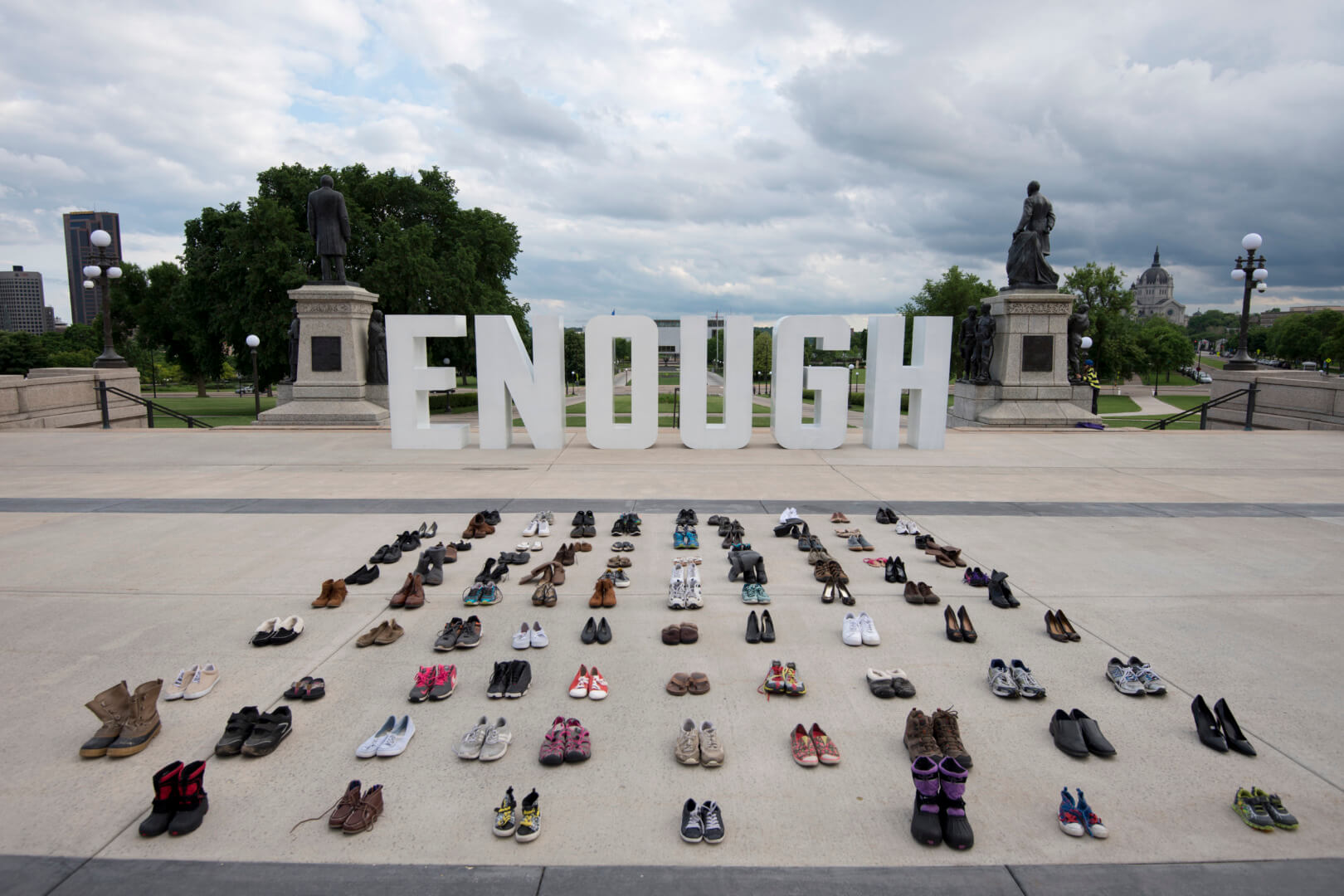
Indeed, we and future generations will be safer, but only if people voice outrage loudly, become active locally and politically, and relentlessly press for change. Rather than rhetorical sympathy after the next mass shooting at a school or place of worship, we need Republicans and Democrats to join together and address firearm violence and violent crime, and what firearms are doing to the fabric of our society.
If nothing is done, then the body politic will have only itself to blame. In short, let’s recognize how we got here, accept that things have radically changed since the adoption of the Second Amendment over two hundred years ago, and do the hard lifting to make the United States a better place.
Editor’s Note: The opinions expressed here by the authors are their own, not those of Impakter.com — In the Cover Photo: A display of guns in a gun shop, West Virginia, United States, February 2022. Cover Photo Credit: Teitur Hansen.